Category Archives: City

Vienna, Bratislava, & Budapest 2015

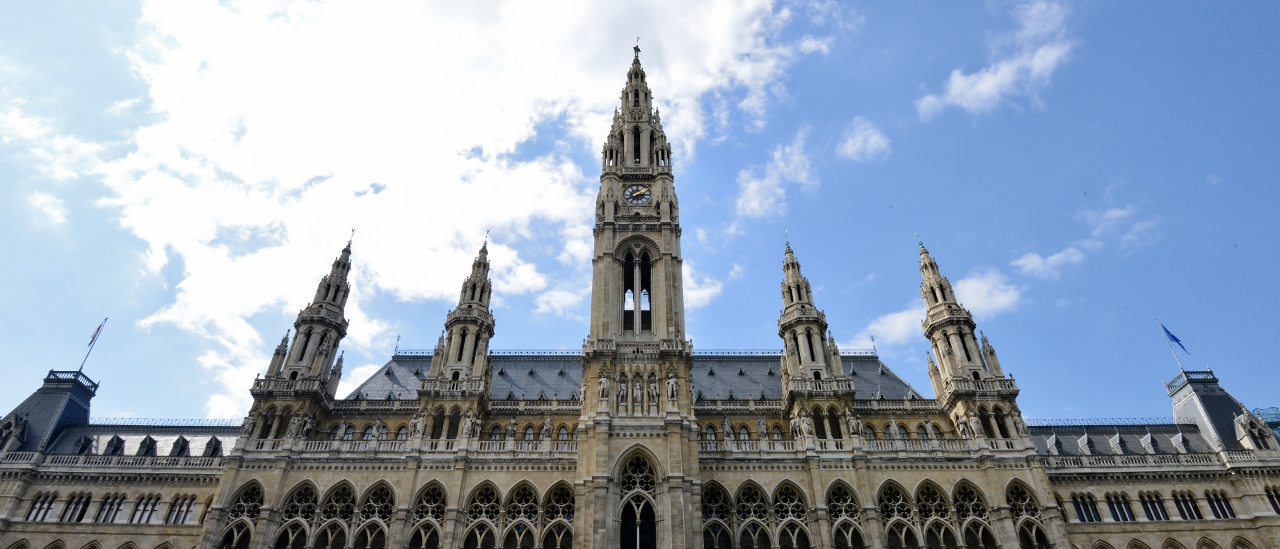
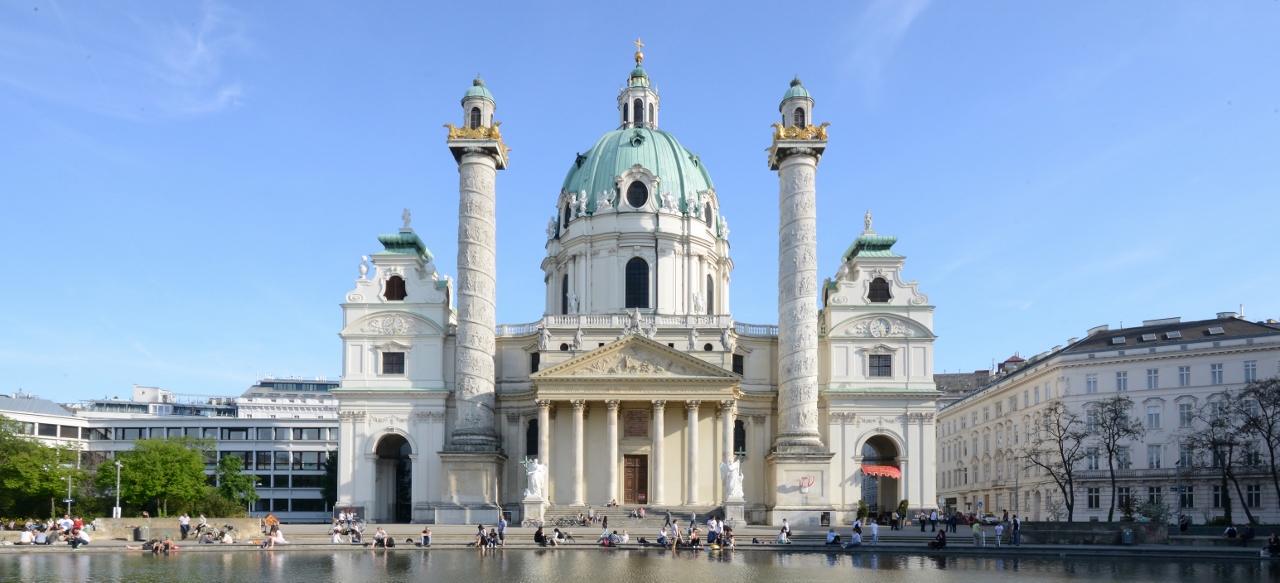
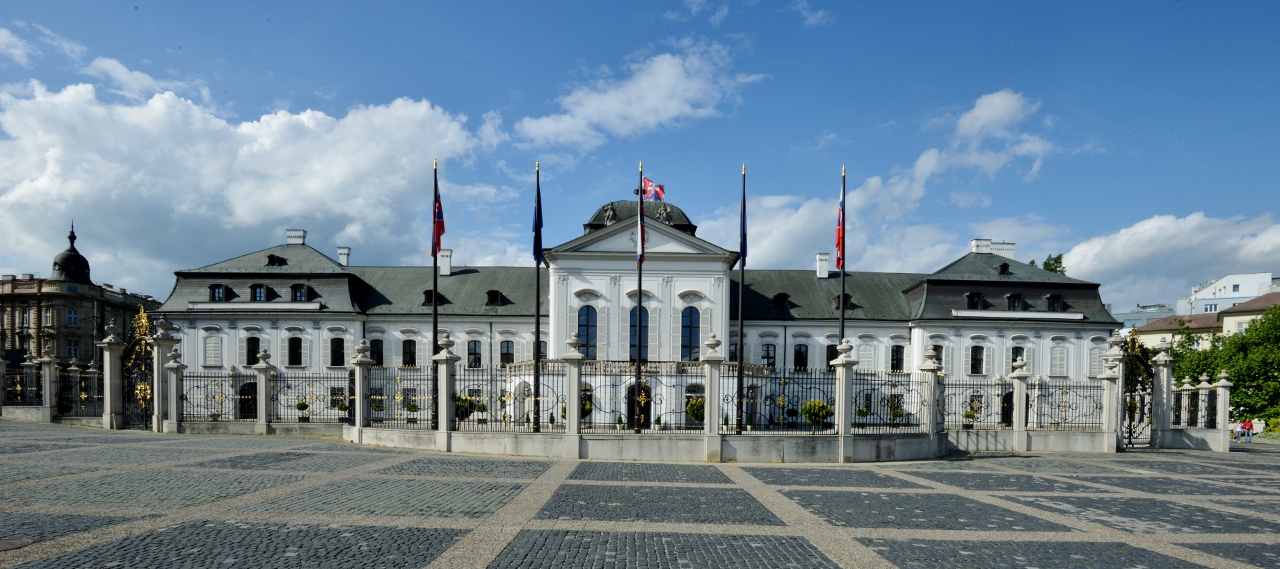
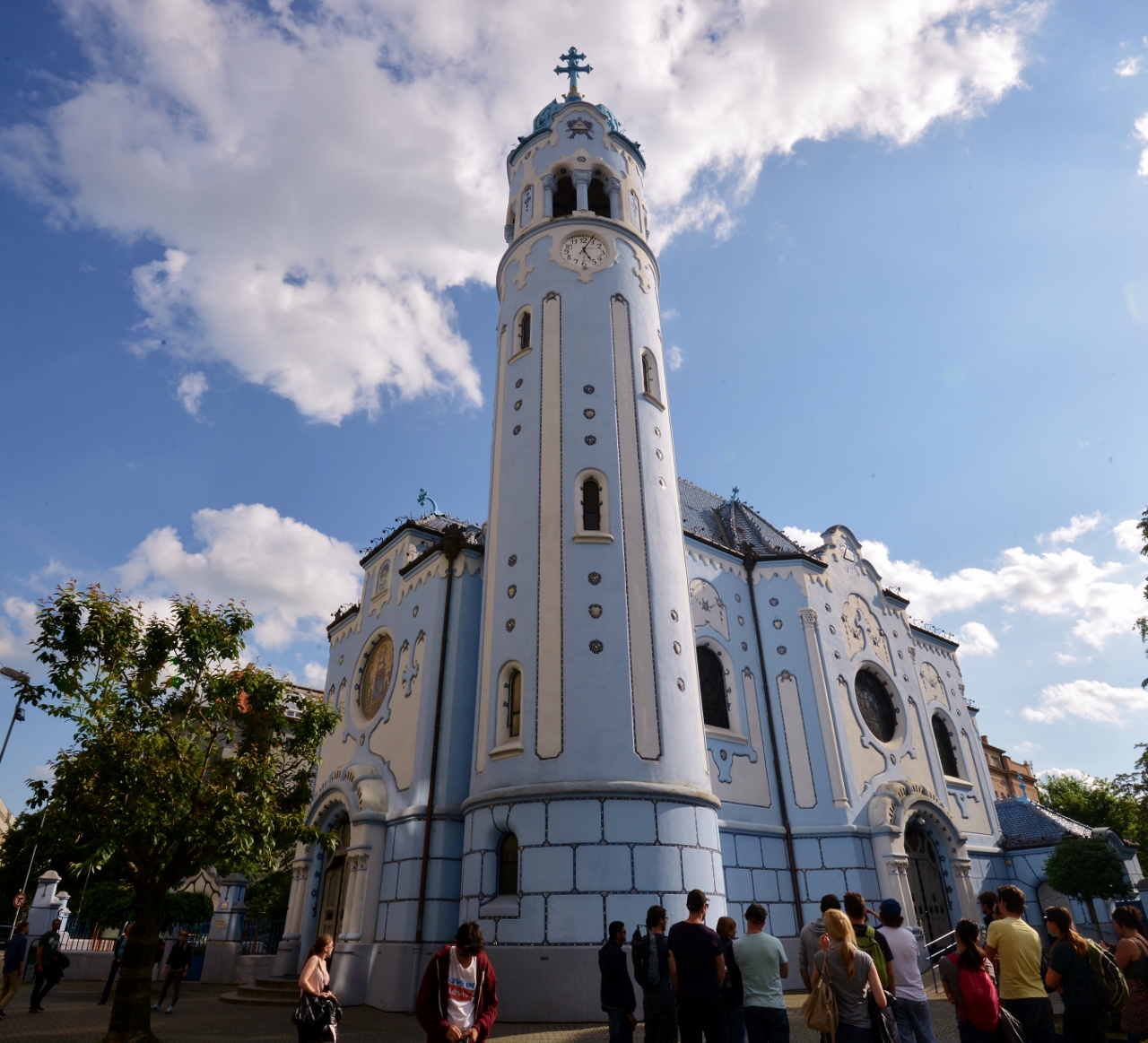
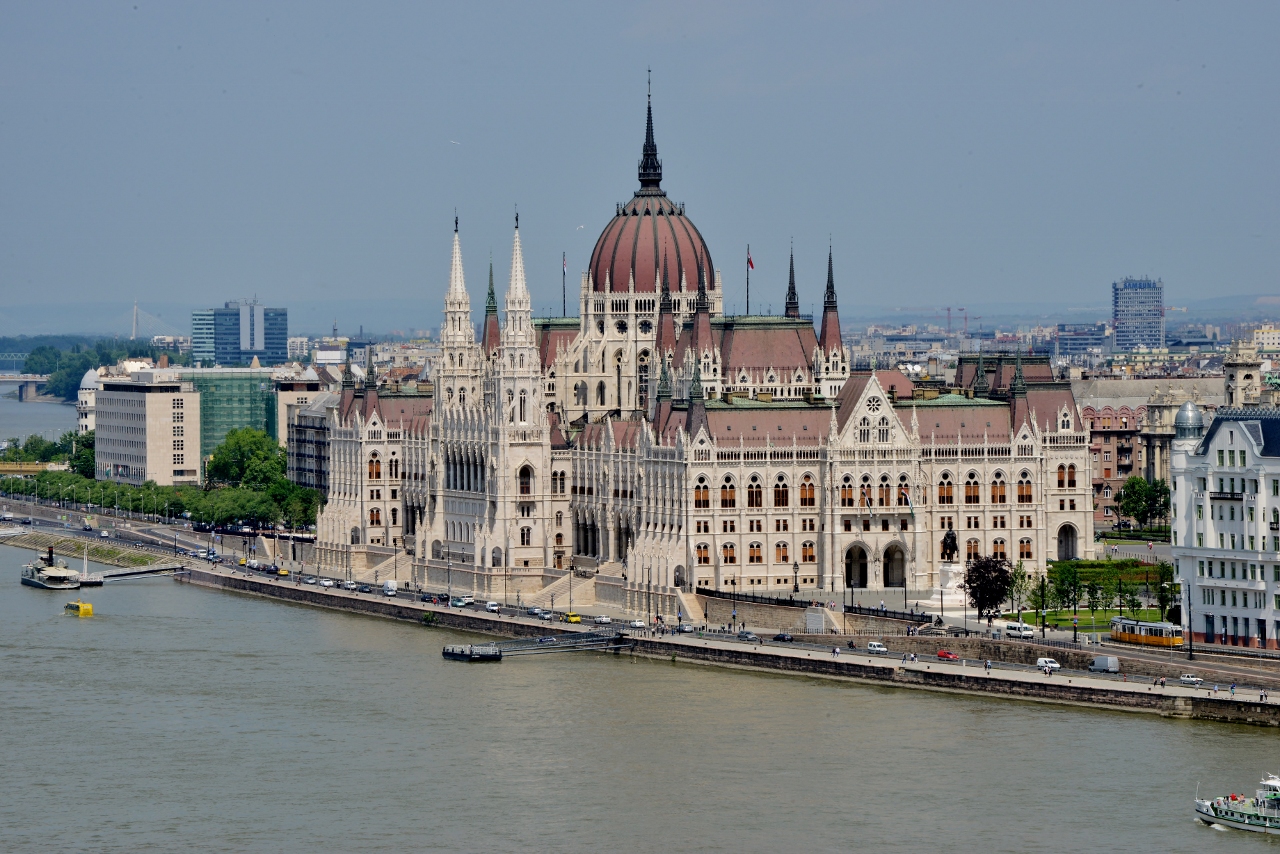
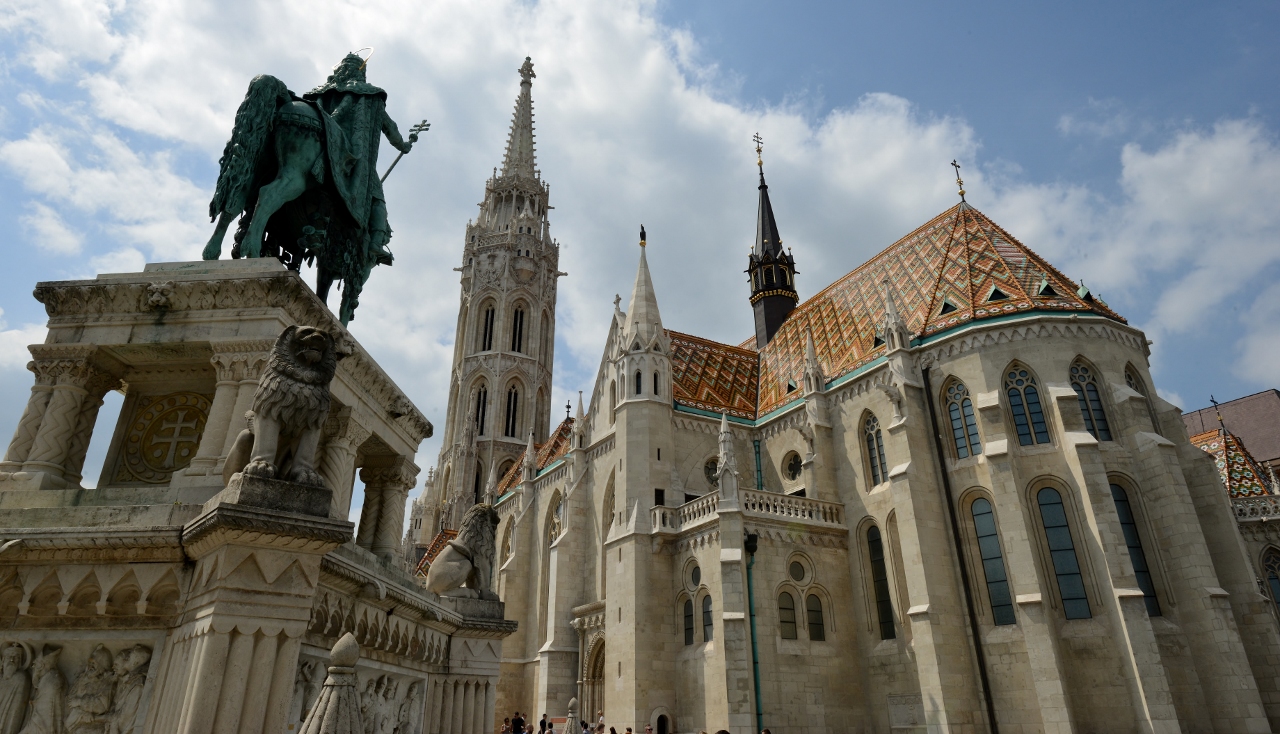
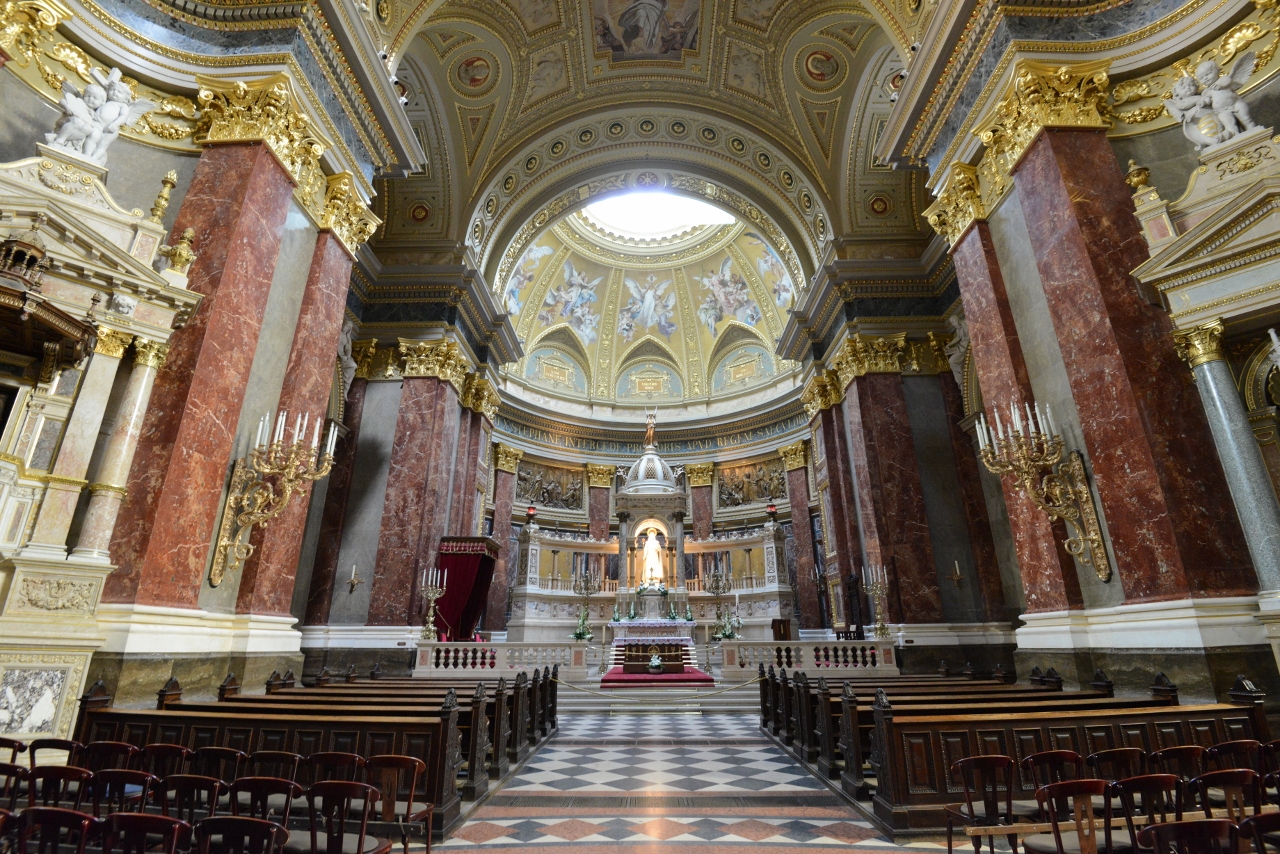
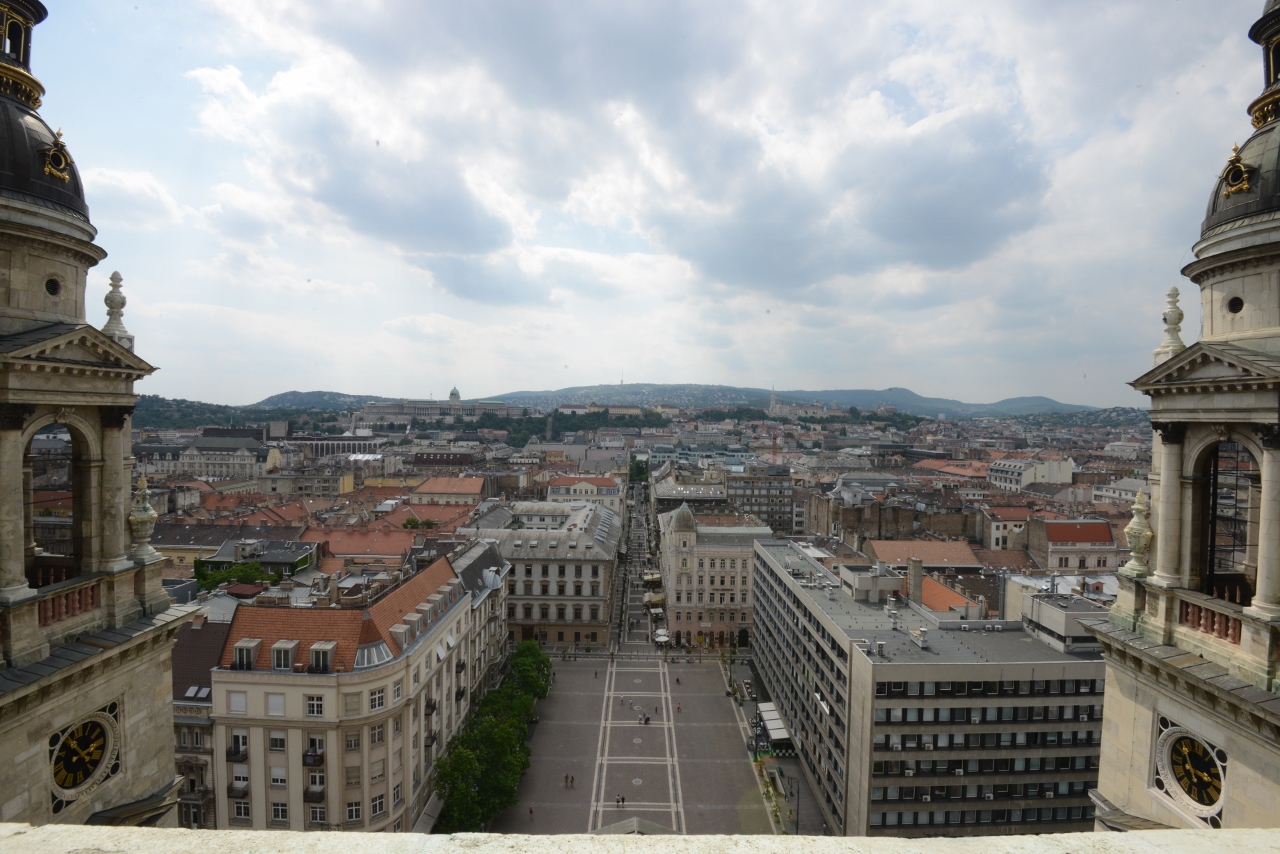
I’m grouping a few places together for the simple reason they are so similar. We visited Vienna [Austria], Budapest [Hungary], and Bratislava [Slovakia] over the course of the last month before and after our tour of the Balkans. The Habsburg’s and the Astro-Hungarian Empire left quite the mark on central Europe. The Habsburg’s were the dominate monarch of the Austro-Hungarian Empire in central Europe for some time until World War One. For the most part, the cities have similar features in similar architecture. There are differences:

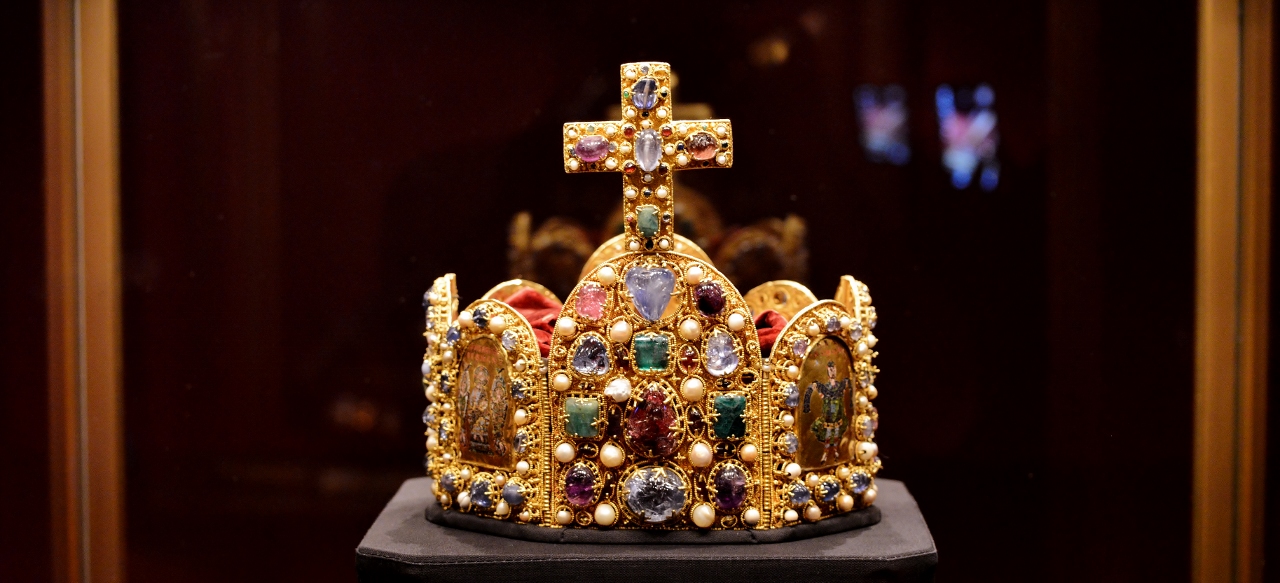
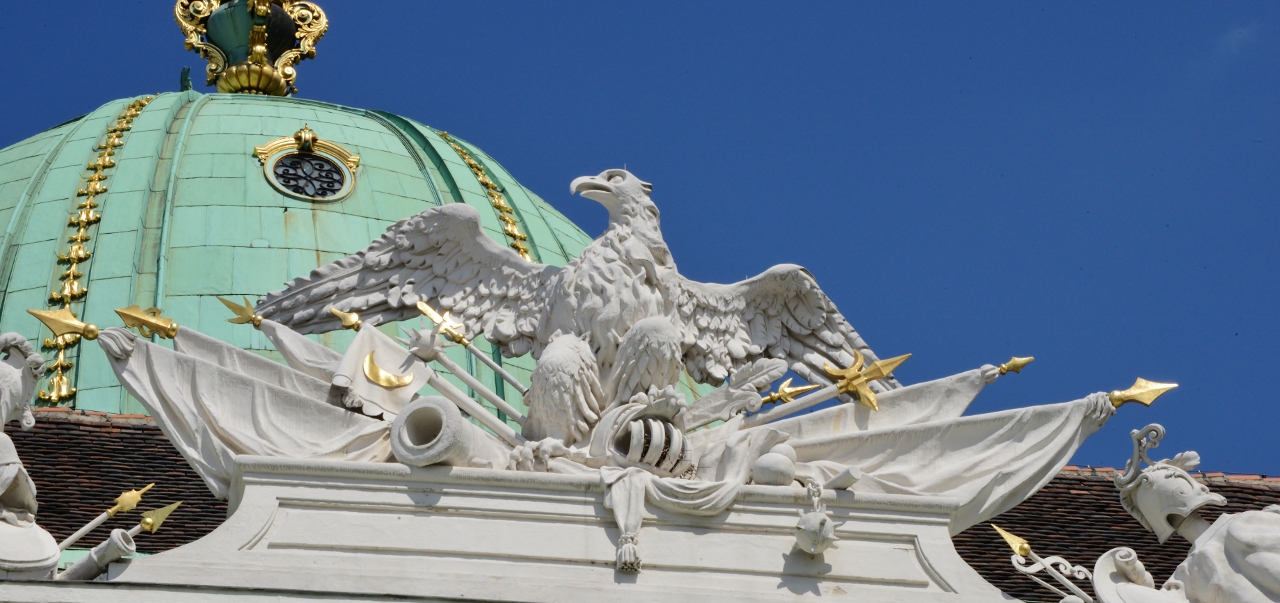
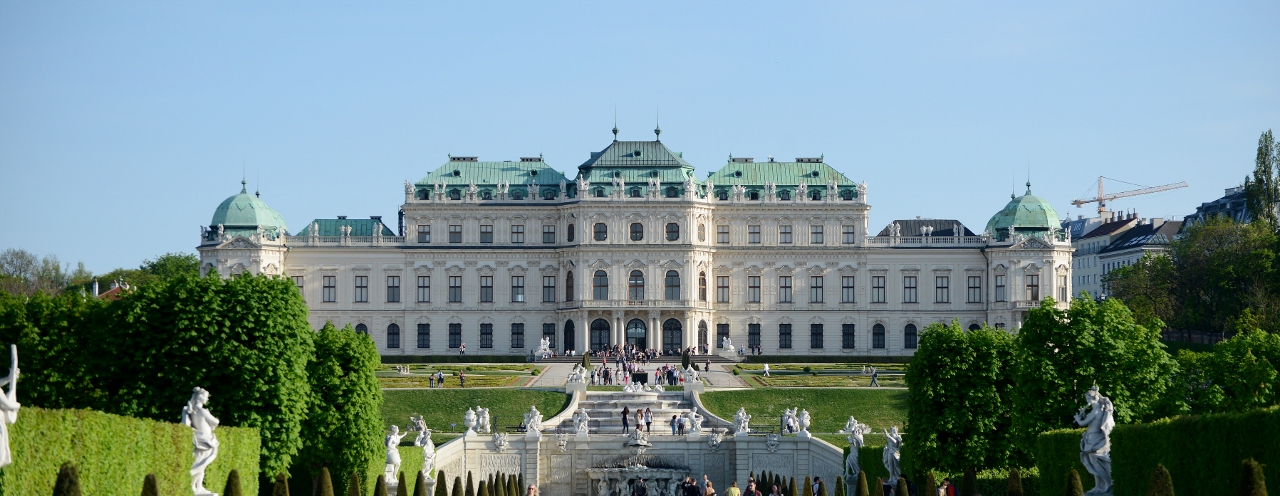
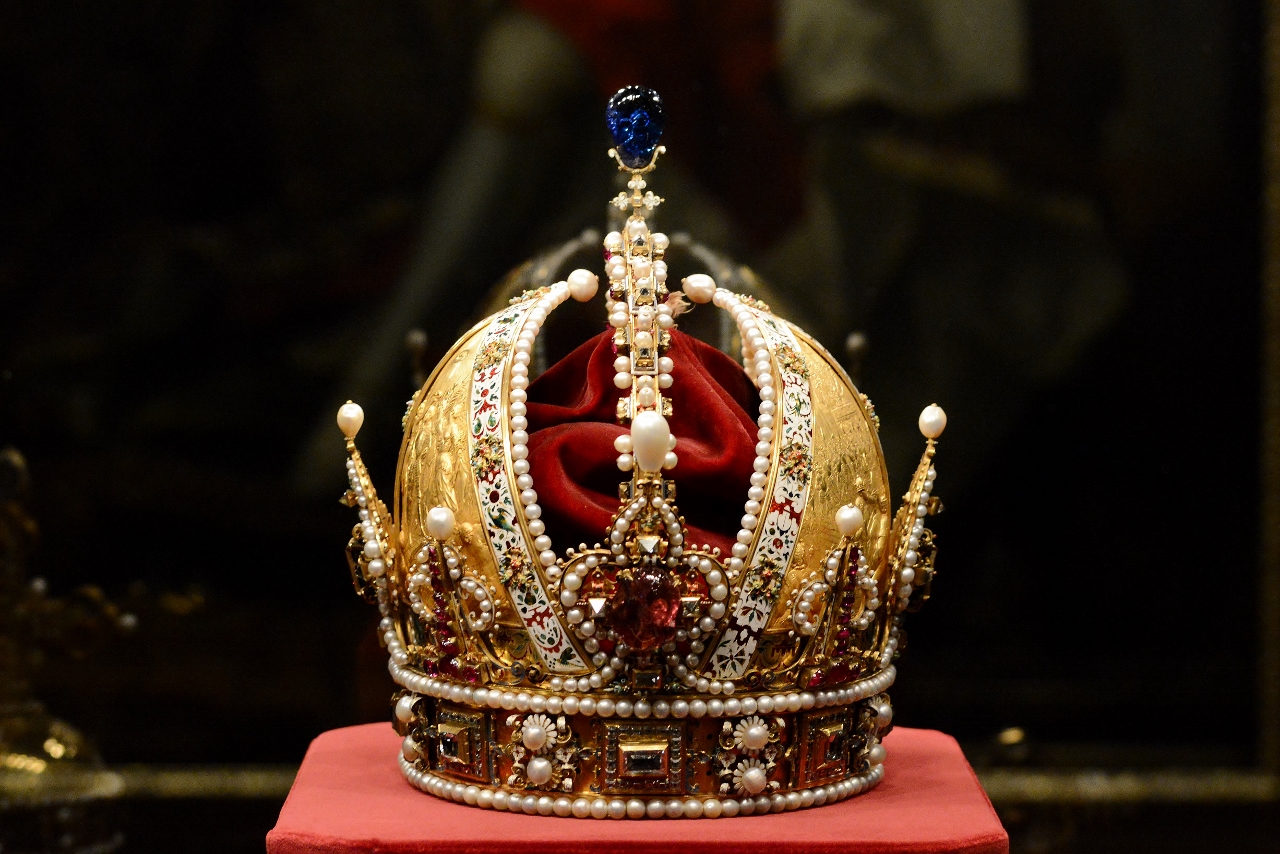
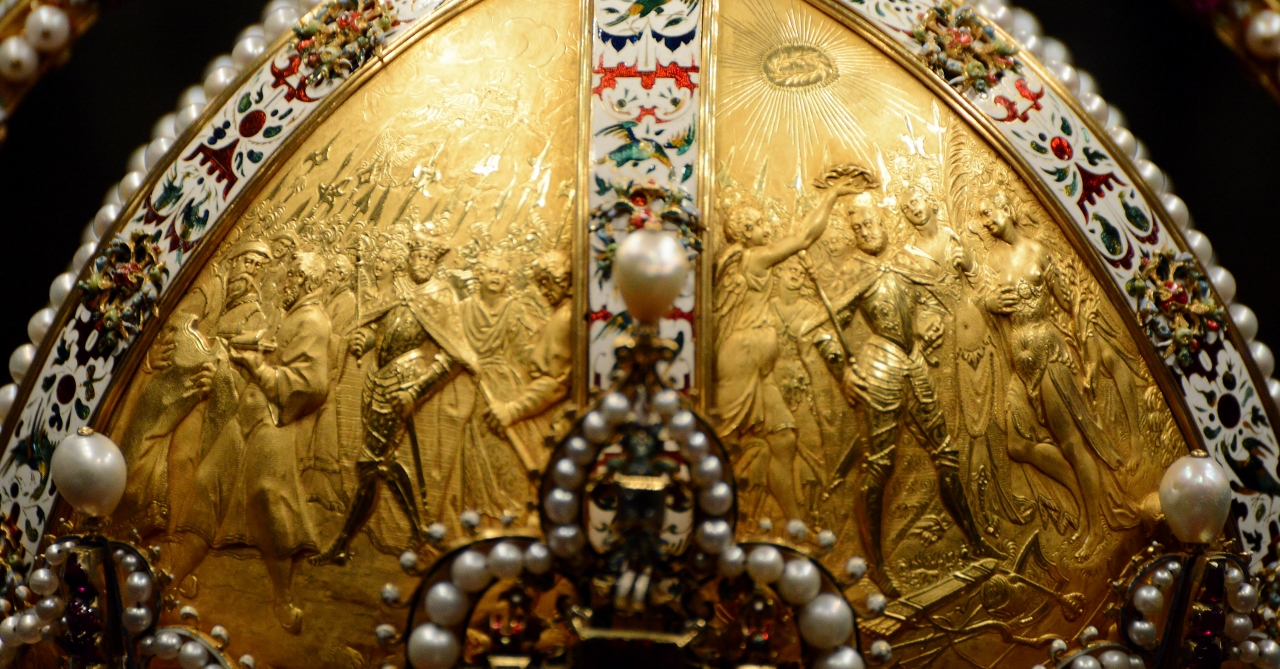
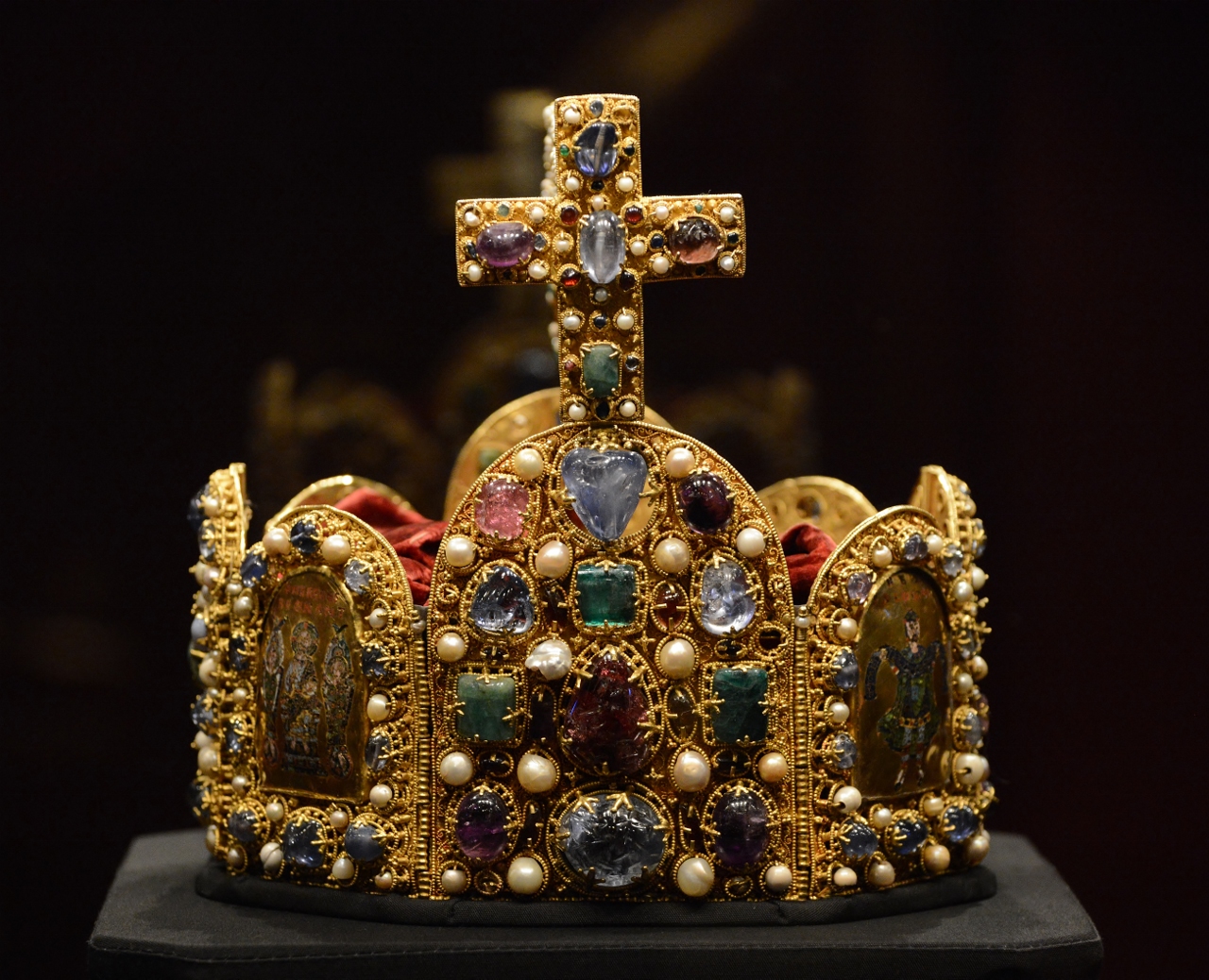
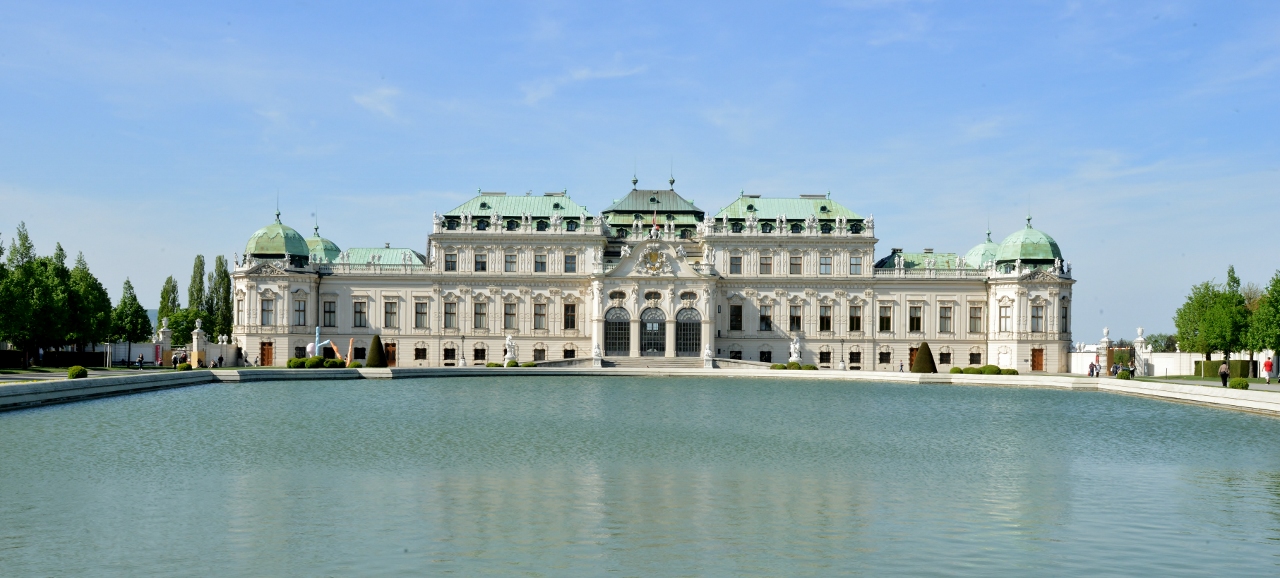
* Vienna is different because they have HUGE palaces. While it was the Austro-Hungarian Empire, the Austrians took the lead so the grand and insanely opulent palaces were in Vienna. We visited the Imperial Treasury filled with jewelry, crows, art, and other very valuable items and it was awesome!
* Budapest was the seat of the Hungarian royalty but didn’t see a lot of activity or construction until the late 1800s to the early 1900s. So Budapest is kind of “new”. The Ottomans had conquered Budapest at one point and the Turkish bath culture stayed long after the Ottomans left. Hungary has had poor luck being an independent nation: as the Hungarians explain it, they wanted help from Austria to kick the Ottomans out and the Austrians graciously obliged. Unfortunately for the Hungarians, the Austrians chose to stay after they kicked the Ottomans out. After much turmoil, the Hungarian royalty tried to get equal footing with the Austrian royalty and that is why it took until the late 1800s for Budapest to be built up.
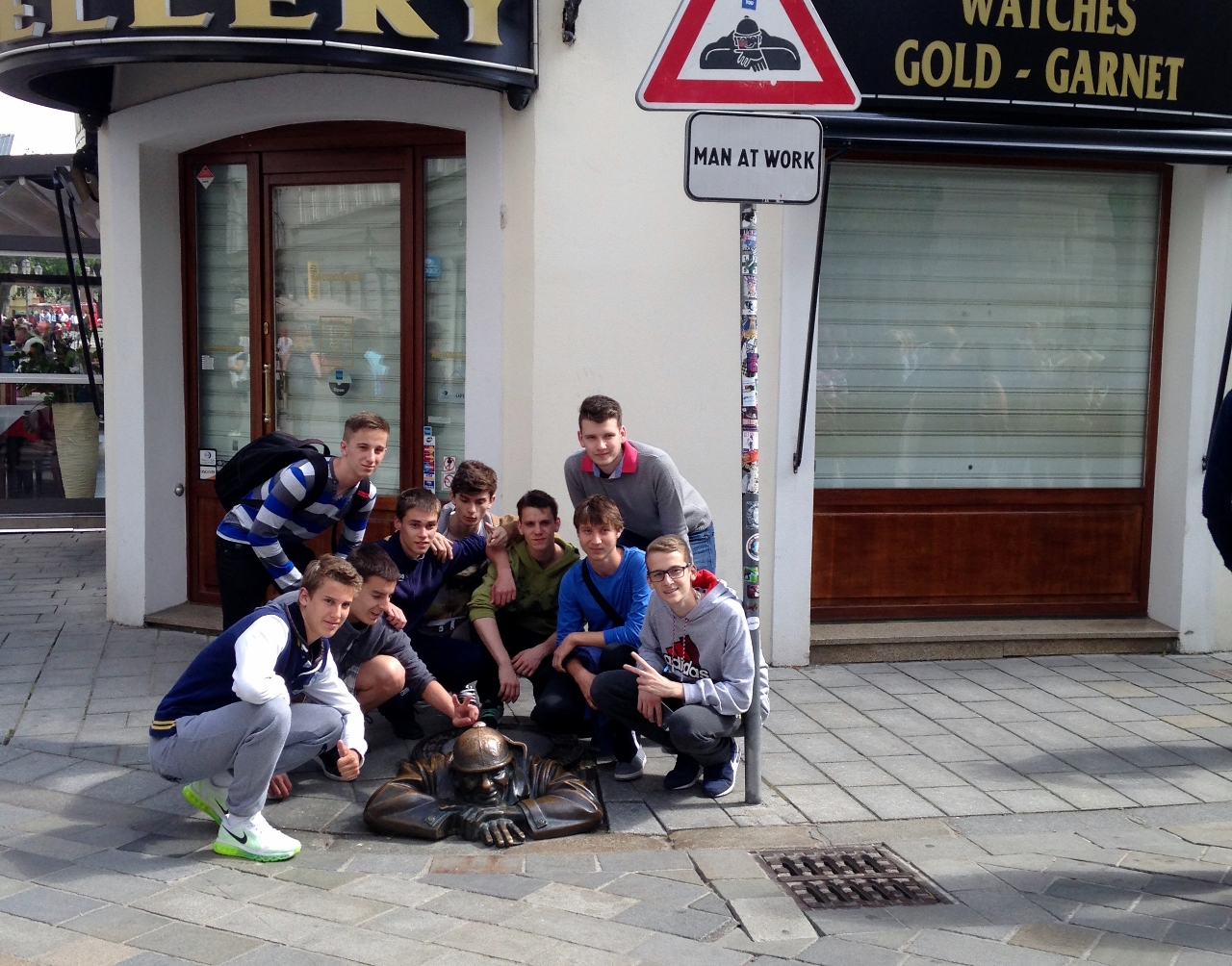
* Bratislava is tiny, super small, but still has all the marks of an important city. While Bratislava is in present day Slovakia, it was a VERY important city in the Hungarian Empire and many coronations for Hungarian royalty happened in the city. The castle in the city was super hard to conquer and even successfully stood against the Mongols and Napoleon.

I made a remark to a tour guide in Bratislava that Prague, Vienna, Budapest, and Bratislava are so similar. She replied, “Oh, but they are so different!” Well, sure, different, I guess. I can tell the cities and their culture’s apart as easily as I can guess which country an Asian person is from. So… I have no idea.

All joking aside, the biggest difference we felt was in our pocketbook. Bratislava and Budapest were relatively inexpensive. Food, lodging, and entertainment was all pretty cheap. Vienna, being in Austria and being part of “western Europe” for some time, was substantially more expensive in all regards. Besides money, there was another major difference I could tell: Vienna was packed full of tour groups and was loud, Bratislava was nearly empty, Budapest was super easy to get around and it wasn’t overrun by tourists. I actually wondered if Bratislava was “closed” but found out that it was open but not many people make the journey to Bratislava. It is a lot of fun to wander around the old streets and buildings in peace and quiet!

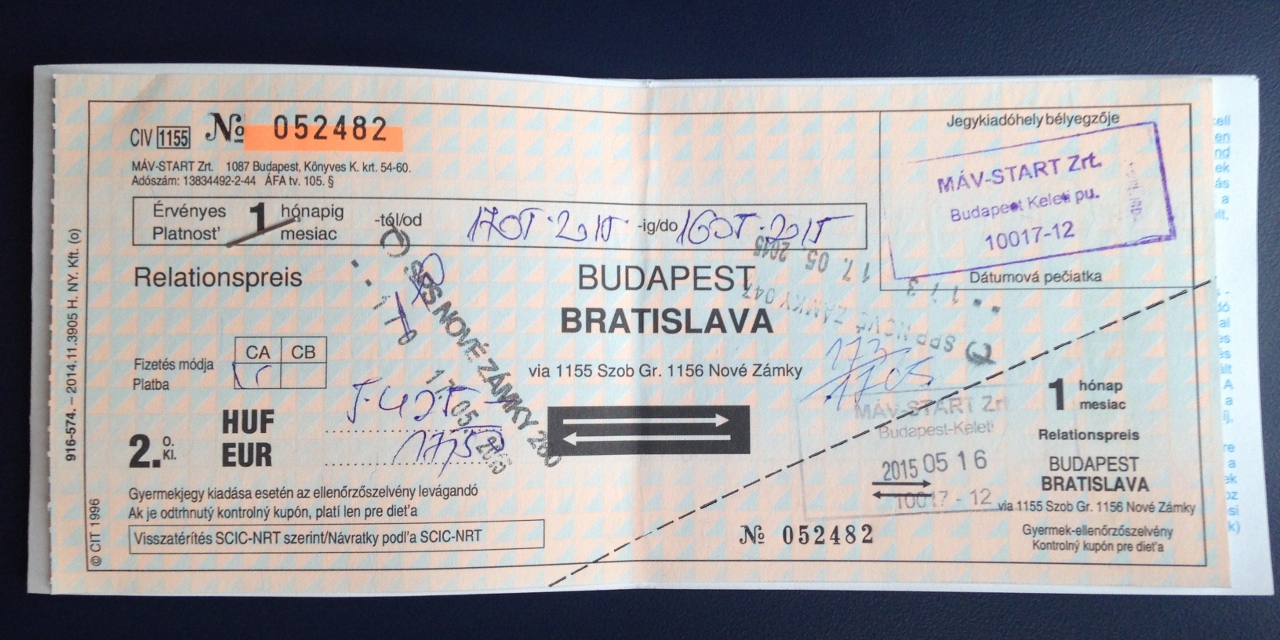
There is a hangover from communism. There are a lot of buildings around built in the communist block style but there’s also the mentality that lingers. Capitalism brought a very uneven change in people’s everyday life – some people’s lives changed for the very good and a lot of people’s lives changed for the worse. Employment was mandated under communism and there were generous benefits, like three weeks of vacation for everyone. The public infrastructure and housing are now very expensive and out of reach for many, many people. One person explained it as “back when we had communism, it used to cost the equivalent of one loaf of bread to go from my home village to Budapest by train. Now it costs 36”. The housing prices in Budapest are expensive for the locals, and from what I gathered, are similar to what the real estate prices would be in a mid-sized US city where a “good” wage for Budapest starts around $10,000 per year – well below the US minimum wage! Out in the countryside, the wages drop off and the unemployment rates skyrocket to 40%+. Slovakia suffers much the same problems. Even though it’s been over a generation since communism ended these countries are still trying to make capitalism work.

Fun fact, completely unrelated to our travel and it was something we learned outside of our travel: the Habsburg’s were one of the most, if not the most, inbred monarchy ever. Emperor Fernand I was pretty messed up from the inbreeding and one of the only recorded things of him vocalizing was “I am the Emperor, and I want dumplings!”

Overall, we thought the cities were fun to visit. It was nice to get our fill on Habsburg history :).

Enjoy the photos :).

Chris W.

Bosnia and Herzegovina 2015

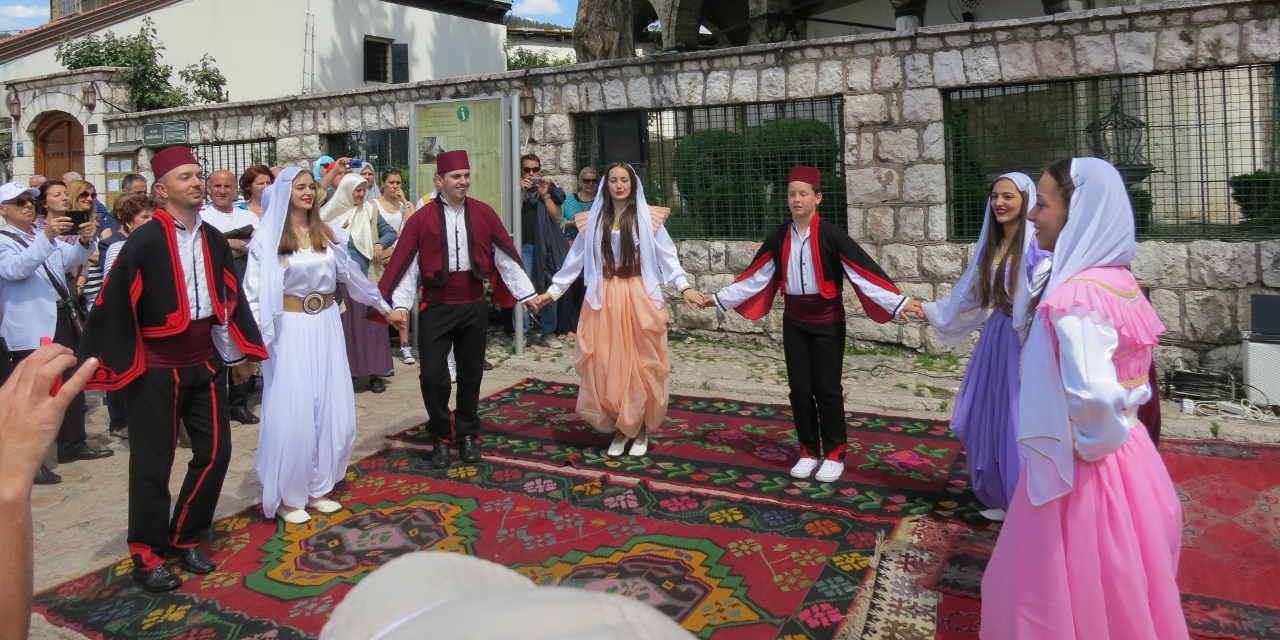
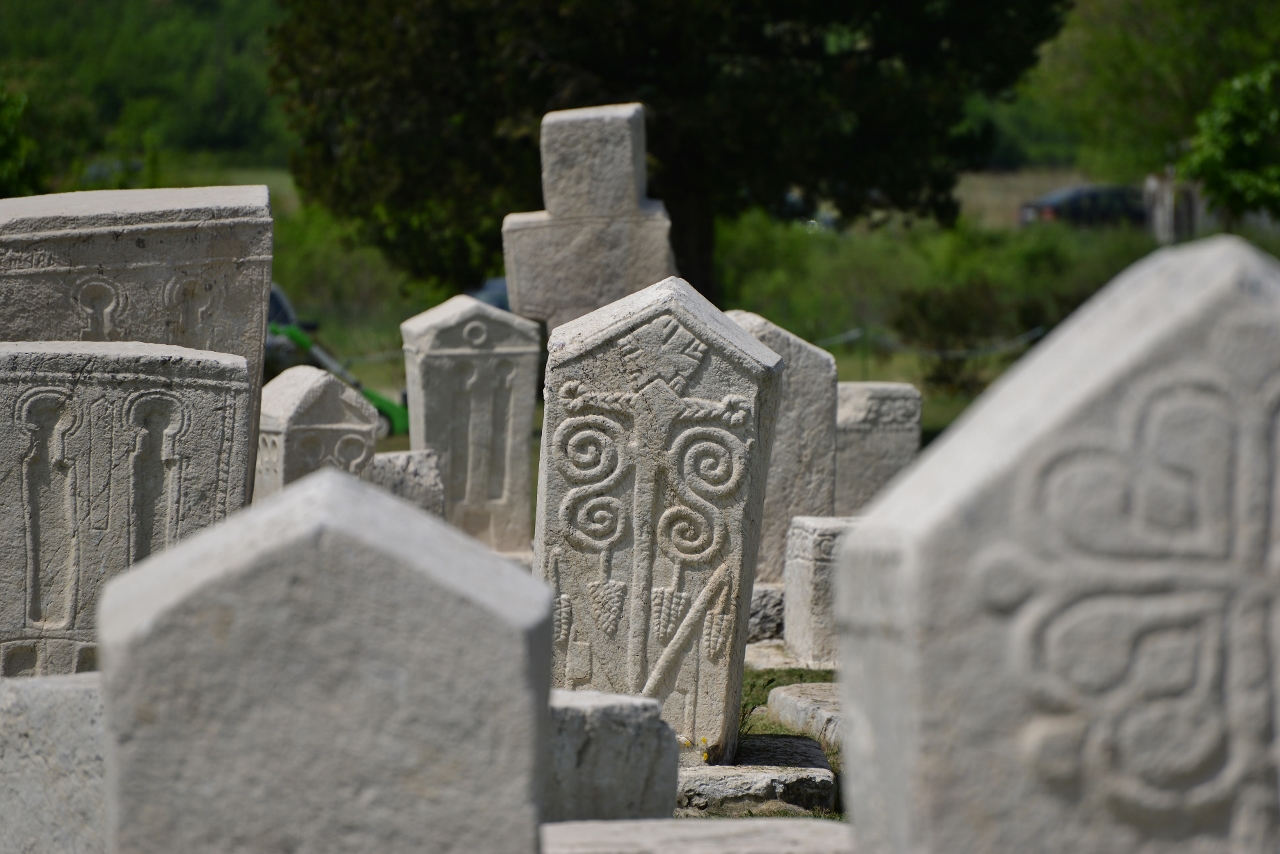
I’ve had a hard time writing about Bosnia and Herzegovina. It is a place unlike anywhere we’ve visited and it is a place nearly impossible to describe, much like Japan, but for very different reasons. So what I wrote is really long because I couldn’t figure out how to make it shorter; our time in Bosnia left quite the impression on us. If you don’t want to read everything here are the cliff notes: it was fun, we would go back, and Bosnia is a uniquely weird place.

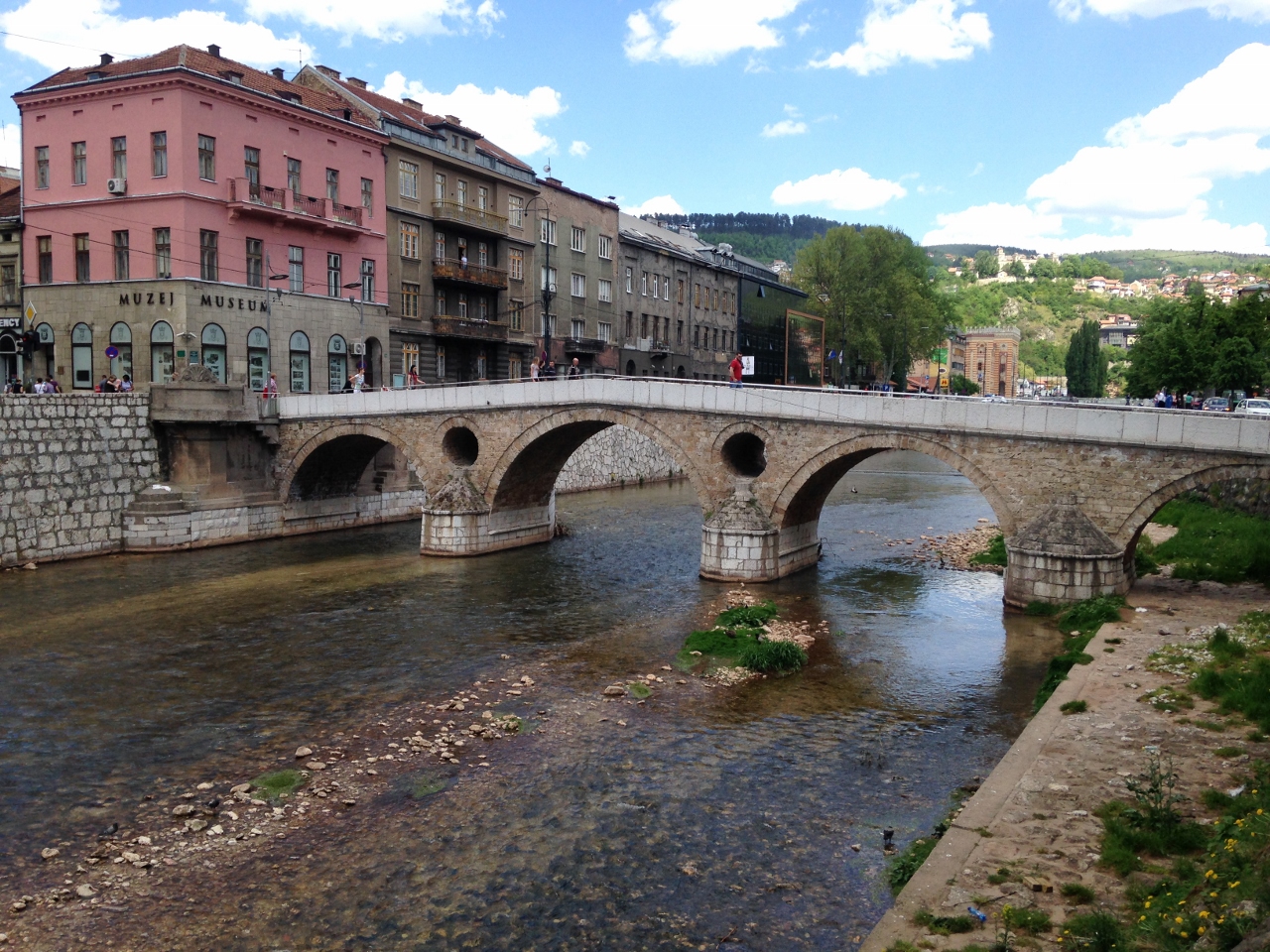
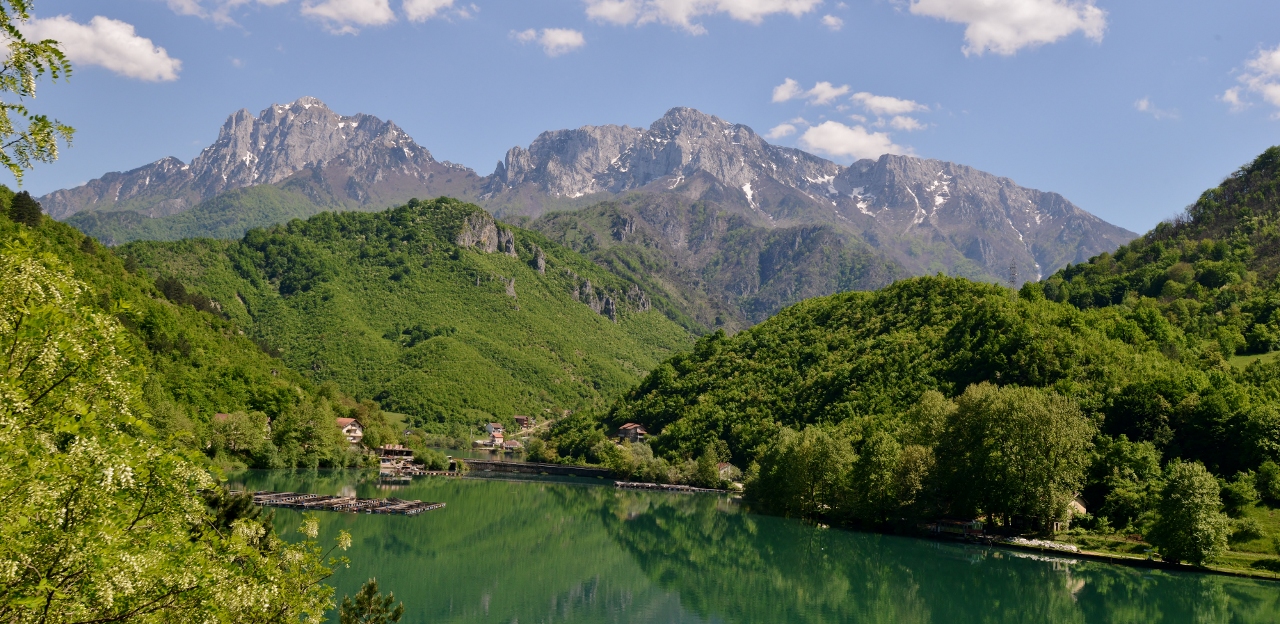
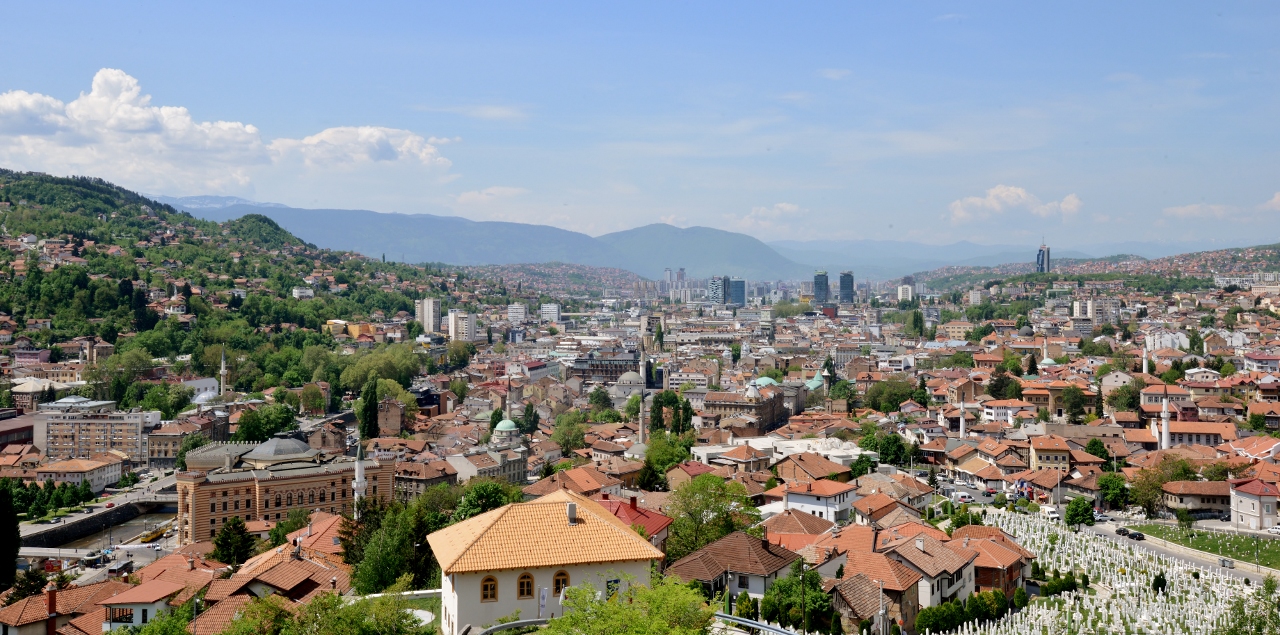
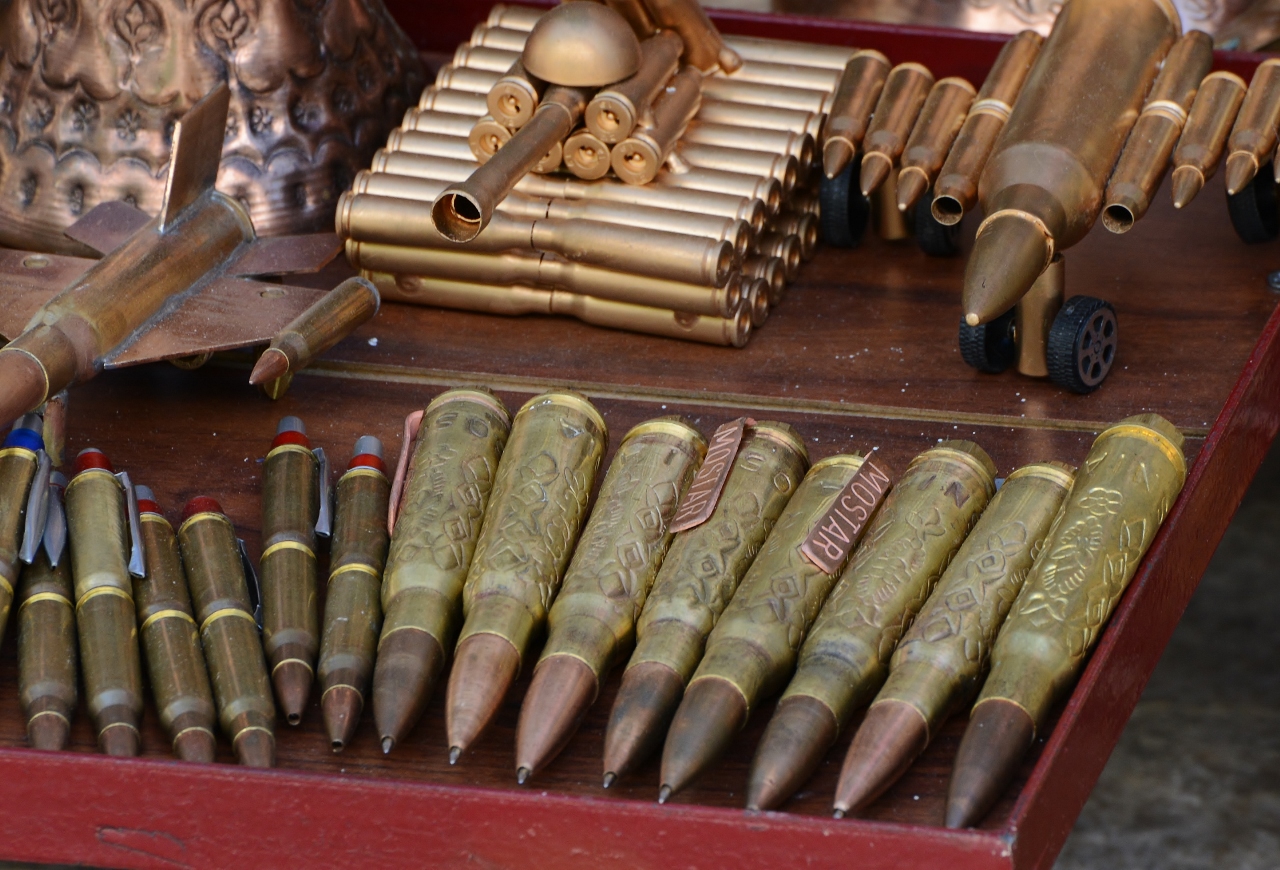
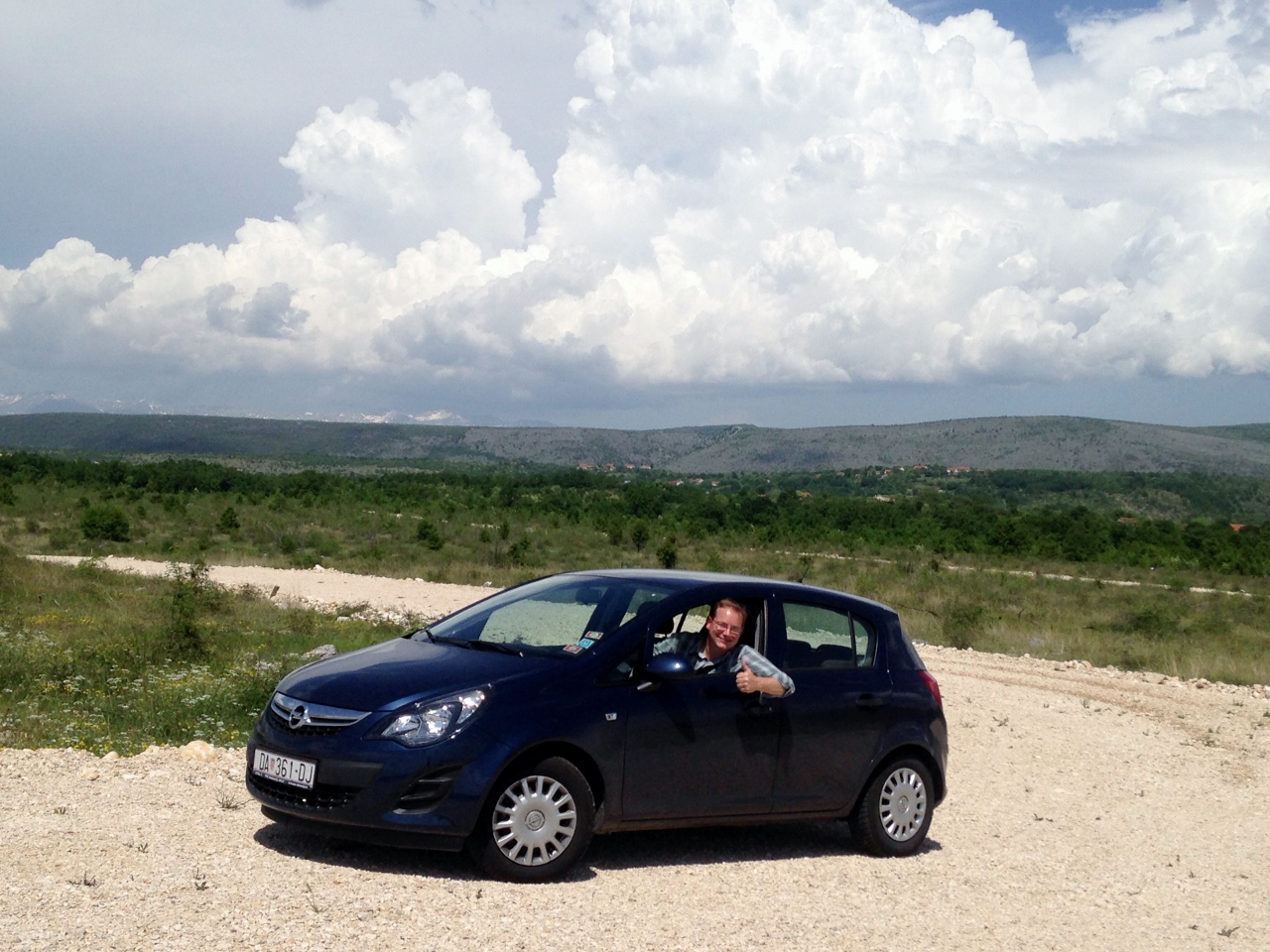
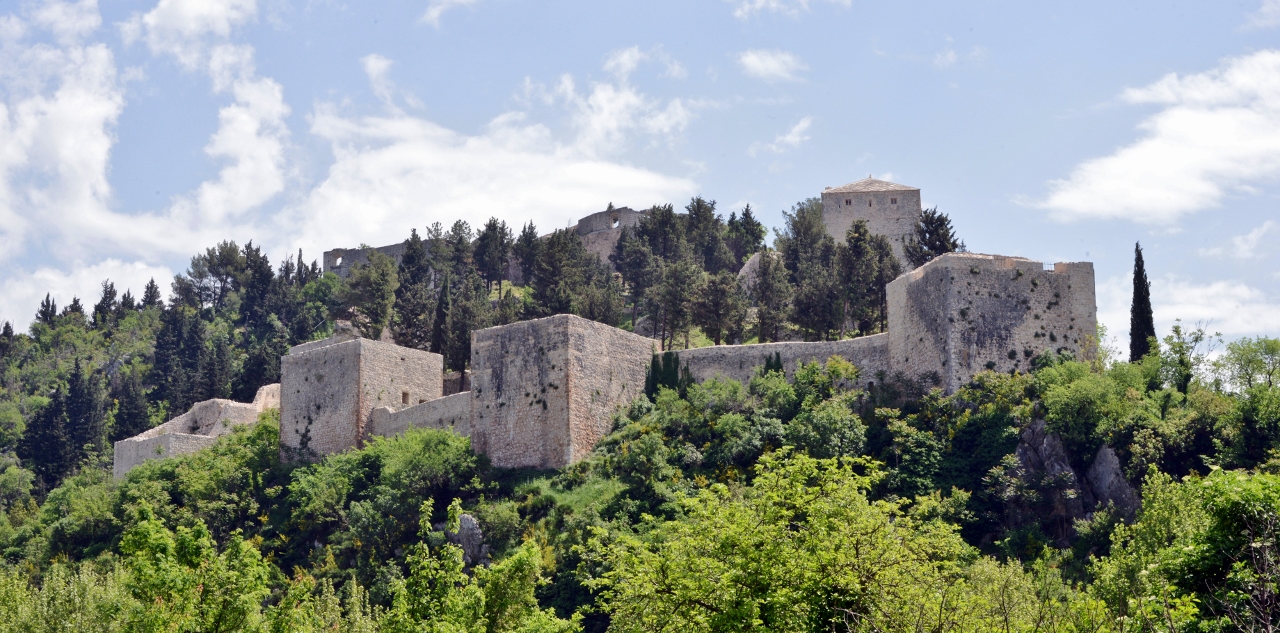
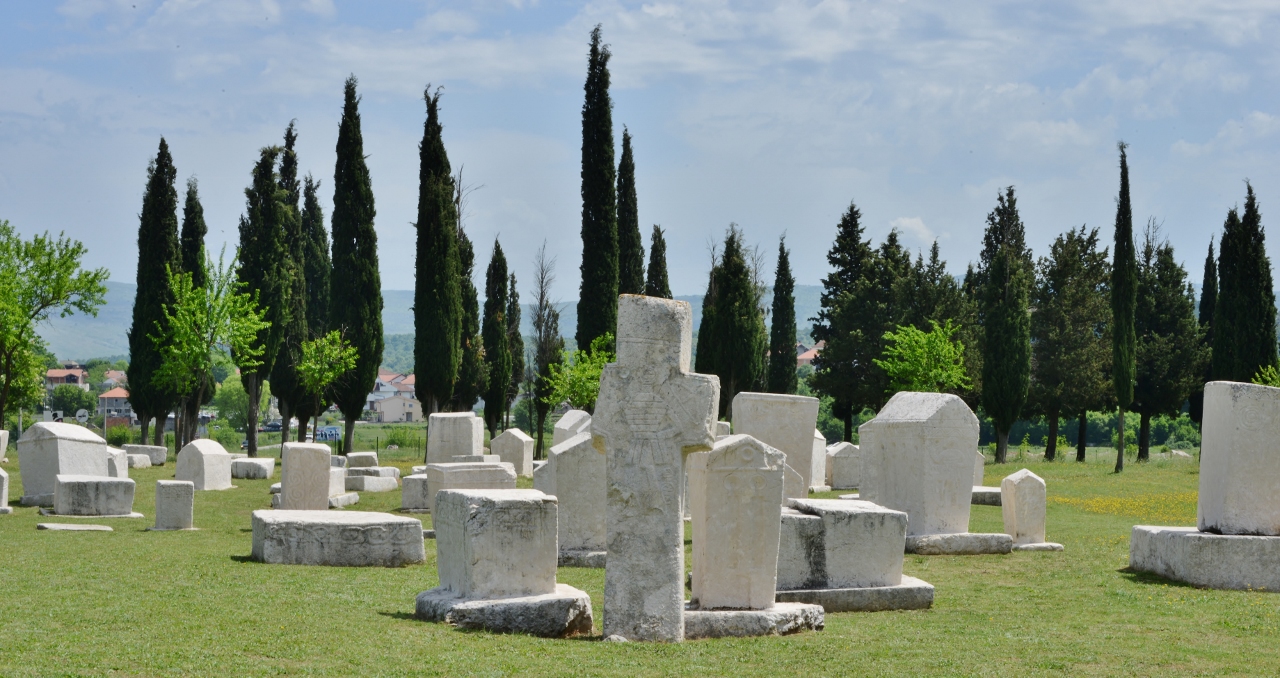
So I’ll start with the easiest part: We really didn’t know Bosnia had that much cool stuff to see. We were originally planning our trip through Croatia and we needed a way to get back to Zagreb, Croatia, to return our rental car so we thought we’d drive through Bosnia. As we were researching we kept finding more and more stuff to do. During our drive we were floored: Bosnia is beautiful, like gorgeous. We had no idea it was so mountainous and green. From what I’ve gathered, there really isn’t trekking or hiking culture / tourism in Bosnia which is really too bad because there were so many gorgeous places we visited where one could purposely get lost for weeks on end out in nature. It would be really neat to come back some day and spend time in the mountains disconnected from humanity. There is an Islamic influence throughout a large part of the country so Sarajevo feels like a mini-Istanbul (let me emphasize mini!) where there was the call to prayer and we were able to get the foods that we really enjoyed in Istanbul and other Muslim-majority countries we visited. There are really neat castles, settlements, and other important structures like the Mostar Bridge, littered throughout the country so even driving from one major city to another was broken up by short stopovers at cool sights. So much of the country was beautiful and fun to visit.

The price is right for tourism. Food, lodging, and other tourist activities are cheap in Bosnia, almost similar to what we paid in Cambodia, Thailand, and Vietnam but Bosnia is far easier to reach than South East Asia. The yearly wage for the average Bosnian is less than half of the US minimum wage and there is over 40% unemployment. The low wages make tourist money go really far. A very filling meal for two could be bought for $8-$10, drinks included, and admission to tourist places is generally a buck or two. While there is a tourism industry in Bosnia it’s pretty well relegated to the major cities. It was a bit harder to get along in the countryside as we met fewer people who spoke English and quick serve restaurants were far and few inbetween.

We used Airbnb exclusively and we found amazing hosts on accident. This was the next-level type hosting we found in Japan. Our hosts were genuinely concerned for our wellbeing and wanted us to be happy in every way possible. In particular, two hosts stood out – they were around our age and they spent a non-trivial amount of time with us showing their city and sharing their stories of growing up, what the current life is like, and what they think the future holds for the country. These were amazing experiences we were not expecting; this type of experience has happened so infrequently during our travel that it will forever stand out. Our hosts were even concerned for our belongings. In Sarajevo, our host told us “I’m not saying your car stereo is going to get stolen but it might” so we paid for secure parking smile emoticon.

The next easiest thing would be the history. Bosnia has been an area conquered and reconquered since antiquity. Fast forward to the Middle Ages and later where the area was predominantly Christian (Catholic and Orthodox) until the Ottomans rolled through and brought a lot of Muslims making Muslims the largest minority group with no majority group. Skip ahead through the two world wars and now Bosnia is part of Yugoslavia under Tito. The big cultural differences and any tensions are suppressed by the state so people live in peace because, well, they have to.

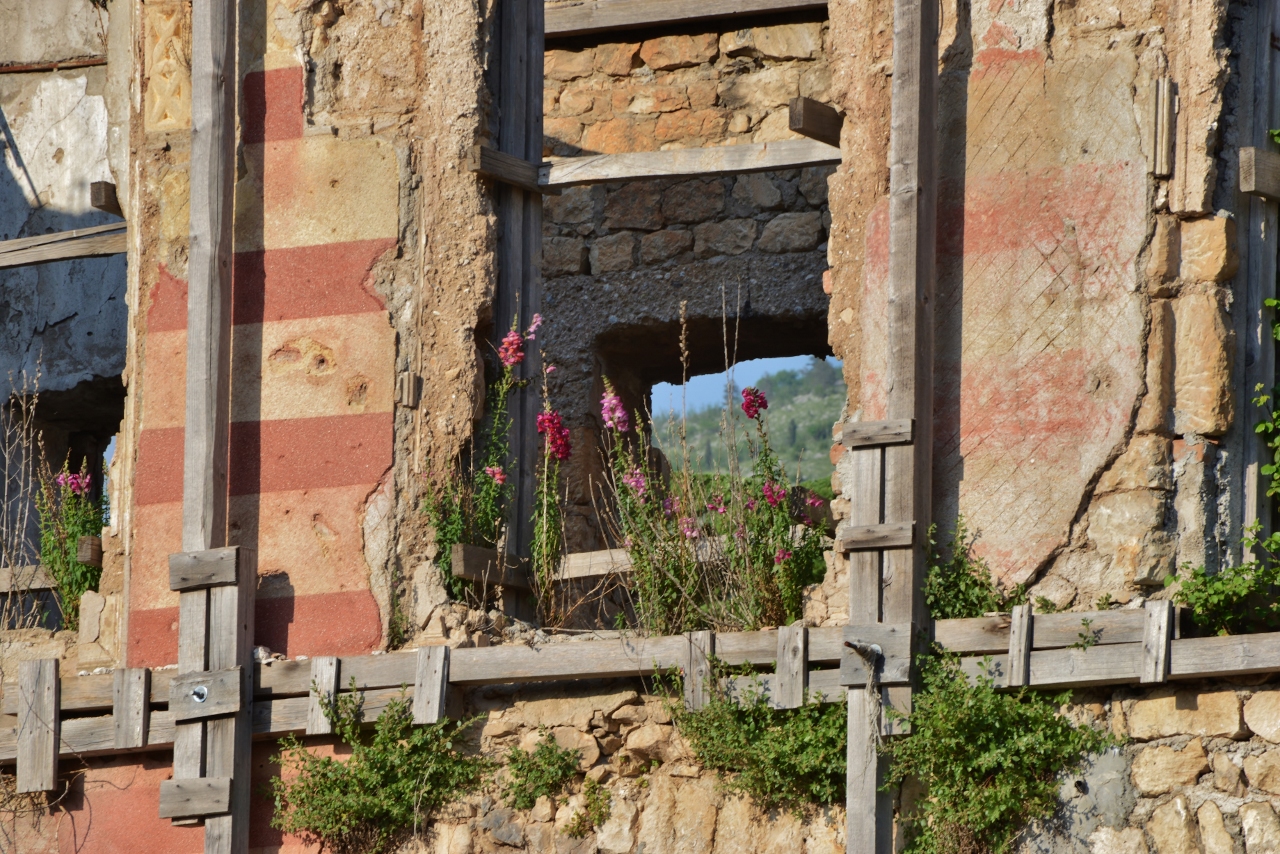
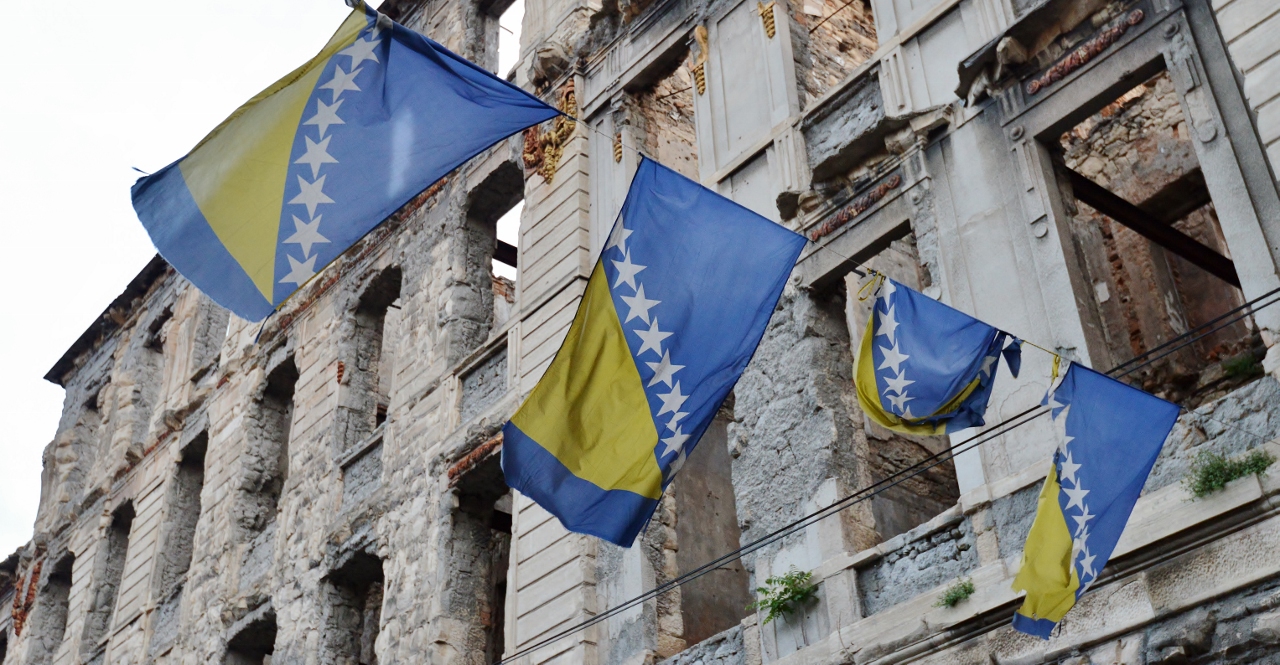
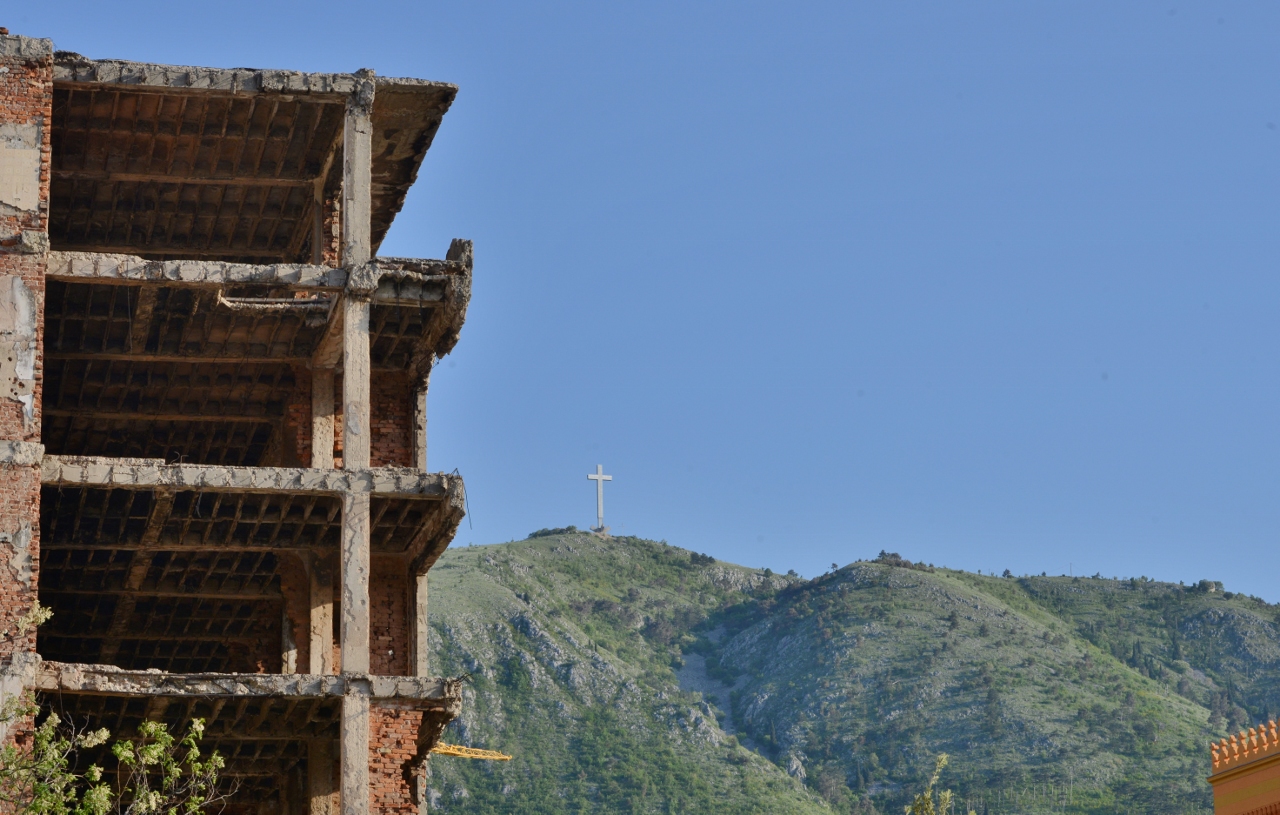
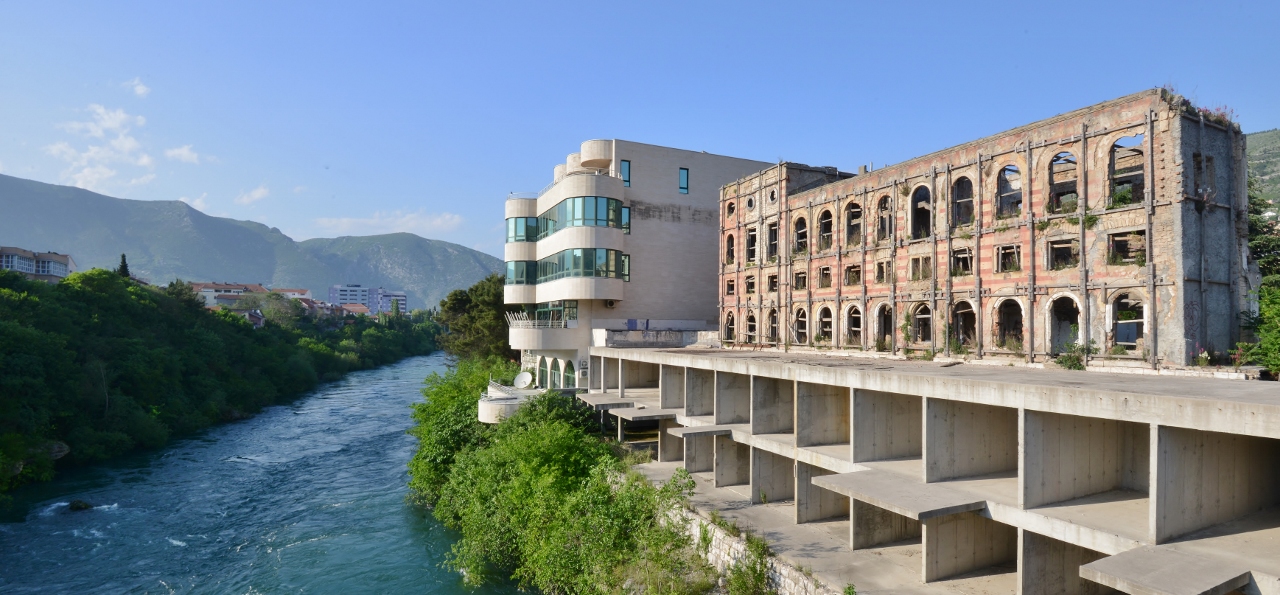
Now comes the harder parts to explain. After the fall of Yugoslavia in the early 90s there was a multiyear war and a lot of people died. The war was fought largely on religious and ethnic lines between the three major groups (Croat [Catholic], Bosniak [Muslim], Serb [Orthodox]) so multicultural cities, like Sarajevo and Mostar, were absolutely ravaged by the war. Neighbor turned against neighbor just because they prayed to a different god and/or had different lineage. The war seemed to make everyone go insane; on one extreme is the ethnic cleansing which occurred all over the country and another extreme is how one of the leading literary minds in the country before the war ordered the razing of the Sarajevo library destroying many very old and irreplaceable works of art. These were people living in peace under Tito and they all went insane, murderous, rampages once the oppressive and controlling government was gone. While the war is over, the scars of war are everywhere. From bombed out buildings all over Mostar to Sarajevo roses, the marks of war are impossible to miss. We thought we saw a lot of destruction and dilapidation when we were in Vietnam but we were unprepared for how much damage remains in Bosnia after nearly 20 years.

The outcome of the war brought a very weird government setup to appease the three different groups. Bosnia has: three prime ministers, three parliaments, three fairly autonomous regions, and separations like this all the way down to telecom providers and utilities. The US helped broker the peace and the creation of the unique government so the people living in Bosnia can give partial thanks to the US for their Frankenstein of a government. I asked a question to multiple people, “how do separate governments based on ethnic/religions lines promote unity between the three groups?” and no one really seemed to know but everyone was happy there wasn’t war. When discussing the government people would generally say things like, “it’s complicated”, “there is a lot of government”, and “it is not easy to get things done”, simply because they have different governments for different groups living in the same region.

The hardest thing to explain, which leaves it’s imprint everywhere in the country, is just how different the groups are and how that makes Bosnia uniquely different than anywhere else we’ve visited. We have been to many countries with different ethnic groups and the US is very diverse. Bosnia is different. Very different. Yes, technically, it’s one country but it’s still very separate in a lot of ways. The example that maybe easily describes the WTFness of Bosnia is how the country goes about supporting their country’s soccer team. There is a Bosnian soccer team and much like anywhere else a lot of the citizens cheer for their national team, and, much like anywhere else, soccer riots can happen due to the zealousness of the supporters. What’s really unique about Bosnia is how a soccer riot can start during a Brazilian / Croatian soccer match in the little city of Mostar. What do the Brazilians have to do with the soccer riots? Not much, to my knowledge there are few to no Brazilians in Mostar, the game wasn’t held in Mostar so Brazilians weren’t the ones starting the riots. The riot happened between two of three major ethnic/religious groups where one group was cheering zealously for the Brazilians to beat the Croation team and the other group was supporting zealously supporting their ancestral home team so naturally (I guess?) a soccer riot breaks out.

American culture like music, movies, brands and such are pervasive all over the world and Bosnia is no different. It’s always been neat to drive around in another country and hear a similar top 10 to the United States. We can be far away and still have a flavor of home. The odd exception to this is when we were driving around Bosnia, in the midst of war ruins, listening to the Beach Boys sing about good times and Kokomo. It was hard to wrap my head around it and it was a big WTF moment for me.

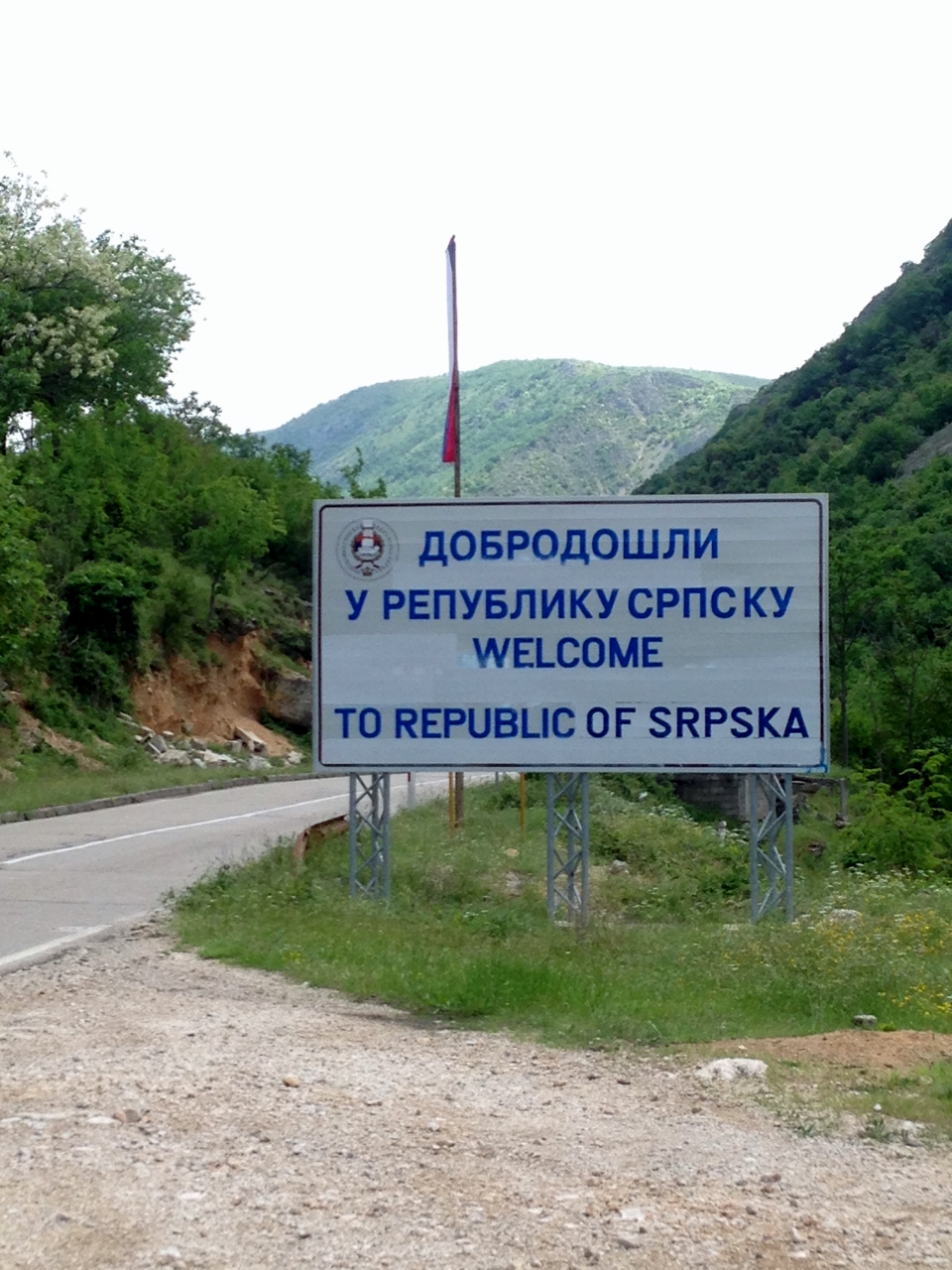
We drove through two of the three semi-autonomous regions of the country and it was super easy to discern the differences. Remember: I grew up in South Dakota. We thought Minnesotans, North Dakotans, Wyomingians, and Nebraskans were all very different. If the differences I felt in South Dakota were on a color spectrum it’d be comparing light blue to slightly lighter blue and trying to exaggerate the differences. The differences we felt in Bosnia between the regions were like comparing blue to red, very different, no exaggeration needed. It was like we went to different countries far apart but really we drove a half hour. It was pretty cool experience and something we haven’t really experienced anywhere else.

So that’s Bosnia based on our experiences. It was a truly remarkable place. We had such a good time, we’d love to go back and explore more of the country.

Enjoy the photos!

Chris W.

Montenegro 2015

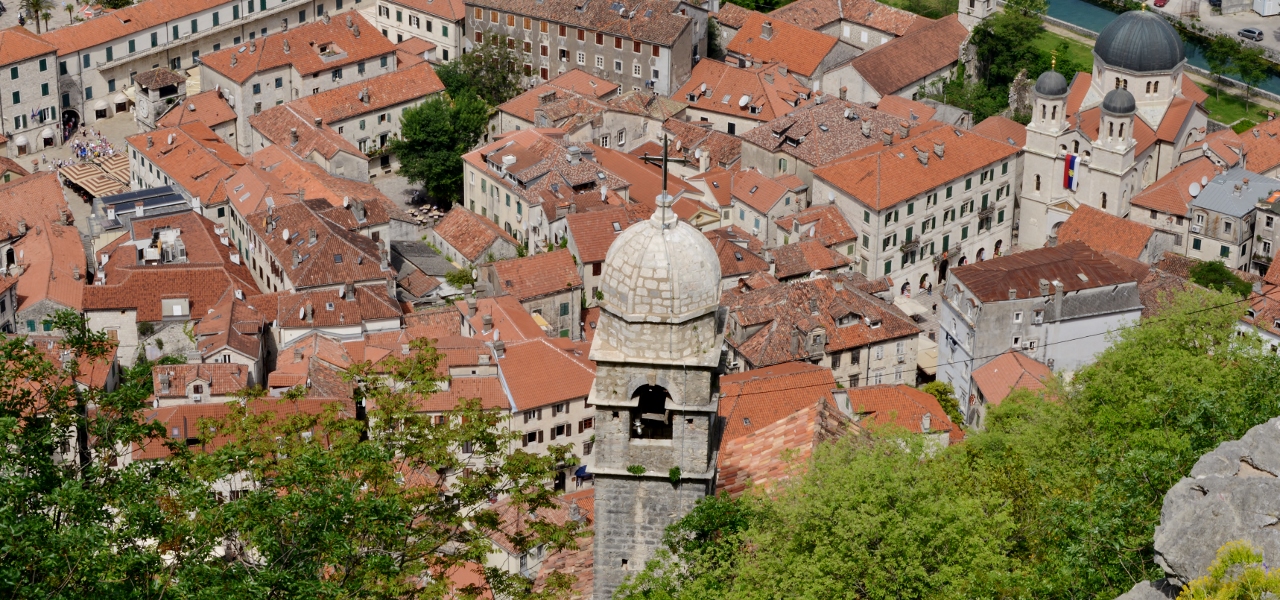
Montenegro was spectacular! We only had a few days in the country so we didn’t see much. The parts we did see were amazing! The scenery is unlike anything we’ve seen before and we thoroughly enjoyed our time.

Montenegro is a new-ish nation after gaining full independence in 2006 from Serbia. Prior to about a month ago, if someone asked me to locate Montenegro on the map I’m pretty sure I would have looked very hard at Africa. While we were planning our trip through the Balkans I happened to see a recommendation for a day trip into Montenegro from Croatia because “it is close and worth it”. After reading this advice and learning where Montenegro was located, we decided to stop for a few days in Kotor, Montenegro.

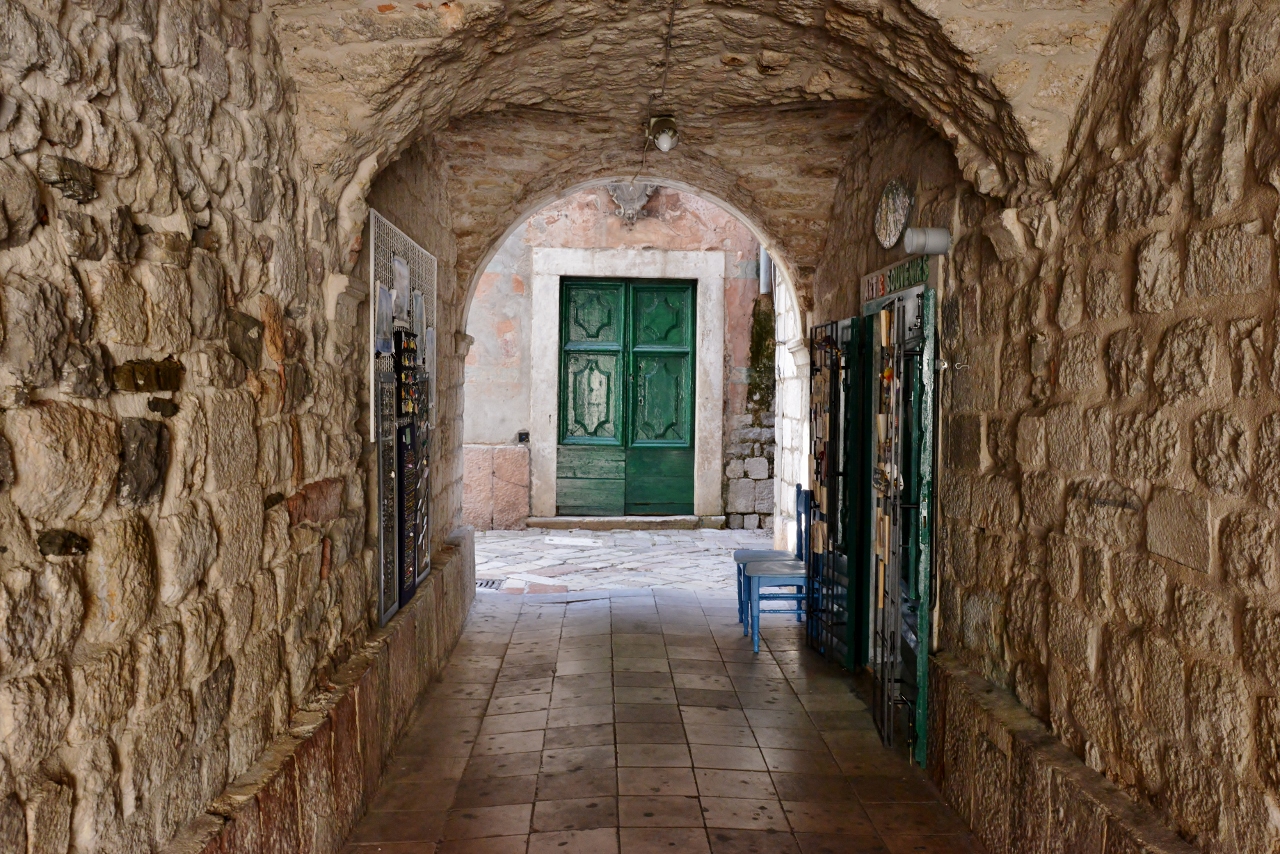
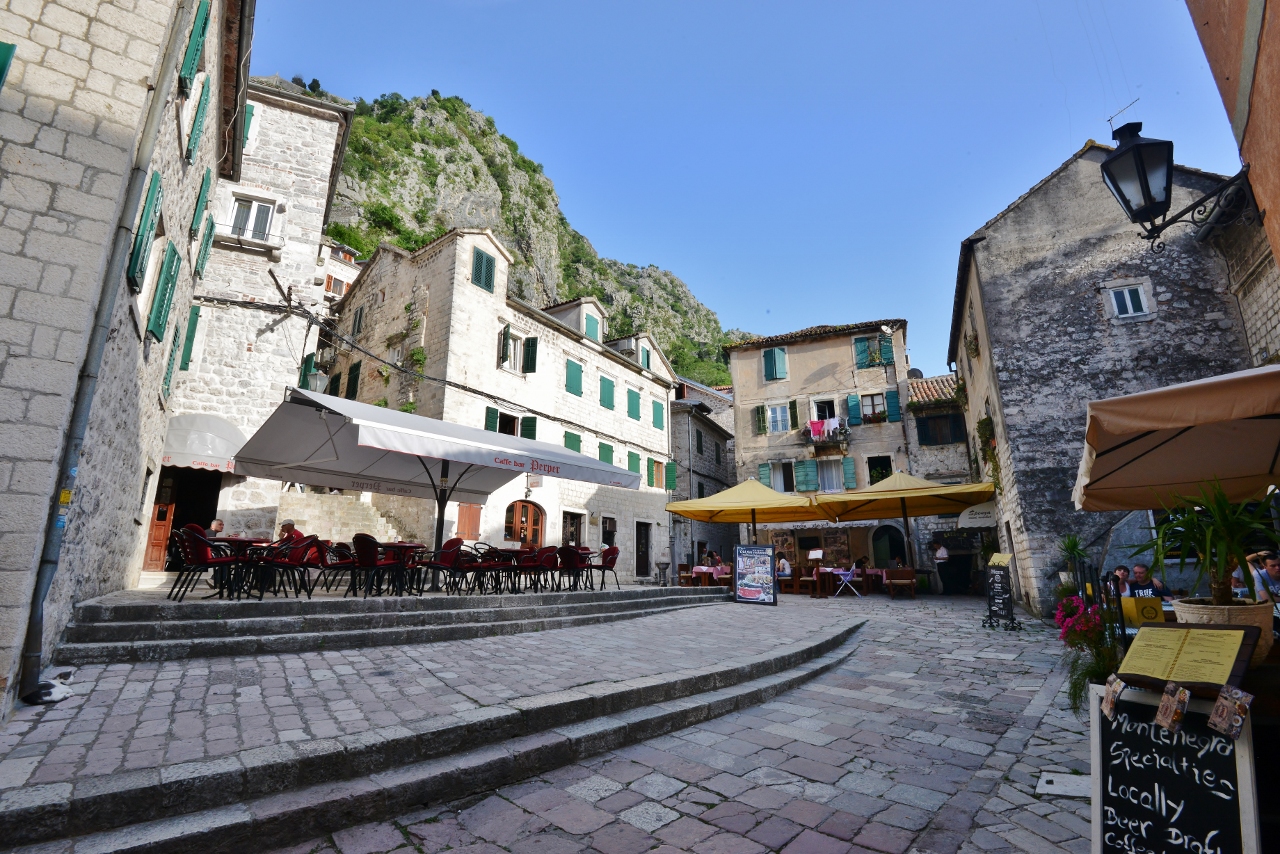
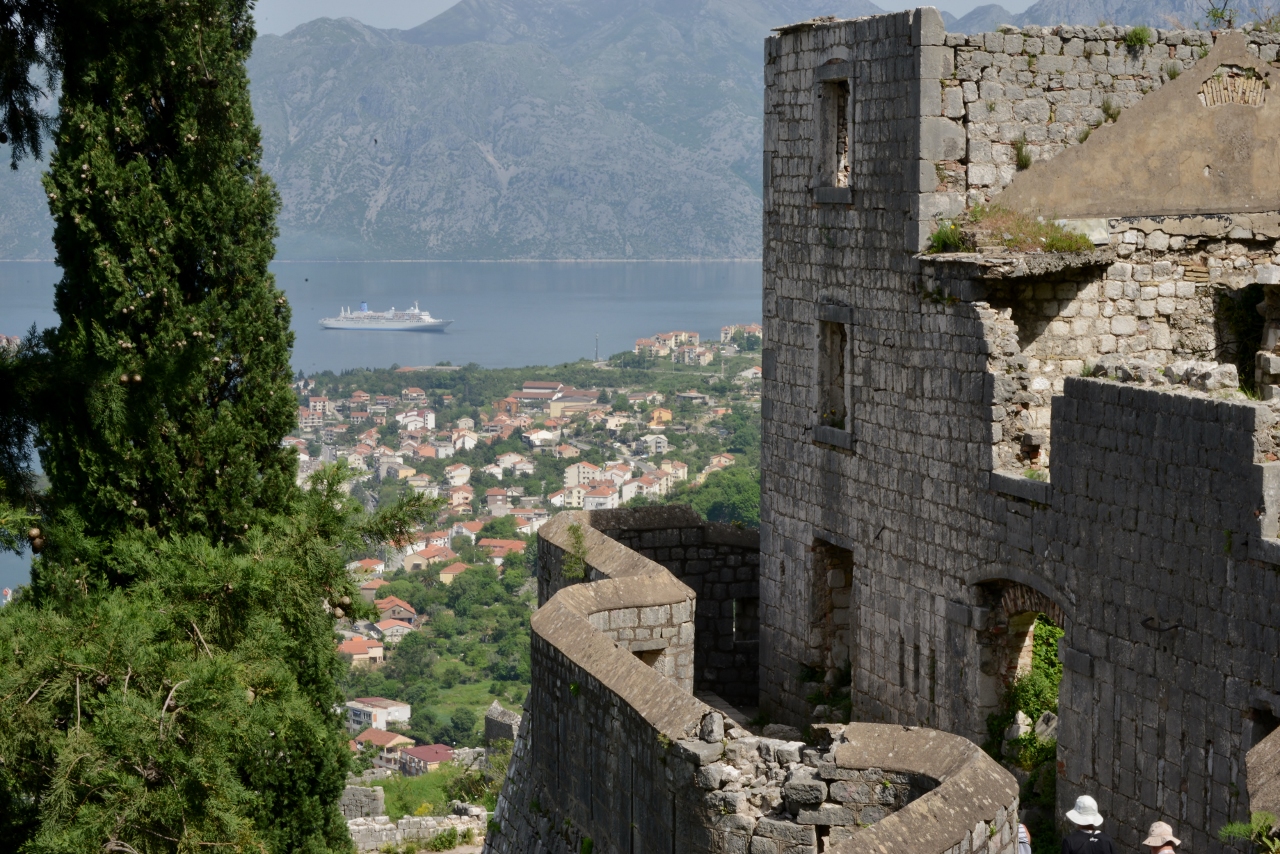
Once we left Croatia it was clear we were in an area where road rules were more suggestions than anything else. We saw stoplights but we didn’t see any in use so crossing someone’s right of way in an intersection was sometimes a rather hairy experience. Besides driving, the feel is very similar to everything else we had experienced on the Dalmatian Coast and the food was similar too. The city was built in Roman times and then it was a very important Venetian city for trade. The Venetian Republic’s emblem, the lion with wings, can be found in multiple places around the city and in the city walls. The old town itself is tiny and pretty much has no straight streets. The old town had a super-chill feeling to it and there weren’t mobs of tourists like what we saw in Dubrovnik. On our last day, four cruise ships showed up and the town still didn’t feel like it was too crowded.

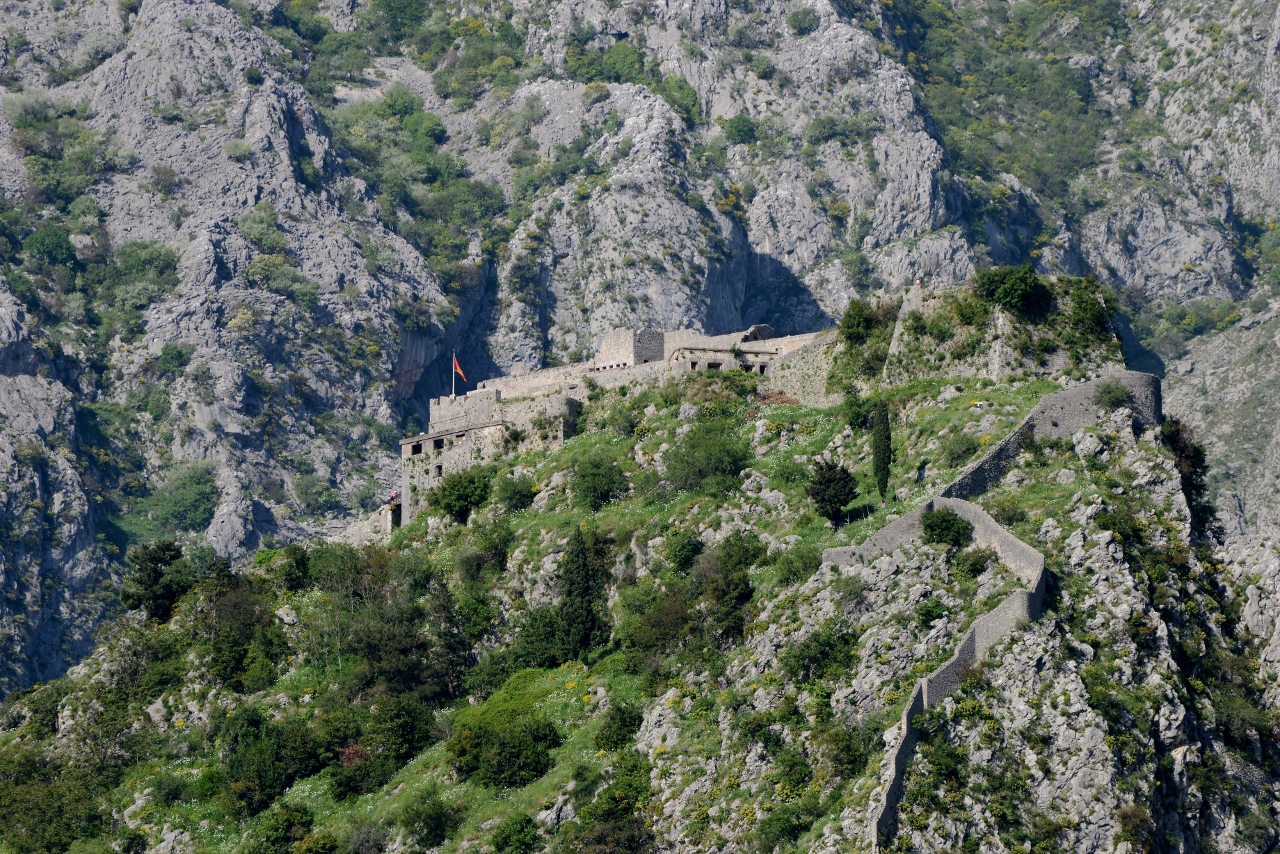
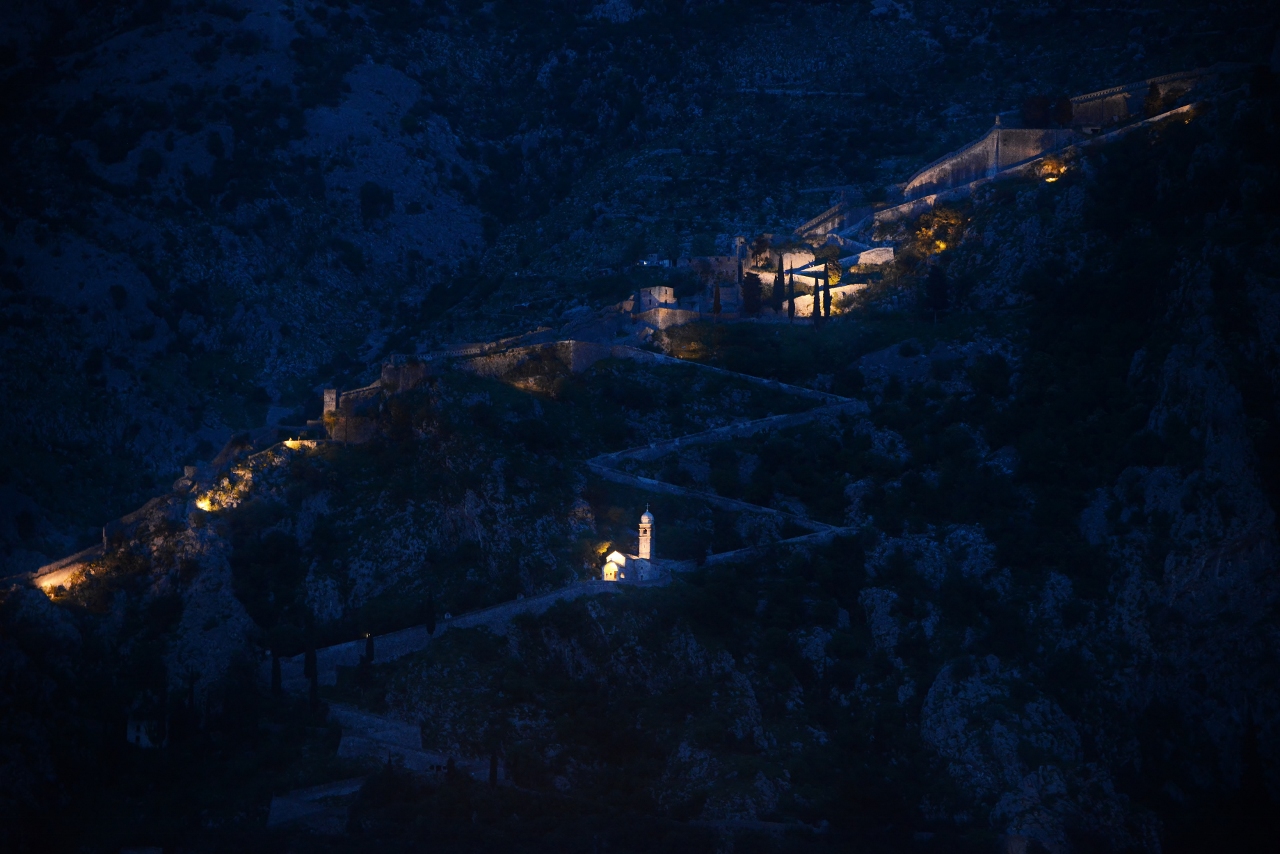
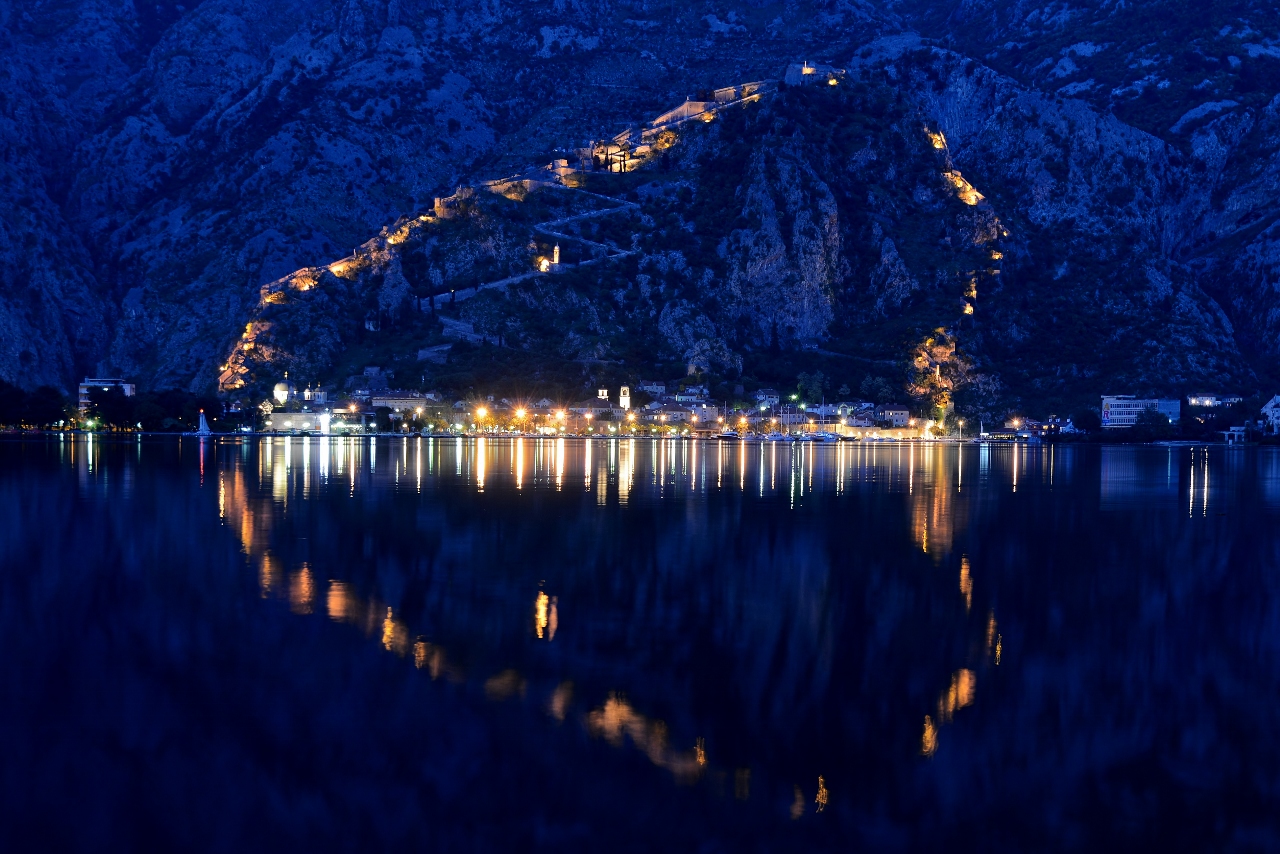
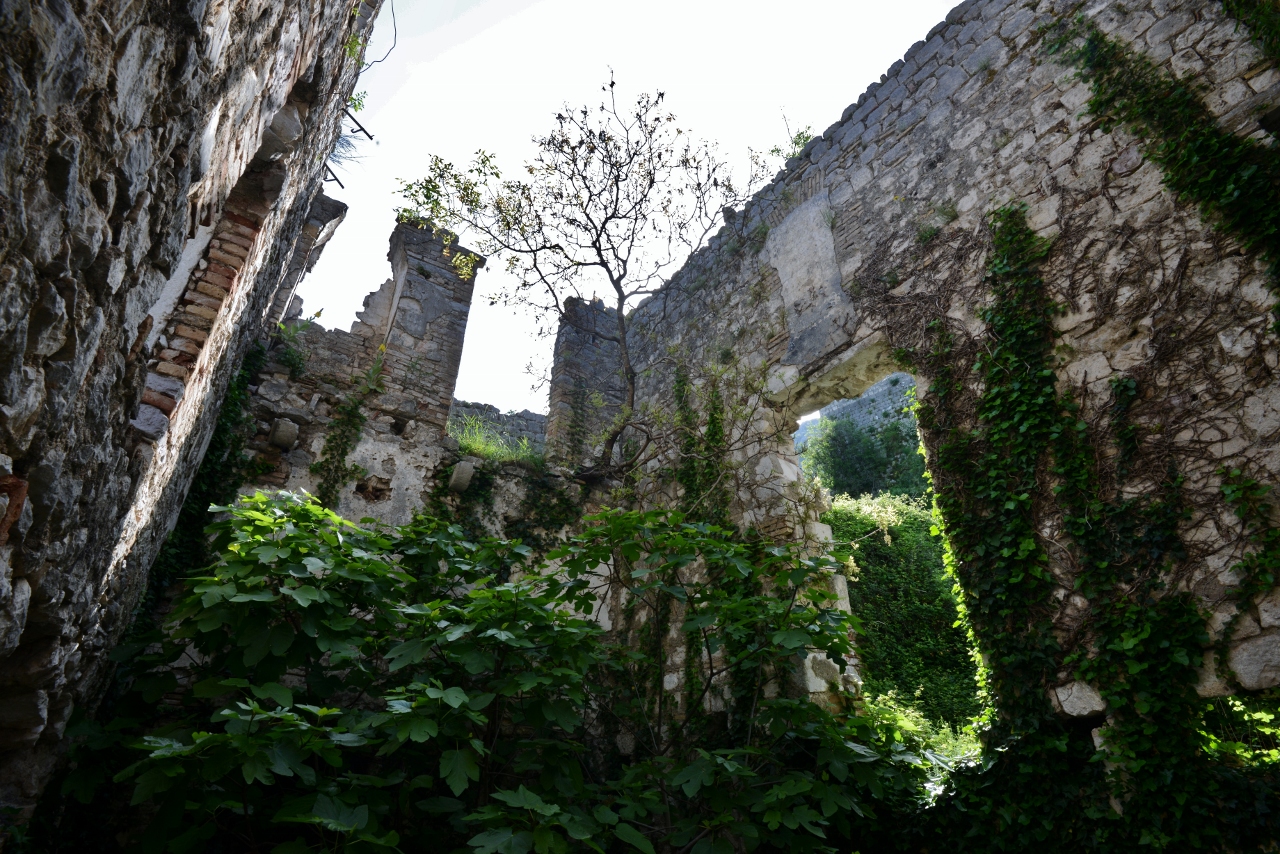
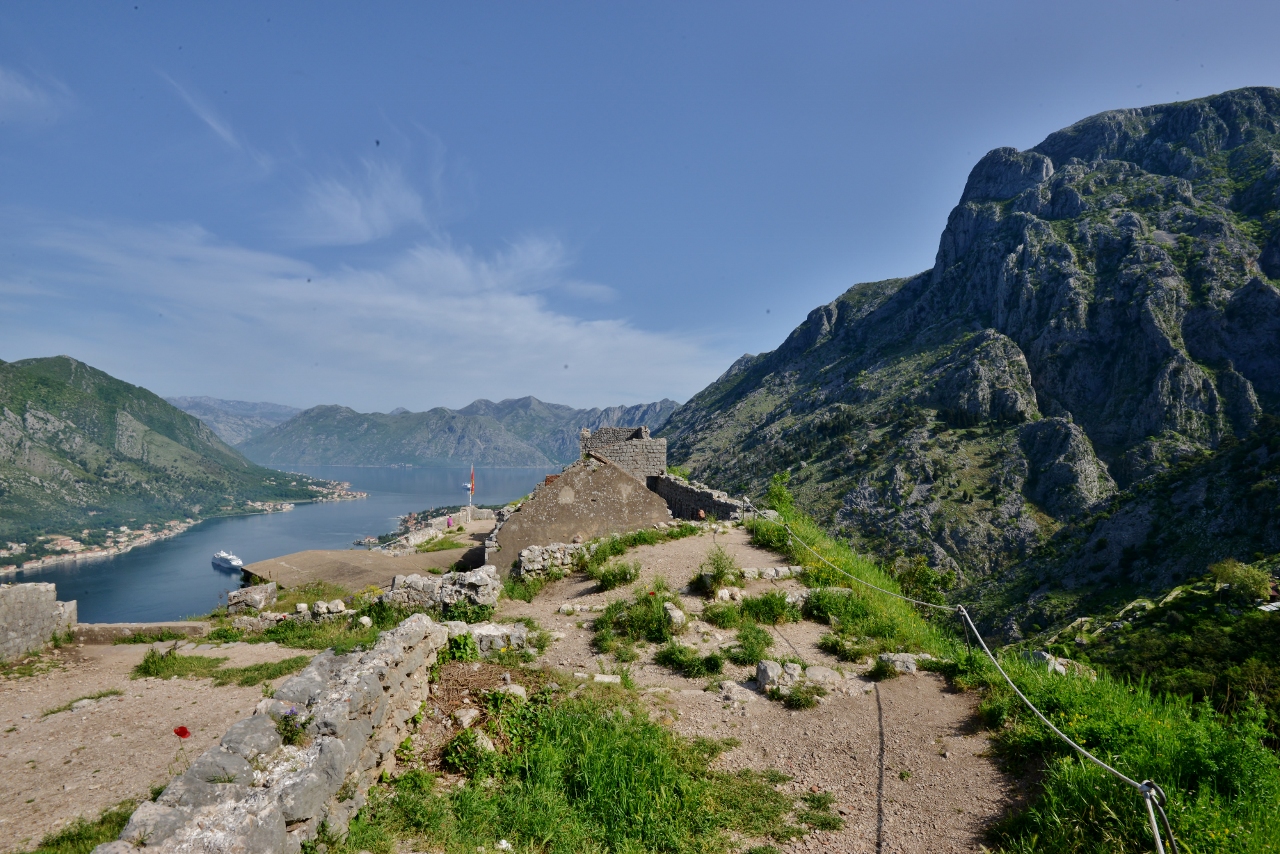
There are some large walls protecting the city and they go up the mountainside behind the city. I hiked up to the top and enjoyed a great view. In Kotor, the city walls are not refurbished so there’s quite a few areas with loose rocks, big steps, or steep drop-offs. There are multiple paths to the top and there’s really only one good path with the rest being labeled “high risk” in the pamphlet they give all tourists. It doesn’t matter though, tourists can go anywhere they choose and make any adventure they deem appropriate, high risk or low risk. This is pretty common in a lot of places we’ve visited and is pretty different than the US where many things are closed off due to safety concerns. I imagine if tourists die they simply think “no matter, there will be more”.

While hiking the walls in Kotor, I managed to meet a fellow American around my age and quickly learned he had lived in South Dakota and Albert Lea. Being in Montenegro and being someone who has lived in Minnesota and South Dakota, I’m pretty this made us family.

Our time in Kotor was too short! It was a stunningly beautiful place and a place we really enjoyed. Our time there was nearly perfect and I’m not sure how it could have been any better!

Enjoy the photos!

Chris W.

Dalmatian Coast 2015

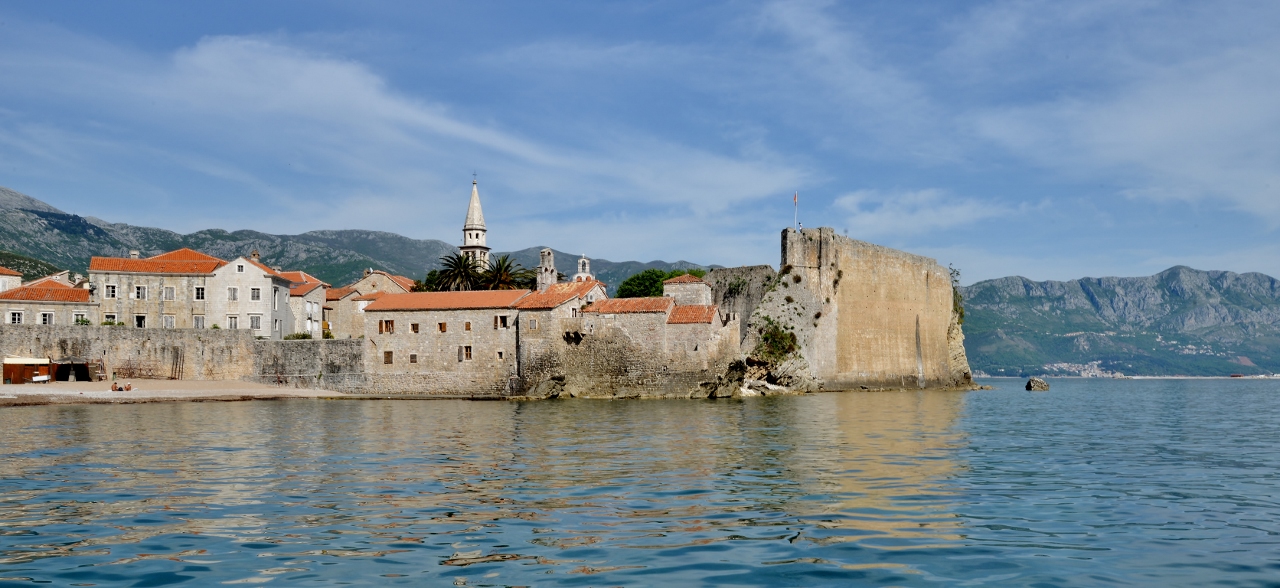
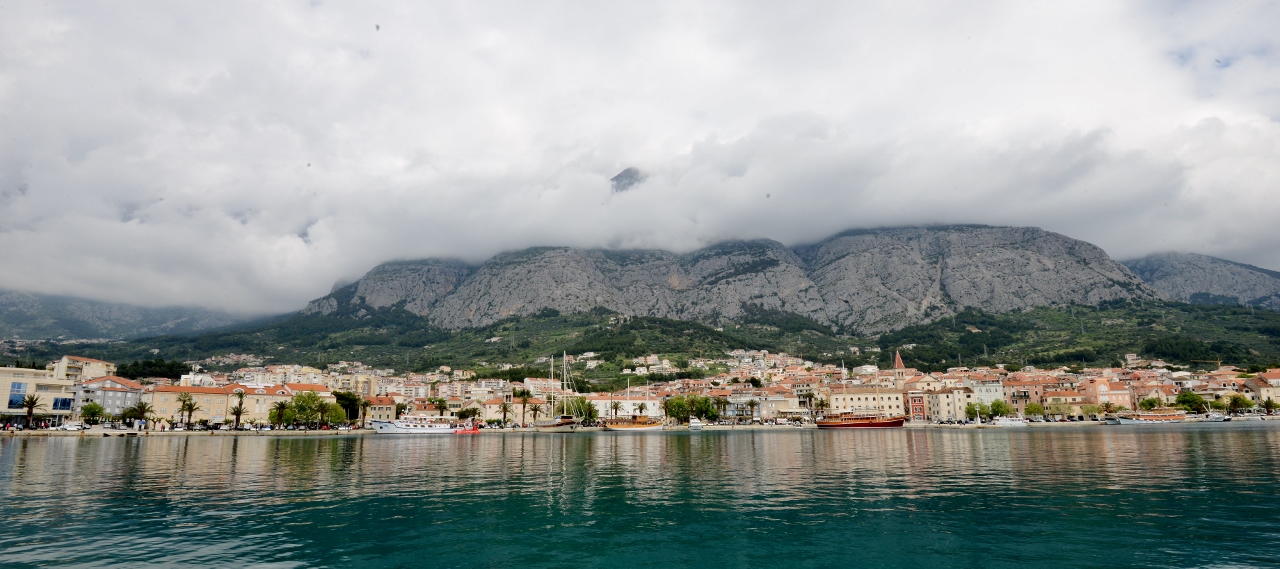
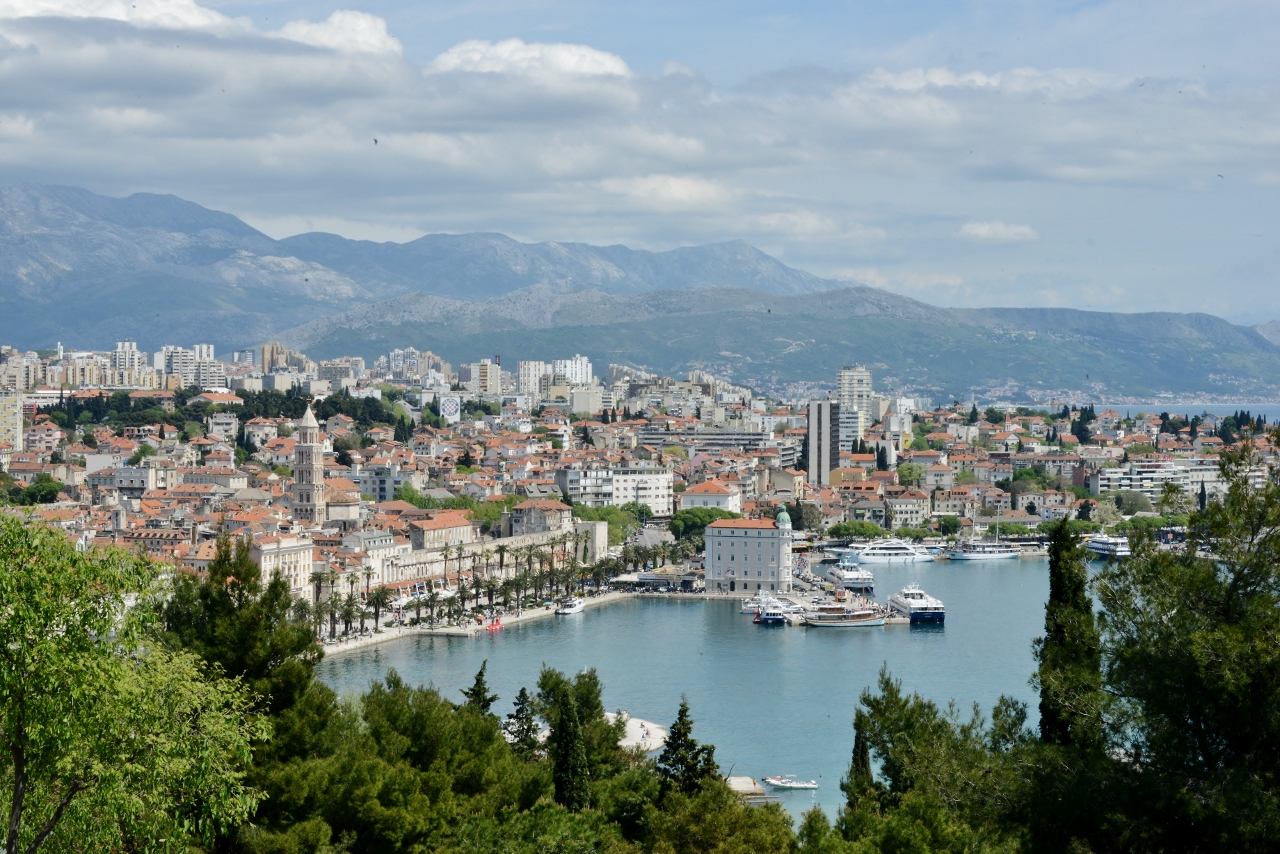
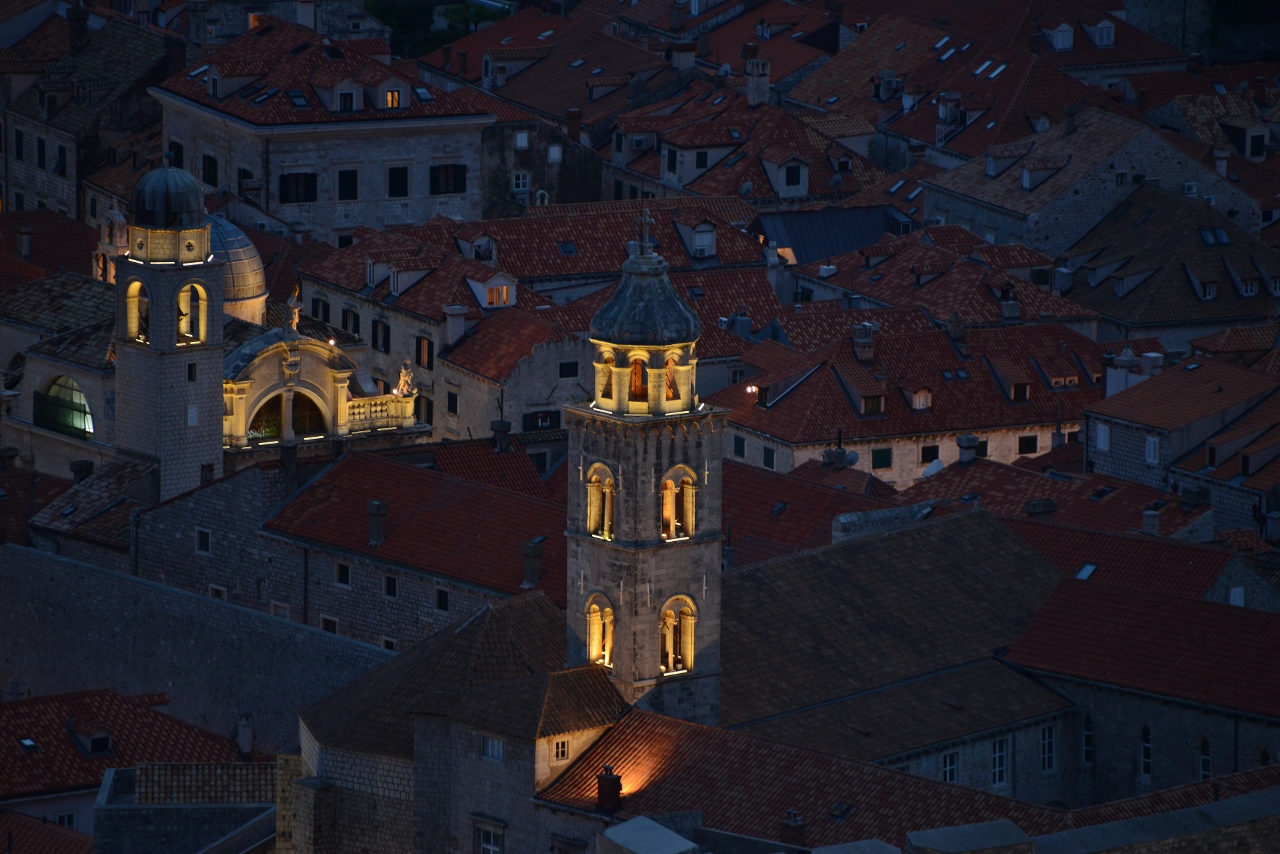
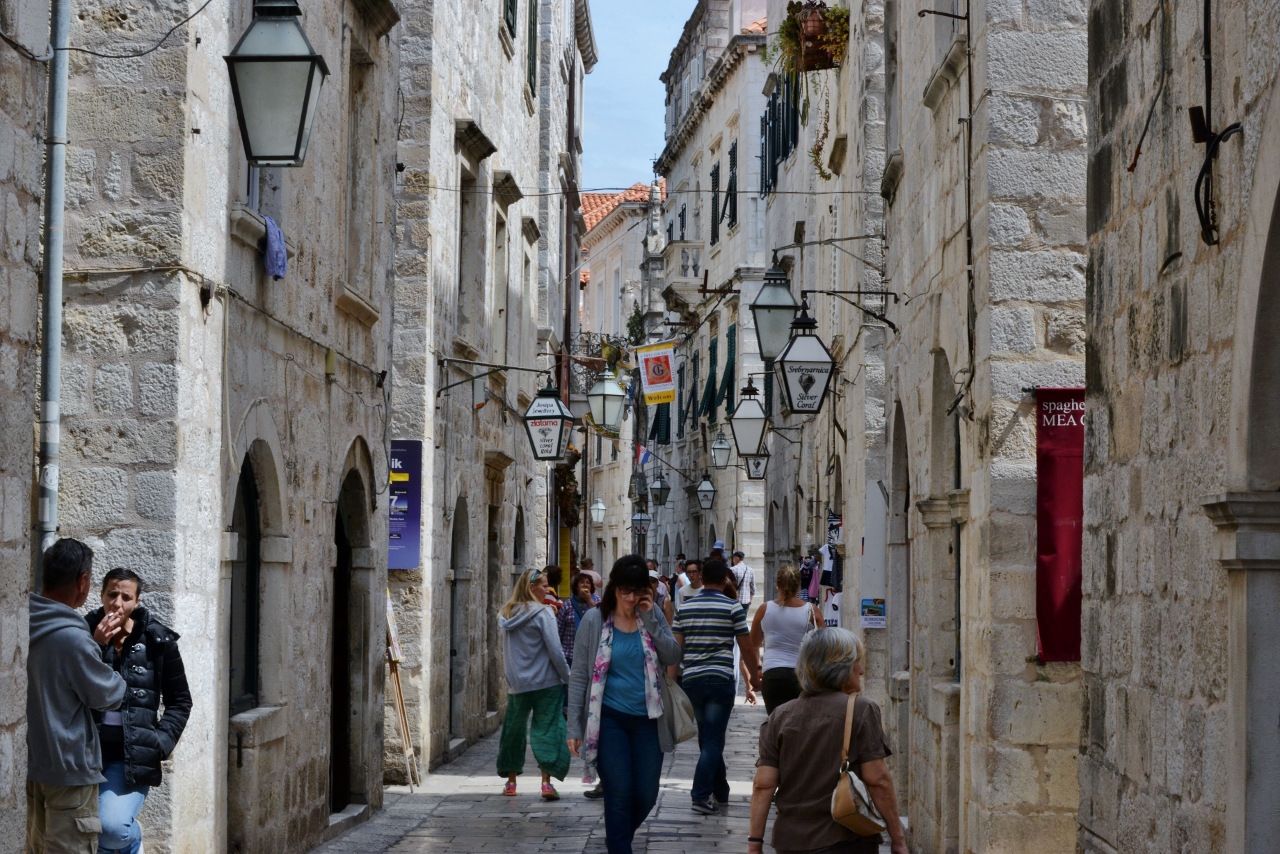
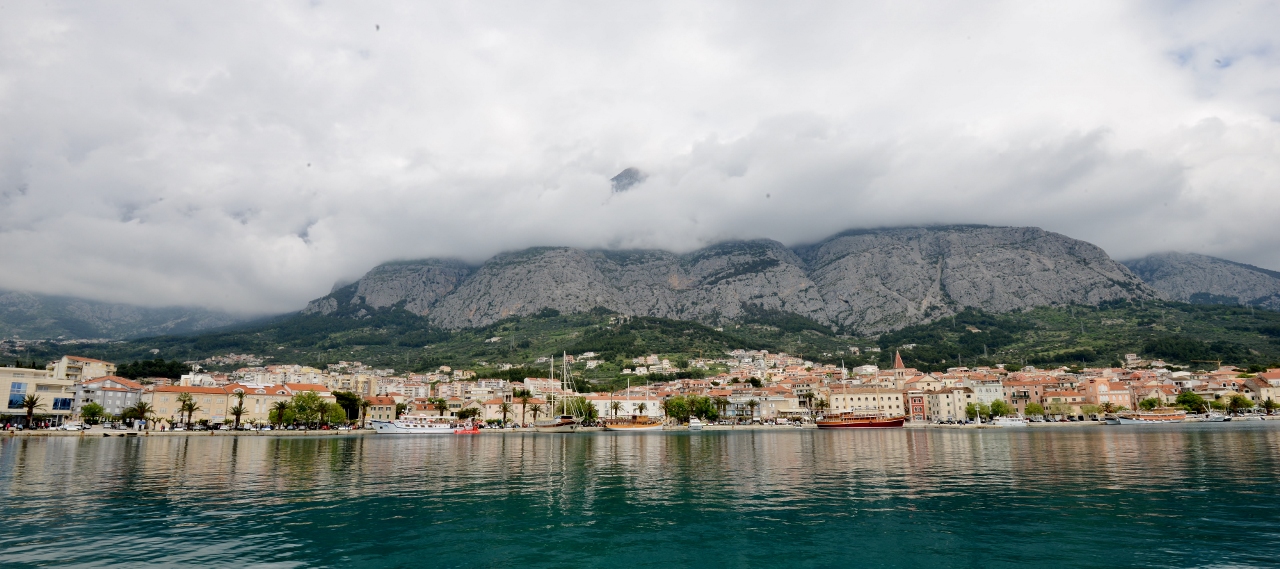
We have left Croatia after spending a handful of days driving down the Dalmatian Coast. Pretty much all the cities we visited (Zadar, Split, Dubrovnik) had influences from Roman times, the Venetian Republic, or both. It was really cool to walk around the old towns in the tiny little passage ways filled with shops, buskers, and good smells. If I had to pick a comparison, I’d say that it was a lot like our time in Venice except these cities are: smaller, way better, and way more chill. The towns we visited were very touristy and were frequented by cruise ships. However, it wasn’t peak tourism season yet so there still weren’t a lot of people so we could easily find quite places to enjoy the views and the sights. I can only imagine what the places are like during peak tourism season, I could see it going from very awesome to very unenjoyable very quickly.

There is a lot to love about Croatia: Croatia in spring smells amazing; there’s a lot of different flowers blooming and flowering trees. The people are generally kind, polite, and helpful. The roads were great; it was super easy to get around in our rental car and the Croatian drivers were politely aggressive. Croatia is not a big country so all roads lead to somewhere awesome be it Roman ruins, waterfalls, mountains, beaches, or sea views. We used Airbnb exclusively for lodging in Croatia. The coolest part of the Airbnb experience was that every single host had some sort of homemade alcohol, baked food, or both, for us to try when we arrived. It was a neat experience and something we haven’t had anywhere else in the world.

We learned a lot about the Bosnian War during our travels. Both Jacquelyn and I were alive for the war but we didn’t really learn much. Prior to college I’m pretty sure I could not have picked Croatia off the map. It was really interesting to learn how the city of Dubrovnik sustained seven month long siege in the 90s and the very old walls built between 12th-17th centuries helped keep the local people safe. Around the country, there are still many signs of war littered about, from bunkers to derelict buildings.

We still had a lot of pizza and it was delicious. We also branched out and tried local Croatian food and were pleasantly surprised by the tastiness! That said, we probably had pizza for 80% of our meals just because it was so good. We haven’t had this good of pizza since we lived in New York so we tried to eat pizza whenever possible.

The only downside was that our time on the Dalmatian Coast was too short. Next time we’ll make sure to stay longer :).

Enjoy the photos!

Chris W.

Vienna 2015

Vienna was alright. We didn’t visit for long, three nights, so we didn’t get a real indepth experience. Vienna was a very important city and Capitol of the Austrio-Hungarian Empire so there are a lot of beautiful buildings and palaces laying about. When we were in Prague we met a friend of a family member and she told us Vienna will be a lot like Prague but it’s a much bigger city. She was absolutely right: Vienna and Prague have a similar cultural feel but Vienna is much larger and much more expensive.

We the coolest thing we did was visit the Imperial Treasury. There were all sorts of amazing jewels, crowns, vestments, and other fancy items. It was amazing to see the incredibly detailed and beautiful work, the photos do almost no justice for how beautiful the actual items were.

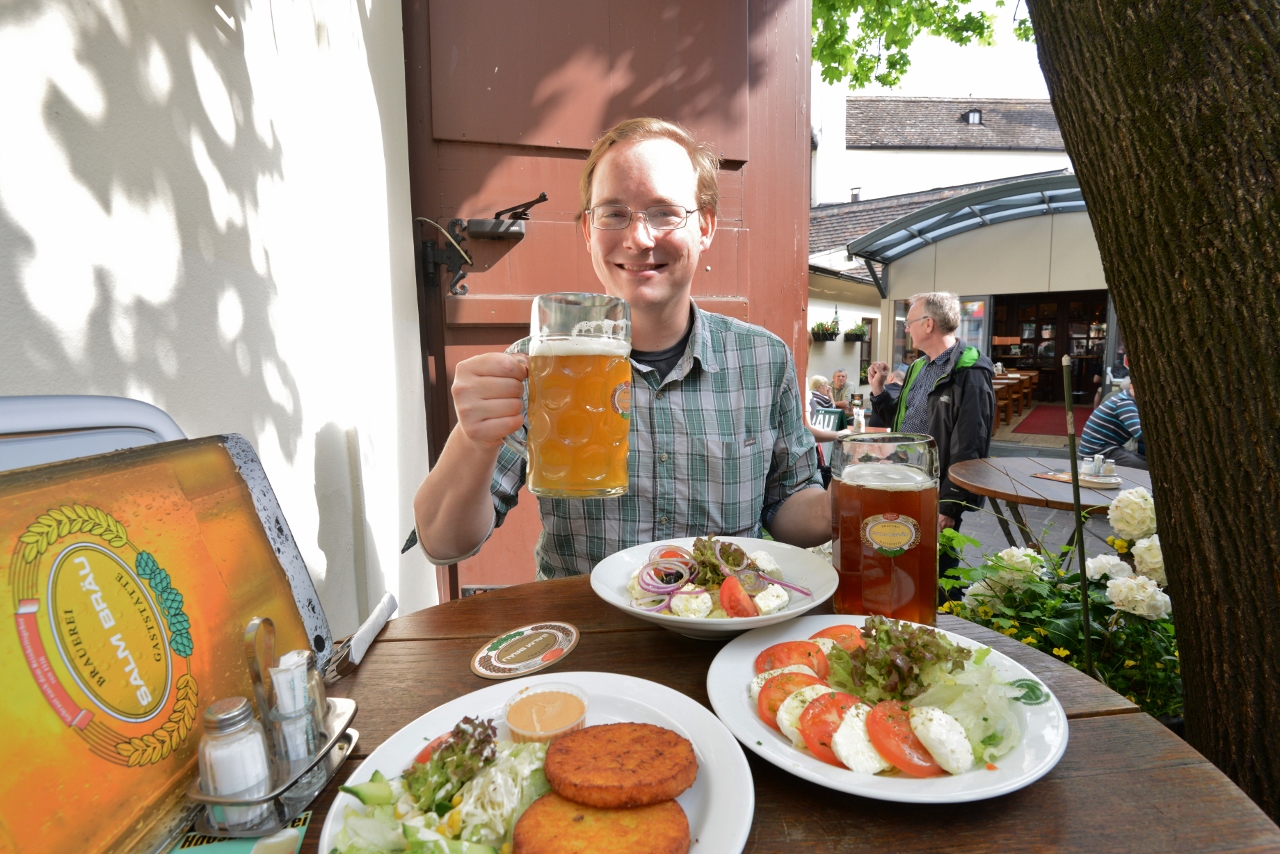
I celebrated my 32nd birthday in Vienna so we decided to go to a restaruant that also made their own beer. Oh man, the Pils and Marzen were off-the-charts-amazingly-delicious. While we can get Pils and Marzens in the US, it’s not the same as the US beers are generally more carbonated and marzen are commonly available in bulk in the fall. This is the second time on our trip where I wished I could bring the beer home :).

Enjoy the photos!

Chris W.
Prague 2015

Prague turned out to be quite the delight! We flew to Prague from Dubai and we are back in Europe after six months in Asia / Indian Subcontient / Oceania. It was great to be back in the world of meat and potatoes, have amazingly delicious beer, and enjoy some very beautiful sights. The weather was fantastic, the tourism season is just starting so it wasn’t overly crowded. We had a great time and would love to go back.

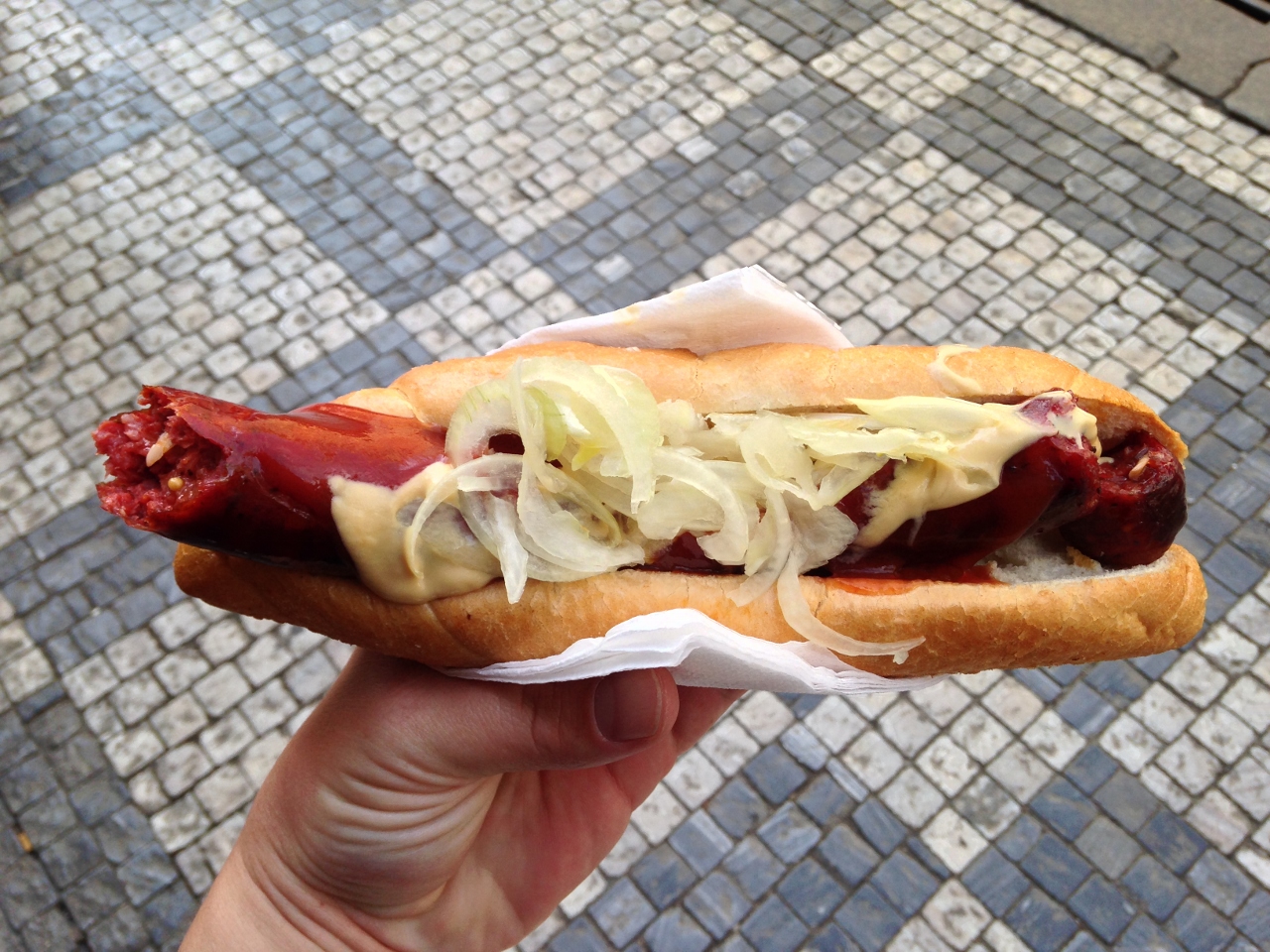
The food was delicious, meals consisted of brats, sausage, meat and more meat. After a the first day in Prague we realized that our diet had changed to lean more towards vegetables, fruits and other vegetarian cuisines whiles traveling. Looking back, we didn’t purposefully cut meat out of our diet but we unconsciously gravitated towards vegetarianism after being in a lot of countries where the cold storage, handling of meat, and cooking of meat is questionable. So, naturally, we made up lost time and had brats, steaks, sausages, and goulash for nearly every meal :).

Interestingly enough, per capita, Czech people drink the most beer in the world. This leads to deliciously cheap beer with many different brands and varieties. Beer is cheaper than soda so it only makes sense for beer to be the refreshment of choice! I bought as many different beer types and brands as I could find. I couldn’t find a favorite which means more ‘testing’ is needed and I’ll have to go back to Prague!

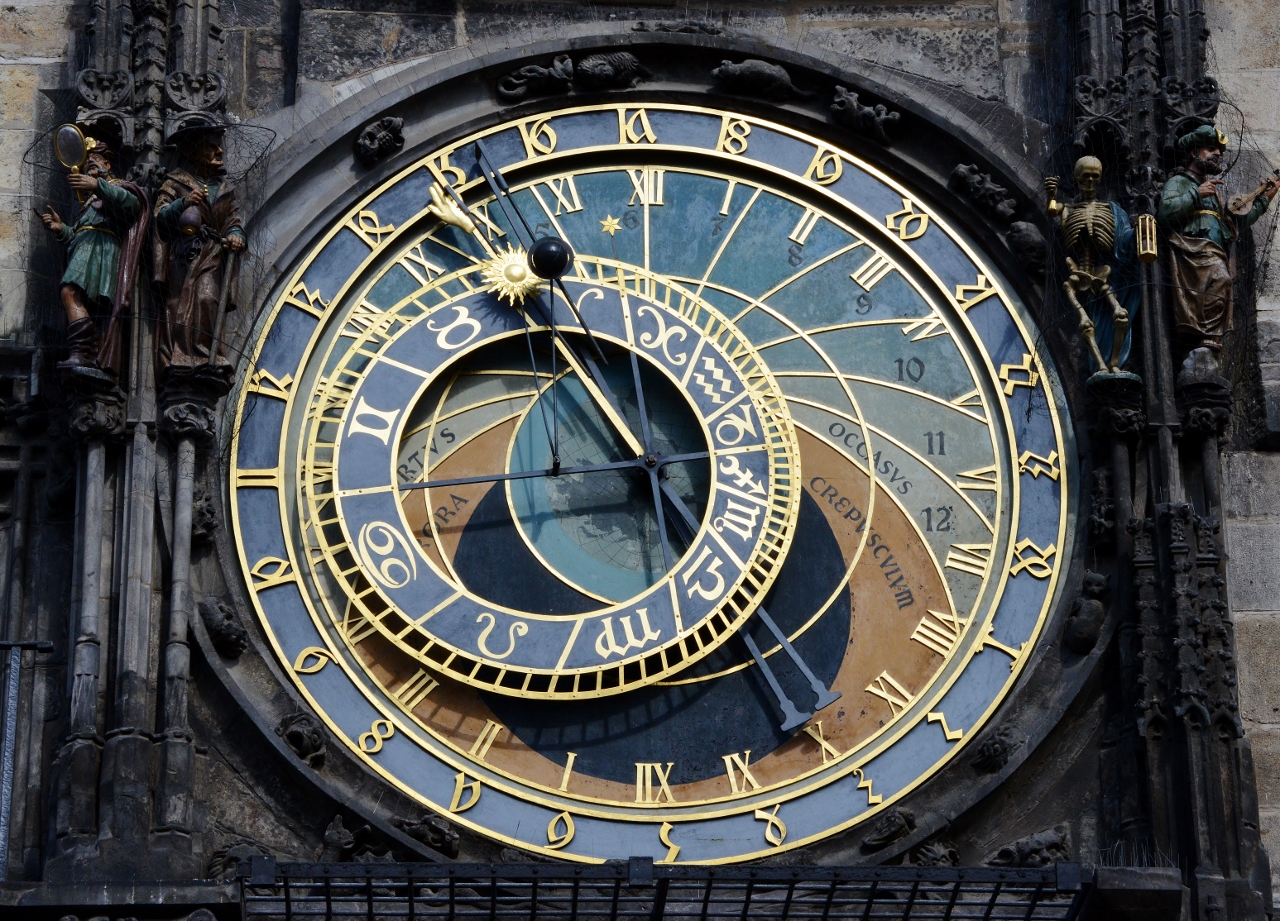
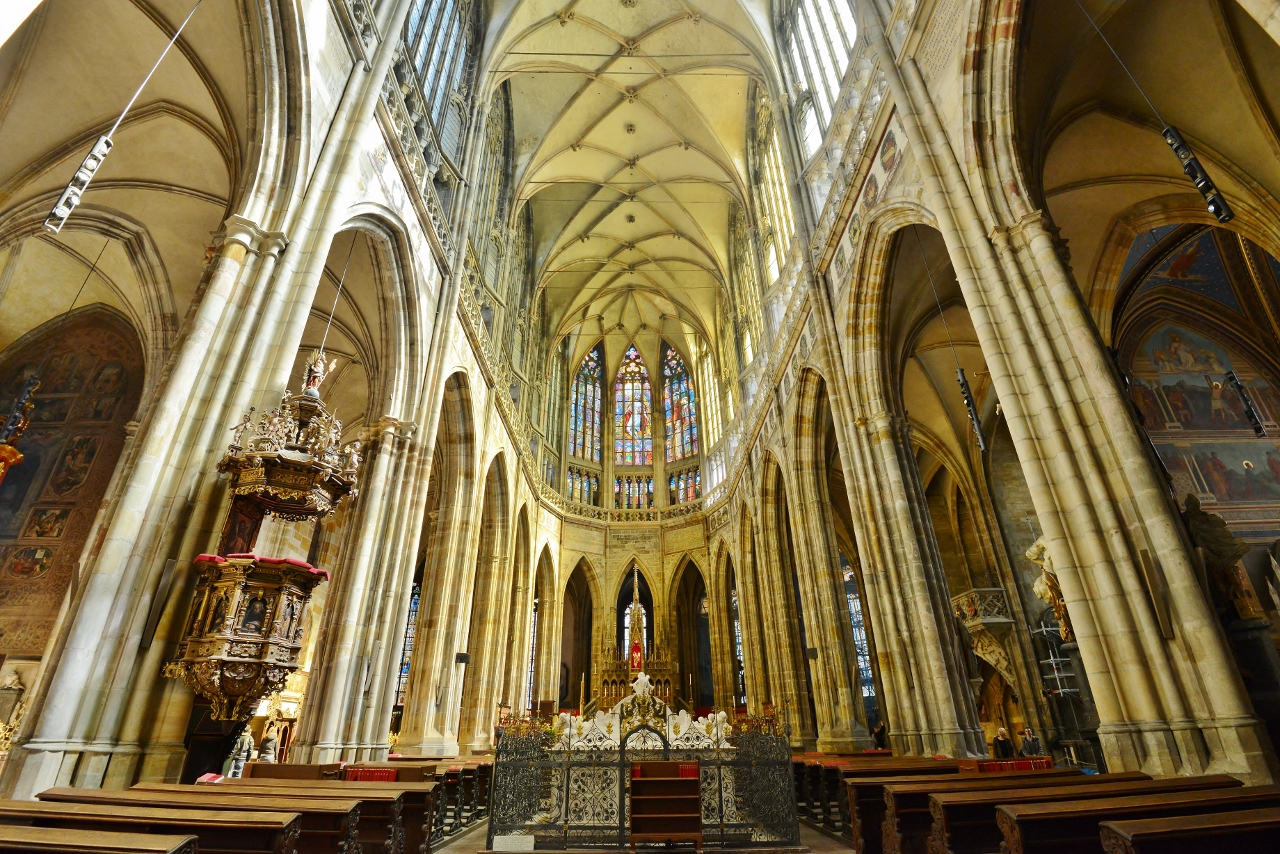
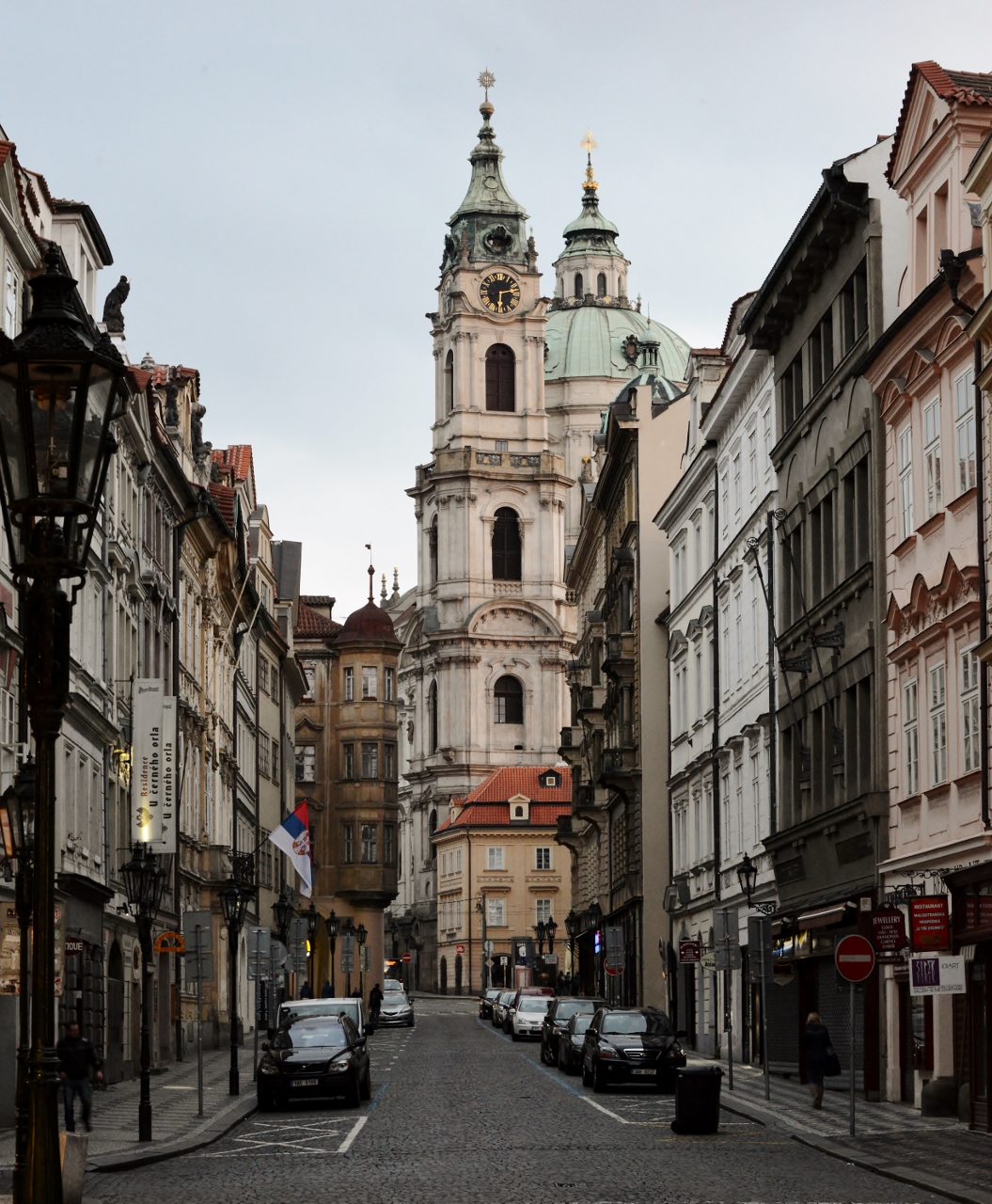
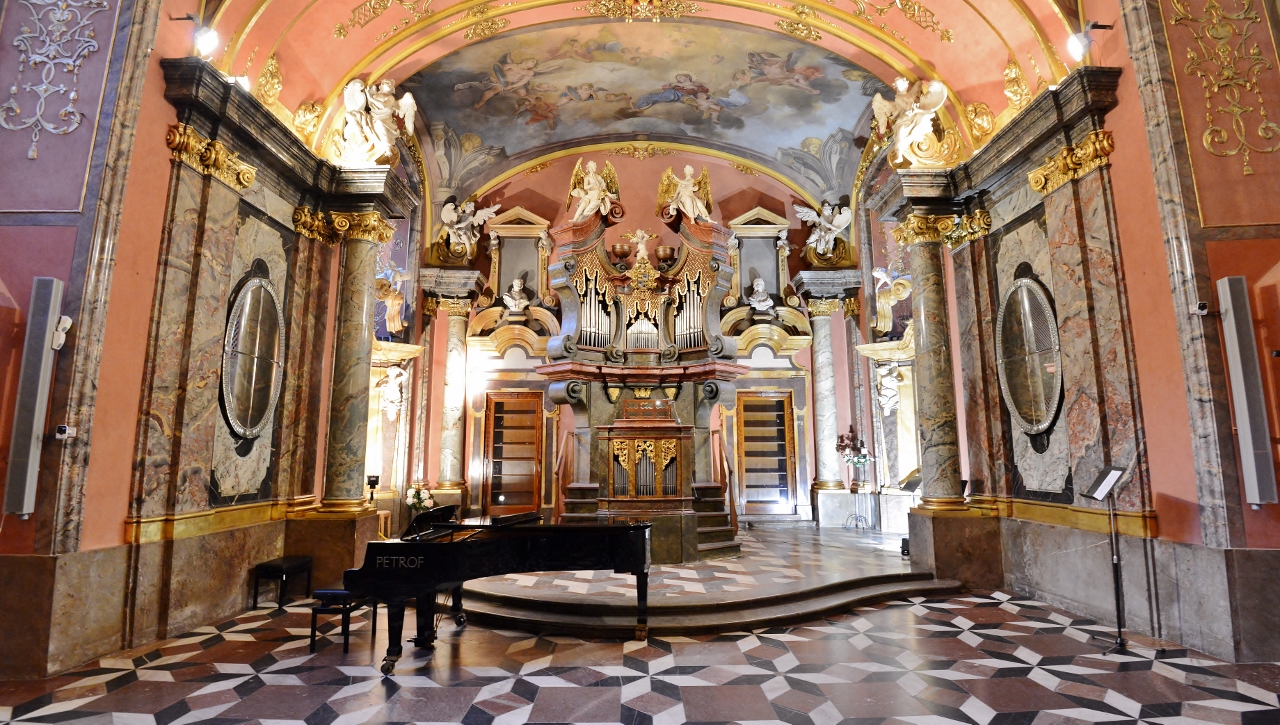
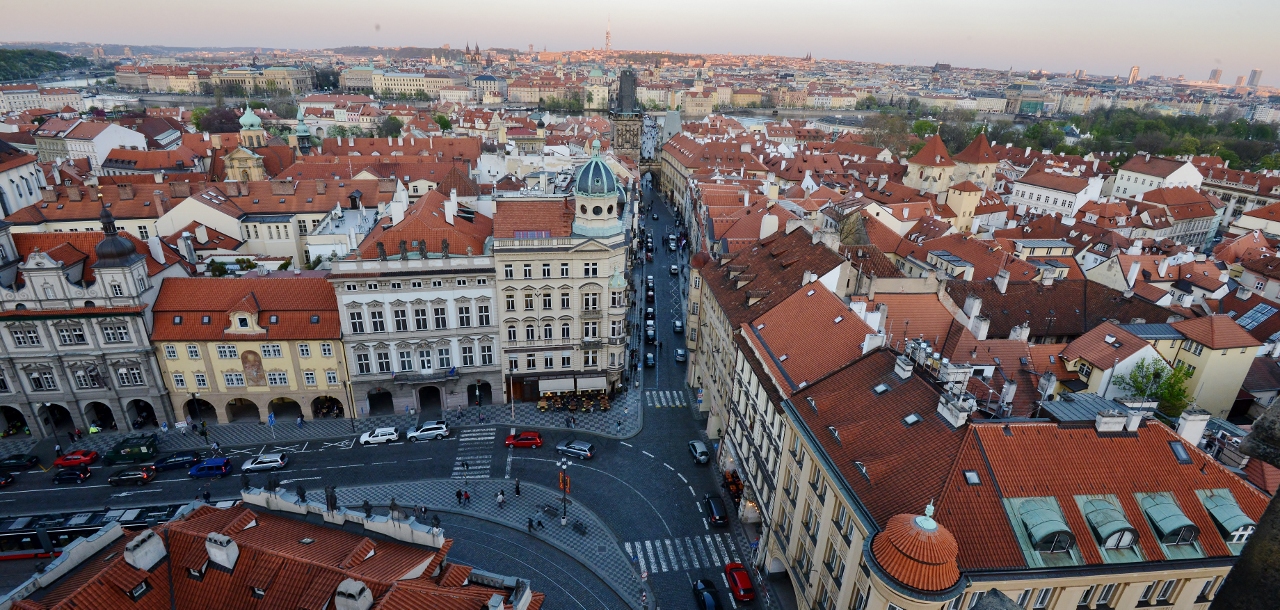
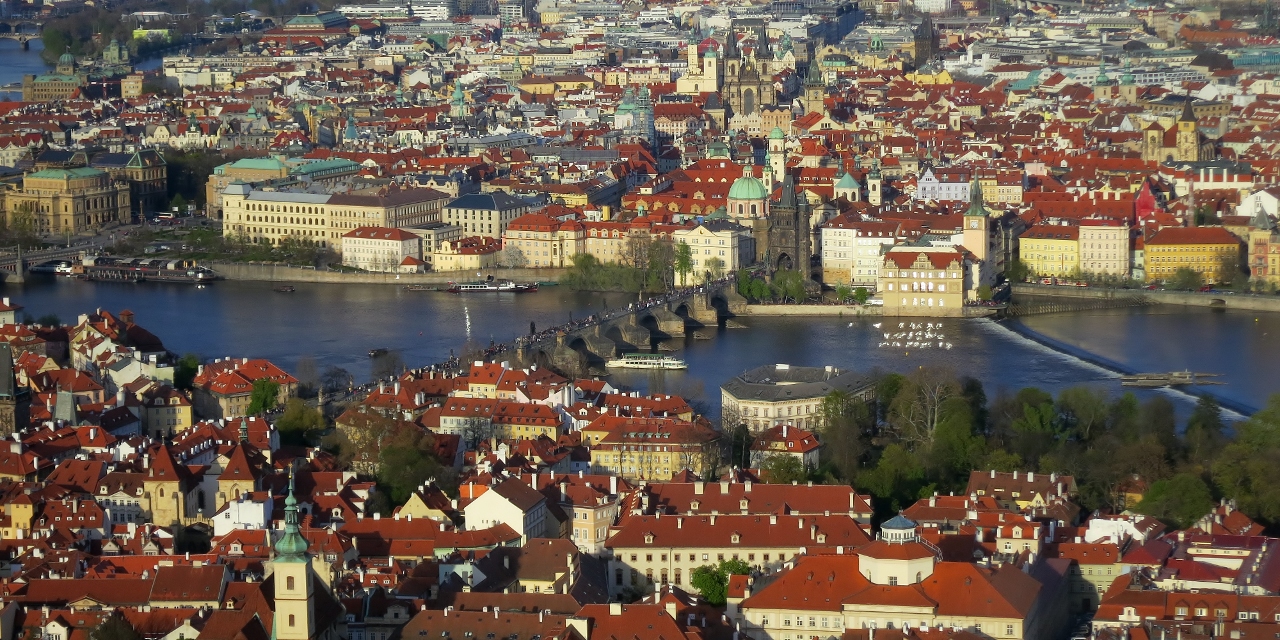
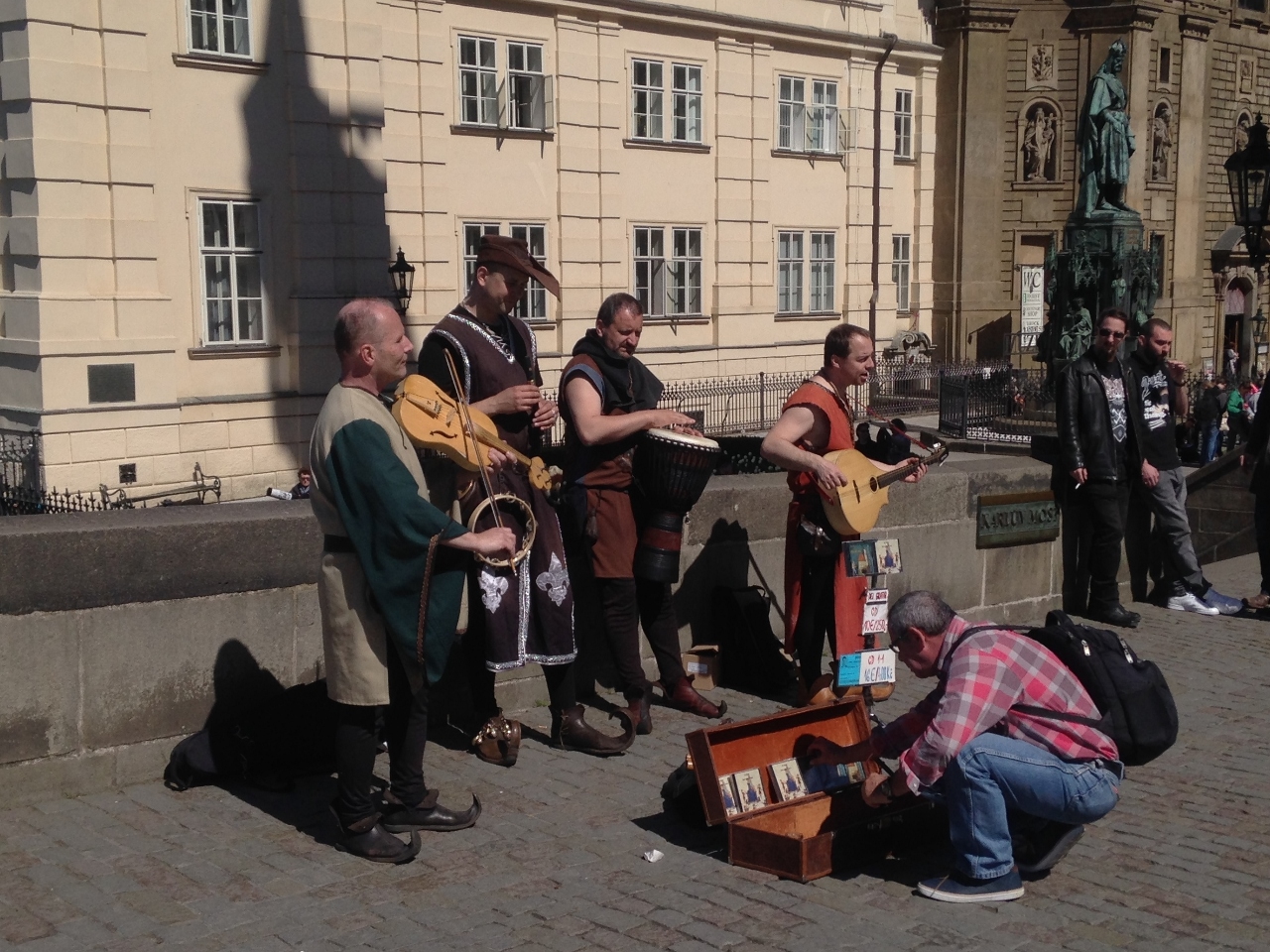
The Old City of Prague is beautiful and compact. Bohemian kings ruled from Prague and later it was a very important city in the Austrio-Hungarian Empire so the old town is littered with historical sites, beautiful buildings, amazing churches and a lot of history. I don’t remember learning much about Eastern Europe in school so it was really cool to learn a lot about the history, the empires and why Prague is a lot like Munich, Vienna, and Budapest. Prague is a very musical city with lots of buskers and many musical performances in the many churches. We ended up catching a musical show one night and it was a wonderful experience! For Europe, the attractions were very reasonably priced and well worth the time.

The crowds really weren’t bad at all. Before 9AM and after 8PM it felt like we had the old city to ourselves. We were lucky to find lodging in the heart of the old city so it was fun to wander around before the crowds came out. We did have a pretty big surprise: groups of Chinese tourists. There weren’t a lot of Chinese that travel in Japan which gave us a nice respite and we didn’t think there would be many Chinese tour groups in Eastern Europe. In general, the Chinese tourists are hardest to be around as they rove around in packs and practices which are normal for a lot of people, like queuing, using trash cans, covering our mouths when sneezing or coughing, being quiet, using inside voices, eating food in an appropriate way, taking turns enjoying a tourist site, and letting people pass, are very foreign to a lot of Chinese tourists, especially when they are in big groups. It can be comically hilarious while being very frustrating.

We ended up meeting friend of family member and her daughter. They live in Prague, showed us around a bit and then we had a wonderful dinner with them. It was a great experience because they lived in Minnesota for a short period of time and were able to tell us all about the Czech Republic, Prague, and their history (communism to democracy and joining the EU). It was definitely the highlight of our time in Prague!

All-in-all, it was an awesome visit and we absolutely loved it. Prague wasn’t on our original list of places to visit but we are oh-so-very happy we visited!

Enjoy the photos!

Chris W.

Dubai 2015

Dubai is a really quirky place. After spending a few days there, I think the Burj Kalifa, the world’s tallest building, is more of a middle finger to the desert and Dubai as a whole is a proclamation to human ingenuity / hubris more than anything else. Hear me out; Dubai:

  • Has almost no natural resources other than some oil and some natural gas, both which are mostly exhausted. So Dubai focused on becoming a re-export and finance hub like Singapore.
  • Has somewhere around 20% of the world’s construction cranes being used to transform the desert into huge buildings. They are building everything everywhere. It’s impossible to get away from the construction.
  • Has an indoor snow skiing resort. Dubai has no mountains and has average high temps in the upper 90s, lower 100s for a lot of the year while only getting 6in of rain per year. Really though, screw the desert, right?
  • Has huge fountains in the desert. Because, why not?
  • There are aquariums and even ice skating rinks in their malls. Because, why not?
  • Built their own luxury islands. Because, why not? Regular land is for regular people.
  • Is a place where anything, no matter how outrageous, is possible. Like taking your pet lion out for a ride in your Rolls Royce. Because, lions want to see the skyline too and don’t want to be couped up all day, right?

Dubai is a weird blend of the pragmatic economic approaches of Singapore with the completely outlandish sites and behavior of Las Vegas, sans the alcohol. We spent our time walking around taking in the sites and people watching and a lot of the time we just thought, “this place actually exists”. The food is very good and is a blend of the various 170 different nationalities residing in Dubai. It’s easy to find delicious Mediterranean like food with strong Arab influence.

Overall, we’re happy we had a short stop-over on our way to Prague and we’re looking forward to some slightly cooler weather :).

Enjoy the photos!

Chris W.


Kanazawa & Tokyo Part II 2015

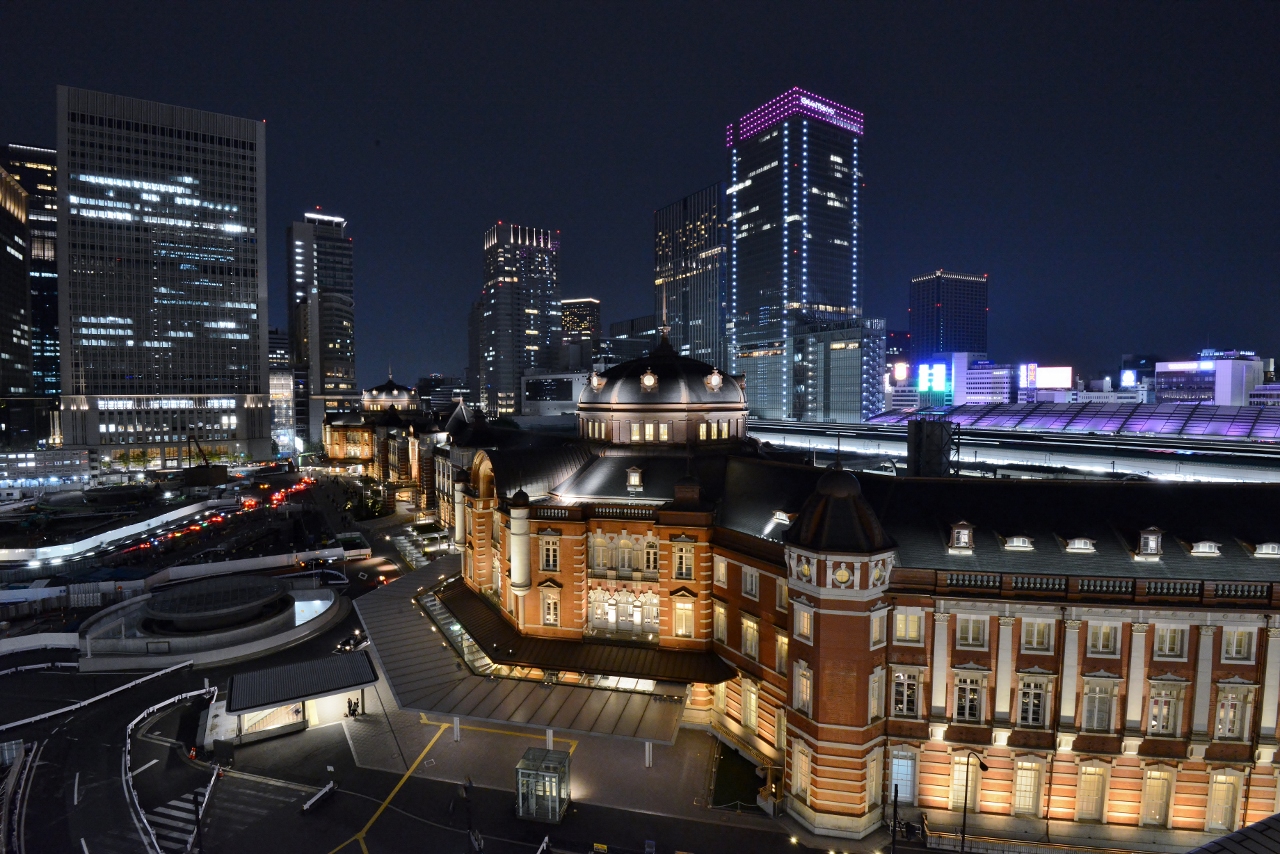
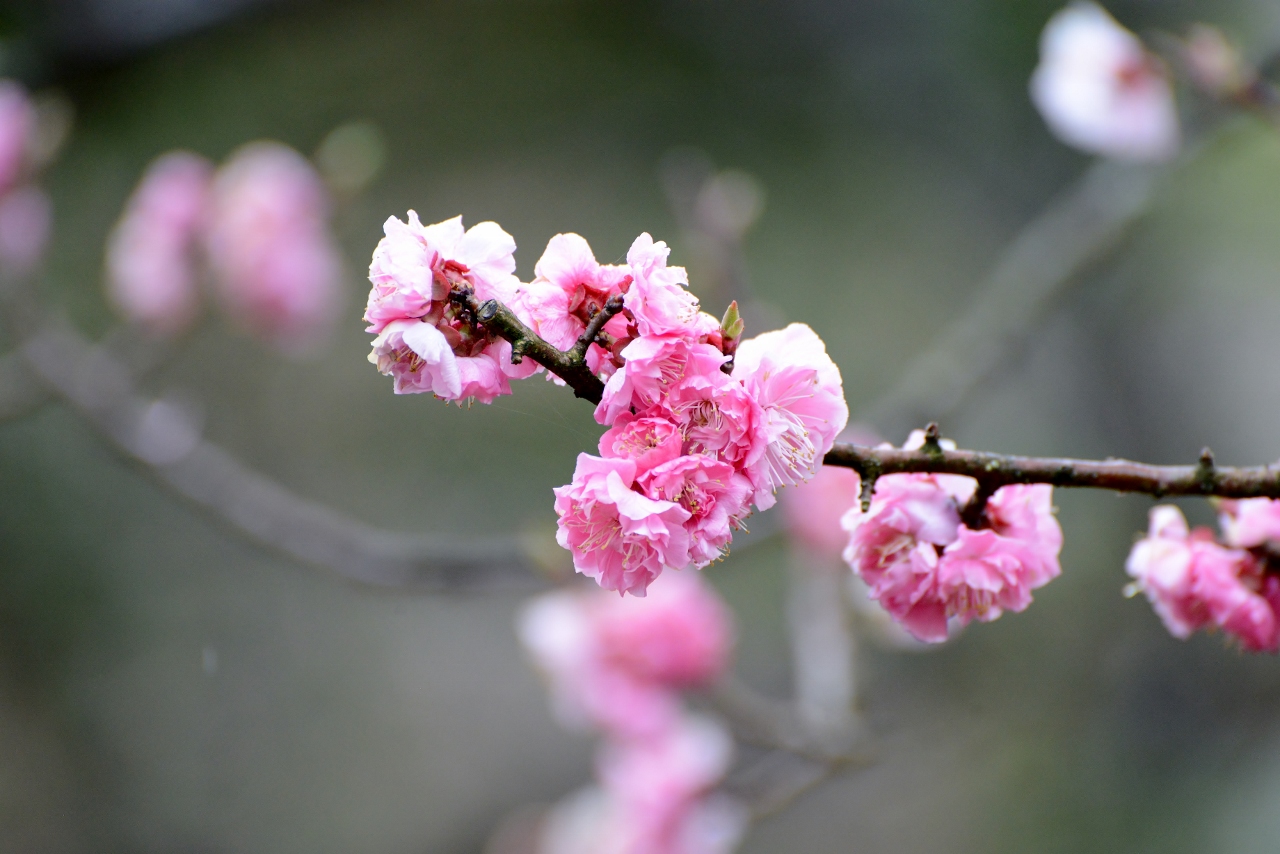
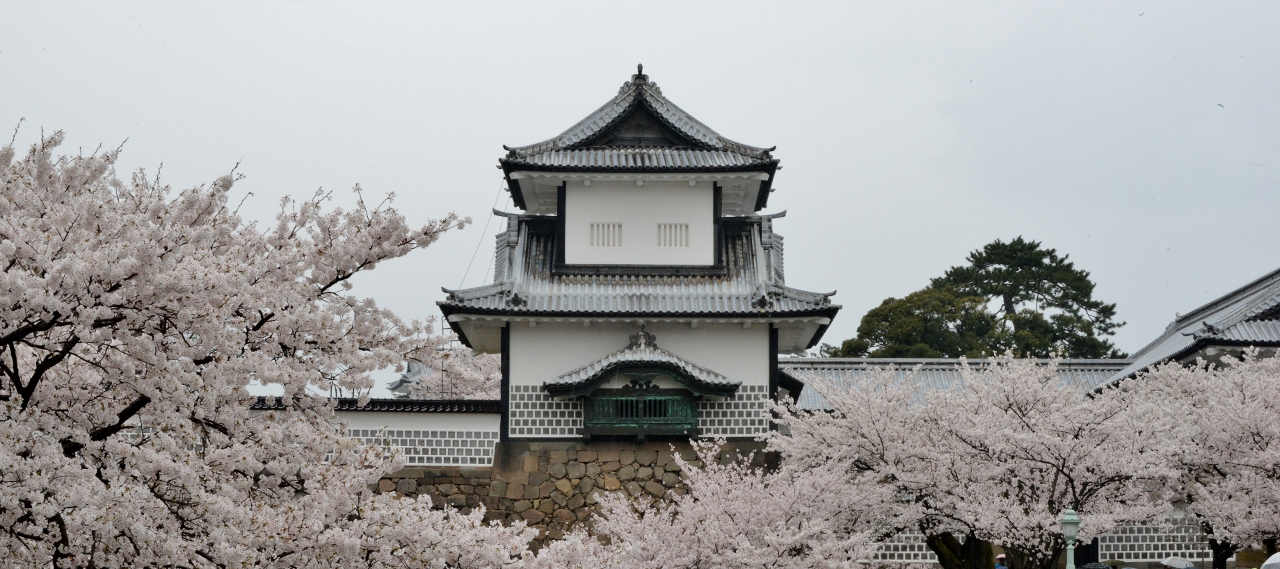
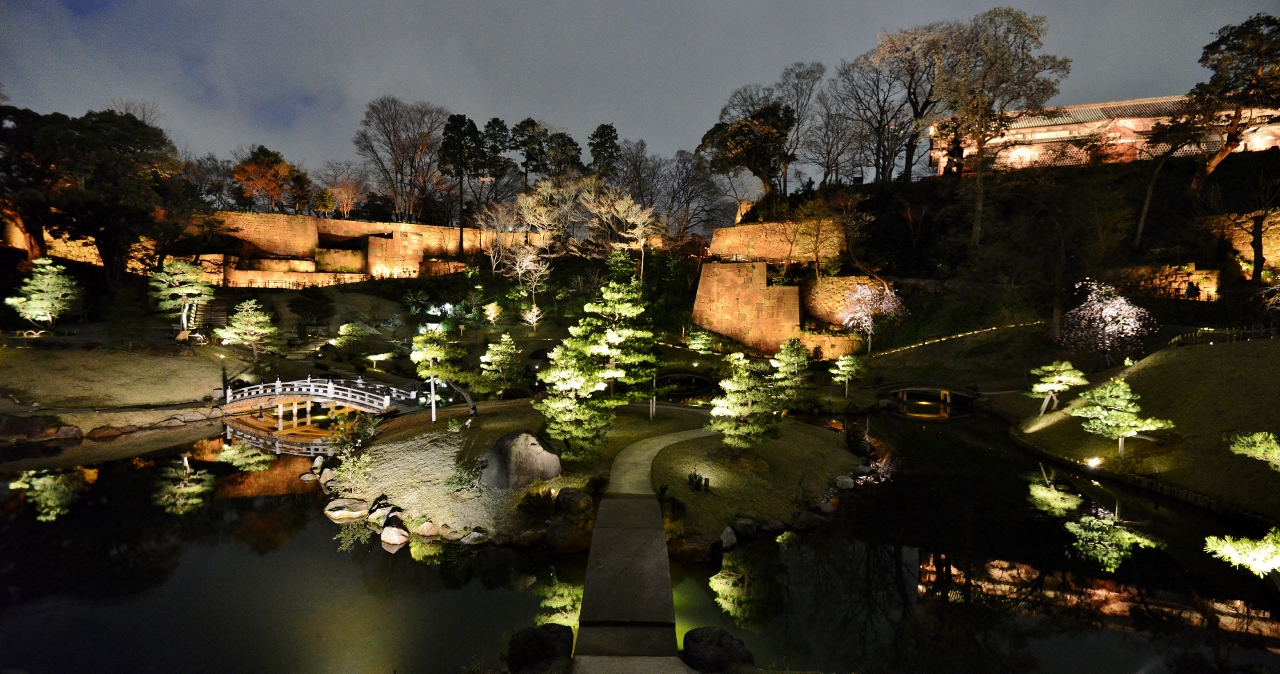
So this is it for Japan. We visited Kanazawa’s famous garden for a couple of days and headed back to Tokyo to make our flight to Dubai. We thoroughly enjoyed all 20 days in Japan and very much enjoyed seeing cherry blossoms every single day we were in the country. We had no idea Japan would become our favorite country and we are truly lucky to have had all the different experiences.

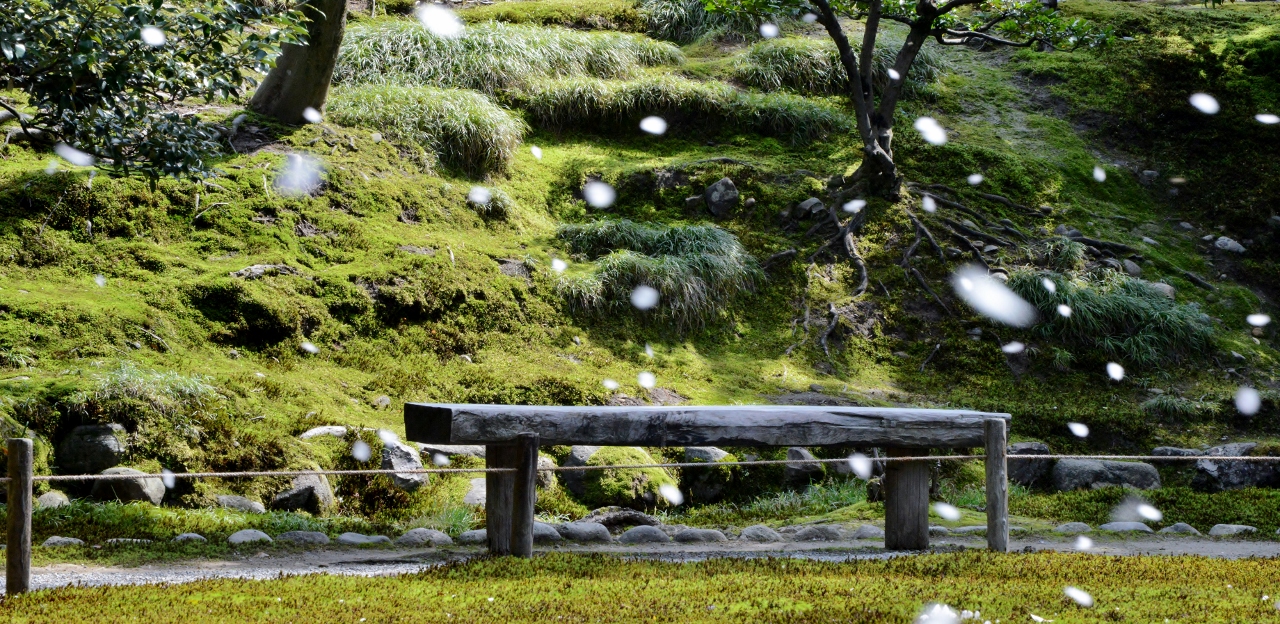
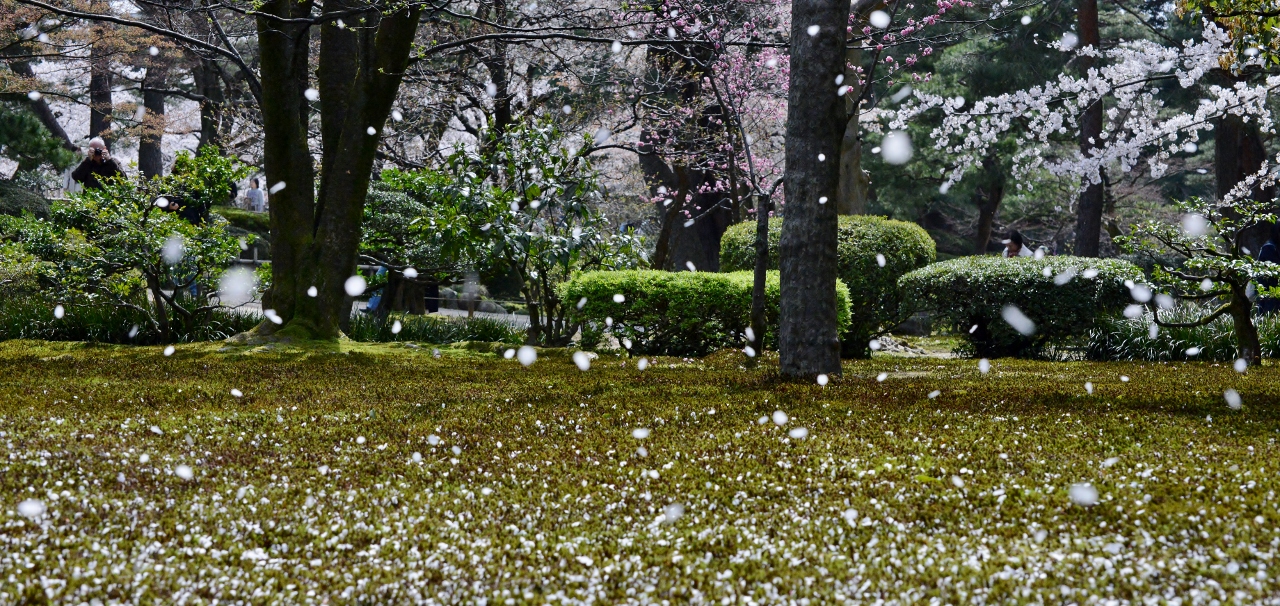
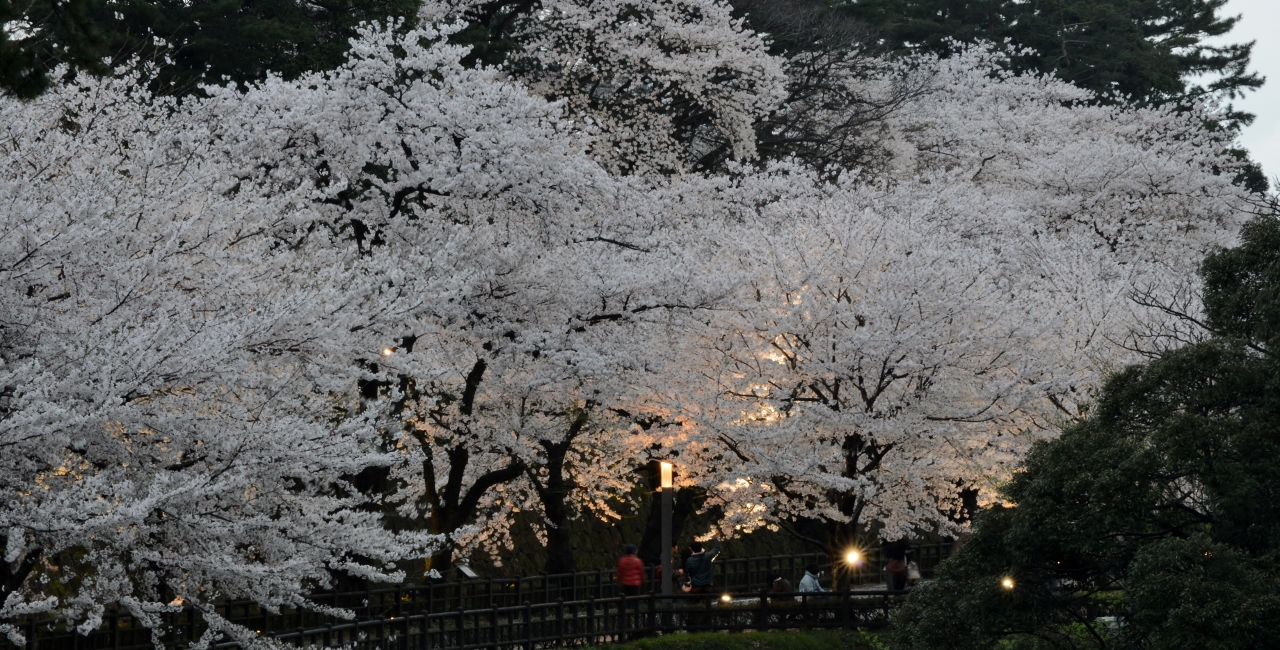
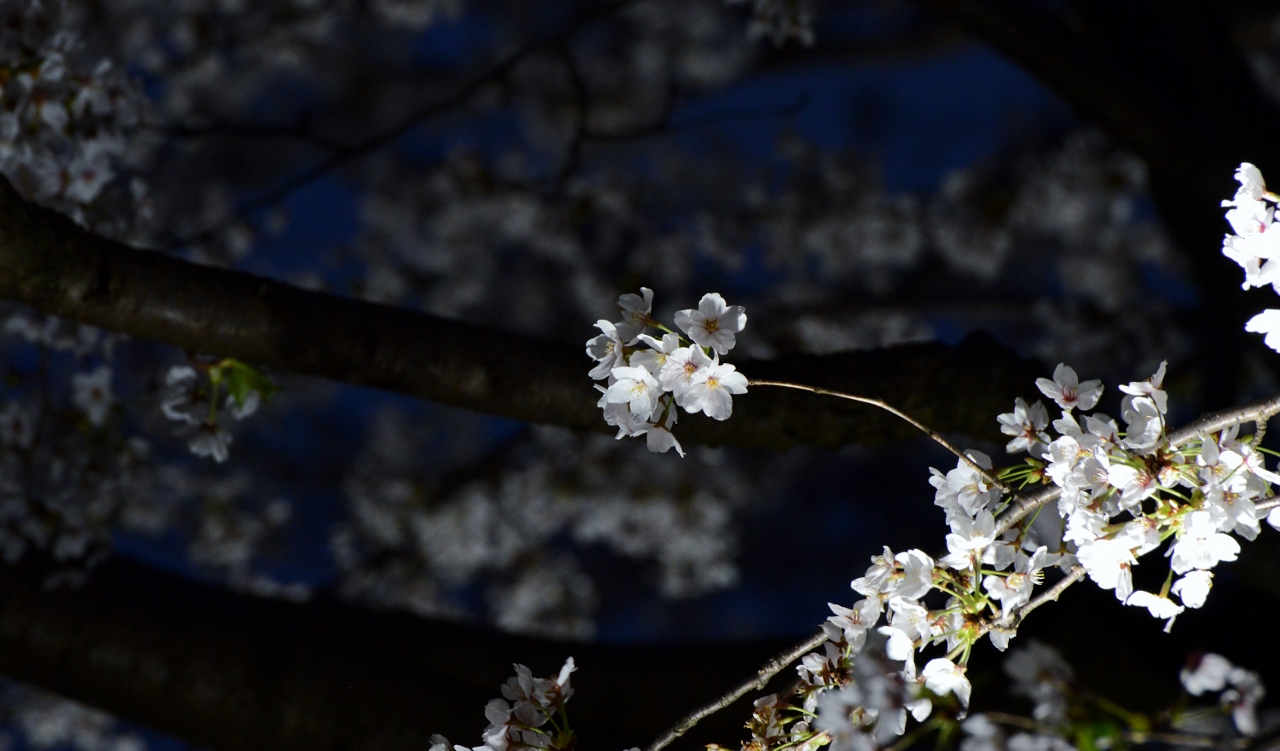
Kanazawa was a beautiful place. We were fortunate to catch the cherry trees at peak bloom. The three days were spent enjoying the gardens and the sights along with discovering umeshu, a delicious fruit wine. Even though umeshu is very good, we are happy we discovered umeshu at the end of our time in Japan. Much like everywhere else, we found many locals who were quick to help us find our way or ask us how our time in Japan was going.

We had two really cool things happen on our last day in Tokyo. First, we finally found a sushi-conveyor place and were floored with the sushi’s deliciousness. I’m not sure why I thought it might not be the best sushi I’ve ever had as every single meal in Japan, no matter where purchased, has been amazing. We’ve had food from every type of restaurant: higher end restaurants that serve organic & cage free meats, convenience store food, fast food, typical restaurants, and quick-serve like restaurants where we had to order from a machine. All, yes ALL, where awesome and the sushi place was no exception. Second: while killing time before our flight we found we could learn origami in the Tokyo Tourist Office. We simply followed the steps in the instruction book and started making cranes. After awhile, three Australian children came over and we all did origami together. They spent nearly 45min with us and their parents thanked us for helping their kids learn origami. However, I think their youngest daughter’s reply to her mother said it best, “They didn’t teach us, it’s in the book. We just followed the book”. She wasn’t wrong smile emoticon. By the time we were done we had spent about three hours making origami and had a small crane army.

We’re going to miss Japan. The conscientiousness, the courtesy, the cleanliness, the quiet, the beauty, the food, the infrastructure, and how everything works as advertised will be greatly missed. A lot of nations have some of those items almost none have all.

Enjoy the photos!

Chris W.
Kyoto / Osaka / Yoshino Japan 2015

Our time in the Osaka / Kyoto / Yoshino area was quite rainy and cold but we’ve continued to have great experiences!

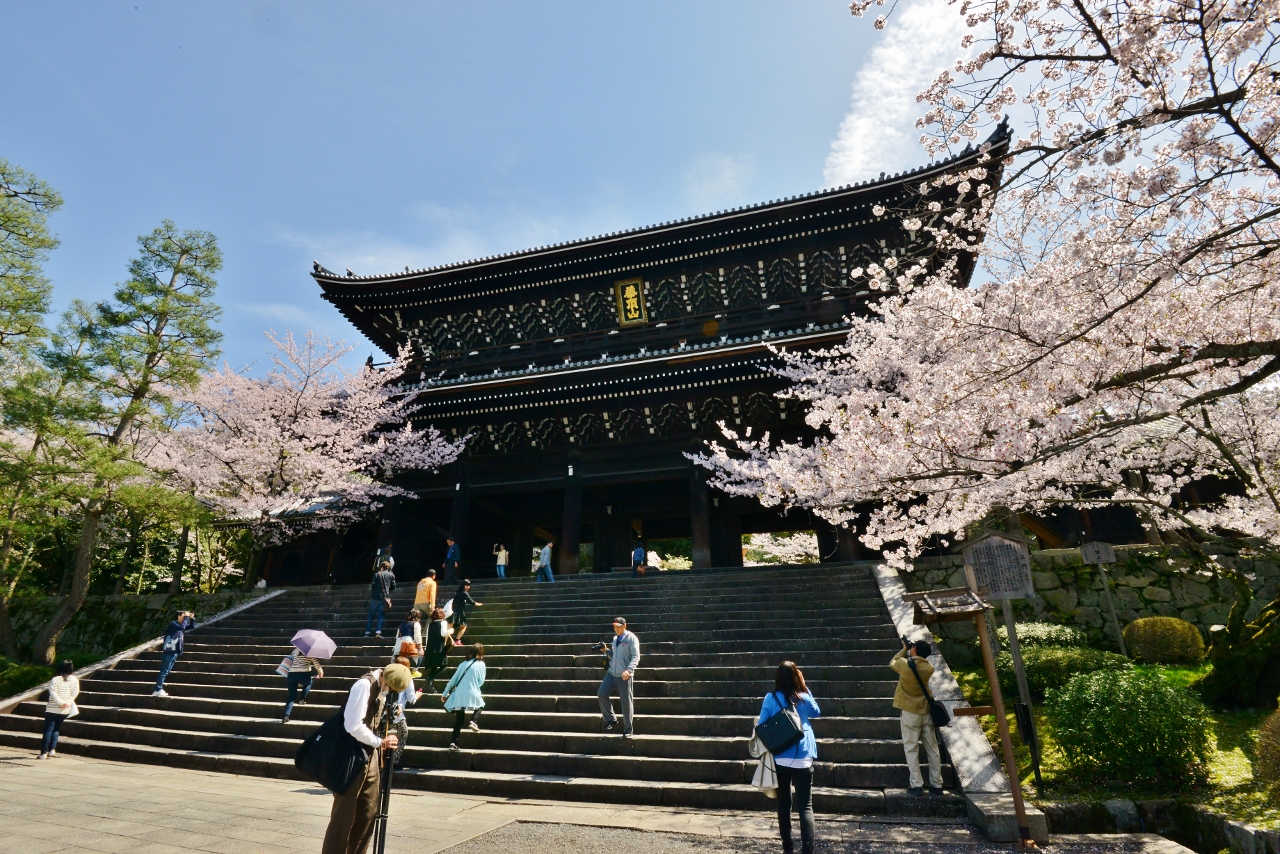
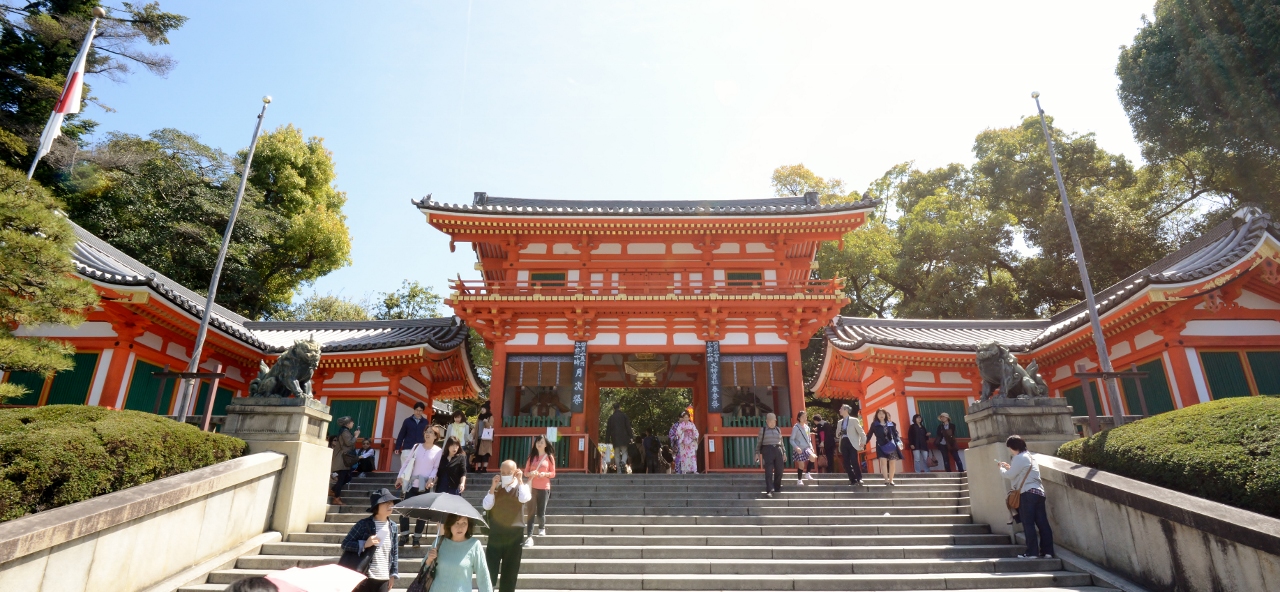
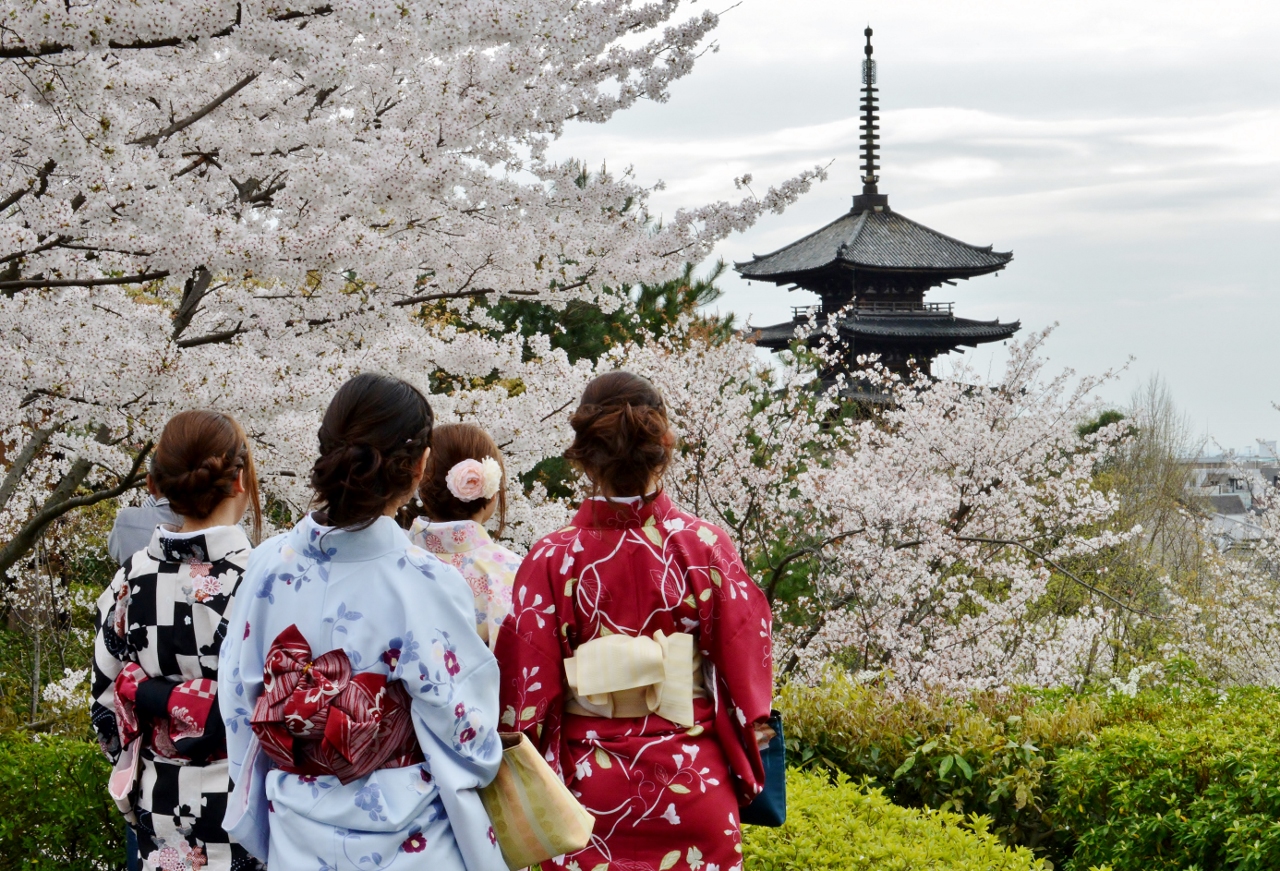
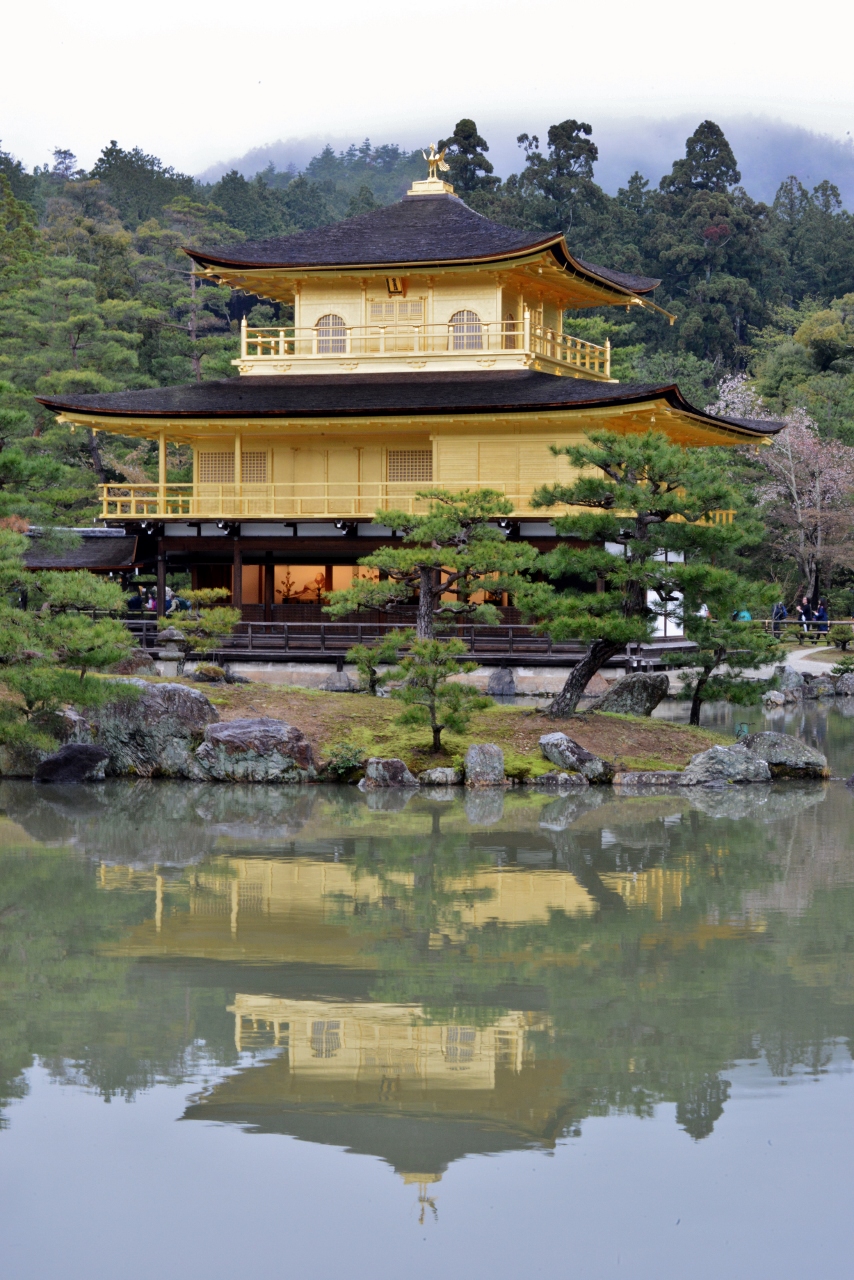
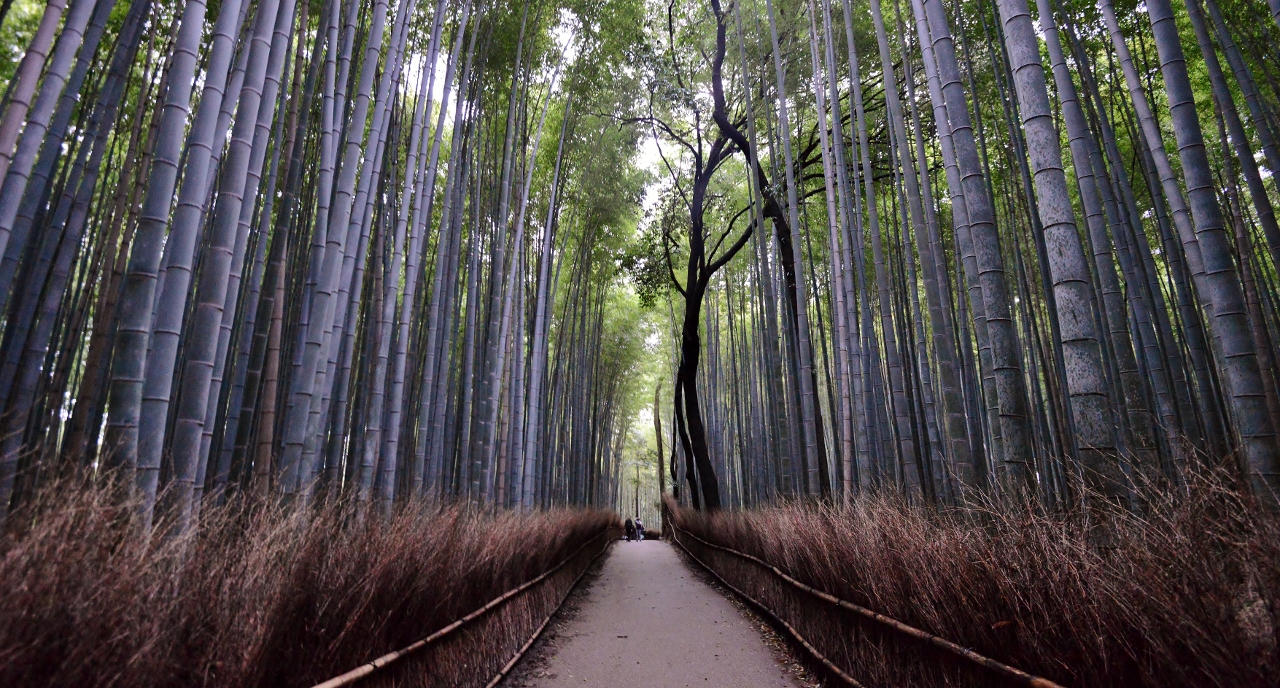
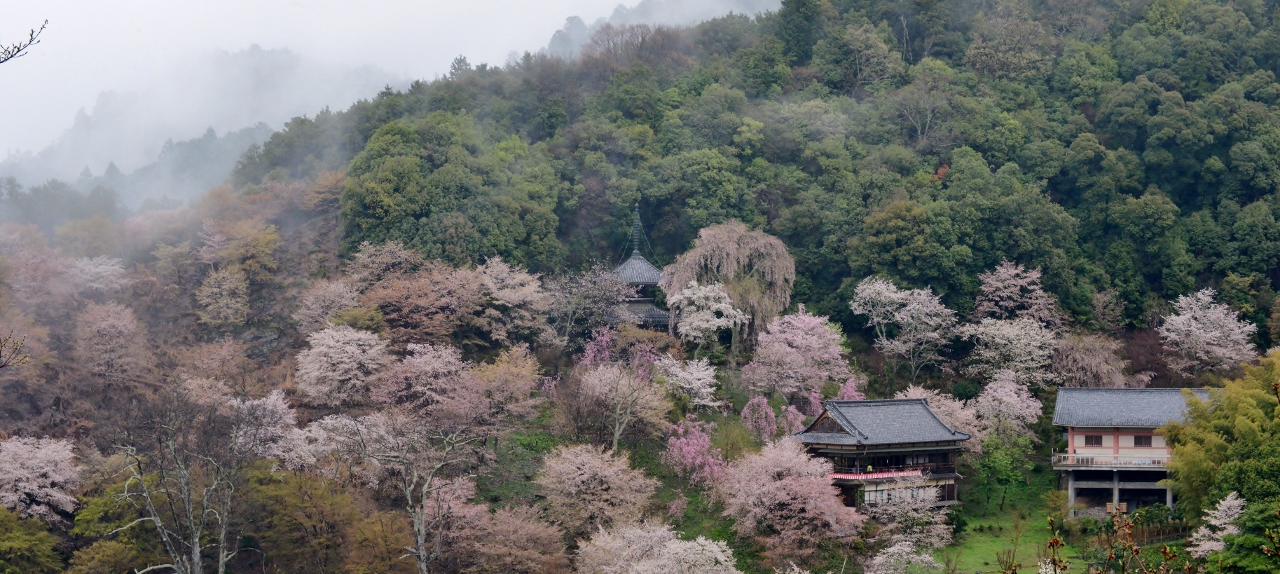
Kyoto is the religious / cultural center of Japan. There are many temples and shrines all over the city. We spent two days in Kyoto and saw just a handful, I think it’d take months to visit all. We visited on the weekend so the place was wall to wall tourists. Even though it was busy it was still very fun to see everyone enjoying the temples, the blossoms, and see all the people walking around in their traditional Japanese clothes.

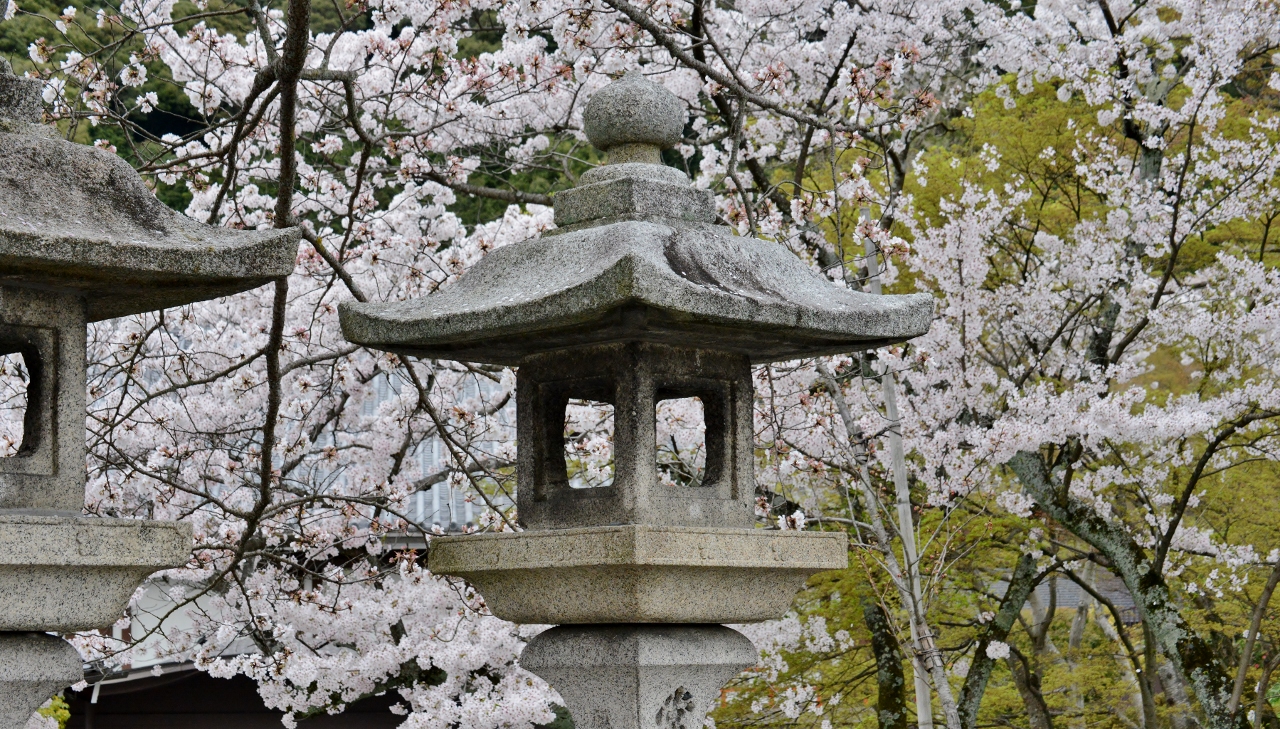
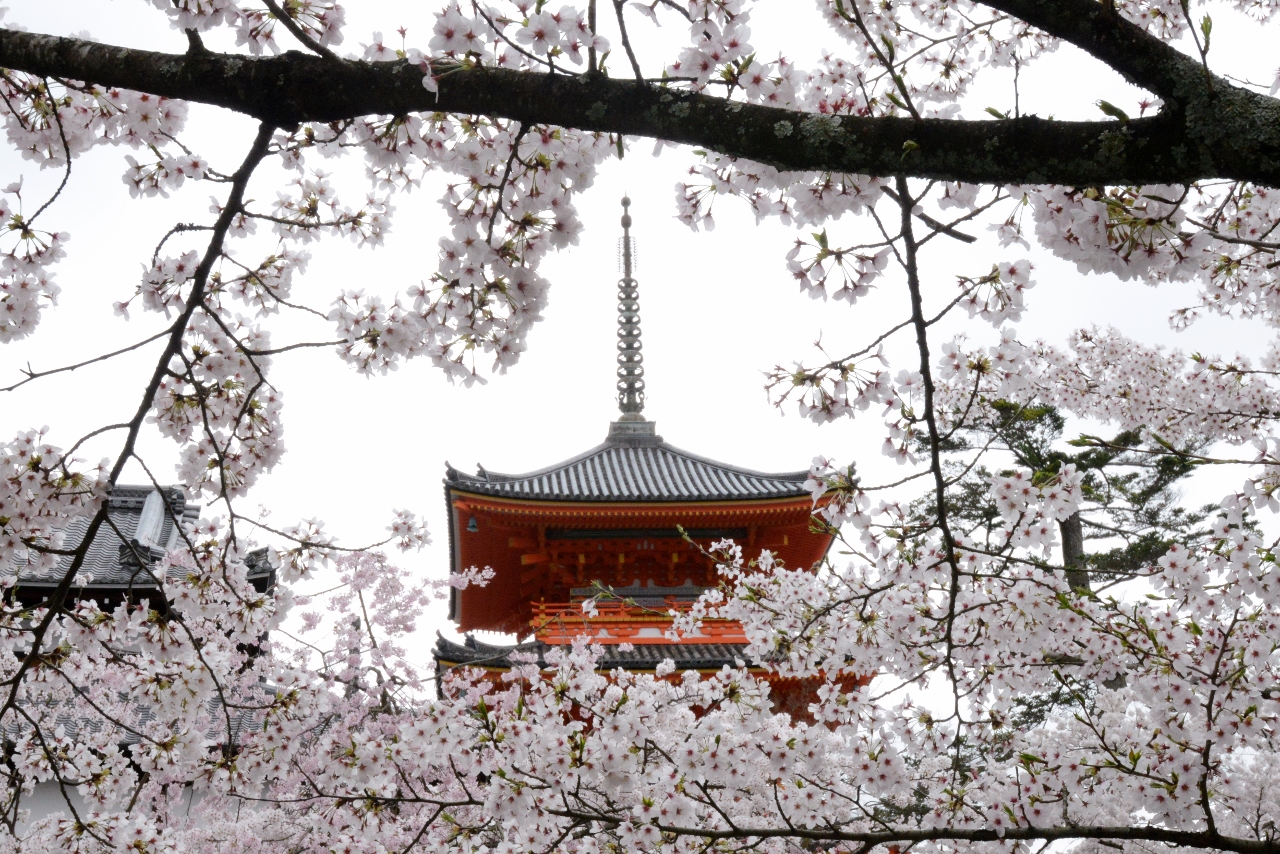
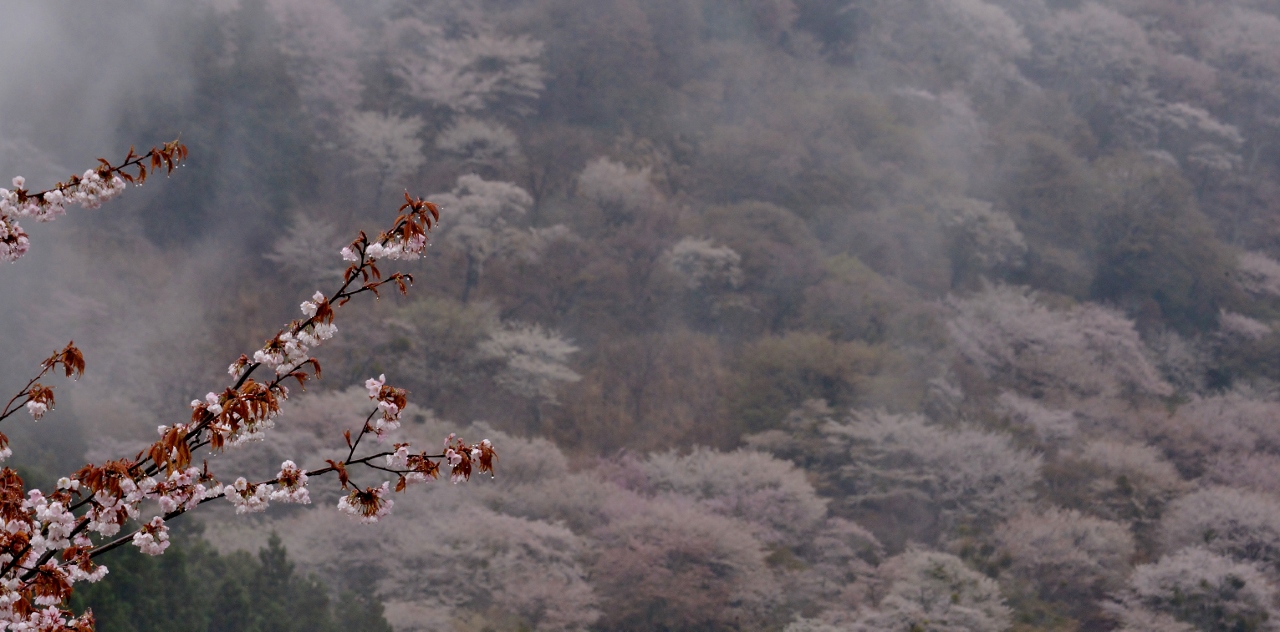
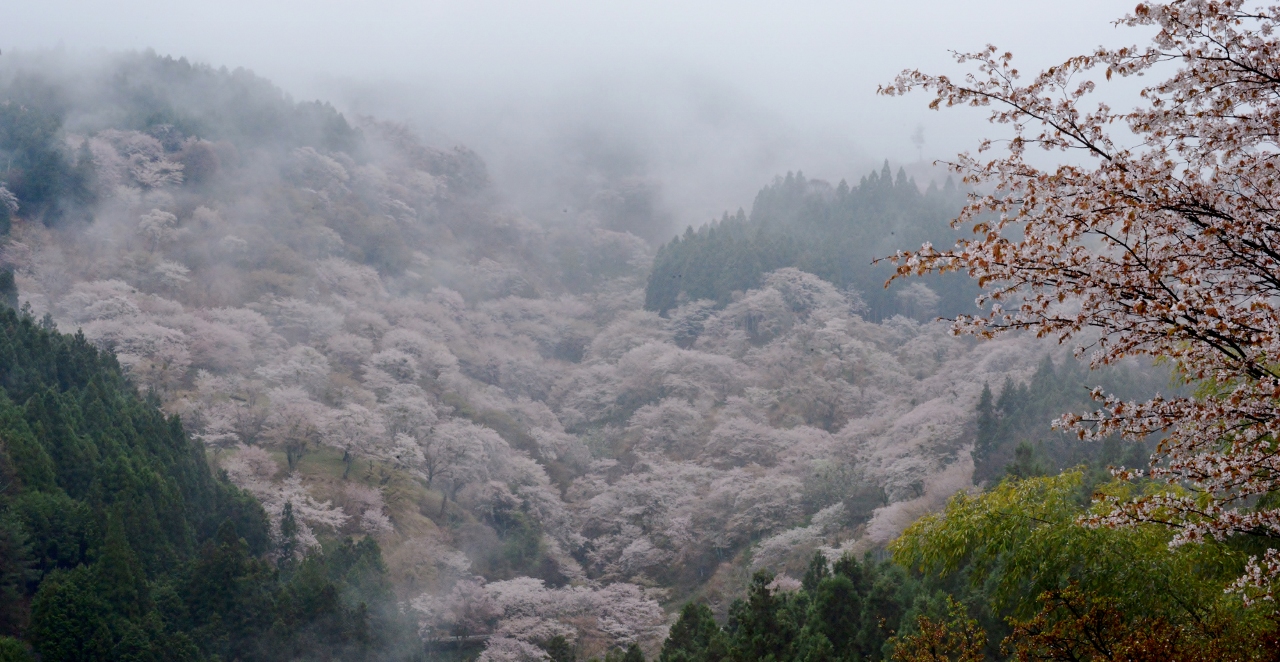
We took a day trip out of Osaka to Yoshino to visit a forest of cherry trees. There’s something like 2,000 cherry trees in the small valley area. We were fortunate enough to have the weather break-up enough to see the valley lined with cherry trees in bloom. Even though it was cold and rainy it was amazing! Well worth the three hour train ride each way.

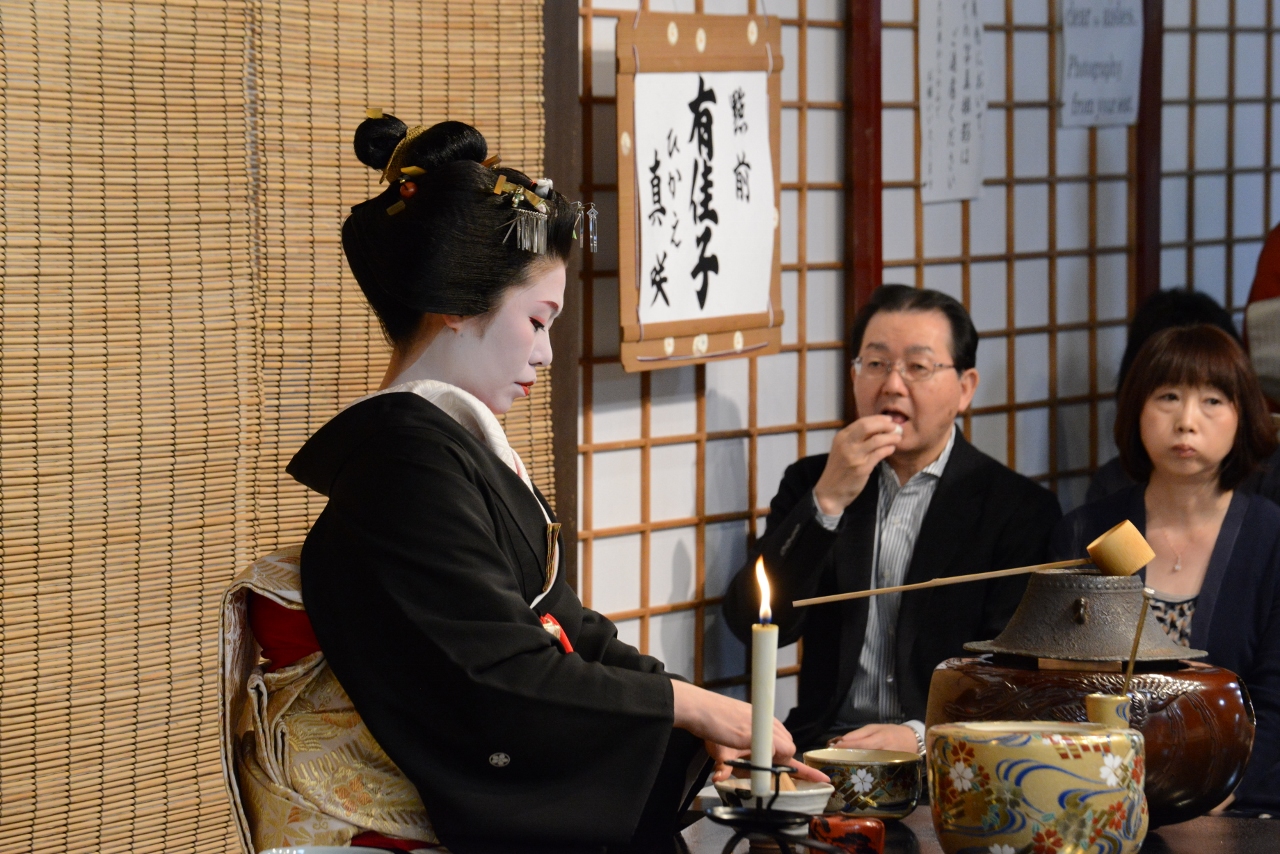
We went to a Geisha show / musical that was a rather interesting cultural experience. I didn’t really know what to expect and I left a bit flummoxed. The costumes were very pretty but we had no idea what was going on during the show since it was in Japanese. It was a lot like Chinese opera but it neither sucked nor did it hurt my ears. Overall, it was a pretty neat experience and I think I’d go again but I’m not sure.

We’ve found more helpful and kind people along the way. I have two great examples: first, as I mentioned, the weather hasn’t been great, so our host ended up getting us a gift of fancy jello (not kidding) as a condolence. I didn’t realize it until that moment but surprise jello is always great and welcomed! Second, it’s hard for us to find places in Japan because street names and addresses usually aren’t posted and a lot of the time Google Maps will have businesses in the wrong location so it’s the worst of both worlds. We depend a lot more our hosts to help us find addresses and routing. One of our camera lenses gave it up to the gods so I started looking online for a store we could visit near us but quickly gave up. I emailed our host and told her that we were looking for a specific lens and about how much it should cost. In very short order she found a store in her little city, she sent a message with the location resolvable in Google Maps, she had called the store and verified they had the lens in inventory, she shared the price and wanted to know if she should call them back to hold the lens for us. Talk about service!

Traveling around Japan and being a tourist in Japan is probably the greatest thing ever. It’s quiet everywhere so we can sightsee in peace even when there are large crowds, people are incredibly courteous so people aren’t cutting in line or barging around the place, everything is on time, there are no scammers, prices are exactly as advertised with no bait&switch, things are very good values, locals are incredibly tolerant of tourist doing stupid things (as we know from the stupid things we’ve done), and when we need help there’s always plenty of people to help us. It is spectacular. We love it. We are sad we are leaving in about three days

Enjoy the photos!

Chris W.
 

Himeji and Hiroshima Japan 2015

Japan is crazy awesome.
After Tokyo we headed to Himeji to see a recently re-opened castle and cherry blossoms. We were very lucky because we ended up getting great weather, saw some awesome cherry blossoms, and we were able to tour the castle without having to wait the 2-4hrs that everyone else did. The coolest thing that happened had nothing to do with those things; we ended up having an awesome experience with a local Japanese man when we went out for supper. This man was called by the restaurant owner to come talk to us because he knew English. So, he arrives, strikes up a conversation and by the time the night was over he had paid for our meal, brought us to his home to meet his dog, I drank all of his beer, he gave me a bottle of sake and a book about samurai. He was super friendly; he said he was very happy to meet us and was happy to speak English with us. Very cool experience.

The Himeji Castle was just re-opened after five years of restoration work. Combine this with cherry blossoms and it turns out everyone and their uncle was visiting the castle. We bought tickets and quickly realized it was 2-4hr wait to get into the castle so we decided to skip the castle and walk around the grounds. At 3:56PM we were pretty much alone, everyone had left, so we made a dash for the castle to find that there was no line and we were the last people to be admitted before 4PM. We didn’t have to wait and we took our time. The staff let us stick around until 5PM when they told us “sorry, castle is closed”.

Hanami, or eating / drinking while watching cherry blossoms, is a really big deal. Everywhere we go there are groups of people having hanami. We attempted our first hanami, bought a bunch of food and found a beautiful garden to enjoy our lunch. We were wondering why no one else was having hanami and thought it was great we had the place to ourselves. Near the end of our lunch a security guard came RUNNING and told us we could not be eating in the garden. It turns out, eating and picnicking in that garden was strictly forbidden. It may not seem like a big deal but this would be equivalent to eating in a Smithsonian garden.

Hiroshima was neat. The atomic blast dome and the peace park were all really interesting. We spent a lot of time walking around and found many streets, rivers, and water features lined with cherry blossoms, it was beautiful! There’s a very large underground shopping center in Hiroshima so it was easy to get around. In general, the infrastructure in Japan has been absolutely amazing. The trains and subway run on time, there’s mass transit to everywhere we need to go, and most everything is very walkable.

We are in the Kyoto / Osaka area now and we’ve been enjoying it. Unfortunately, we’ve had quite a bit of rainy weather so there’s been fewer outdoor activities :(. That said, the cherry blossoms are just as beautiful in the rain and our experiences here have been just as awesome as the rest of the country!

Enjoy the photos!

Chris W.