Category Archives: Nature Photographs

Cape Town 2015

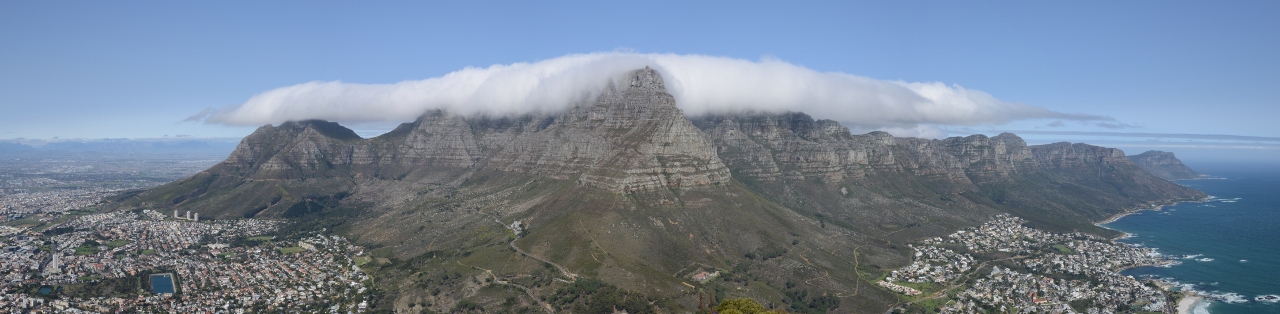
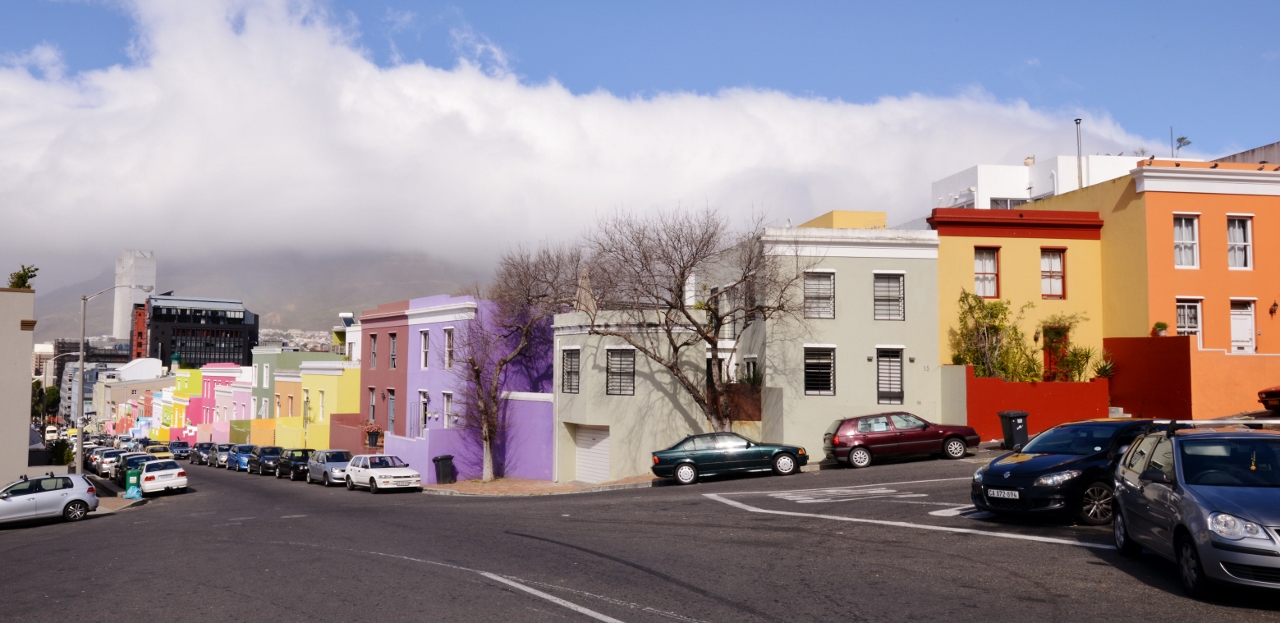
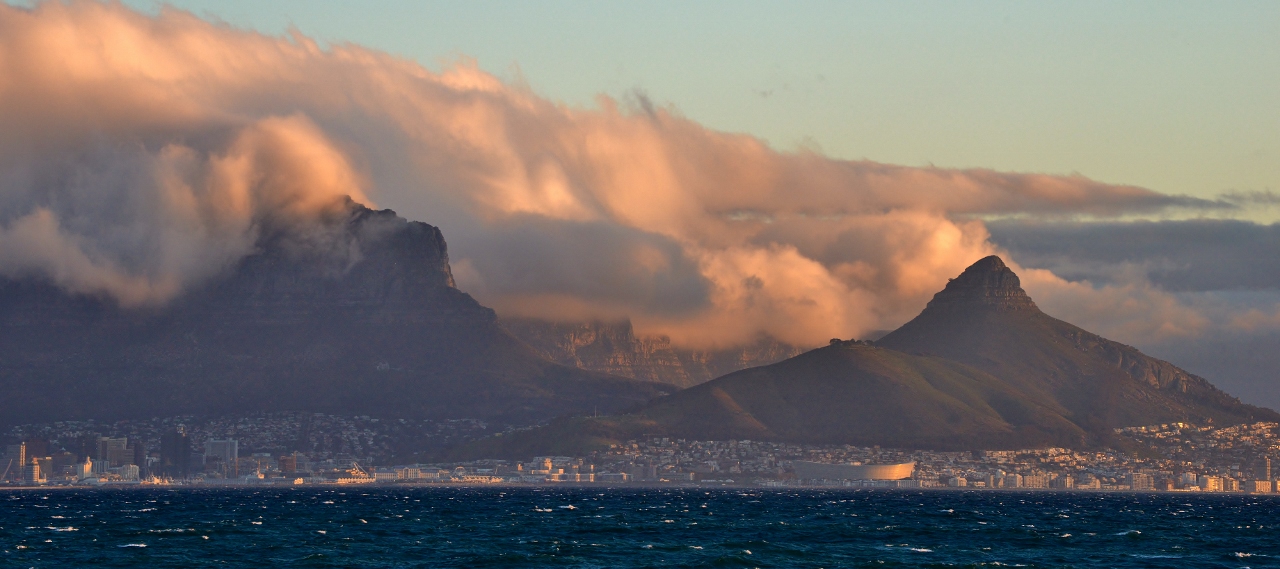
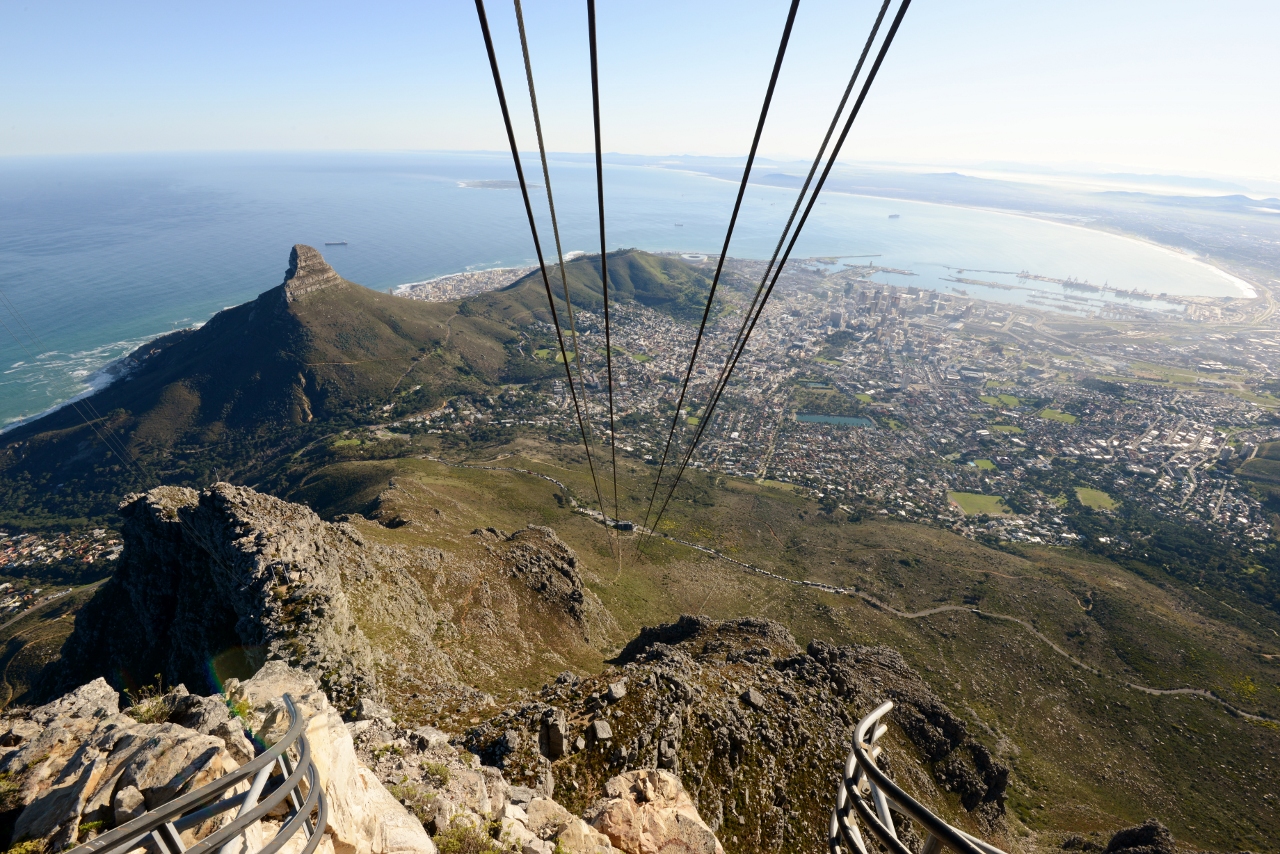
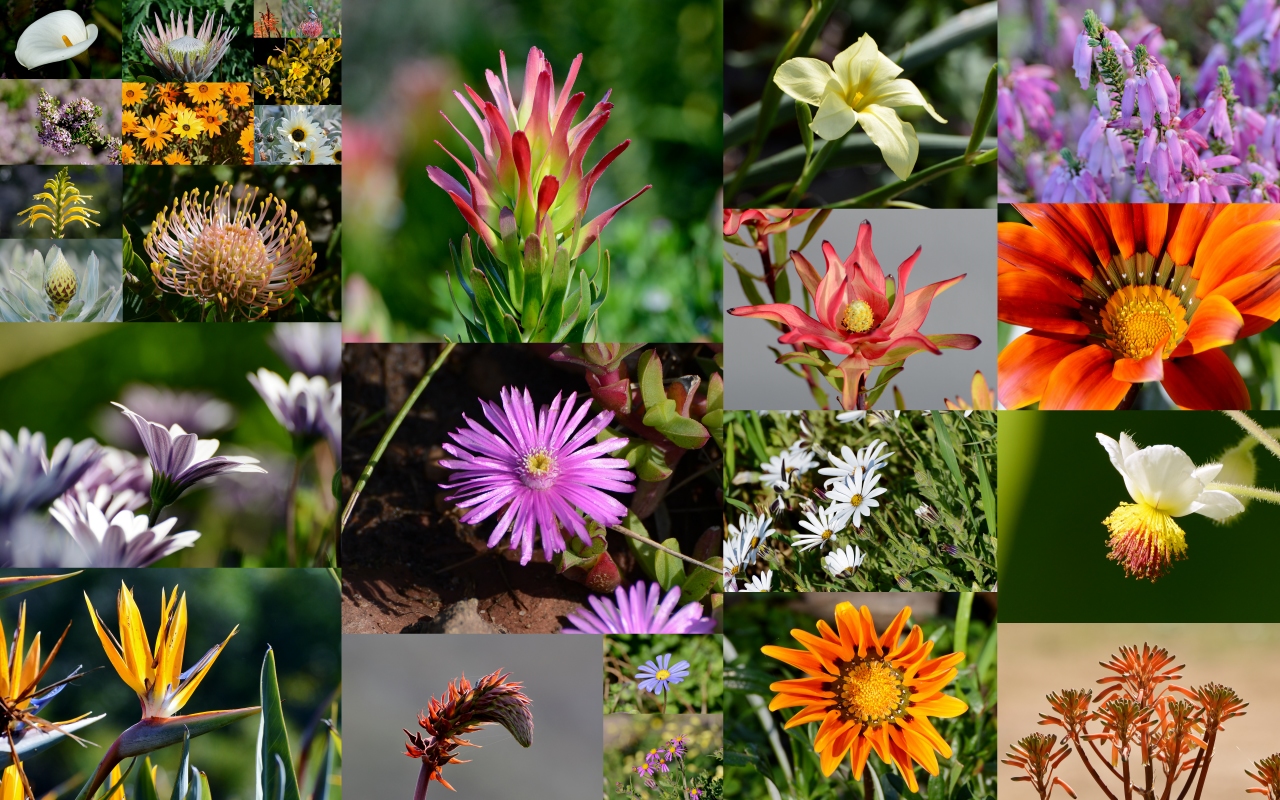
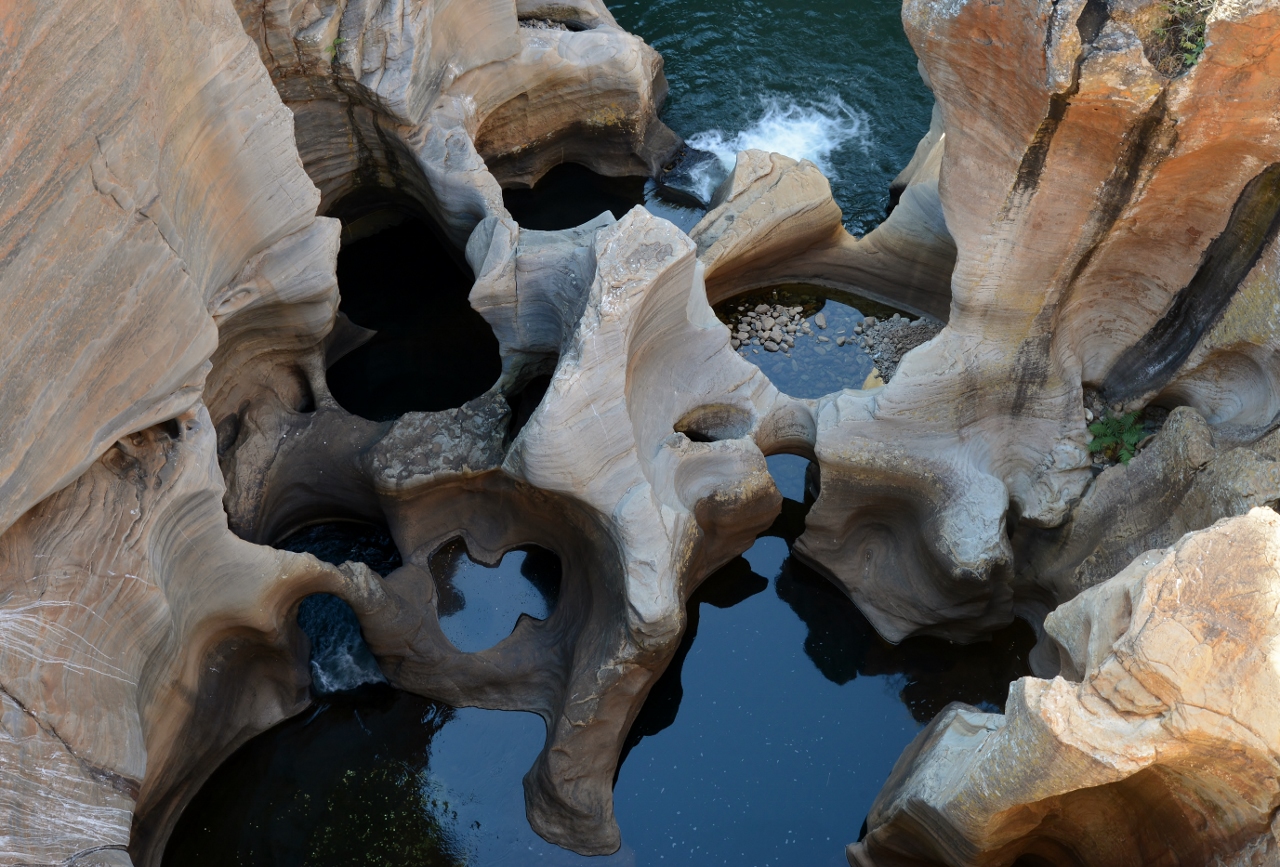
Sadly, we had to leave Cape Town. We spent a little under two weeks exploring Cape Town and the Western Cape and were floored with our experiences. We were surprised to find Cape Town is the number one visited place in Africa, not the pyramids in Egypt. Since it is currently winter in South Africa, we didn’t have too many crowds to deal with and found everything relaxed and laid back. Not many Americans make it to South Africa which is really too bad. The country has a fully developed infrastructure, some great national parks, delicious food, friendly people, very interesting history, and very good values.

We love visiting national parks in the US but we have found most countries’ national parks are nothing like the US’s – they would be very commercialized, no rangers, no real management, lots of people would live in the park, and so on. South Africa is definitely the exception, their national parks are very similar to the US’s. The parks are well structured, well signed, easy to visit, and very good values. There are parks all over the country and we visited three just in the Cape Town area alone. They are truly gems and they alone make South Africa worth visiting for nature lovers.

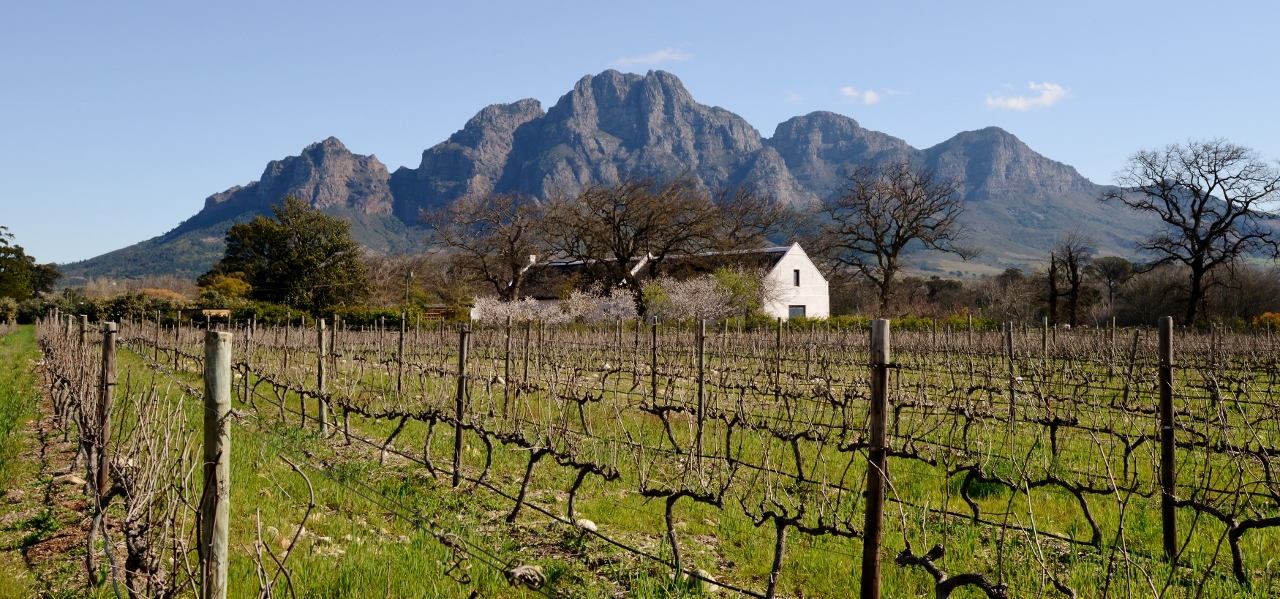
Jacquelyn and I are not wine drinkers and really do not know much about wine other than we like the white colored kind and the red colored kind is a bit more abrasive and unenjoyable. Since the Cape Town area is a famous wine region we decided to tour around a bit and check out the different manors and try some wine; it was fantastically delicious! There’s a really neat feature with some of the wineries: they offer picnics! All a person has to do is make a reservation the day before, show up at the appointed time, and enjoy picnic food and good wine around some very beautiful scenery. We had a lot of fun so I can only imagine how awesome it would be for wine aficionados. Unsurprisingly, there are many wine choices in the super market and most are pretty inexpensive, like $1.5-$3, so it was fun to handful of different kinds.

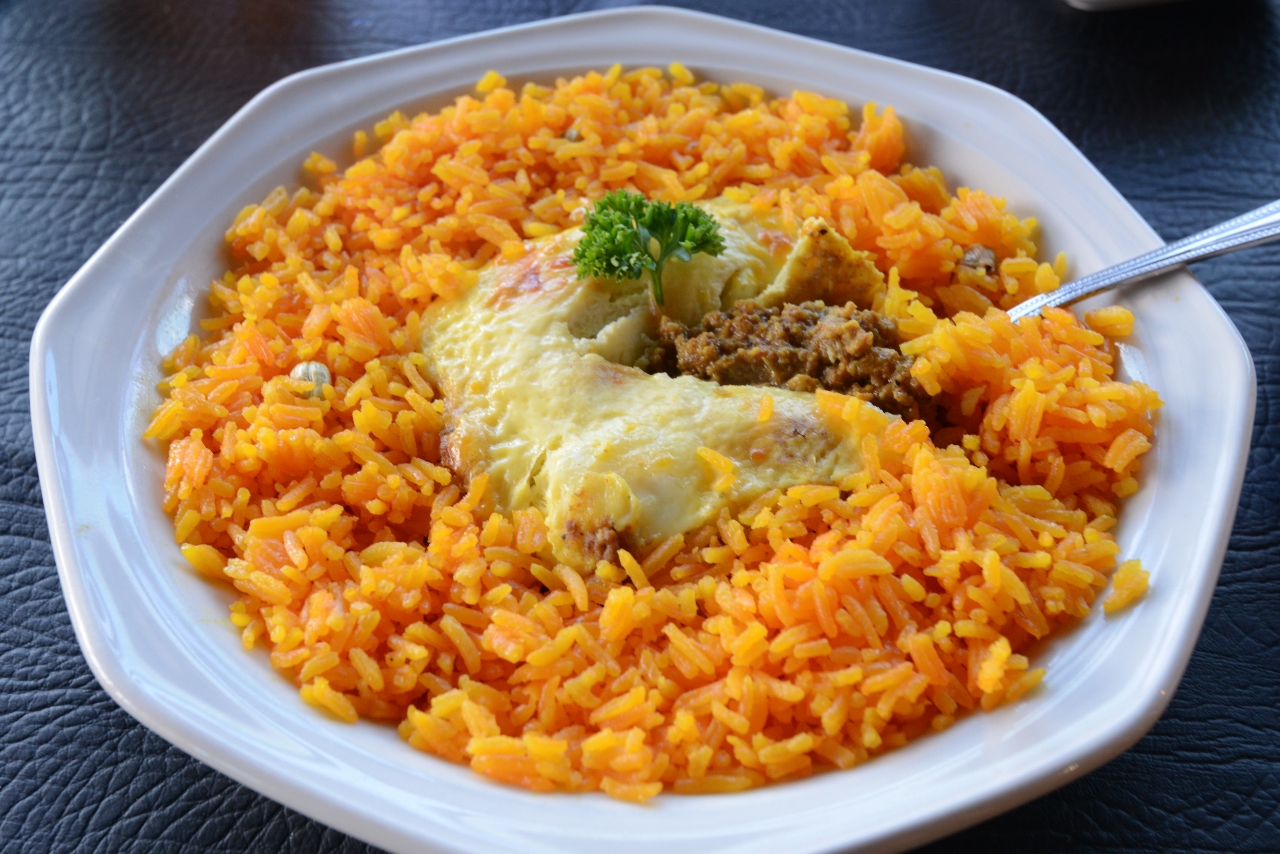
The food was very good. The Dutch and British ruled Cape Town and brought different groups, like Malaysians and Indians, to South Africa for labor which resulted in the melding of food to create some very distinct flavors we’ve never had before! The Malay food style is called Cape Malay; it takes the Malaysian cooking style and blends in Indian spices for European style dishes. There’s a dish called bobotie which can only be described as a meatloaf like dish with very mild curry flavors served with rice. It’s amazing.

Apartheid ended about 25 years ago yet it’s clear Apartheid made a lasting mark on South Africa. We had a handful of conversations with white and black people who lived through Apartheid and I still can’t think of a good way to summarize what we learned as it’s a blend of happy, sad, tragic, heroic, and villainous stories. Things have improved for a lot of people since the end of apartheid but there are still many problems. For people who like history and learning about different cultures, South Africa and Cape Town is a great place to visit to learn about an awful period of time from the very people who lived it.

There weren’t really any downsides visiting South Africa. Infrastructure was great, things were really easy/straightforward to do, and we didn’t encounter many surprises. The only slight inconveniences were the precautions we took for our safety. We received a lot of tips on how to keep ourselves and our personal belongings safe. In general, it seemed like everyone had different strategies for coping with the crime like hiding money in multiple pockets or carrying a large rock in case muggers come out on a hiking trail. Fortunately, we didn’t encounter any muggers and we were never in a situation where we were concerned for our safety. We found Cape Town and the surround area to be very safe. Even with the security / safety situation, I would still recommend anyone visit as common sense goes a long way.

Overall, we thoroughly enjoyed our time in South Africa and Cape Town. It was very memorable stay and we can’t wait to return!

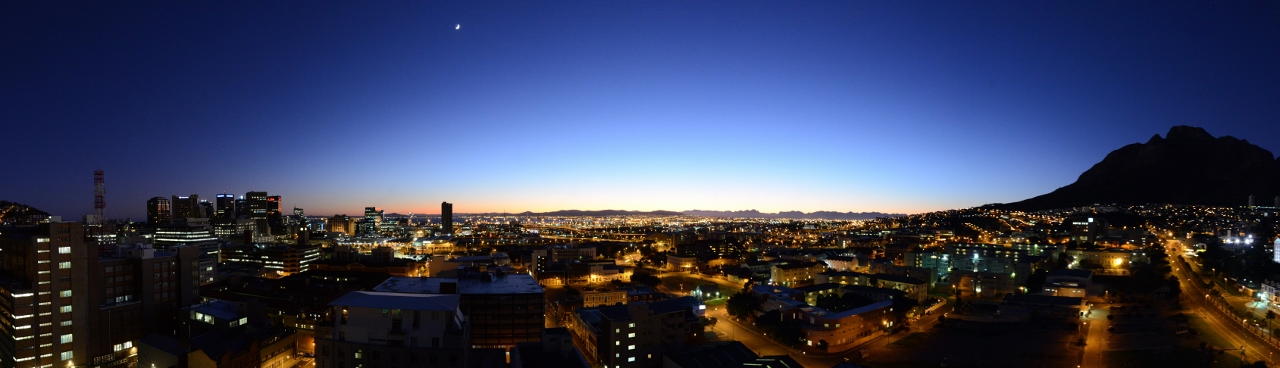
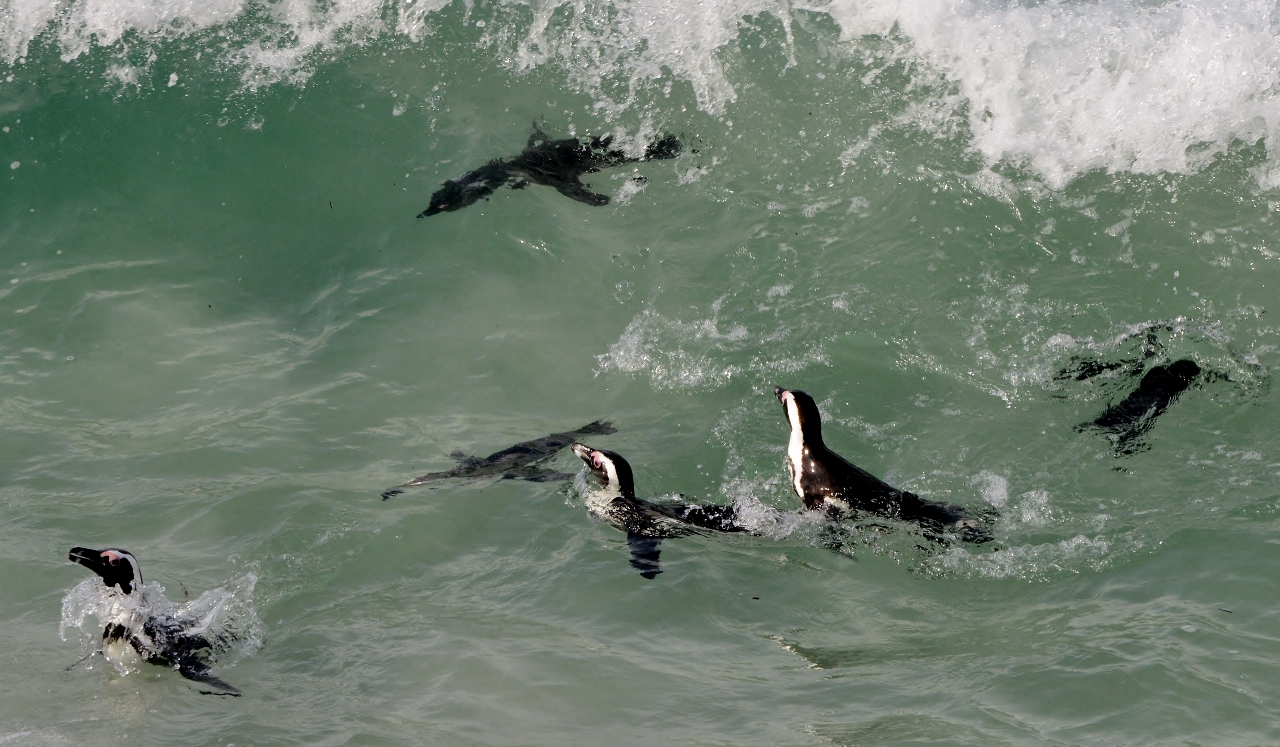
Enjoy the photos!

Chris W.

Victoria Falls 2015

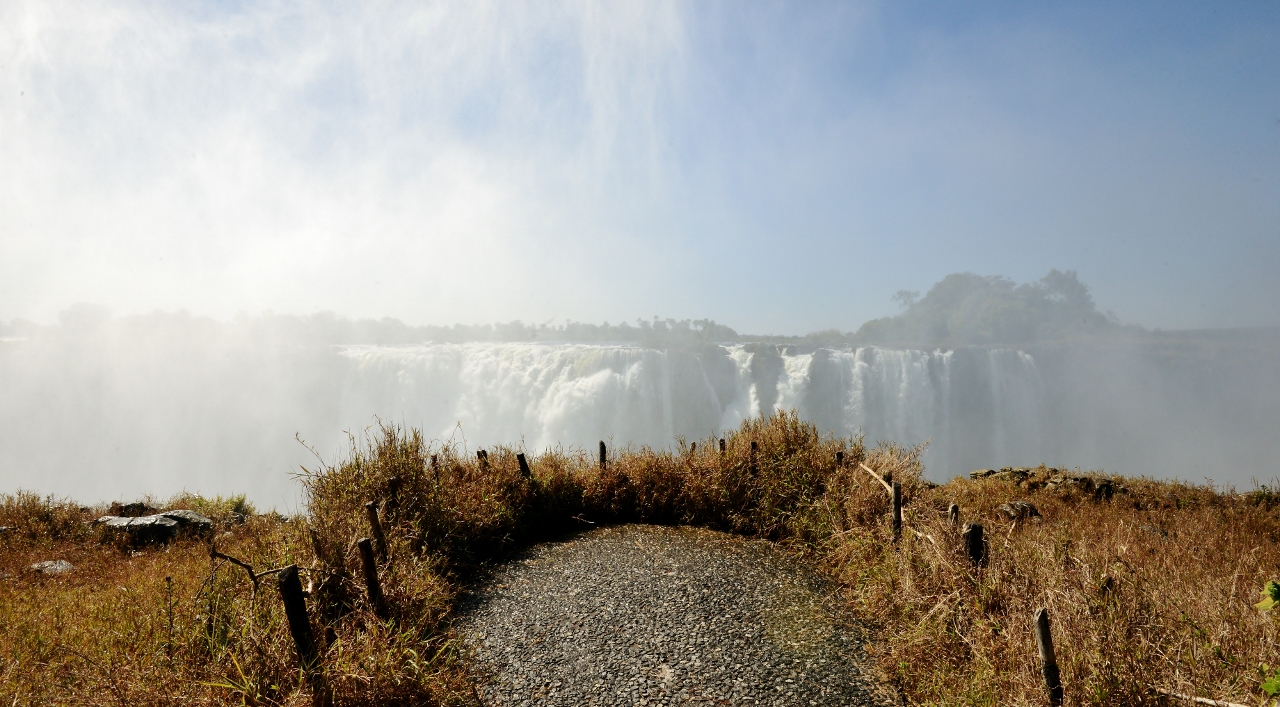
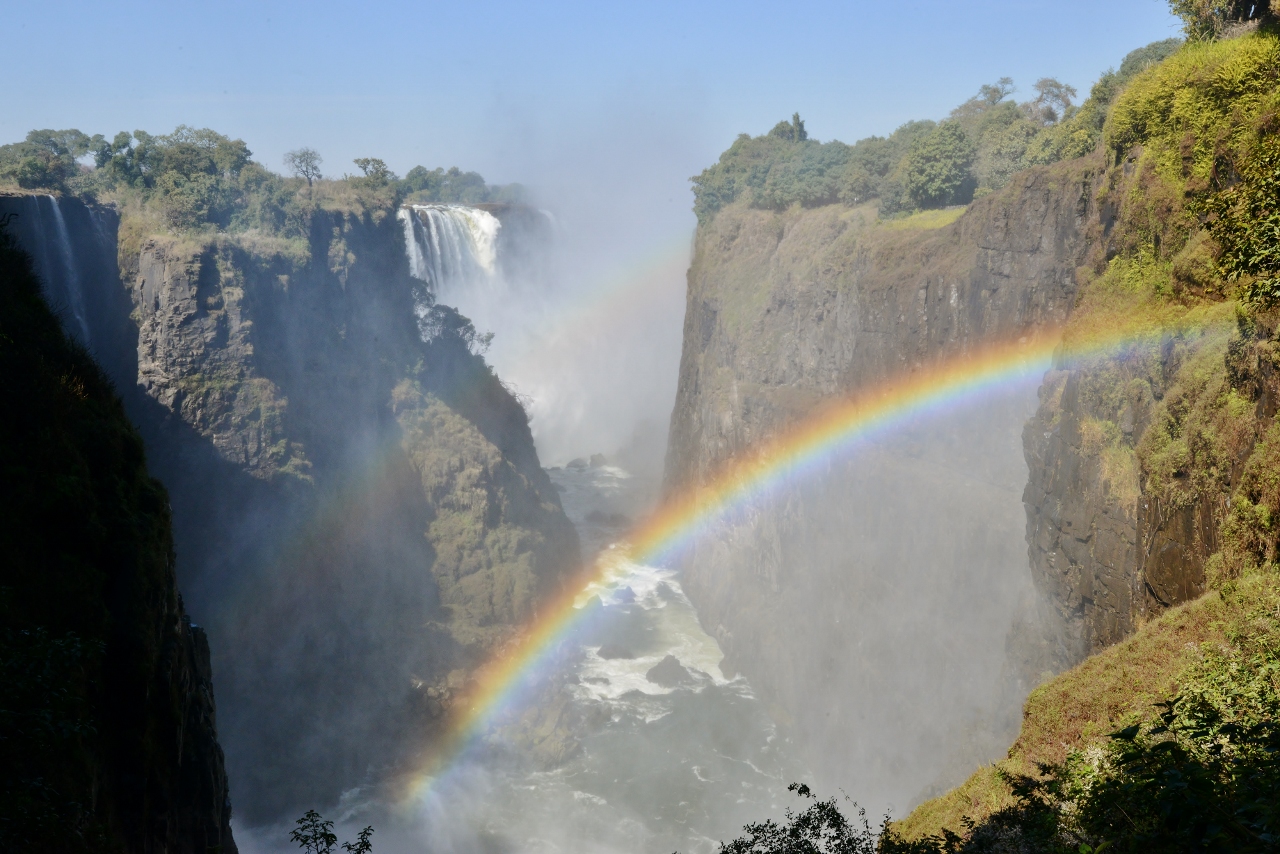
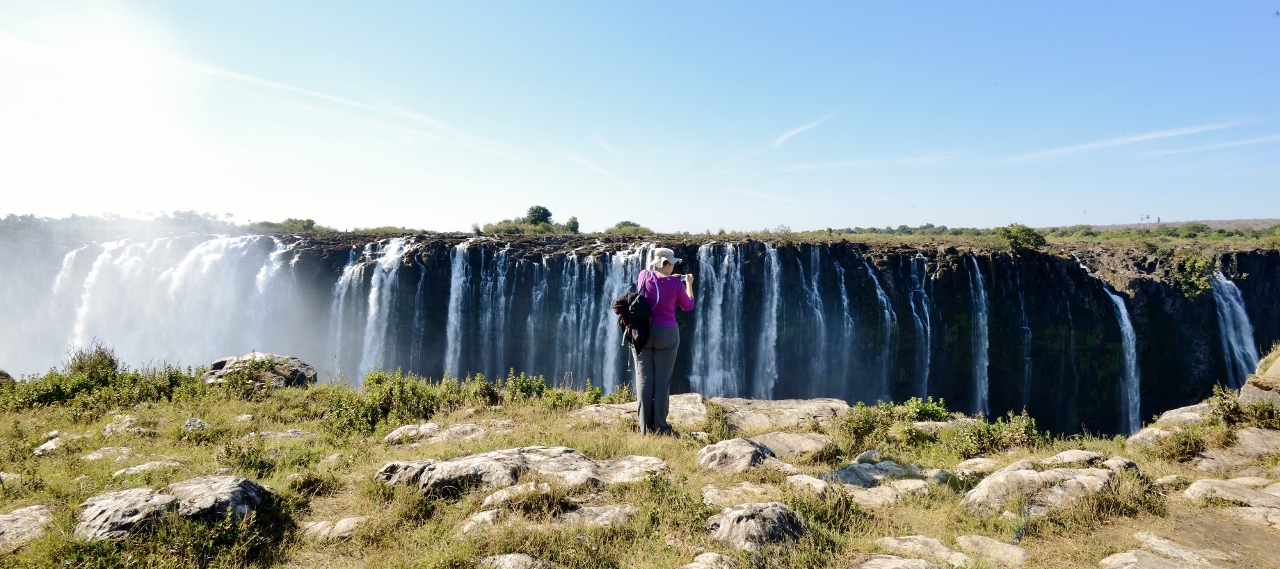
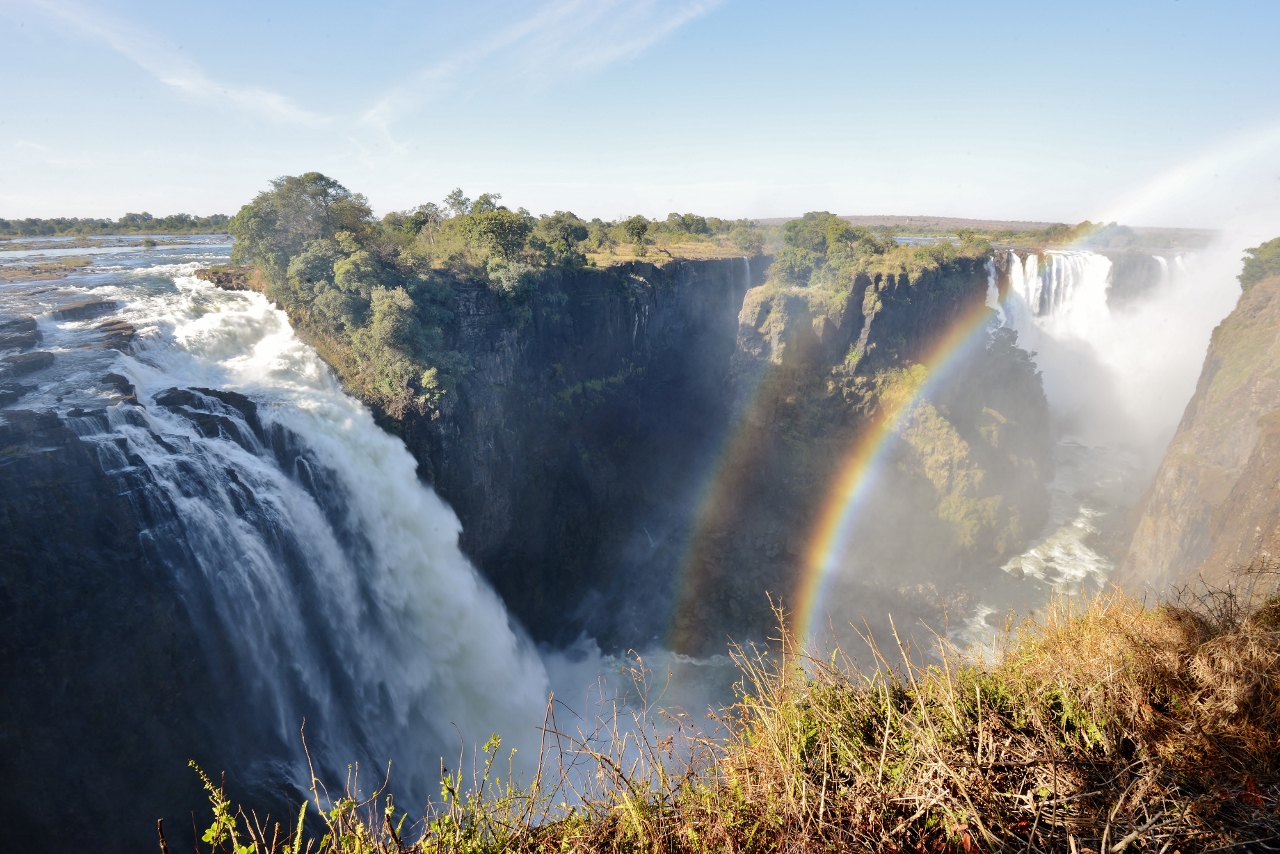
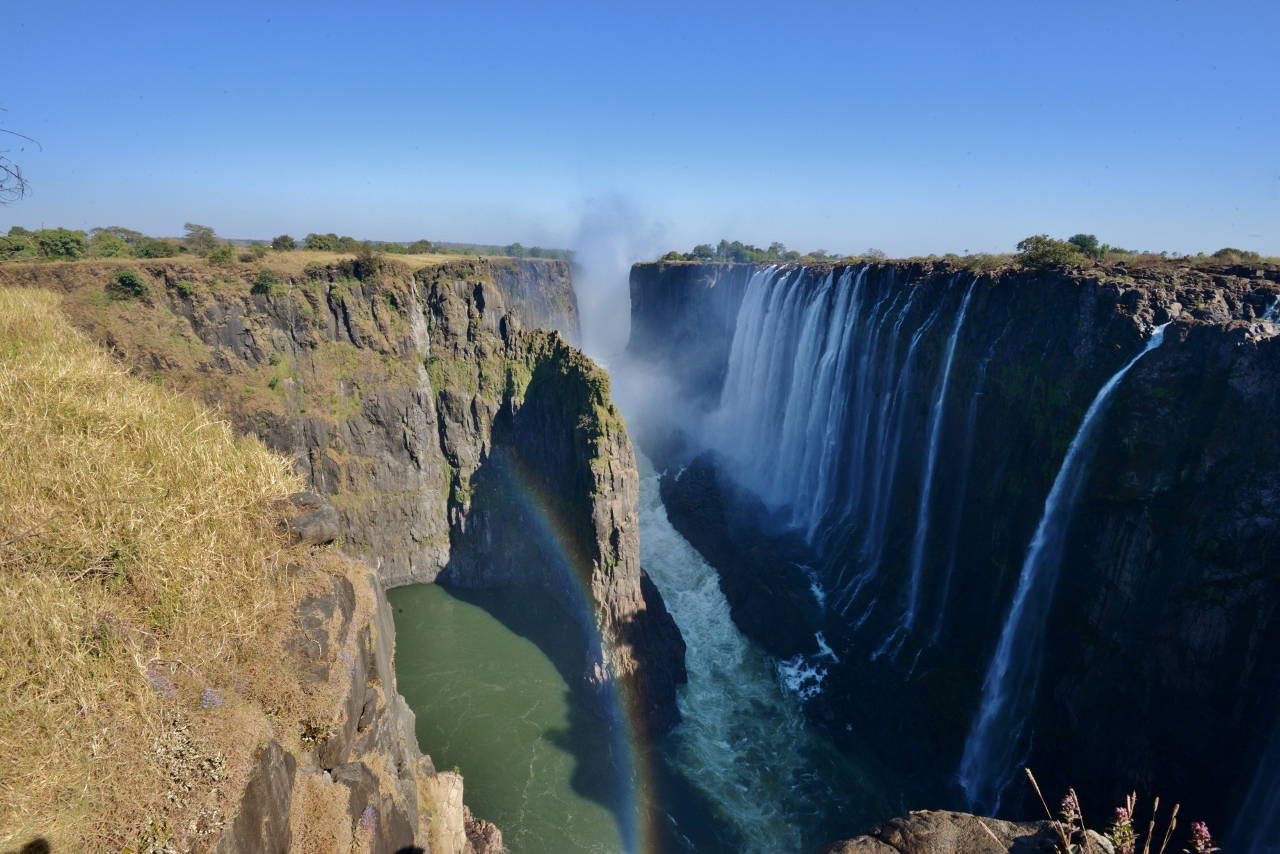
Victoria Falls was stunning. We spent multiple days visiting the falls and enjoying its splendor. The view changed throughout the day as the sun moved across the sky: some areas became more clear, rainbows would appear only to disappear later. It was really easy to spend all day at the parks watching the waterfalls. No amount of videos or photos could have prepared us for how awesome the falls were. That said, there were some pretty large negatives in our visit which would preclude us from recommending anyone to visit unless for some specific circumstances

Victoria Falls straddles the border between Zimbabwe and Zambia and each side has national parks / viewpoints to see the falls. We visited both sides over the course of five days and were extremely surprised with what we found. Both Zambia and Zimbabwe are poor but Zimbabwe is REALLY poor. It is the most poor nation we have visited and there are only 22 other nations more poor than Zimbabwe in terms of average incomes and purchasing power. Zimbabwe had hyperinflation for a number of years and now uses the USD as their official currency. We ended up buying some of their old hyperinflated currency as souvenirs so now I can say Jacquelyn and I are officially billionaires many times over :).

While both nations are very poor, everything is a very bad value. This part of our trip has earned the distinction of being the absolute worst value we have ever encountered. The costs of things made absolutely no sense – we were paying greater than Western Europe / US prices for commodity items. Prior to our travel to the area, we had learned things were a bit expensive but we were not prepared for being treated like walking / talking ATMs. At times, setting our money on fire would have been more enjoyable than the services or items we received at the price we paid. Just an example: we take a lot of photos during our travels in the last year and we regularly back the photos up to the cloud for safe keeping. One restaurant we visited wanted $1 per 8MB of data; at that rate we would have spent nearly $150,000 backing up all our of our photos to the cloud. If I asked a local to shove a stick in my eye I’m convinced it would cost no less than $45 which is shocking as a stick in the eye should be free. Visiting Victoria Falls simply a bad deal.

We felt really happy at the falls and really enjoyed our time in the parks. Everything outside of the parks suffered from serious disorganization and basic activities, like checking in at the airport, became pretty large ordeals. This is similar to other poor nations we have visited but it was some of the worst we have experienced.

So, at the end of the day, we are glad we saw the falls but we won’t go back.

Enjoy the photos!

Chris W.

South African Safari 2015

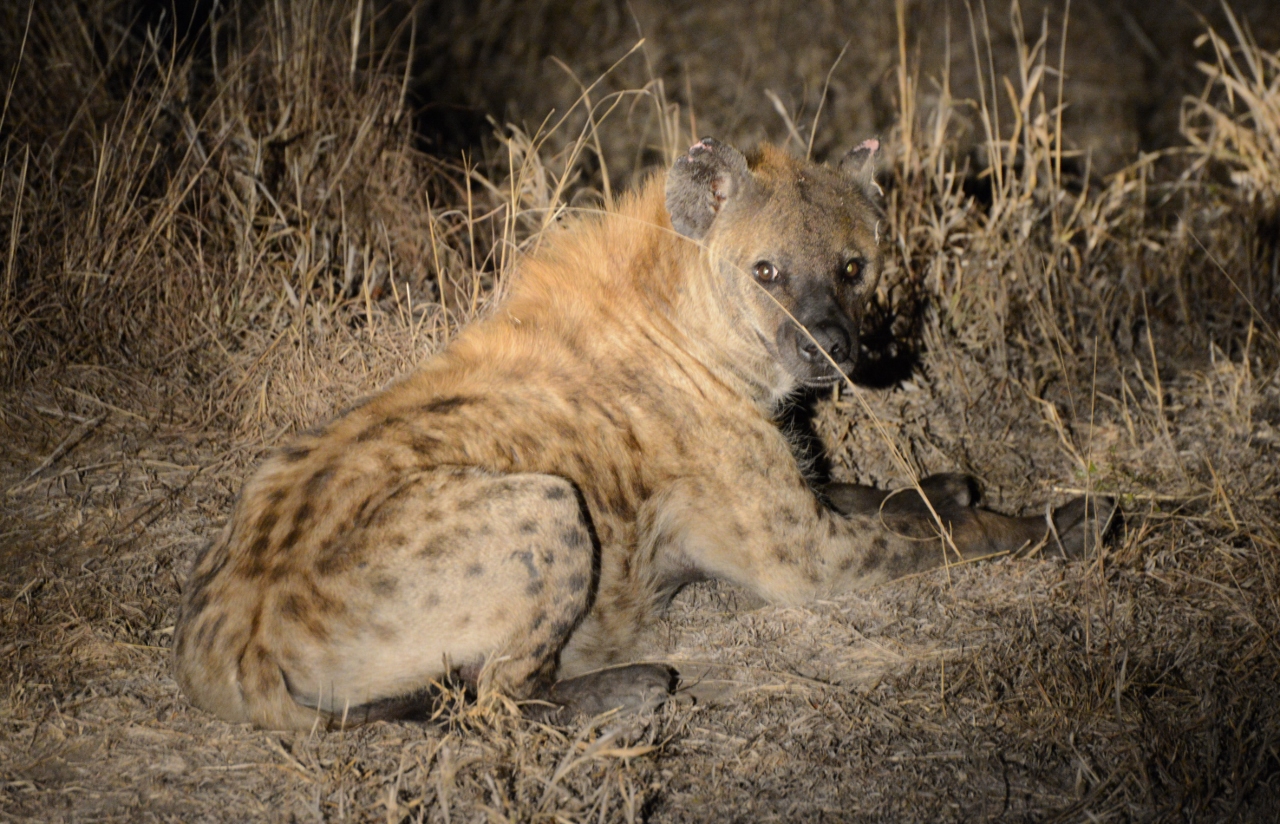
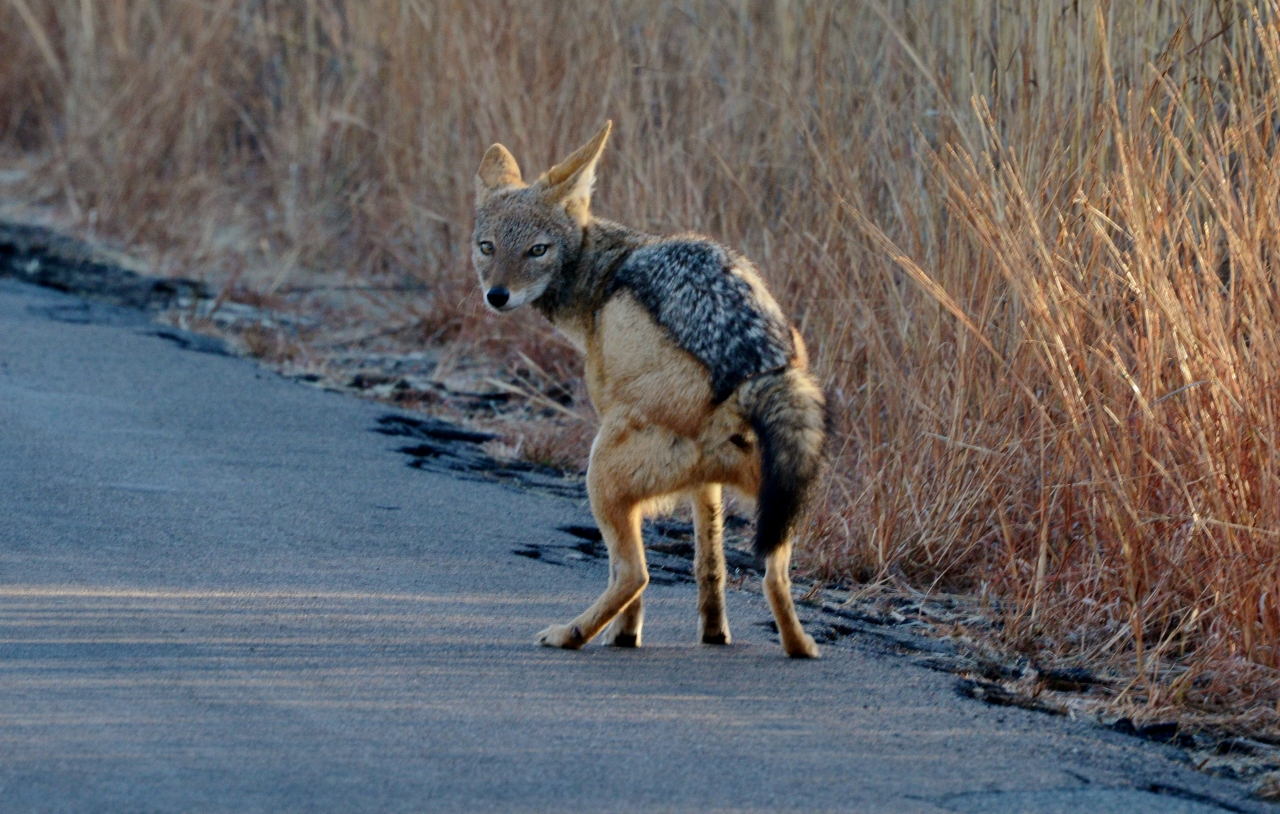
Who would have guessed driving at slow speeds while staring out the windows looking for African game animals for hours on end would be enjoyable? Certainly not Jacquelyn or I. Turns out, safari driving is a lot of fun! We spent about a week and a half in two different South African national parks watching the big game animals like lions, elephants, water buffalo and so on. It was a really cool experience and we really enjoyed our time; South Africa is an incredible place to boot with super friendly people, amazing scenery, great food, some very strange practices, and a great value overall. We have left South Africa for the time being, but we will be returning in a handful of days to explore the Cape Colony area – we really look forward to our return!

When we first set out on our trip, we didn’t really think we’d be going on safari. Neither Jacquelyn nor I are really animal people and we’ve never spent the time to look at animals we encounter in nature. We knew we’d be going to Africa so we started planning the places we wanted to visit. I read about “self driving safaris” where we wouldn’t have to go with a tour agency and we could go on our own pace. We have come to deeply detest guided group travel so this was a huge plus. We then learned we could stay within the national parks at different camps that had all the amenities we enjoy like running water, beds, cooking facilities, and surrounded in natural beauty. After researching where to visit, we settled on two national parks figuring at the very least we would be able to enjoy nature.

We sought out a lot of advice for South Africa since we had heard stories about danger and how people need to be very careful. All the recommendations boiled down to two items: don’t drive at night and treat stop signs like a yield sign to prevent theft/carjacking. Pretty easy advice to follow but we later learned the recommendation to drive during daylight was partially due to all the potholes in the roads. Apparently, there’s a pretty big problem with people popping tires or rolling vehicles when avoiding potholes so it’s recommended tourists simply drive during the day to be safe. That said, the roads were in good shape, we’ve driven in much worse conditions and didn’t feel as though the potholes inconvenienced us in the slightest.

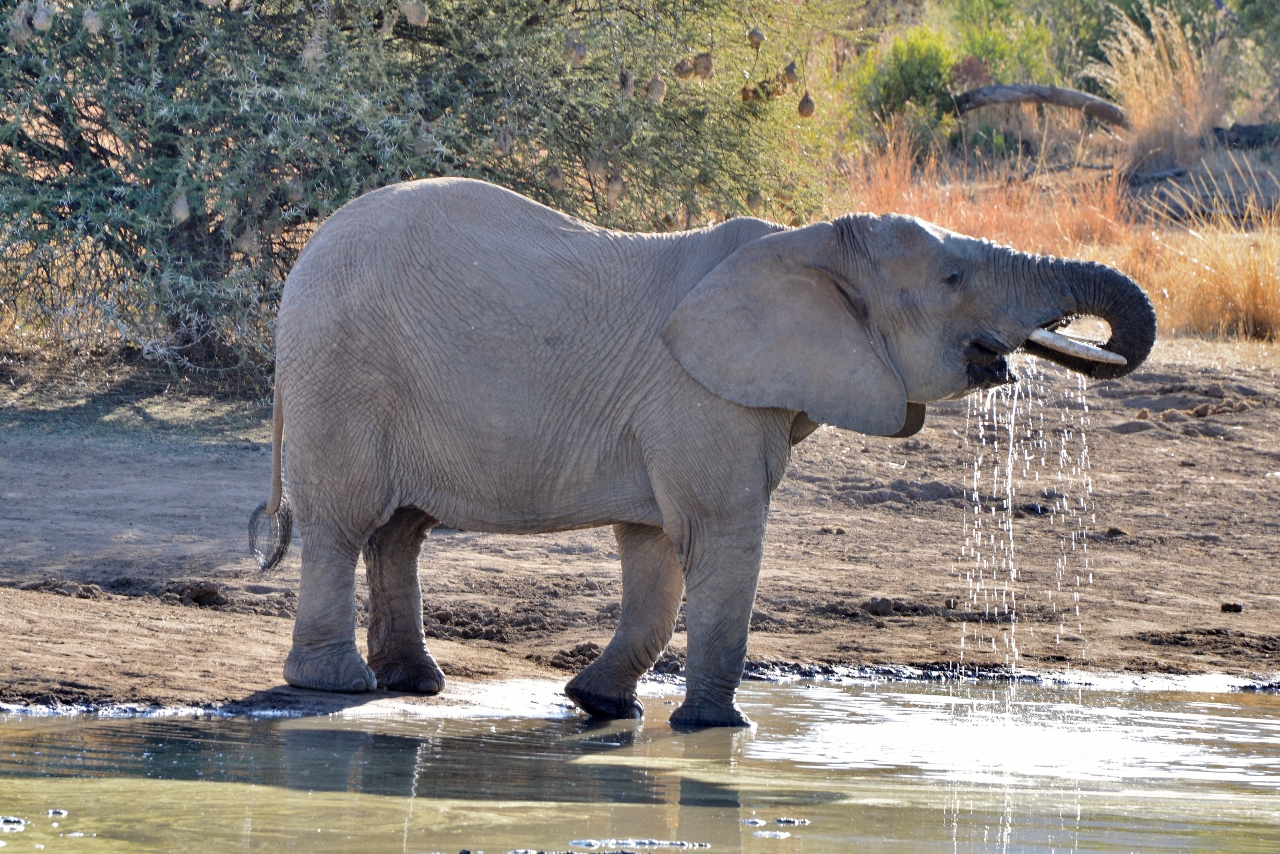
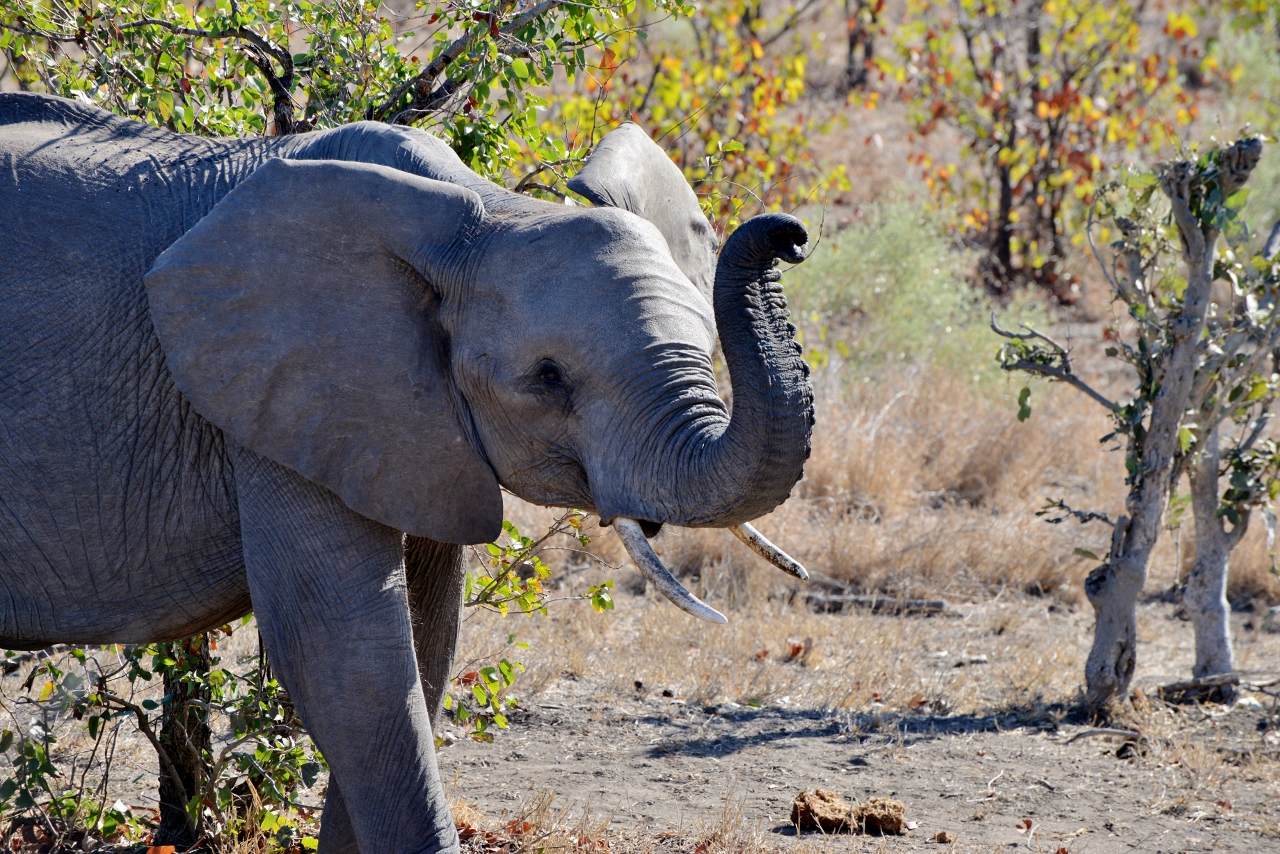
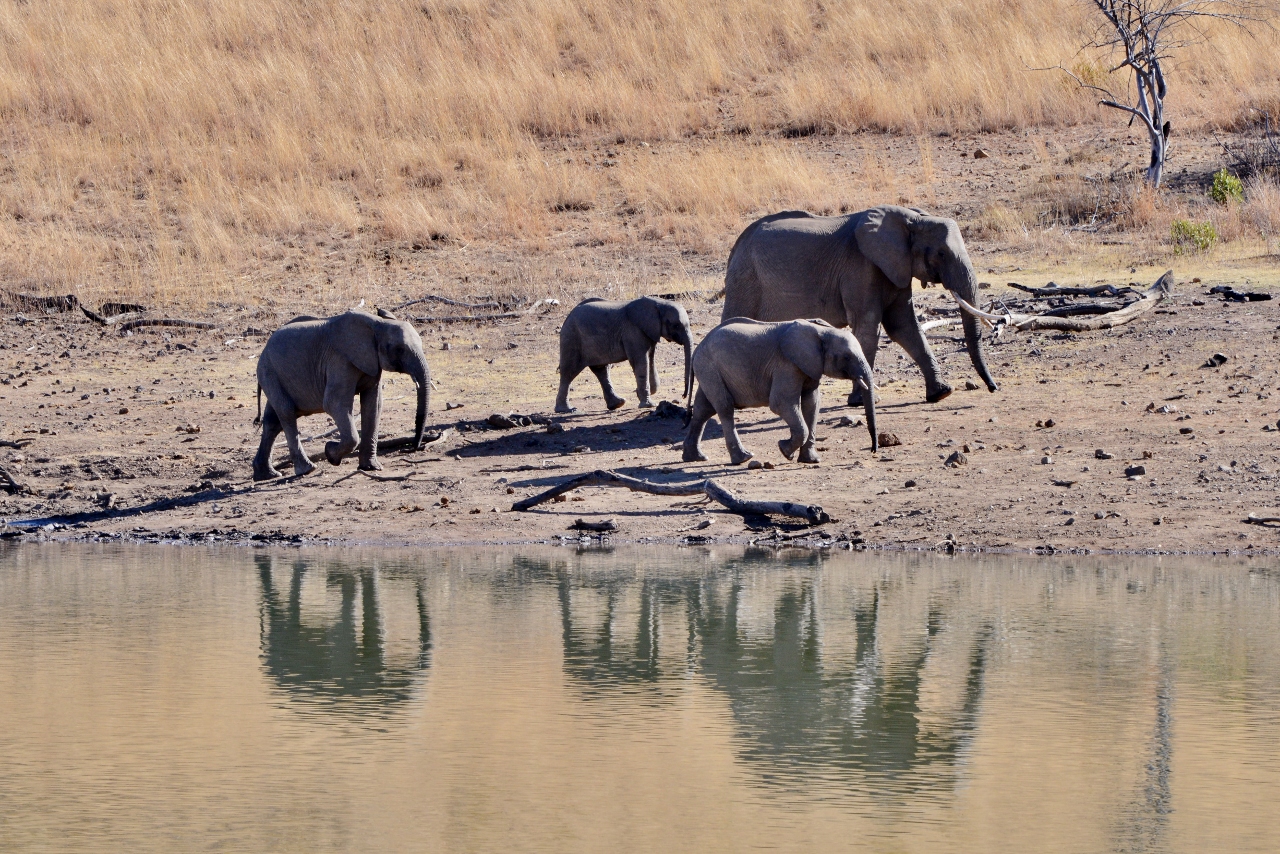
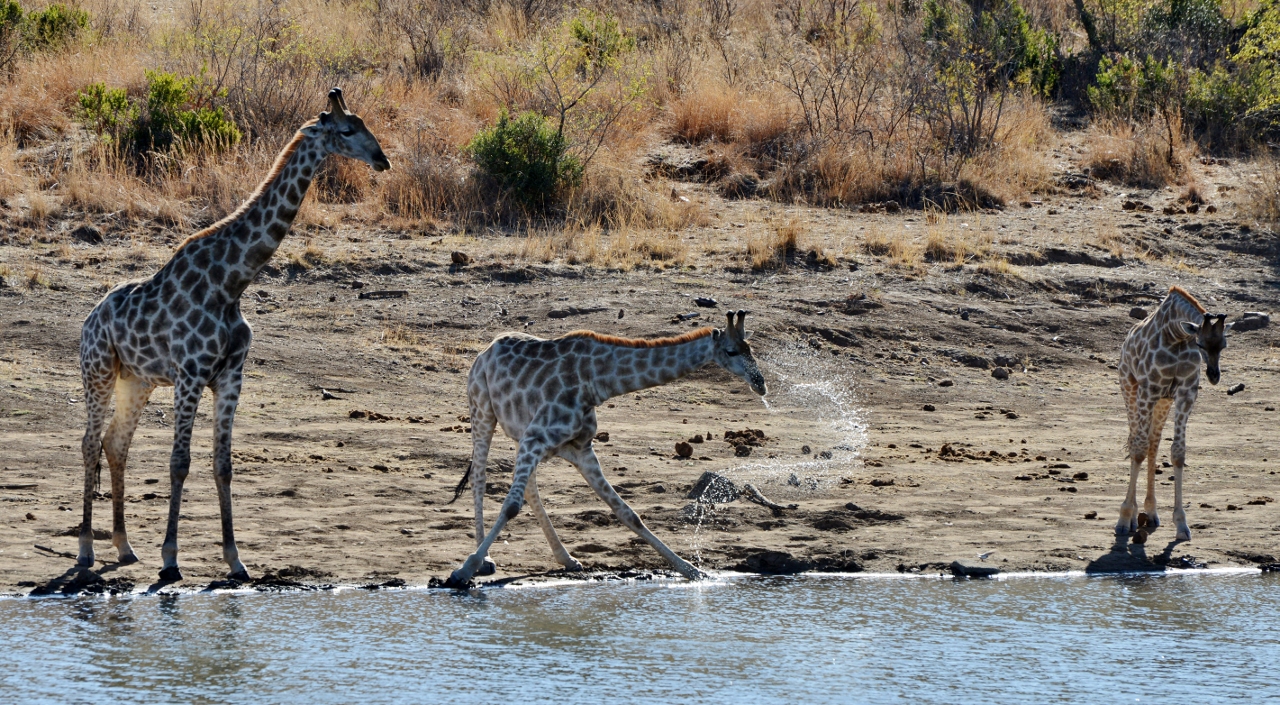
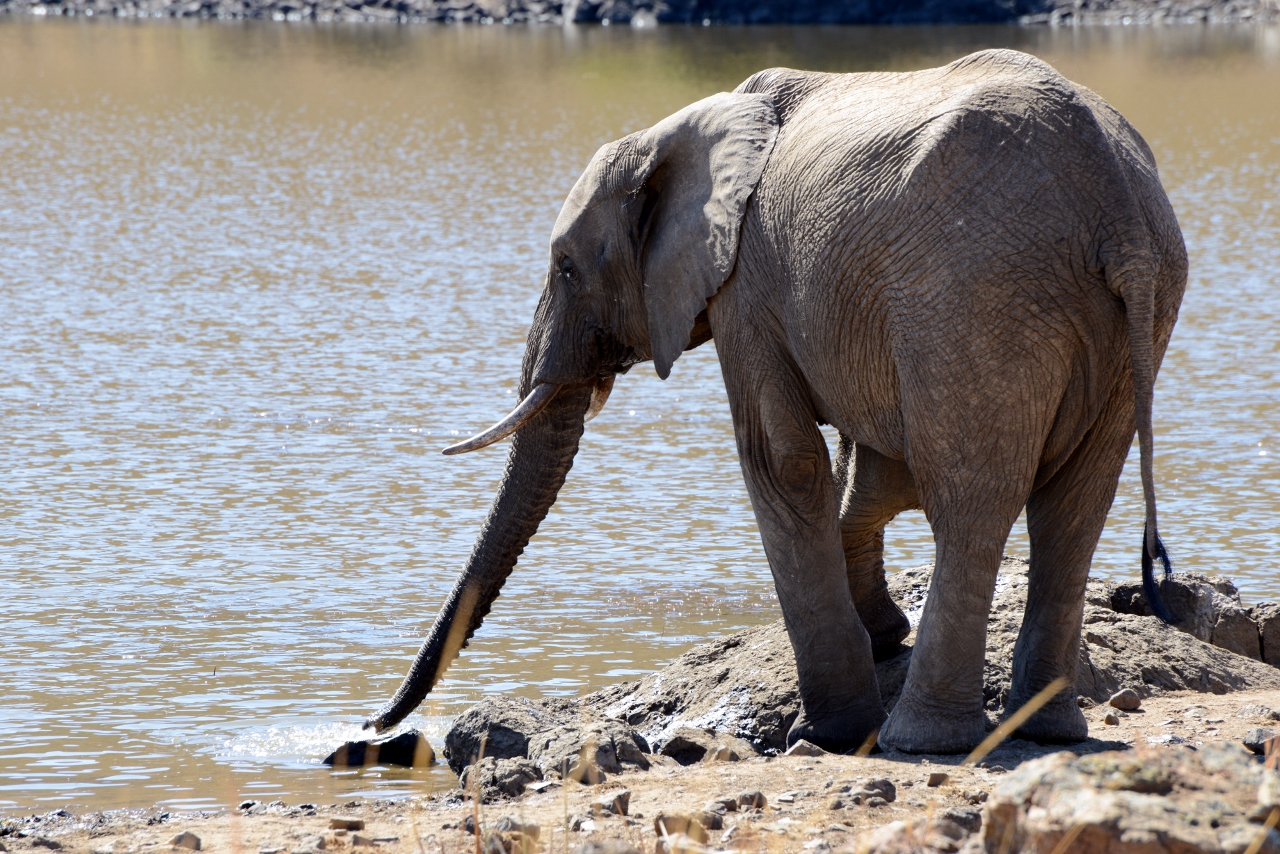
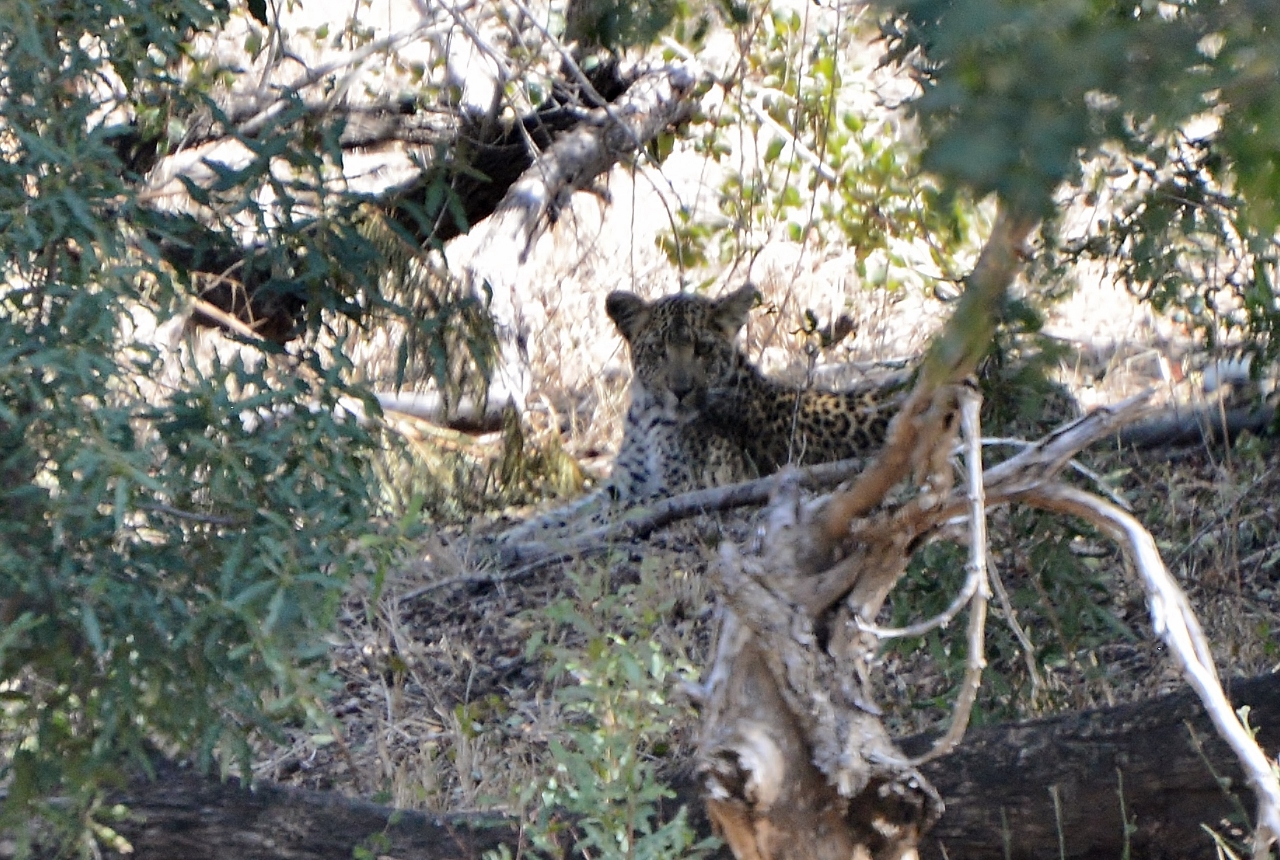
We saw a lot of animals and it was really fun. Some animals, like giraffes, have really odd behaviors that make this rather majestic animal look completely ridiculous. There’s the big five game animals, rhino, elephant, leopard, lion, and water buffalo, that everyone strives to see when safari driving. It was easy enough to spot rhinos, water buffalo, and elephants since they are kind of hard to miss, but it was very difficult to spot lions and leopards. We almost went the entire trip without spotting a leopard because they are uncommon so it became our mission to spot a silly leopard only because that was the last of our big five sightings. We asked rangers, we looked at the sighting boards, and we asked other tourists just so we could see a leopard in the wild. Luckily, we saw one on our last day as we were headed out of the park. For people who don’t really care about animals in nature, we really put a lot of effort into seeing animals during our safari drives :).

So South Africa has some peculiarities, but I’ll just mention two. First: whenever we parked a vehicle in a public place there was always some random people who would “watch our car” to make sure no one messed with it while we were running errands, eating, or whatever. These people did not work for the places we were visiting, they were car watching entrepreneurs. We’ve been a lot of places where people demanded tips or wanted money for doing nothing so at first I just thanked the watchers and then left. After asking some locals whether this was legitimate I was told “Well, yeah, they watched your car for you”. It turns out these guys really did their job and didn’t just collect tips. We saw three car watchers forcefully remove a guy from the parking lot. Until I visited South Africa, I never thought car watching could be a dangerous or violent occupation. Second: people really take animal watching super serious. It was common to see $12,000 camera lenses, super expensive binoculars, and I even saw a vehicle mount system for someone’s zoom lens. We drove all over the national parks and from time to time would find some serious safariers hiding away from the crowds. We would chat with them and often times found they looked down on the casual safarier. There’s a stark difference between the regular folks and these super safariers – Jacquelyn and I would have the radio blaring while going as fast as we legally could looking for whatever animals were out in the open and these serious folks would be driving extremely slow, be very quiet, and they would be inspecting every nook and cranny. We quickly learned to spot those folks and then ask them what they saw – we saw a lot of cool wildlife that way!

We loved our time in South Africa and we’re really excited to return!

Enjoy the photos!

Chris W.


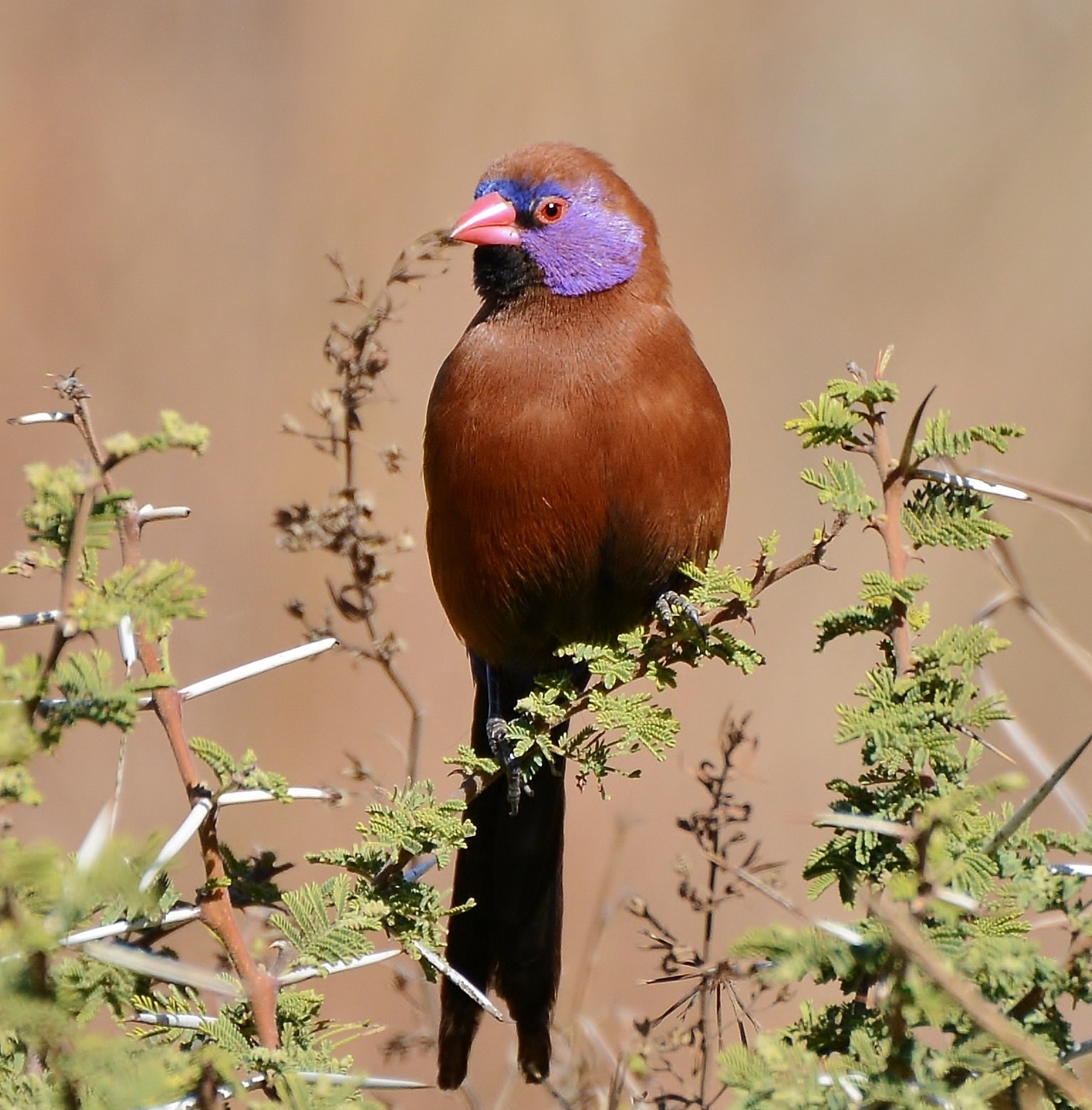
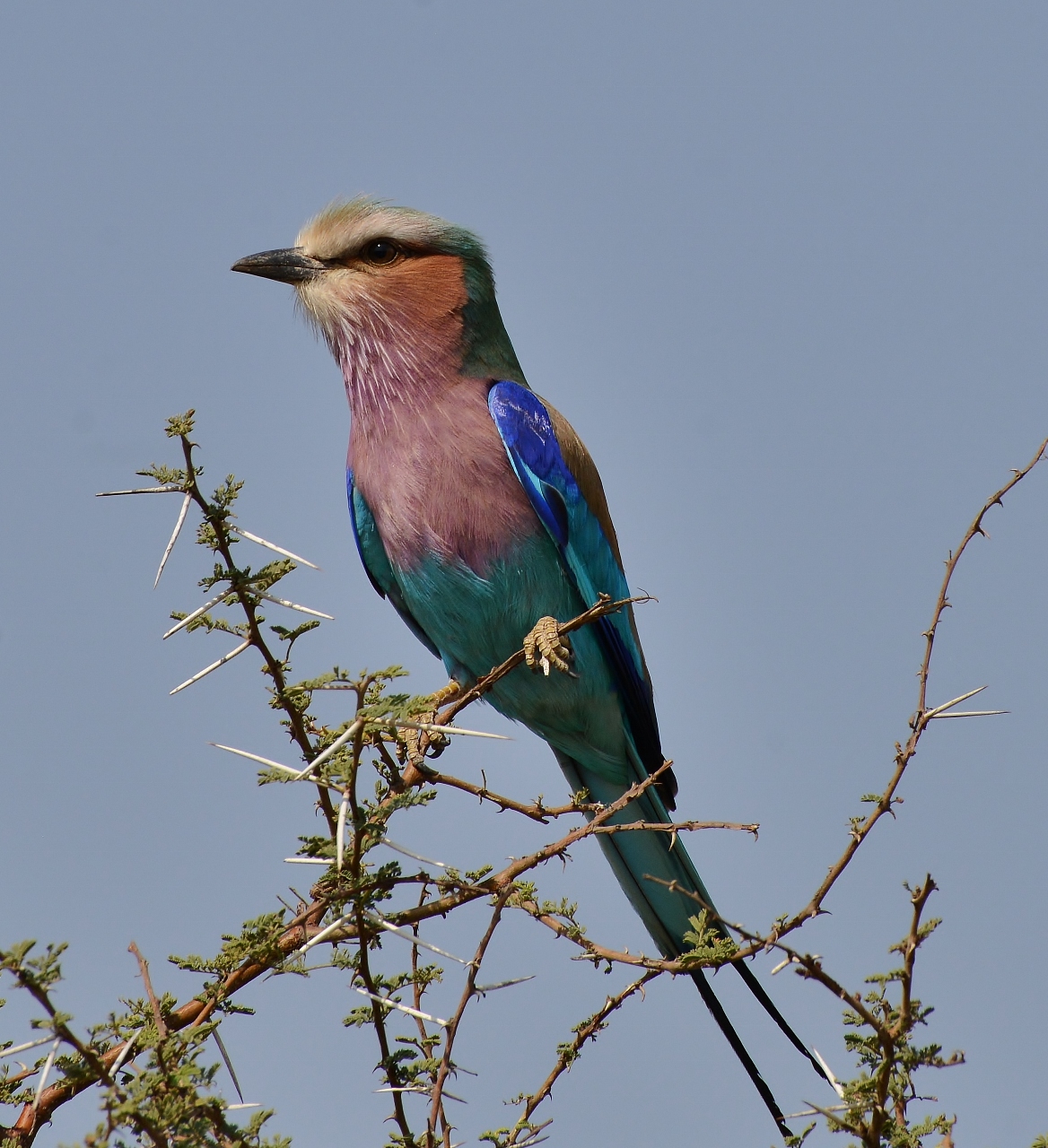
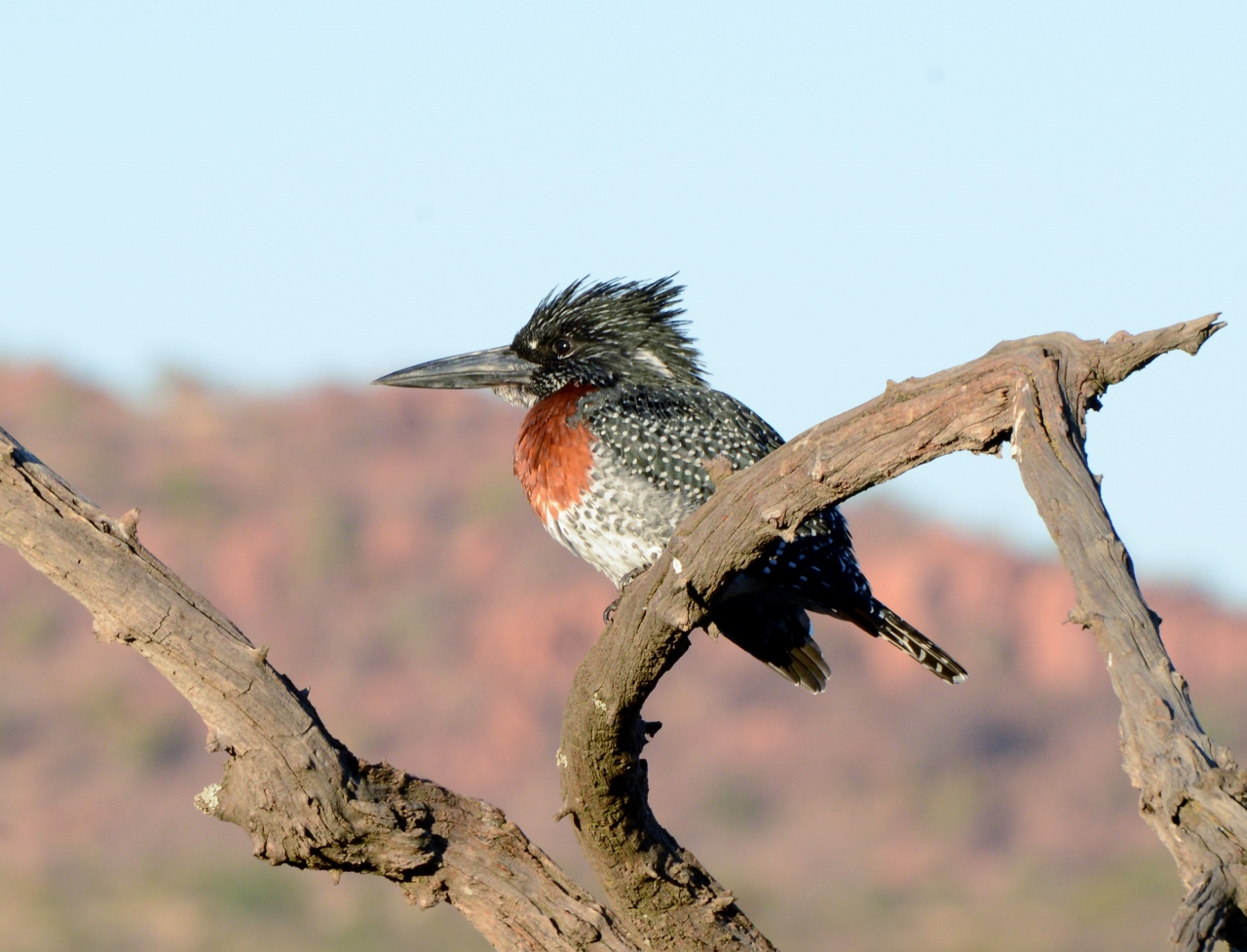
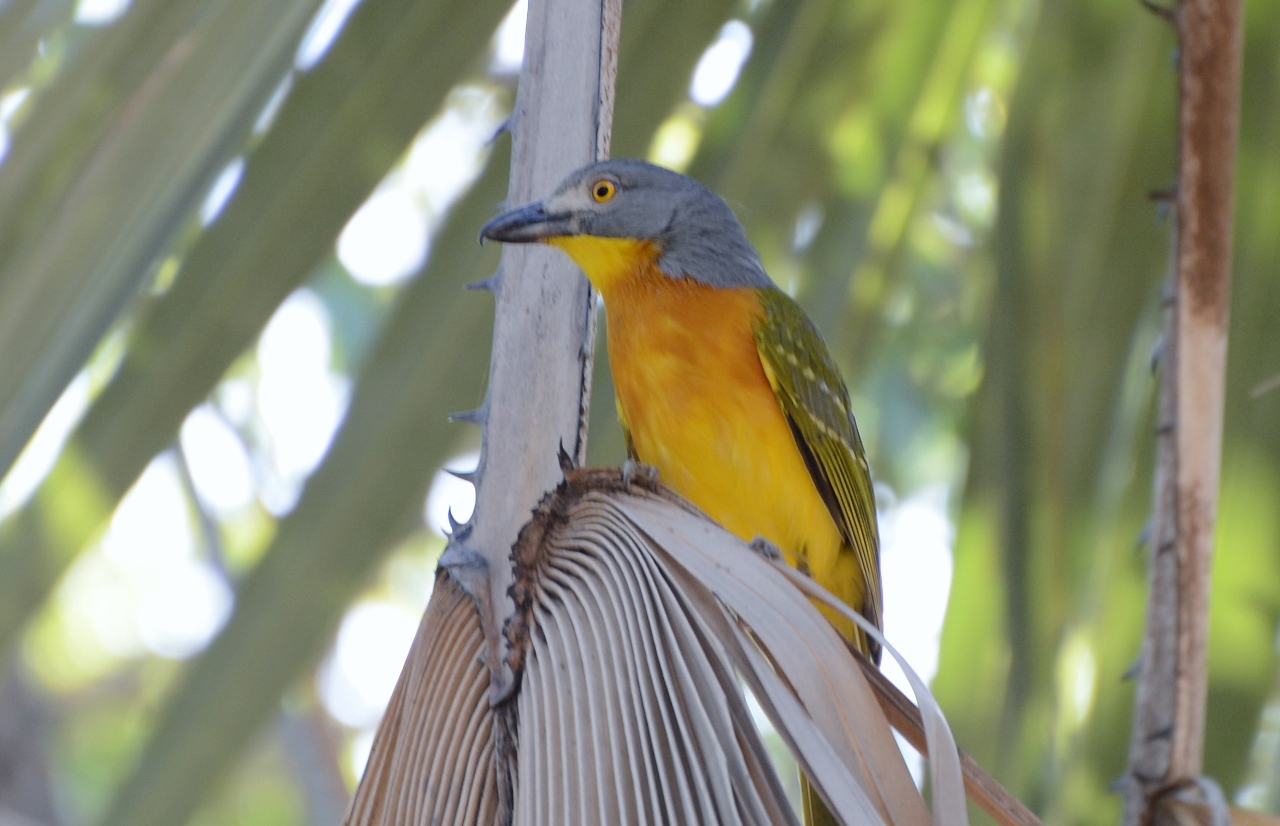
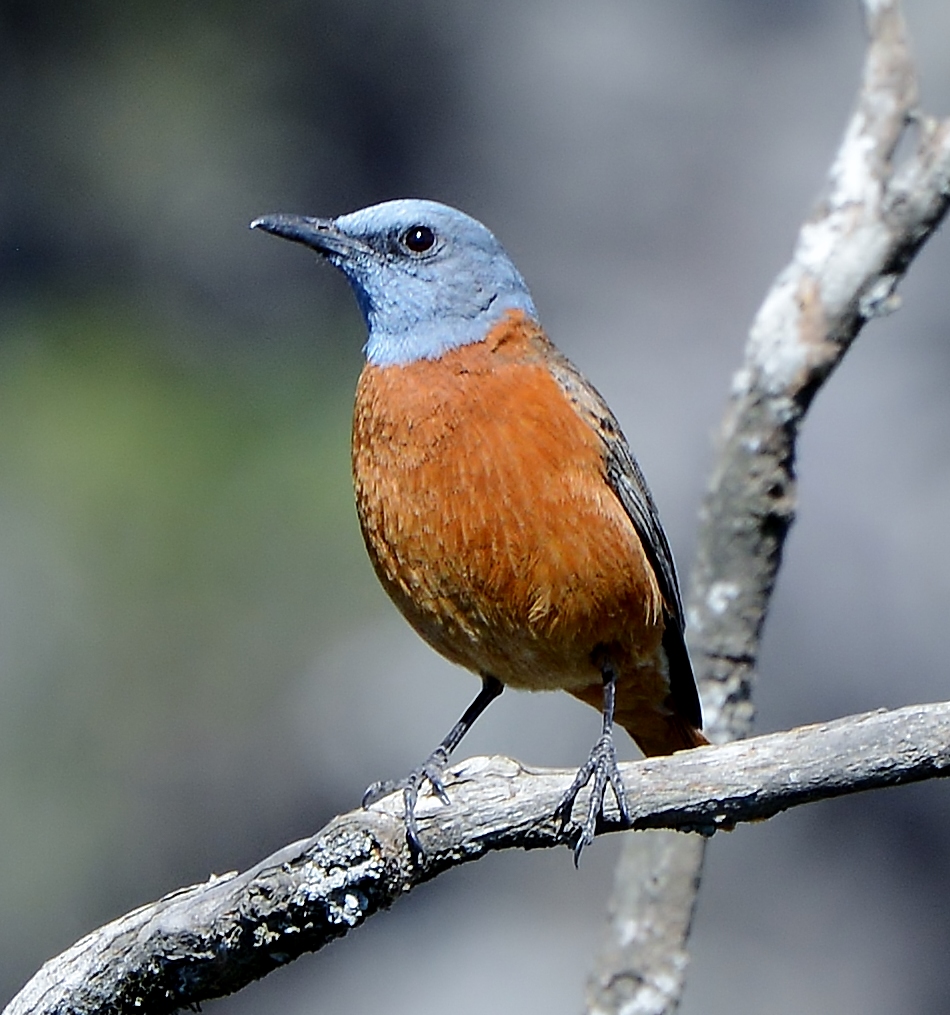
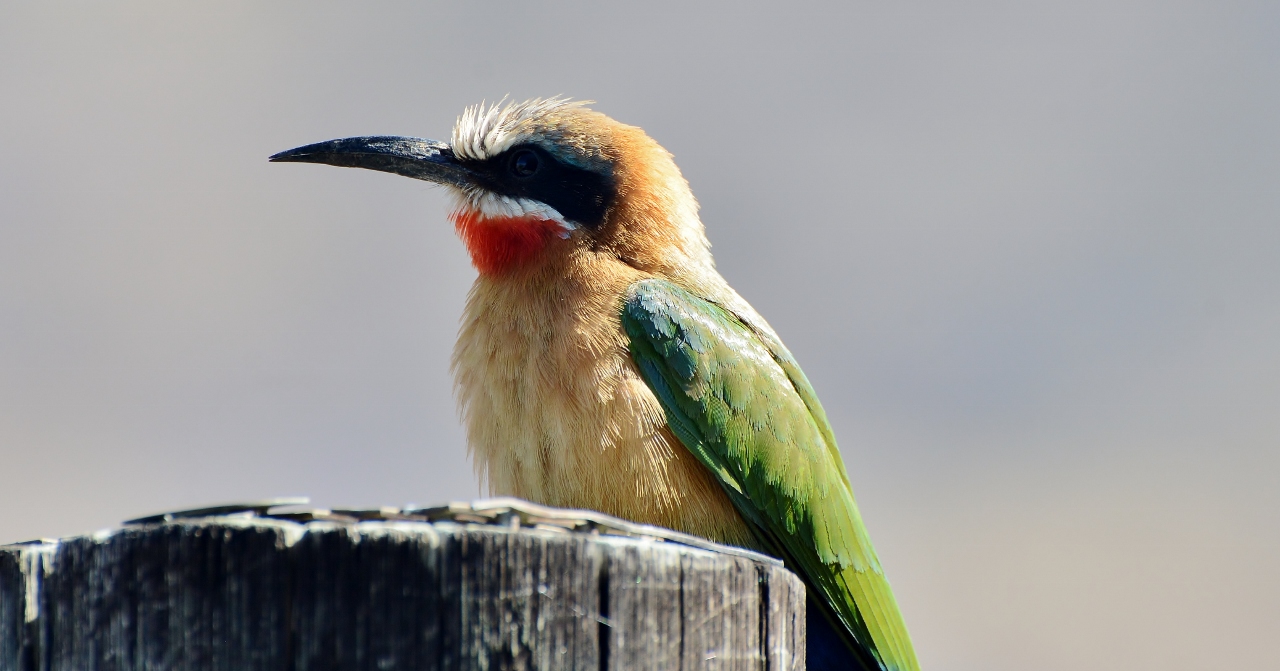
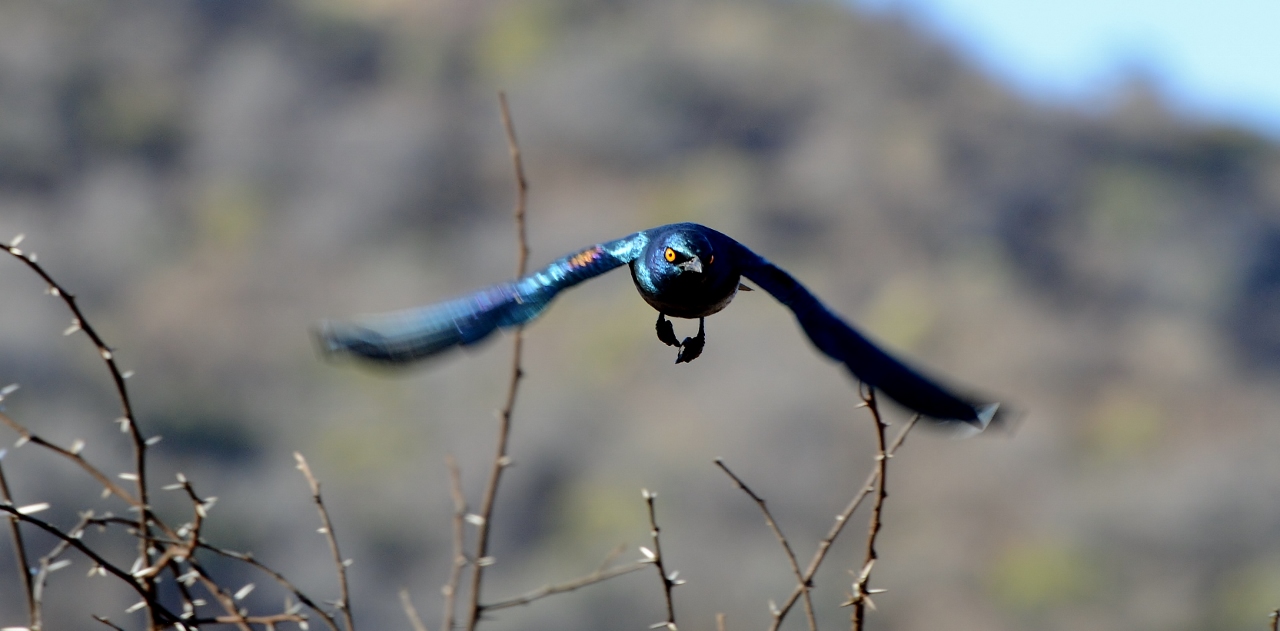
PS: there are a lot of birds in the album below.

Israel 2015

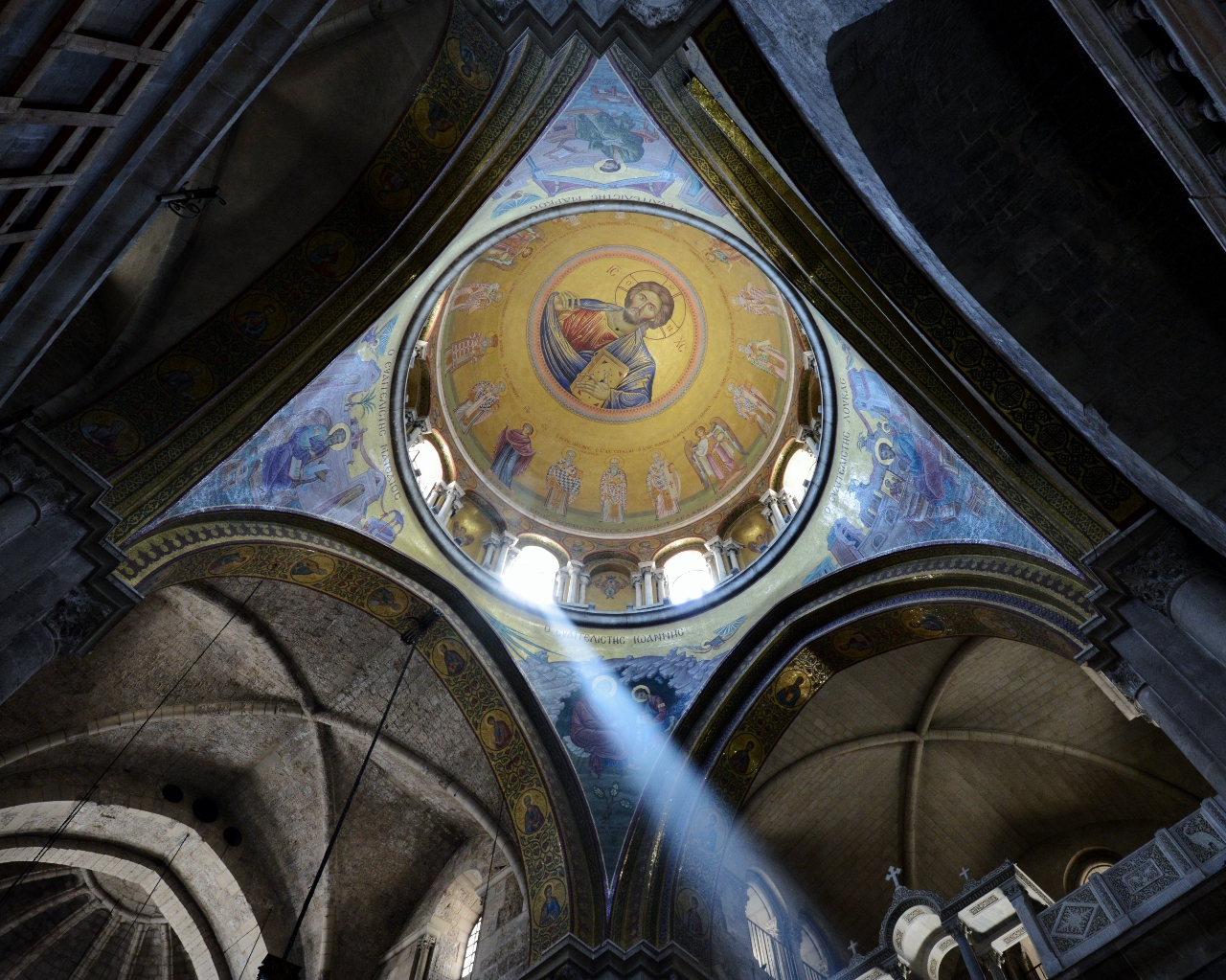
After traveling around Israel for a while, I think it might be impossible to describe the place. It’s quirky place with incredible sights, super friendly people, a surprisingly large amount of things to do, and excruciatingly hot weather. Most/all of us know many people travel to Israel for religious reasons so it wasn’t surprising when we saw people carrying large crosses in the Old City of Jerusalem, watching groups of “Israel by Birthright” scurry from one religious sight to another, or made way for the flocks of American high schoolers in Jewish Camp learning about Judaism on top of Mt. Masada after a sunrise hike. We expected it. There were three things we did not expect and they have little to do with religion: natural sights, the intense security, and the people we met. I’m not going to spend much time with the religious side of Israel, information is readily found online and pretty much matches our experiences at the sights we visited. Instead, I’m going to write about the three things we found surprising because we didn’t have a clue and the information online doesn’t really doesn’t do it justice. I like to think of this as the side of Israel that is either ignored or not actively shared.

There’s a massive amount of things to visit in Israel. Israel has the honor, or maybe curse, of being very important to a handful of Abrahamic religions (Judaism, Christianity, & Islam) and has been very important for many empires (Egyptian, Persian, Greek, Roman, Ottoman, etc.) going back 6,000+yrs. There are so many different ruins, relics, and important historical spots that pretty much 2/3rds of the world’s population could find something in Israel to tie back to their own heritage; it’s mindboggling so many important places are in such a small area. It probably has a lot to do with the different groups of people trying to kill each other in the area for millennia.

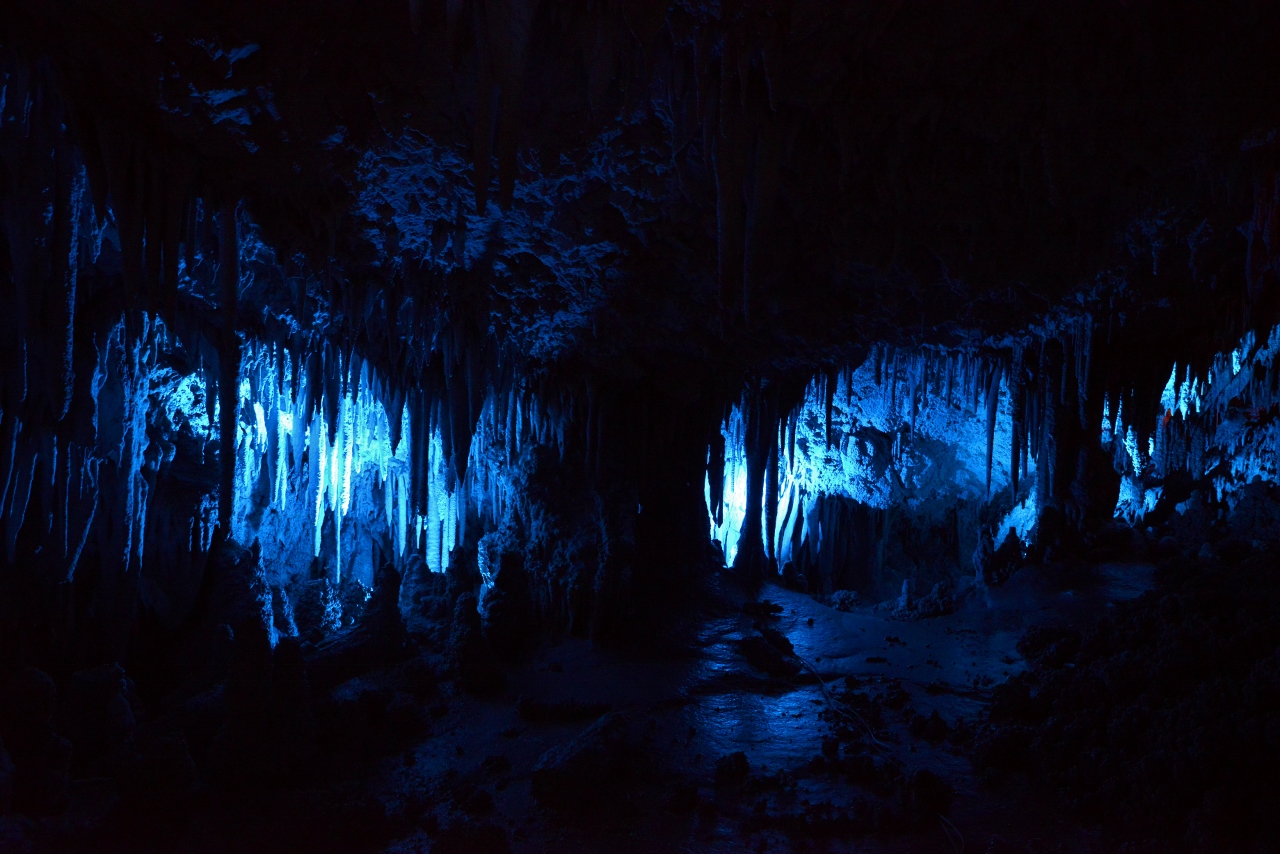
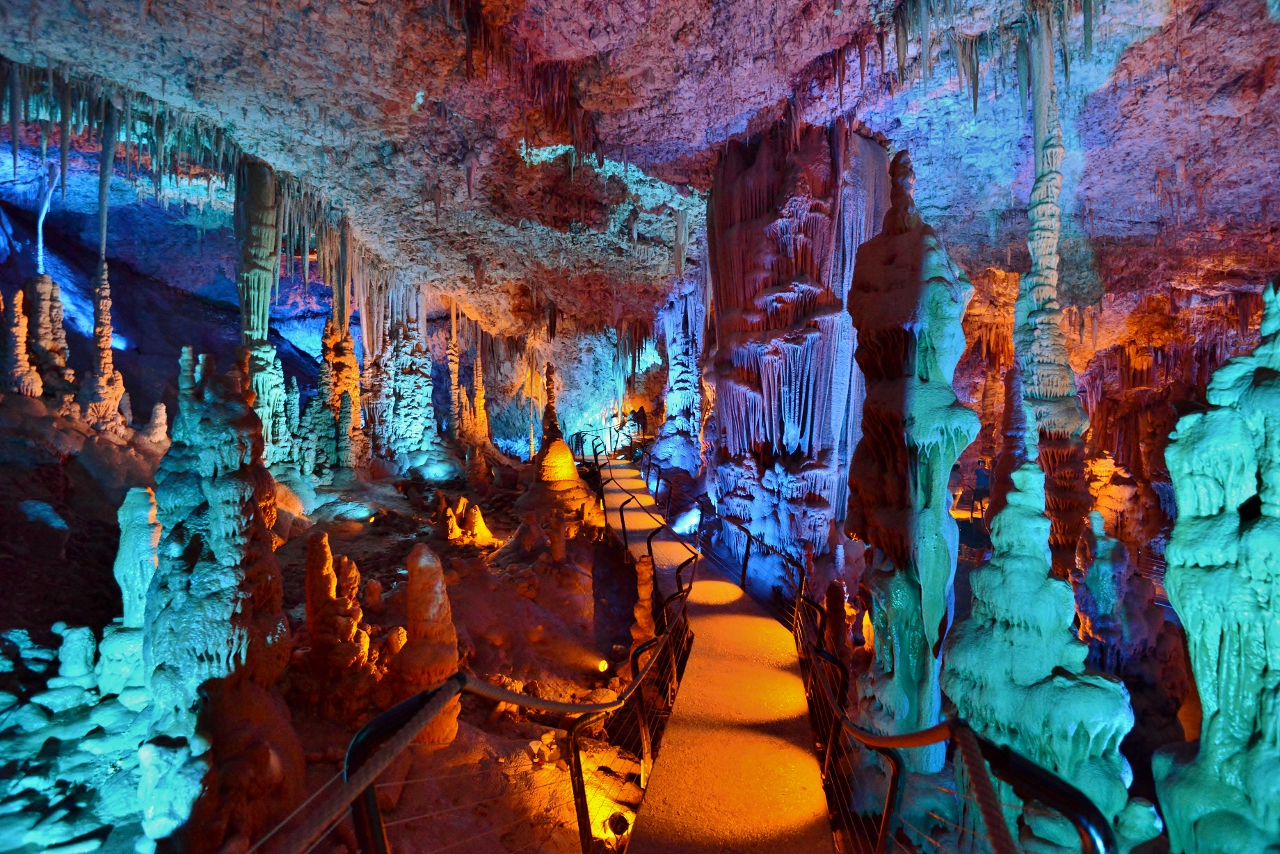
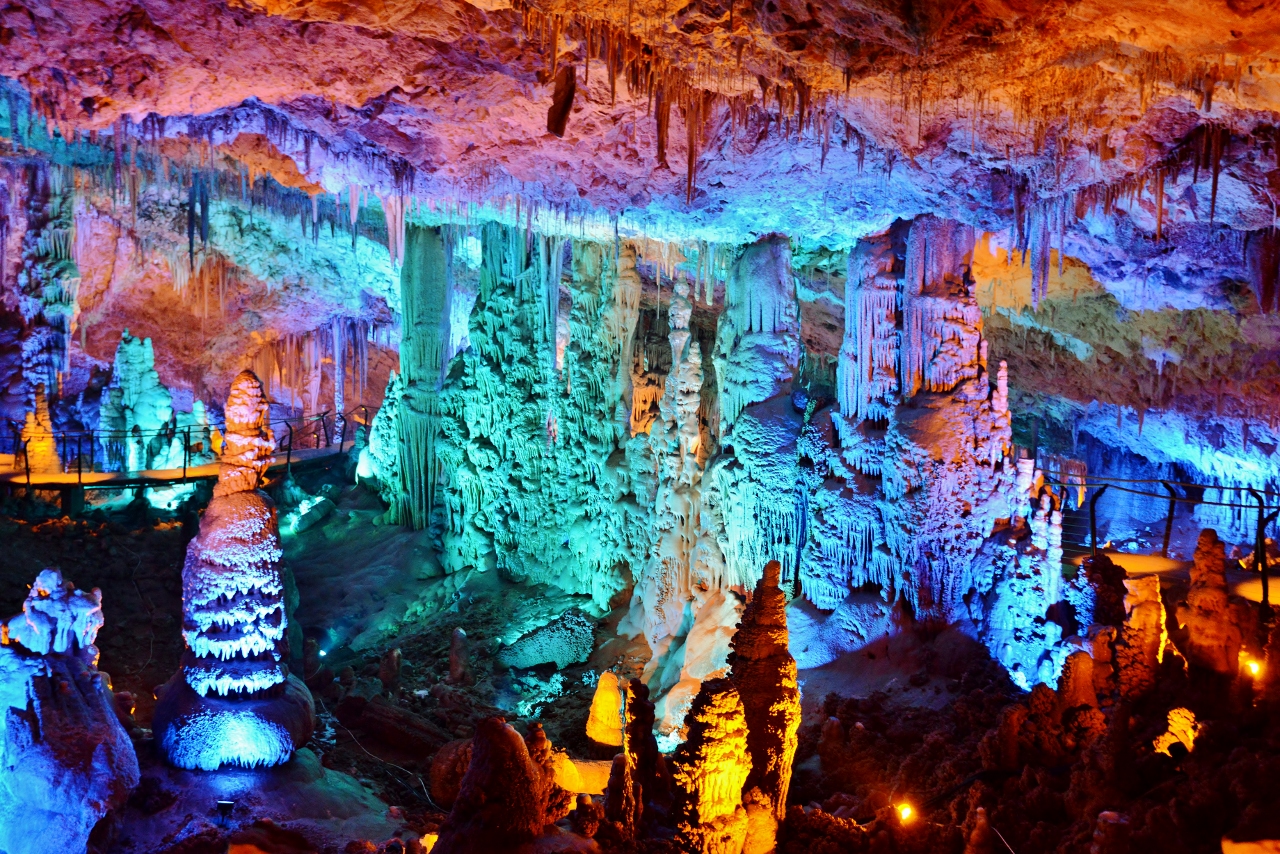
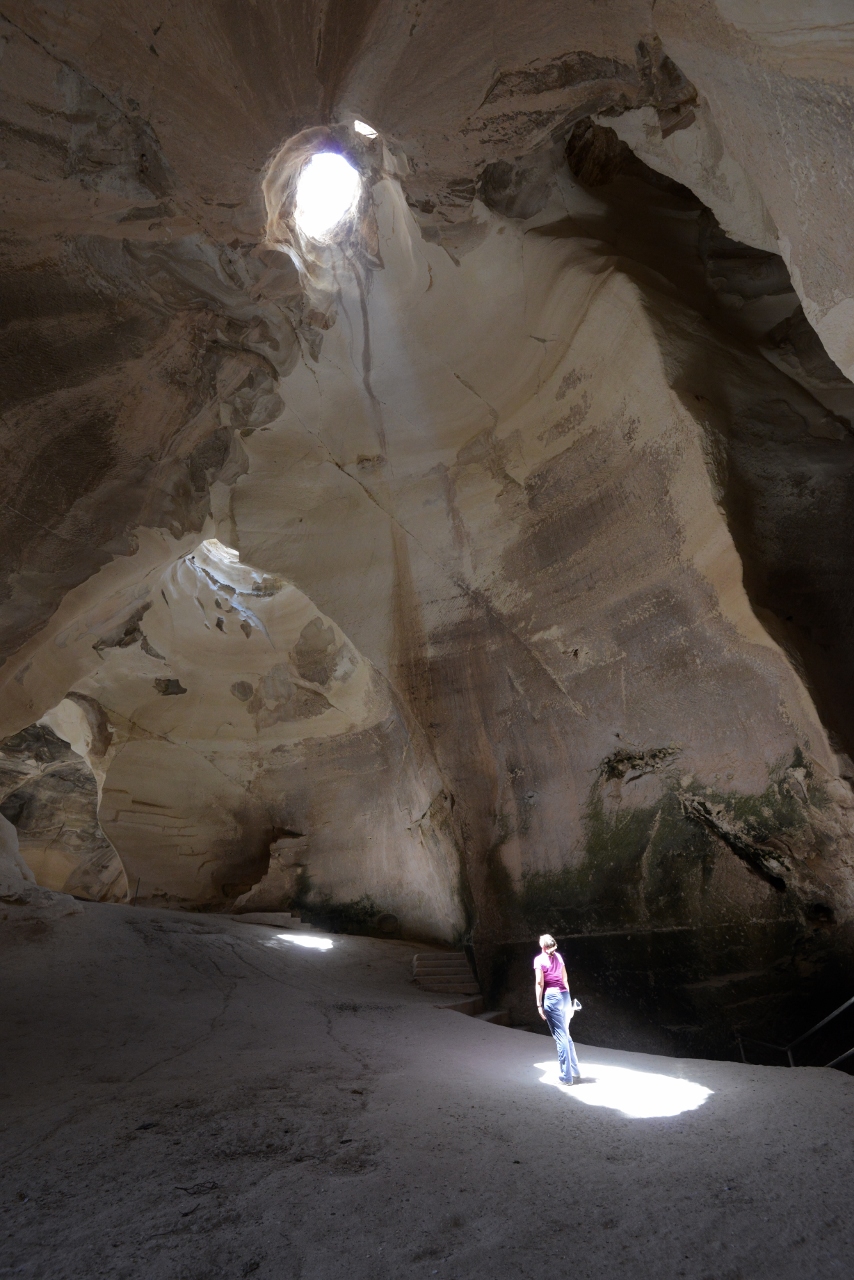
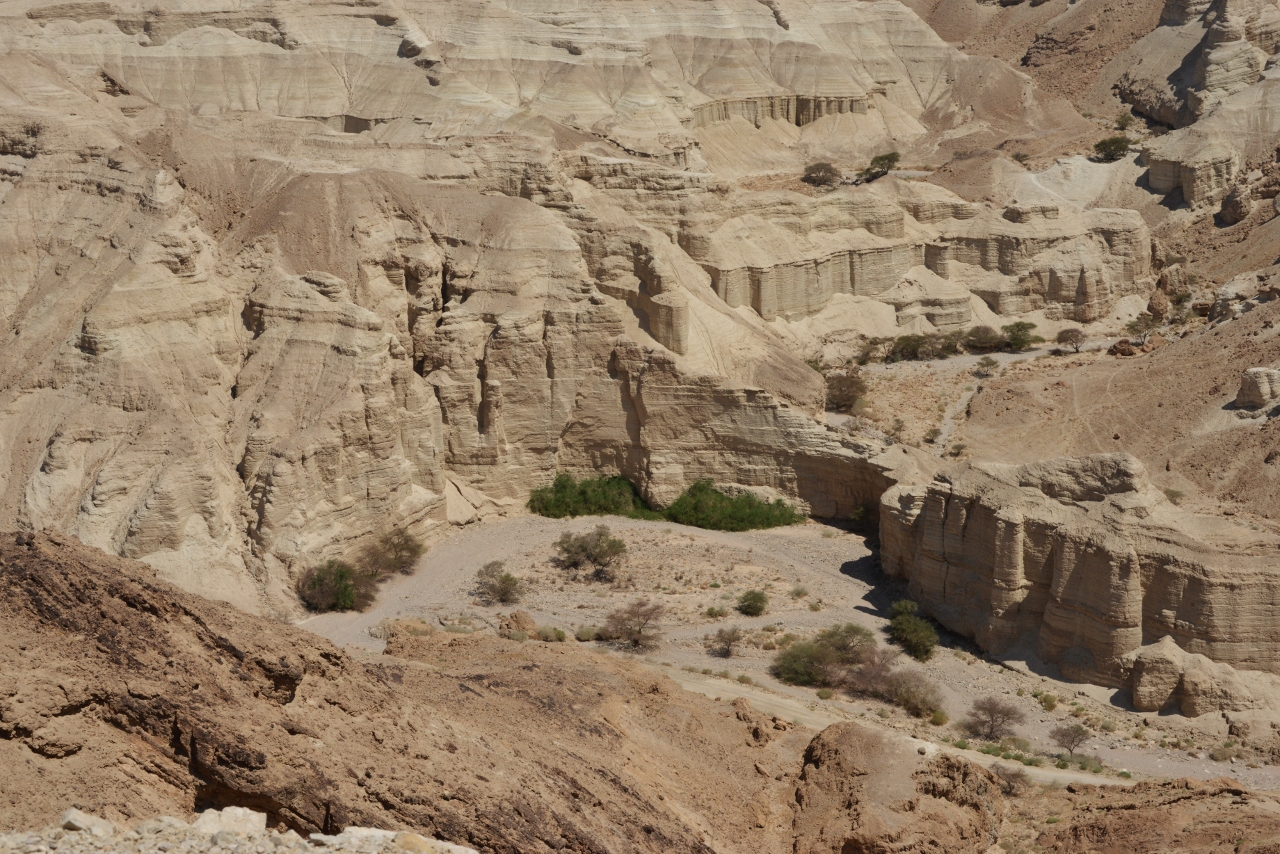
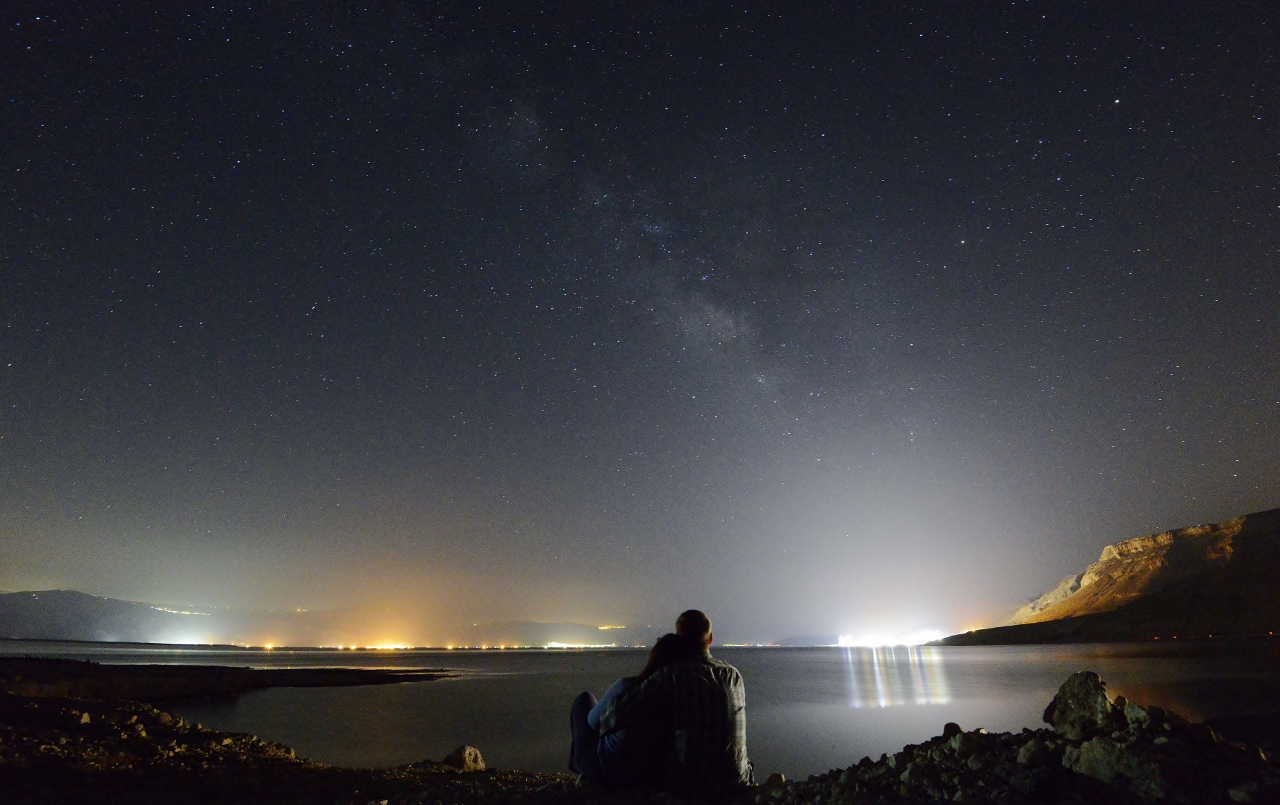
We were surprised by Israel’s natural beauty. We were expecting to see dry/arid/desert countryside and were pleasantly surprised to find forests, fields, and intensive agriculture in many places. We enjoyed some of the local produce like grapes and peaches while being shocked that these items actually grew in Israel. The Dead Sea area was strangely pretty and floating in the Dead Sea was like swimming in a hug. There are many outdoor activities to do in Israel: there are a lot of big hills/small mountains, hiking trails, caves, a few waterfalls, gardens, and lookouts in Israel’s 500, yes 500, parks. It seems people are traveling to Israel to see the religious sights and skip the natural wonders because either there were few people around or we had the places to ourselves. Israel is beautiful and has a lot to offer for people who want to drive around in the countryside and skip big cities altogether, we really enjoyed the natural beauty of Israel!

We were very surprised by security in Israel and the general security environment we encountered. Yes, we knew Israel took security seriously but this was next level. Our first indication things were different came when we tried to get on our flight in Athens. Before we could even get to the check-in counter we were questioned at length by Israeli security staff about our visit to Israel. They asked questions in different ways to see if they’d get similar answers and the most surprising question “yes, you answered you’re going to Israel for tourism, but why?” How do we even answer that!? It’s like they were role-playing a five year old who kept asking “but why?”. All of our personal belongings were removed from our bags and thoroughly inspected. It took an hour before we even made it to the regular security everyone has to go through!

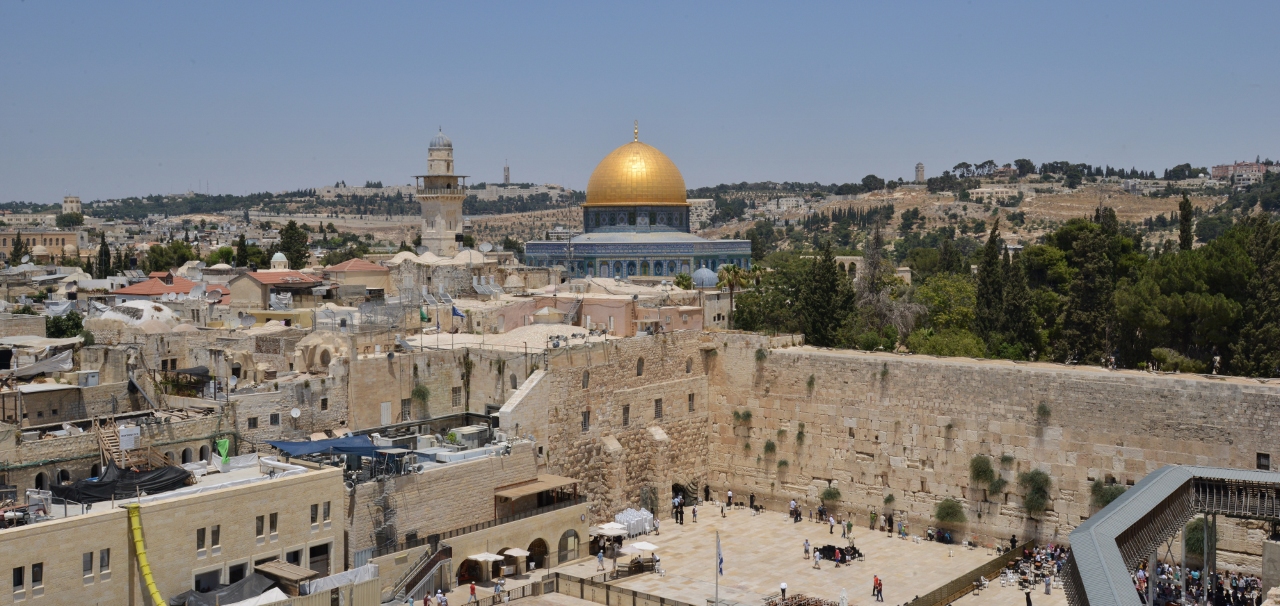
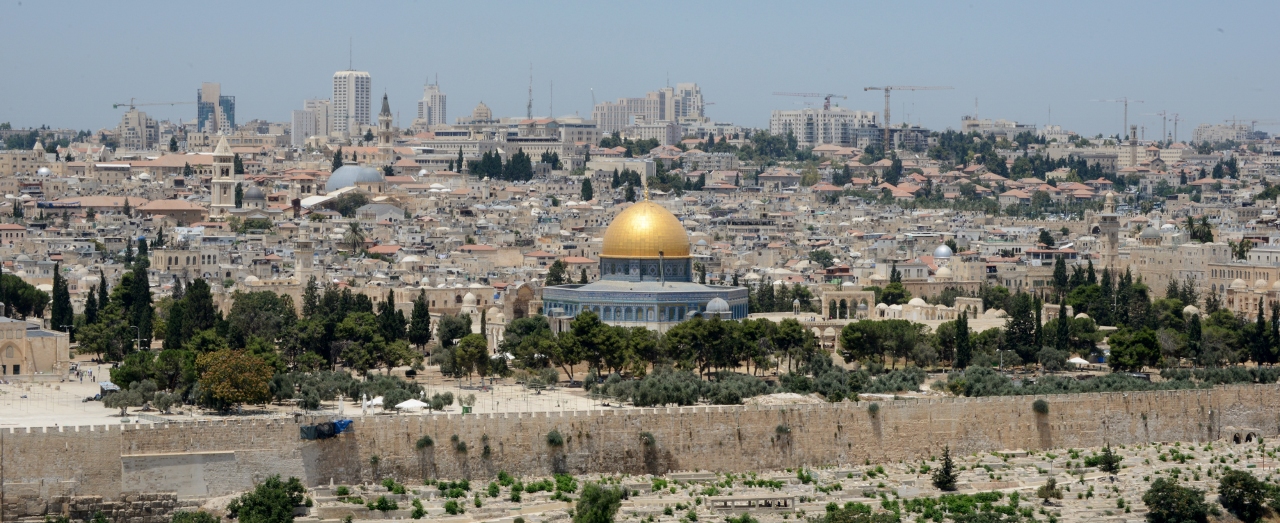
The relics of modern wars gone by are easily found in Israel. While stopping to look over the Sea of Galilee, I noticed signs indicating a nearby minefield. On our way towards the Golan Heights, we passed military installations and drove along even more minefields sectioned off by barbed wire. All of this pales in comparison to our night in Majdal Shams on the Syrian border where we could Syria from our bedroom window. Our awesome Airbnb host, Bahjat, mentioned he sometimes can hear sounds of fighting in Syria. That night, as Jacquelyn and I were trying to go to sleep we could hear pop-pop-pop-pop, boom… boom… boom… of gunfire and explosions. In the morning we said to Bahjat, “we heard some noises…” to which he quickly replied, “SEE!? I said you could hear!”. It was very odd to fall asleep to the sounds of war and Bahjat seemed eerily calm with a war raging nearby. Even touring around Jerusalem it was clear the area was prepared for the worst: the emergency siren sounded when we on a tour and we were herded out of the open towards the walls / cover. We found out a while later it was a test but it was still a surreal experience. We visited an observation deck to look over the Old City of Jerusalem and the man who sold us our tickets had a machine gun. I asked him if the reason why he needed a gun was because tourists get out of line and he just chuckled followed by a serious: “It’s for terrorists. Sounds like tourists but different.”. At least they have a sense of humor about their current environment?

Even though the people of Israel appear to be prepared for war at a moments notice they are still very friendly and welcoming. We seemed meet curious individuals and get dinner invites wherever we went. The best experience was when we were in Majdal Shams and learned all about the Druze and living in the Golan Heights. As Bahjat was showing us around we came across his friend at a family BBQ in a park and we were invited to join. It was a remarkable experience simply because we had no idea who Druze were before we arrived and we had no idea Majdal Shams was so interesting. We thought Majdal Shams was simply a place to sleep during our journey through the north of Israel only to get quite the education and meet lots of friendly people. The rest of our Airbnb hosts would bring us local food to try and always made sure we were happy; it was awesome!

Speaking of local food, there are no Starbucks, no Dunkin Donuts, and McDonalds has outrageously expensive hamburgers because the burgers have to be char grilled and kosher in order to be competitive. Both Starbucks and Dunkin Donuts tried selling in Israel but gave up when they found out that Israeli’s don’t much care for the taste of Starbucks coffee and generally only eat a special type of donut around Hanukah. We heard from multiple people how food they eat overseas, like apples, gyros, etc., are all garbage compared to what they can eat in Israel. Who knew Israeli’s were so particular about food and drinks!? Seriously, the food is awesome.

Really the only downsides were the costs and the heat. Things are expensive in Israel and it felt like the sun was constantly trying to make-out with us. That said, we really enjoyed Israel, there’s a lot to love. We’d definitely come back!

Enjoy the photos!

Chris W.

Southern Bulgaria 2015

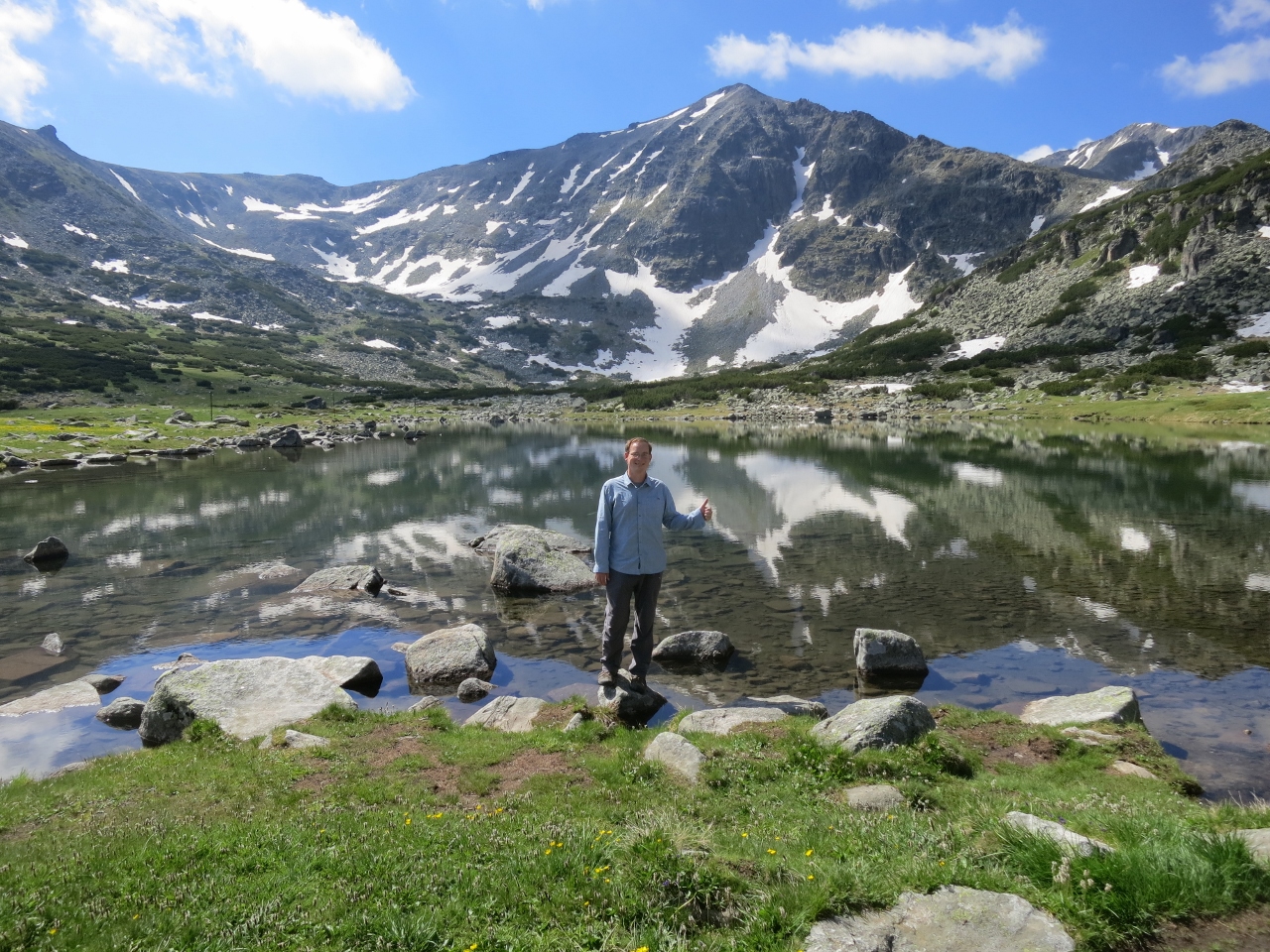
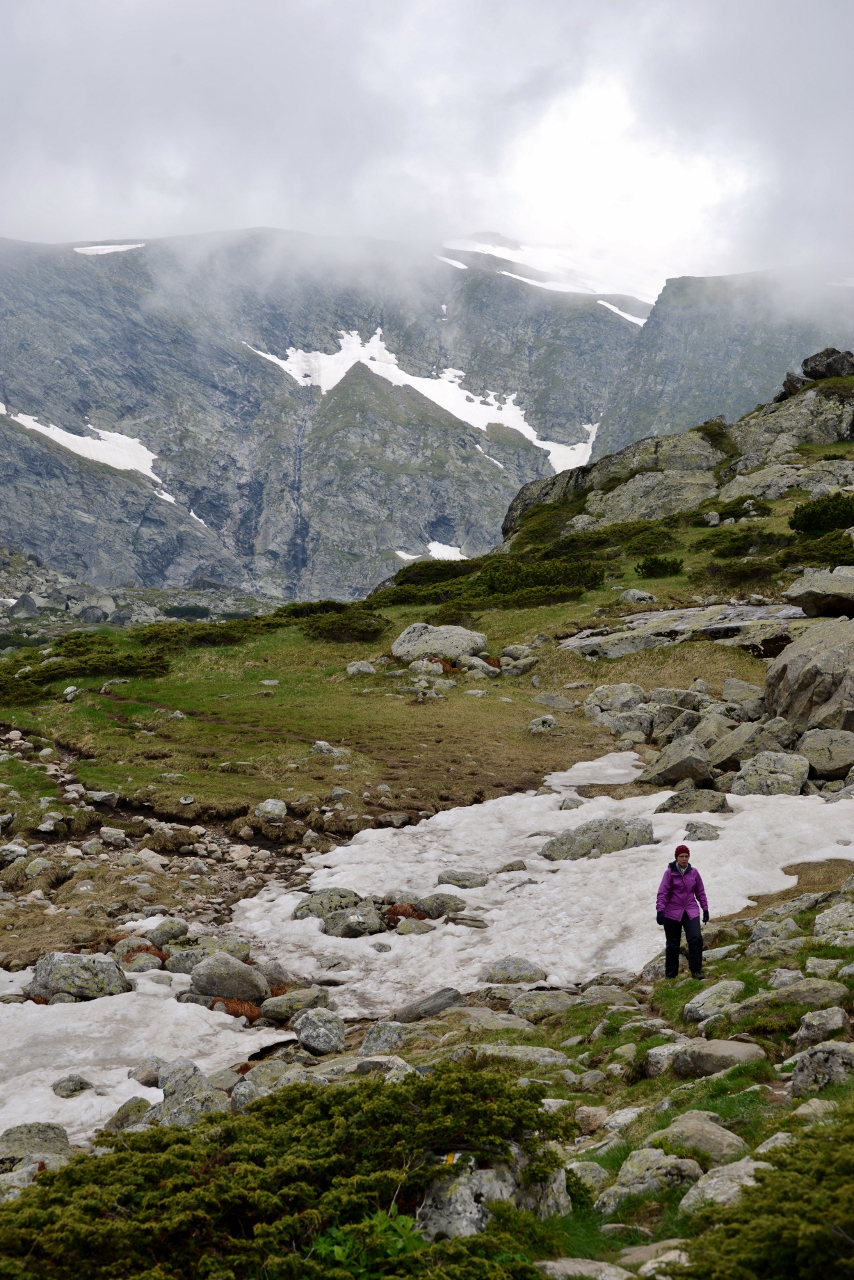
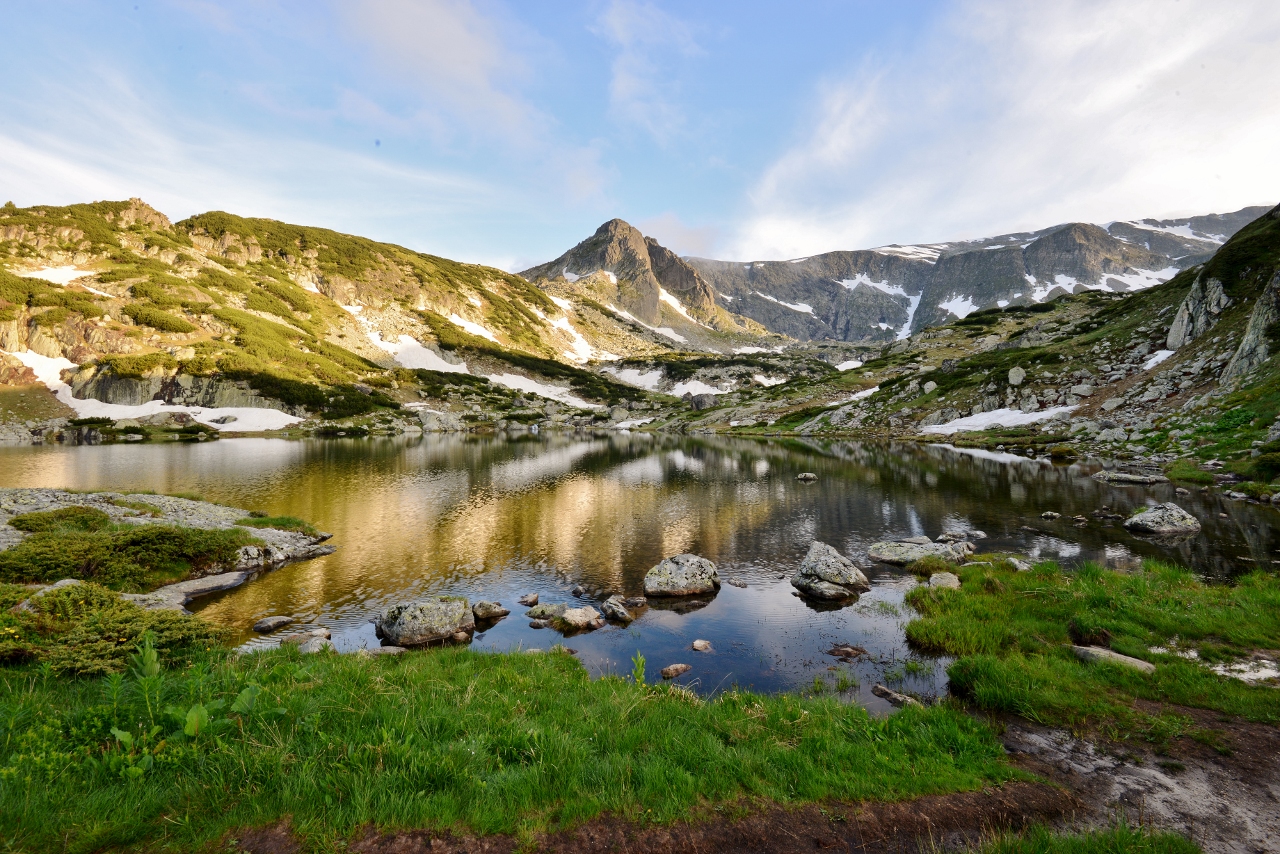
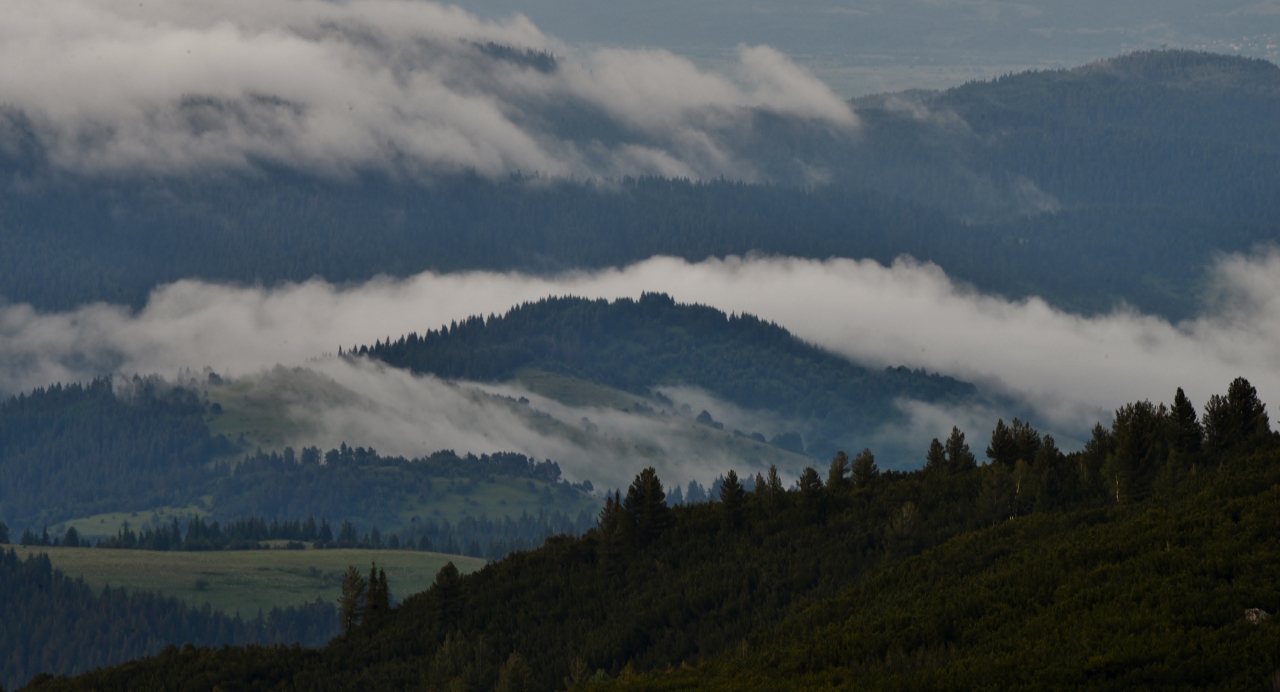
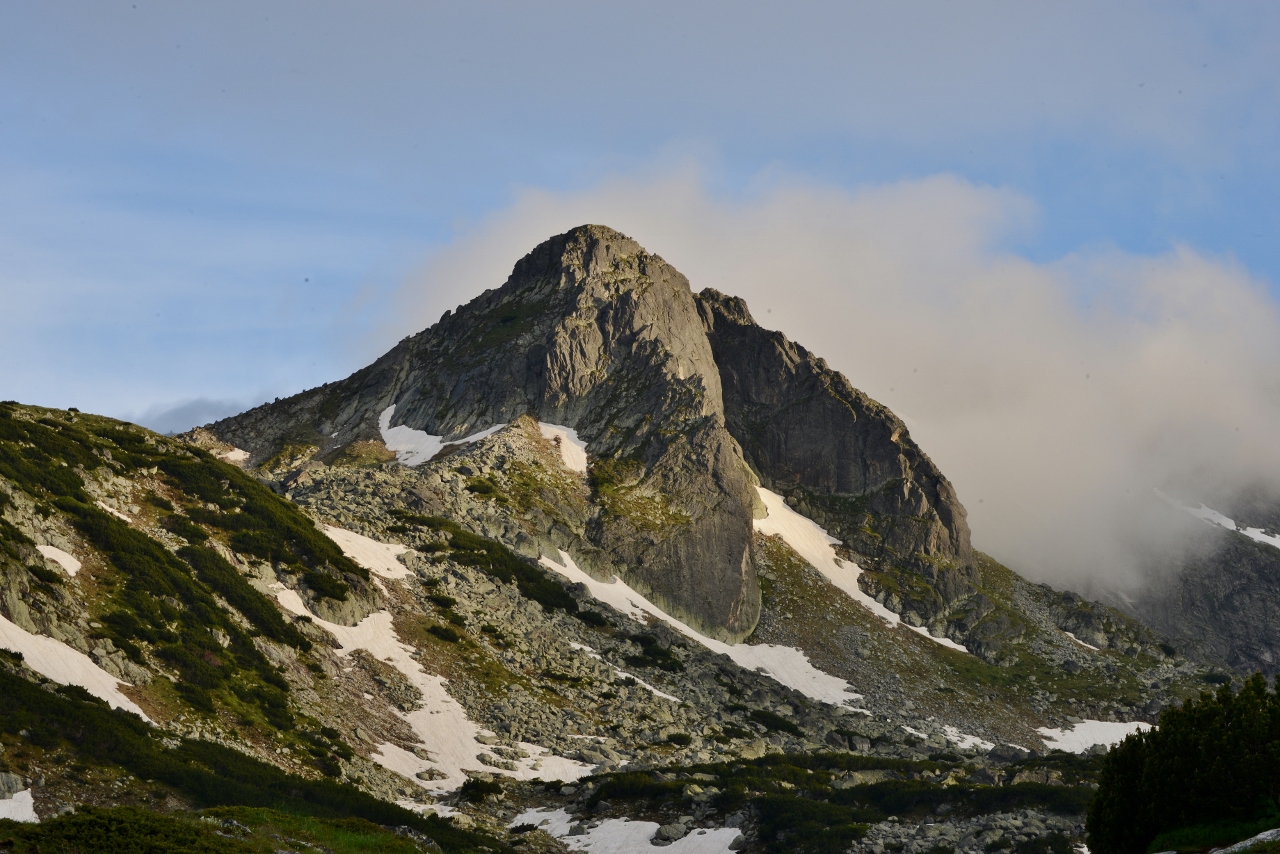
We were so lucky during the second half our trip through Bulgaria. We didn’t really know what we were getting ourselves into and didn’t know what to expect. We were in the mountains in southern Bulgaria and were able to visit some really cool caves, meet some awesome people, stay in some neat places, and go on some great hikes in gorgeous scenery.

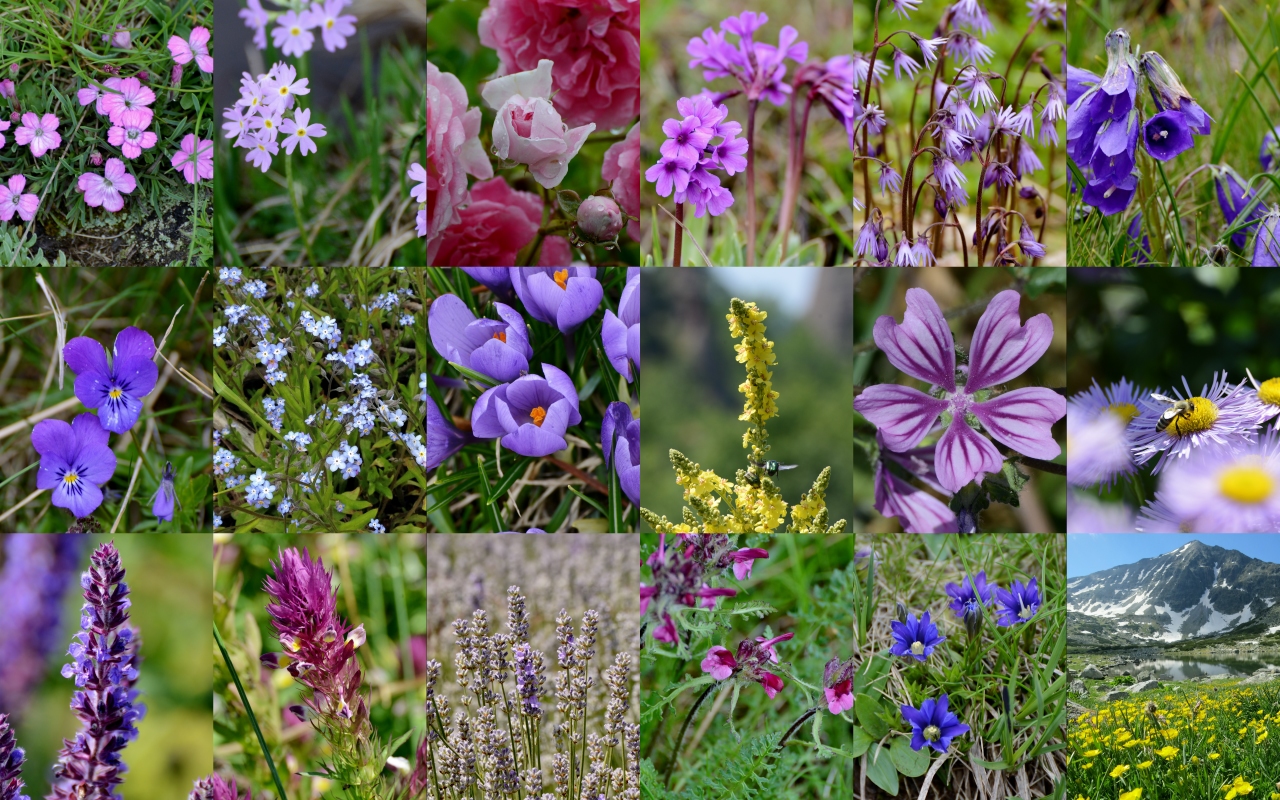
We had no idea Bulgaria was so beautiful. We were here at the right time to see all the mountain flowers in bloom and we had good weather throughout. Tourism isn’t quite in swing yet so we had a chance to talk to our hosts and learn about their lives in Bulgaria. Much like everywhere else they were concerned about the same big three.

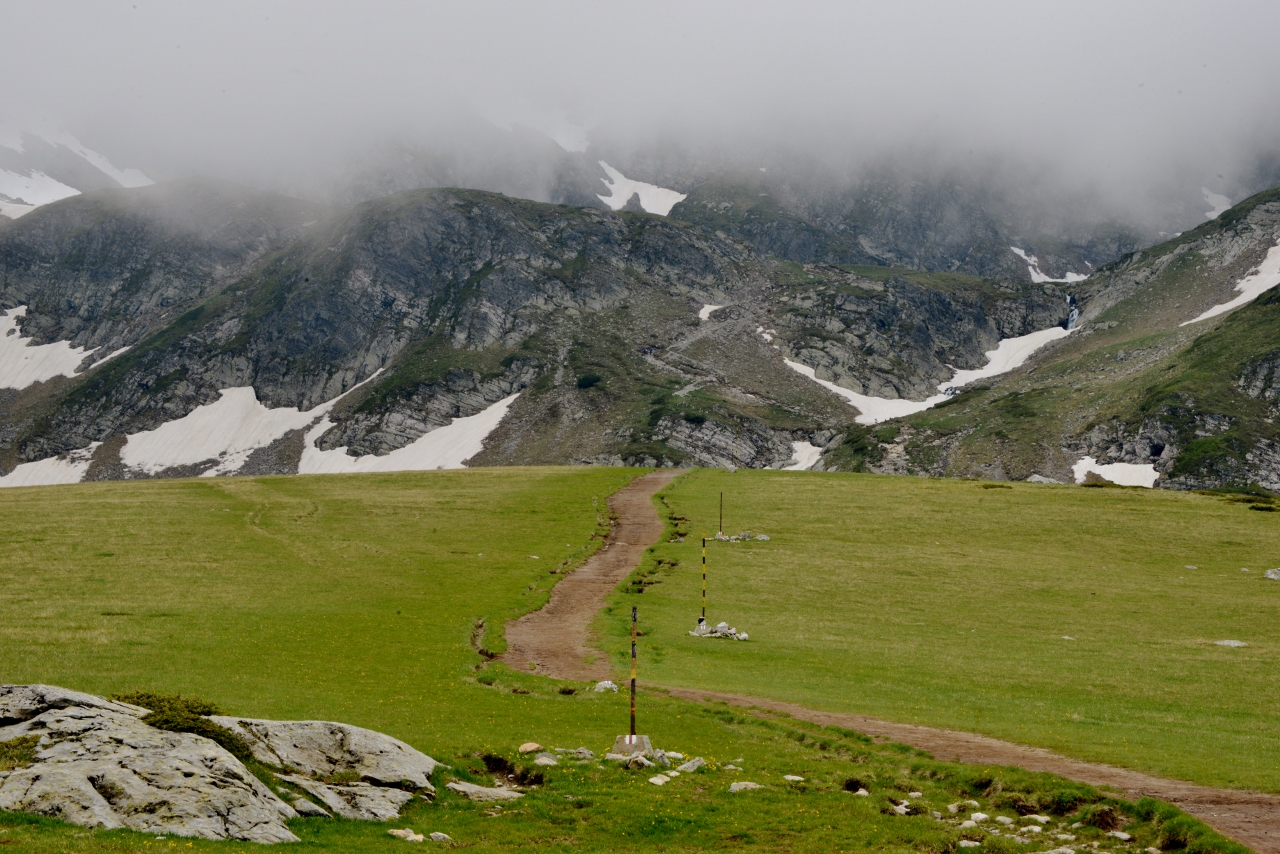
Bulgaria is made for outdoors activities. They have different mountain types throughout the country, from rolling mountains like the Appalachians to rugged mountains like the Pacific NW. The tallest mountain is around 9,000ft so pretty much everywhere is traversable by foot and the trailheads are easily accessed by car. Great views can be had pretty quickly, we would only hike for 30min to 1hr before trails would open up and give great views making the reward:effort ratio off the chart. Even the most popular trails are not crowded because of the time of year so we had a lot of time by hiking by ourselves enjoying nature in peace.

There are chalets, huts, and lodges people can stay at while hiking through the mountains. They range from basic (walls & door) to electricity, cafeteria, heat, hot water, internet, etc. We only stayed in one chalet and it was a great time. If/when we come back, I would definitely spend more time hiking and spend more nights in the mountains.

The hosts we had in the mountain areas were really cool. In one guesthouse we were pretty much the only guests. The guesthouse was in the middle of nowhere and had no internet so we were hanging out in the dining area killing time before dinner. We were sitting chatting with our host while the TV played traditional Bulgarian music. Soon Jacquelyn found herself learning traditional Bulgarian dance from the host! One of the nights we stayed near Rila Lakes I went out to photograph the night sky around 11PM. The chalet man, an awesome guy named Martin, came out to see what I was doing. We ended up chatting until 2AM while drinking his homemade rakia, a brandy like drink. That was the night I learned I cannot drink like a Bulgarian.

I would have loved to stay in Bulgaria longer, go on more hikes, and explore more of the mountains.  Bulgaria has all the attributes we like and is definitely near the top of our favorite countries we’ve visited. Who would have thought? :).

Enjoy the photos!

Chris W.


Northern Bulgaria 2015

Bulgaria is a strange country. We’ve been to some strange places but Bulgaria stands out as being the most odd in the bunch. We really are enjoying our time in Bulgaria; we are driving a big circle around the country and we’ve noticed the northern part is pretty different than the southern part so I’ve decided to break this up into two parts. We are in the south now and that will part will come once we’ve left Bulgaria.

So Bulgaria is a weird country for a handful of reasons but I want to stress how much we are enjoying our time here. We’ve had some phenomenal experiences that cannot be replicated anywhere else. Bulgaria has all the attributes we enjoy: the people are kind and generous, the sights are magnificent, stellar hiking, the price is right, and all the roads are pretty much paved. There is one huge difference in Bulgaria vs. everywhere else we’ve traveled: the seclusion and the ability to enjoy activities in solitude. It’s truly remarkable!

With that said, it’s a “make your own adventure” place. There’s not a lot of information online, the country really isn’t foreign tourist friendly as spoken English is not common and the few English information boards we find are often useless. There are some wonderful sights we visited that have 2-5 TripAdvisor reviews and no other information online. It’s like international tourism is just starting and they are figuring out all the things they need to make multinational tourism work.

There’s a problem we regularly encounter and we’ve given it the name “the last 5%”. It seems as though there’s enough information for us to get close to the things we want to do but the last 5% of needed information, be it knowing the hours of operation, the cost, the location, part of the route, activities at the destination, etc., are unknown. There’s always enough information to get very close but we have to figure out the last 5% on the way, when we arrive, or while we’re doing the activity. The best example is when we wanted to visit a tourism information center to get a map for a hike only to find out the road became undrivable and we had to walk the last 15min to the center. We were fortunate someone had put the GPS coordinates for the center on TripAdvisor otherwise we would have never found the place! It also applies to our dealings with people and businesses. The first clue things were different in Bulgaria is when we picked up our rental car from Enterprise with ¾’s of a fuel tank, “this is how we things work in Bulgaria” the sales agent after I expressed surprised for not getting a full tank. It’s not necessarily bad, just odd and different.

Bulgaria is super chill; pretty much everyone is really laid back. Once again we are driving around everywhere exploring and stopping to check out cool things we find while roaming around. Just like in Romania, we find ourselves trespassing a lot to see different things but we don’t really know a better way. We may not find the people we need to pay or find the actual entrance for the place we’re trying to visit. No one really cares. The Bulgarian people are very enterprising. It seems wherever a congregation of people could possibly be there is a shop selling food or trinkets. I had remarked to Jacquelyn that I was seeing a lot of women on the side of the road and it was really strange to see all these women dressed like they are going to a nightclub waiting for buses out in the middle of nowhere . She replied, “Chris, they are prostitutes”. Then it made sense; Jacquelyn’s comprehension skills are one of the many reasons why I keep her around J.

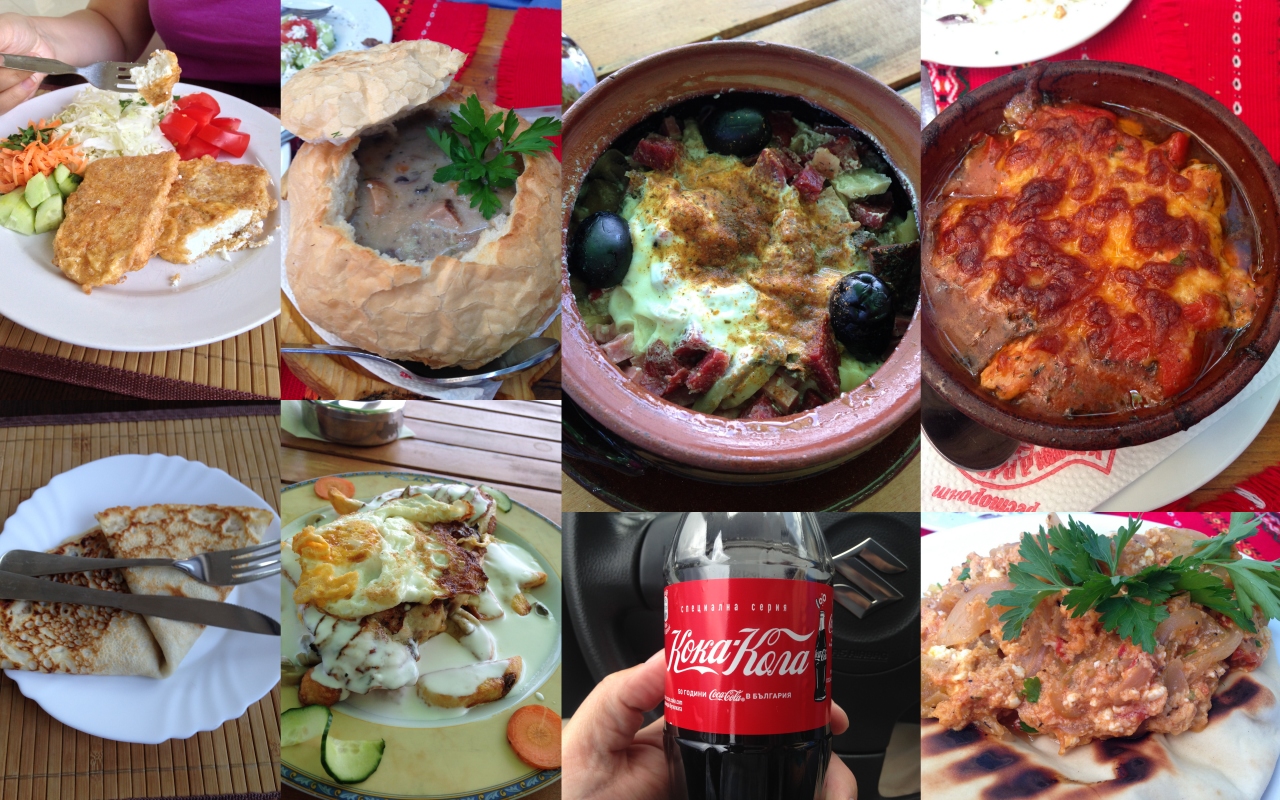
For about the first week we had bad luck with food, it was like we were living in bizzaro world. Things we ordered were nothing like what we envisioned. Everything we ordered seemed to be drenched in cheese, oil, cream or all of those items. One time we thought we were ordering cheese bread only to find we ordered two slices of deep fried cheese each about the size of Texas Toast. The most hilarious mix up occurred when I ordered a “local salad” only to get all the ingredients unprepared on a plate! Jacquelyn ordered a different type of salad and hers came prepared. There was no price difference between our salads so I wasn’t even able to save money due to the lack of preparation! It took a lot of mistakes but we’re now ordering absolutely delicious food and have come to thoroughly enjoy traditional Bulgarian food.

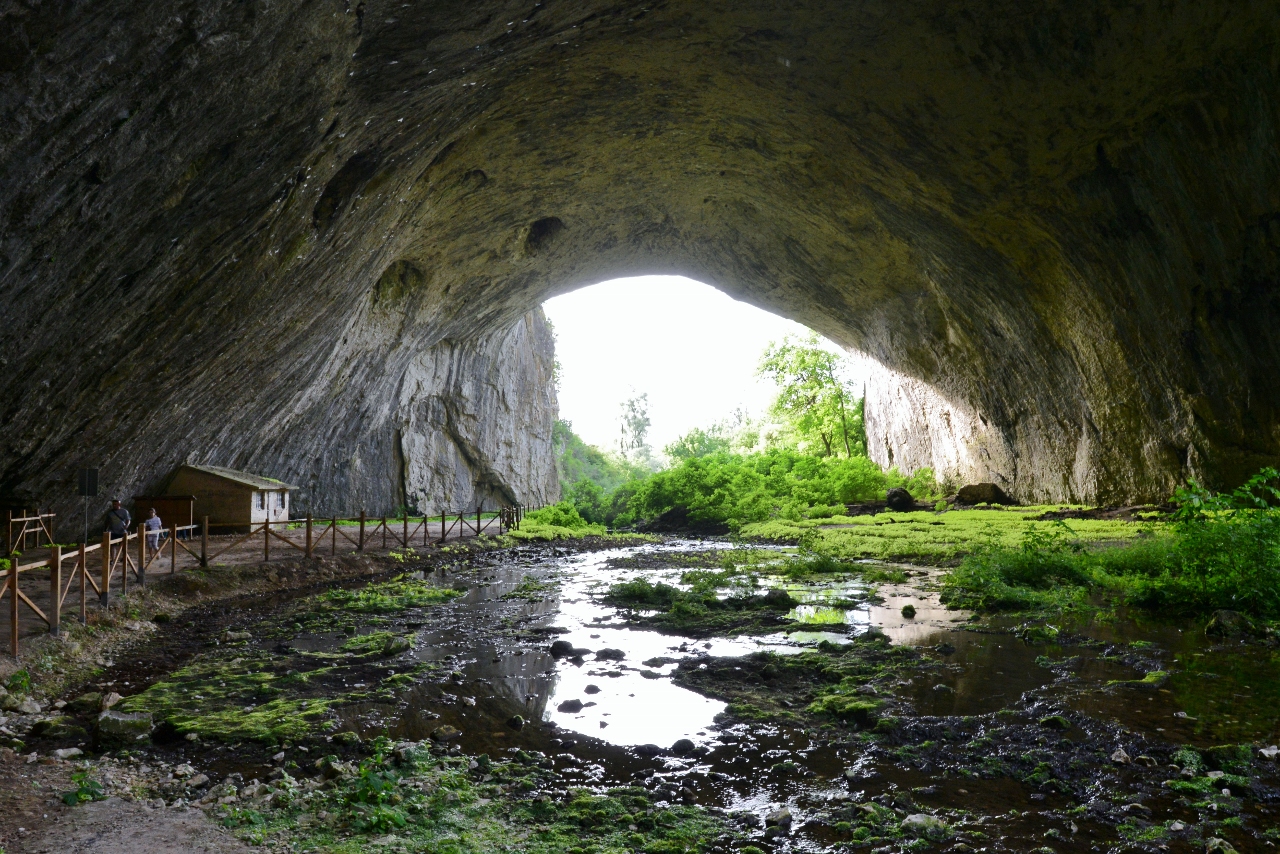
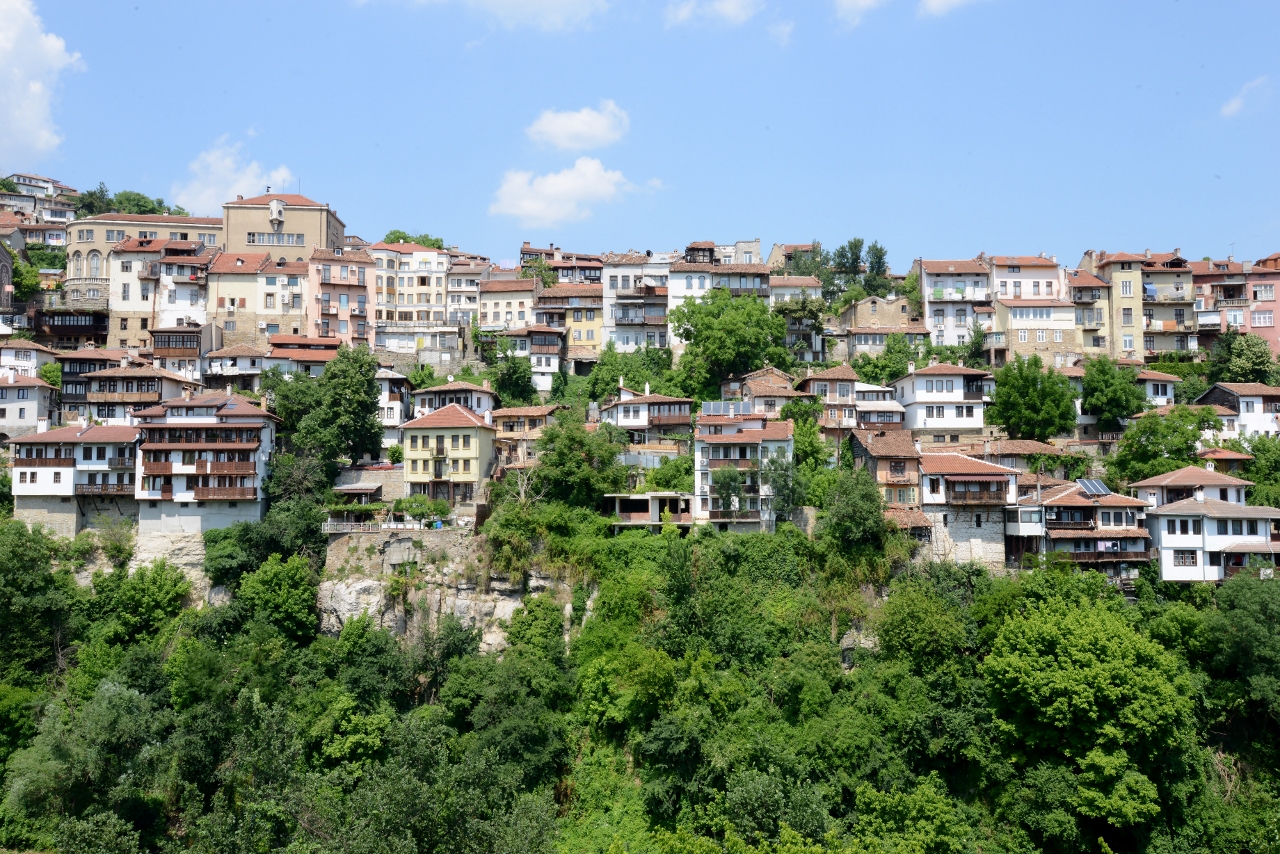
Now, on to the things that make Bulgaria uniquely awesome. There are so many Roman/Turkish/Bulgarian historical sights all throughout this small country a person could probably spend months touring around and never see it all. Outside of Sofia and a couple other touristy areas, there’s pretty much no one visiting the sights, especially international tourists. We thought Romania had a dearth of tourist but we regularly find ourselves alone. There is a lot of great hiking around the country. We went to an area called Belogradchick near the Serbia/Romania border and found an area a lot like where I grew up in the Black Hills – similar trees and rolling mountains but sandstone instead of granite. It was awesome to have some alone time on the trail and enjoy nature free from the ruckus of humanity. The solitude and seclusion has been absolutely amazing and rejuvenating. There are a lot of natural wonders that are beautiful like massive caves, mountains, and waterfalls. We had no idea Bulgaria had such diverse sights to visit

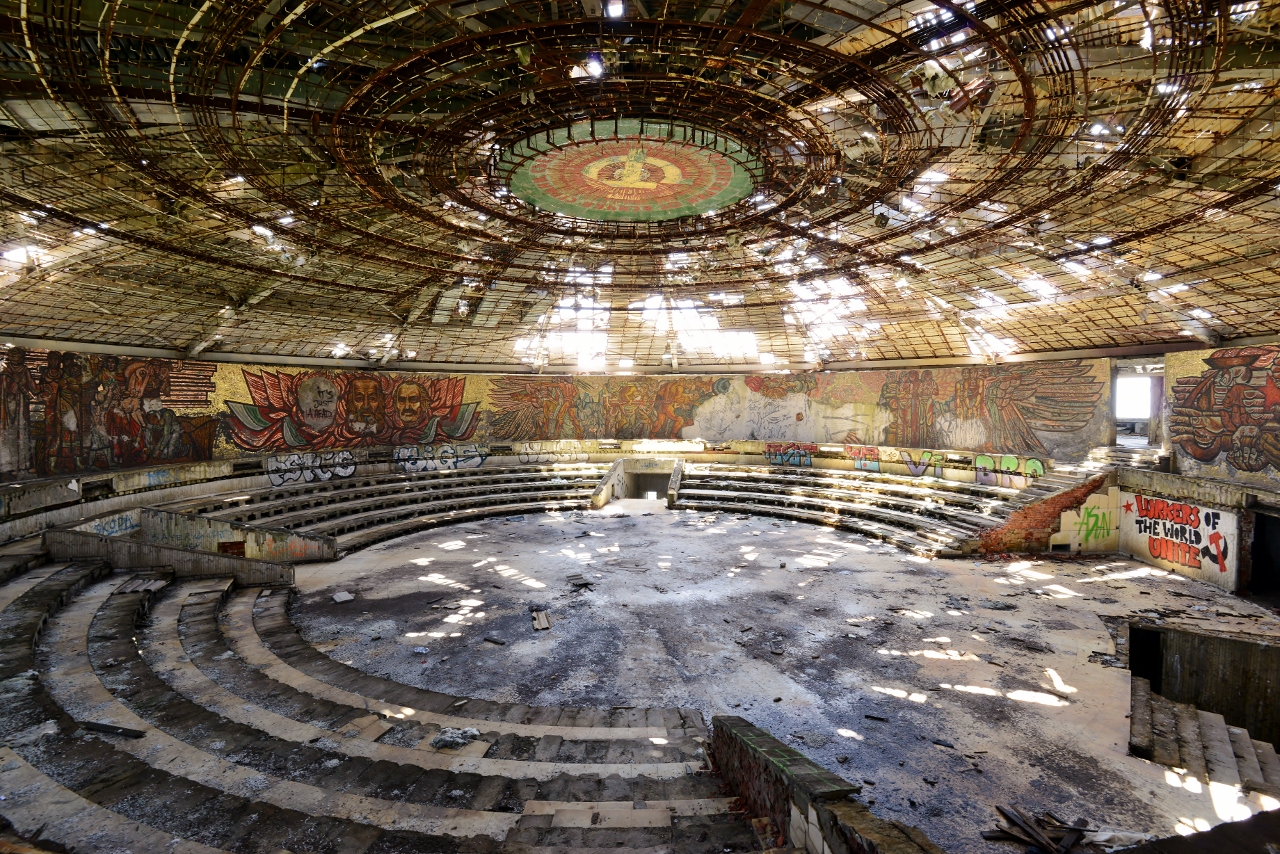
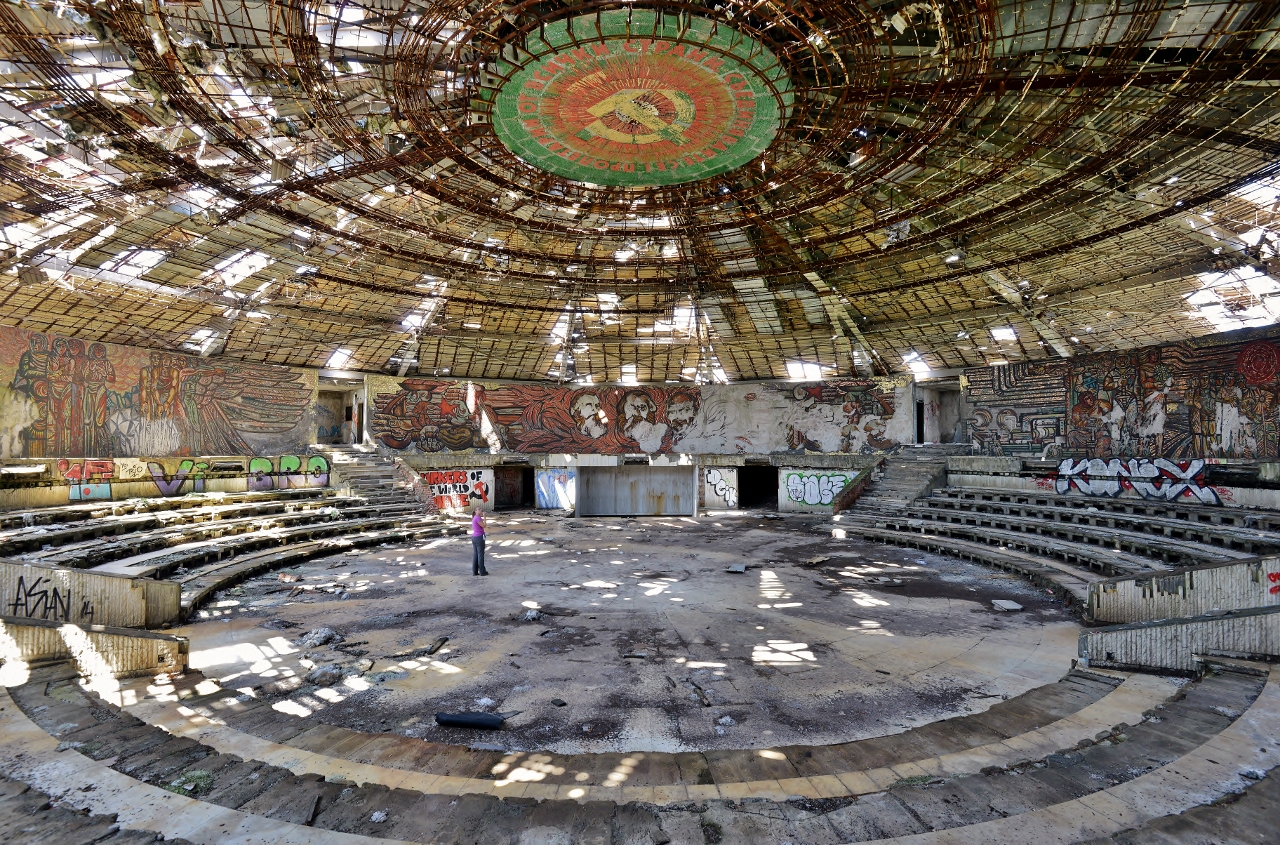
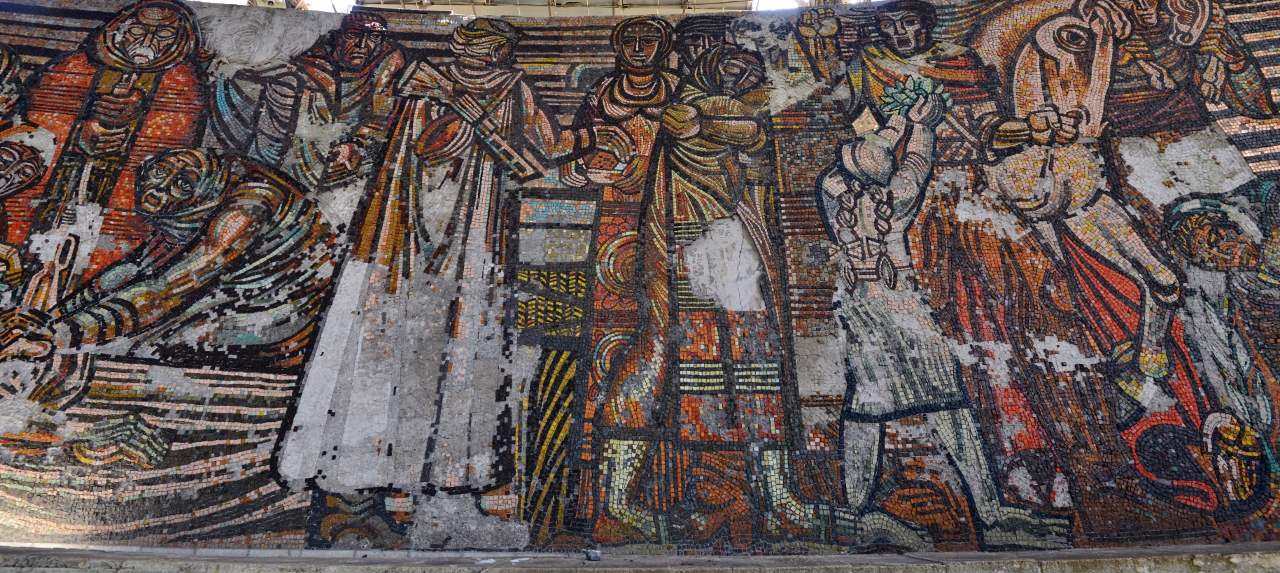
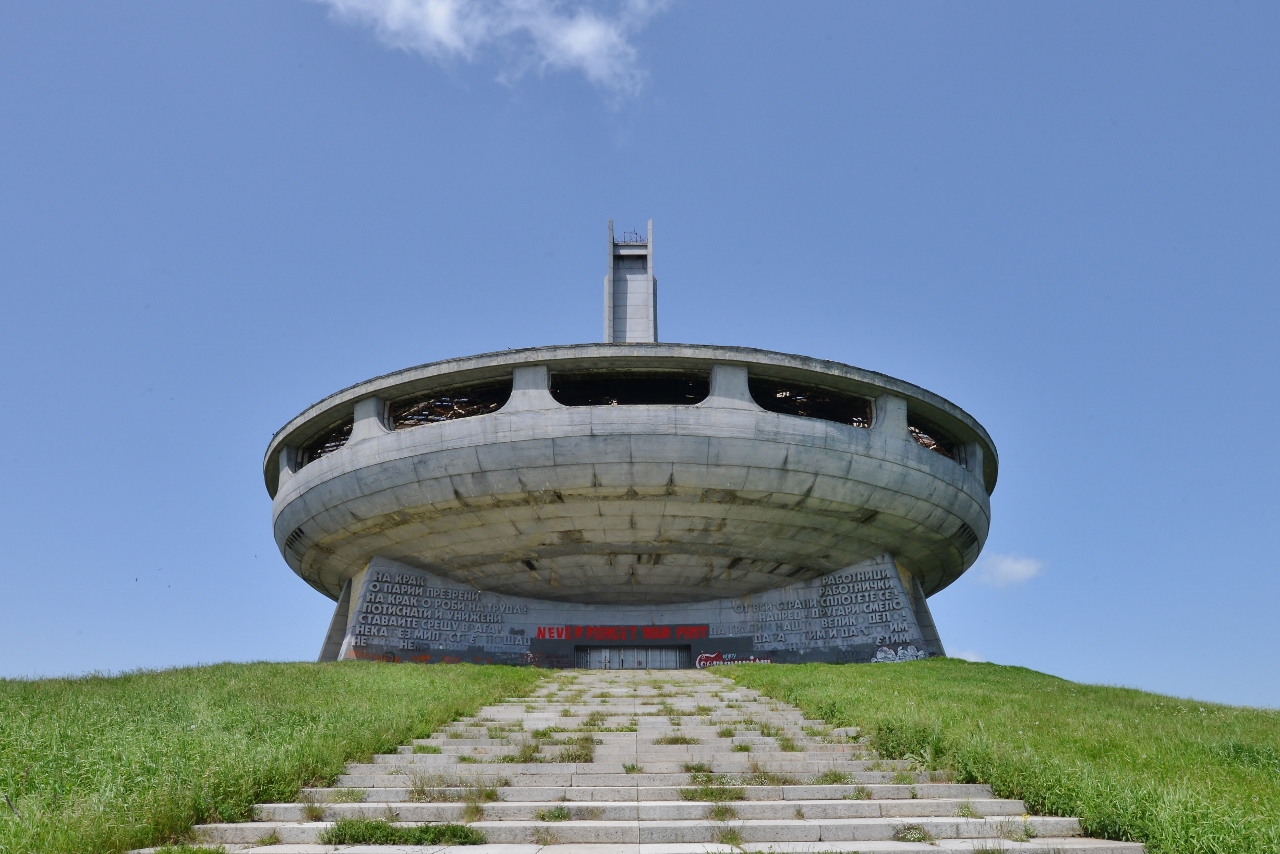
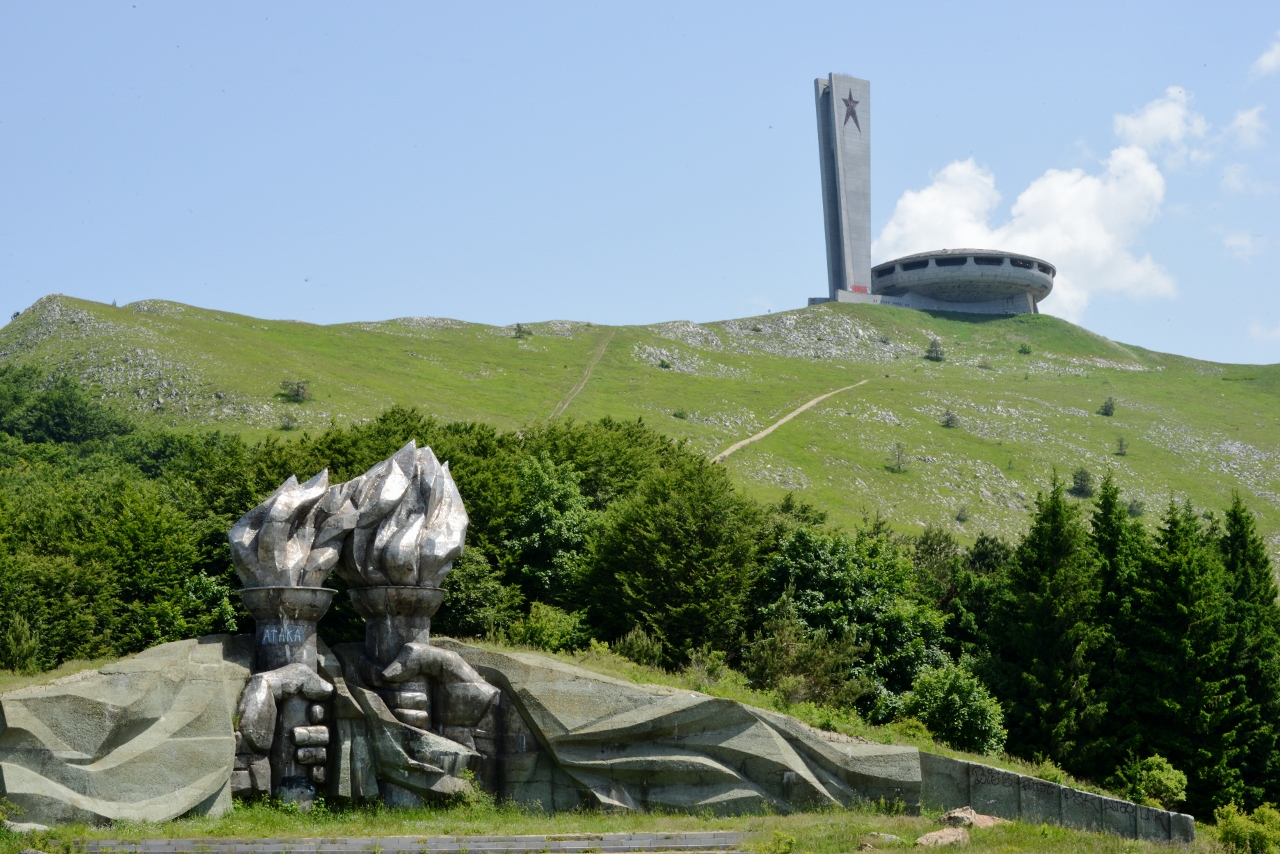
There are still a lot of communist relics littered about and they are endlessly fascinating to us. Just driving down the highway we’d see abandoned monuments with massive statues dedicated to the people and the workers. Socialism started in the early 1920s and there was an monument built by the communists on the site of the first socialist meeting. The monument, called Buzludzha, was used as a meeting place during communism and since been abandoned and fallen into disrepair. Before we visited we had asked many locals how to find the place and how to get in; almost all the locals thought we were insane for wanting to visit. Since it’s technically closed we were only able to get in after crawling through a hole someone made in a wall. Once we were in it was very eerie and enough of the décor remains to give a flavor for how the building looked when it was in use. It was a surreal experience

We thought the first half of our time in Bulgaria was really cool and fun but the second half is just as good if not better but that’s for next time :).

Enjoy the photos!

Chris W.


Romania Final 2015

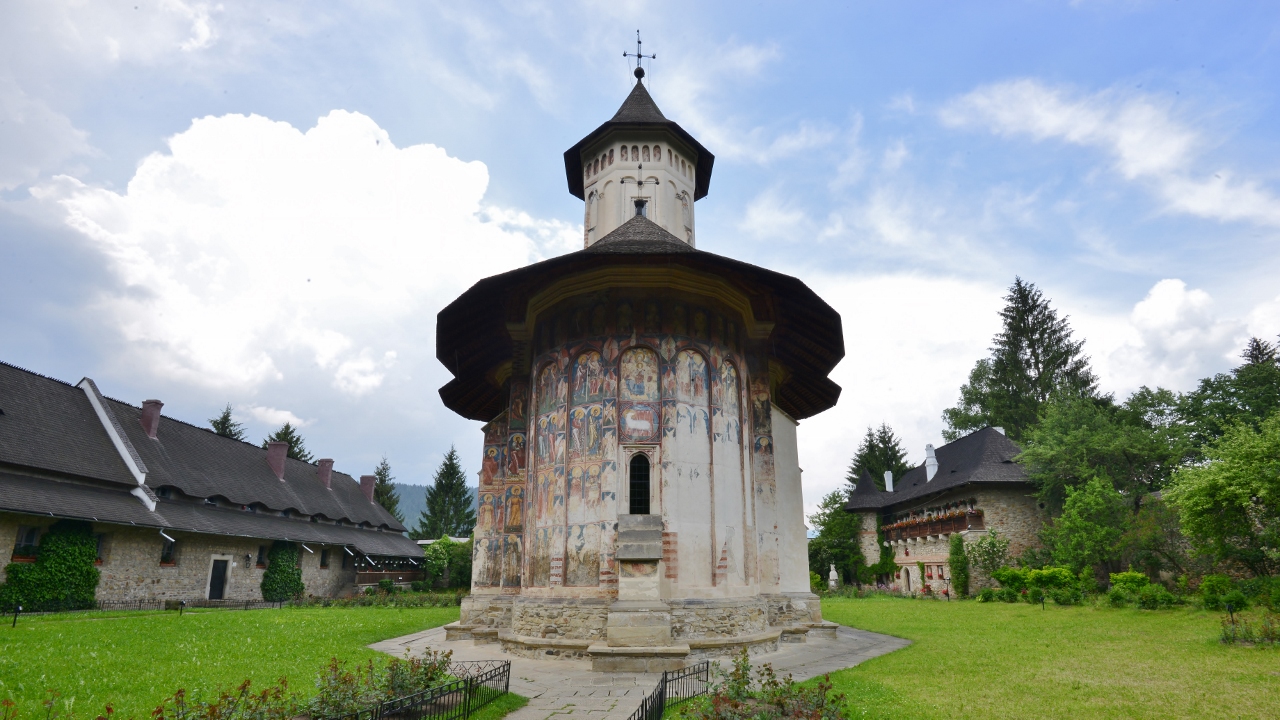
Our time in Romania is finished. We visited north east Romania to see painted monasteries and then went south to Bucharest before taking the train to Bulgaria. Our last two visits in Romania were an amazing way to cap an spectacular journey through the country. Just like before, we found beautiful scenery, incredibly friendly & helpful people, wonderful sights, delicious food, and everything was a good value. We’ve been away from Romania for a little over a week and we already talk about our eventual return.

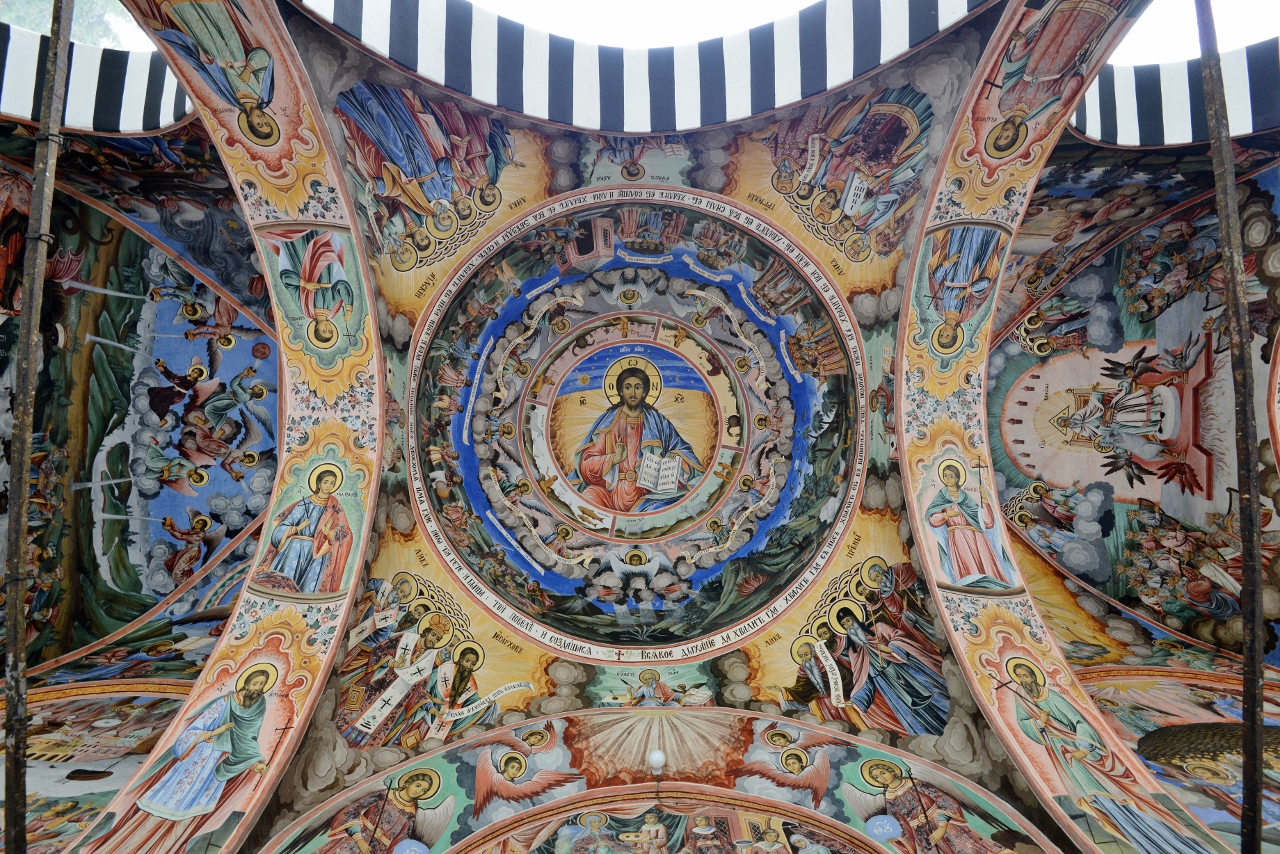
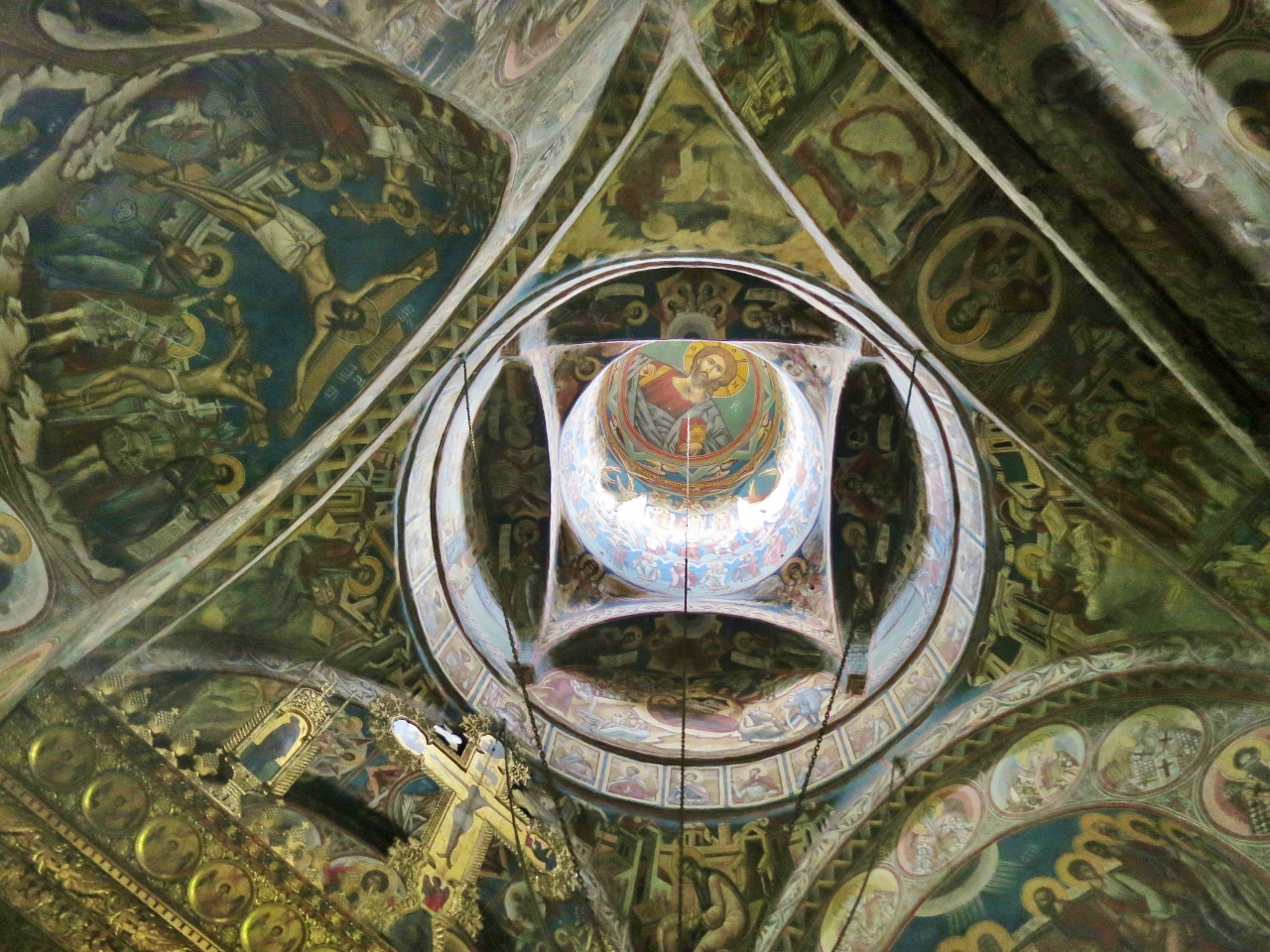
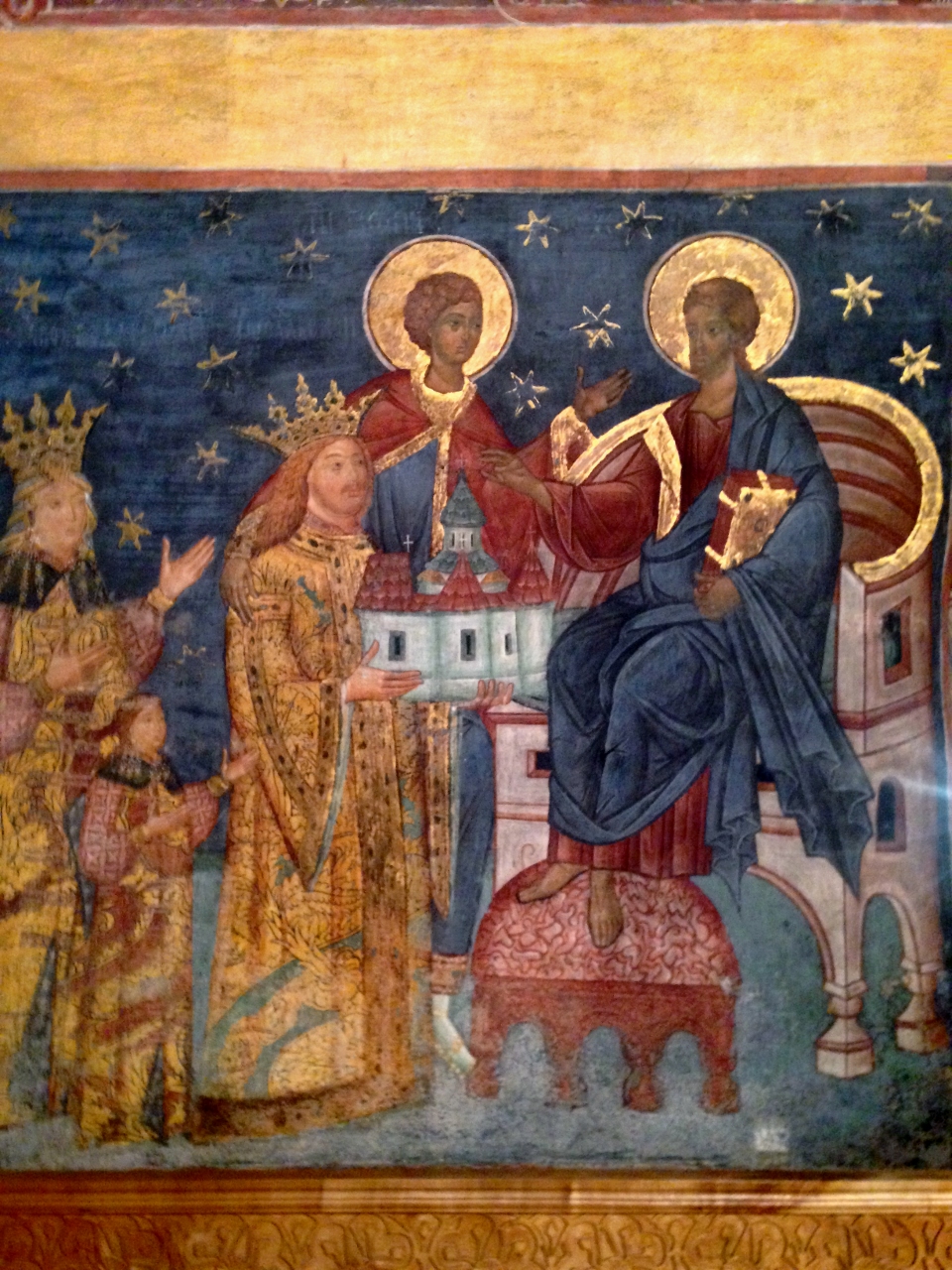
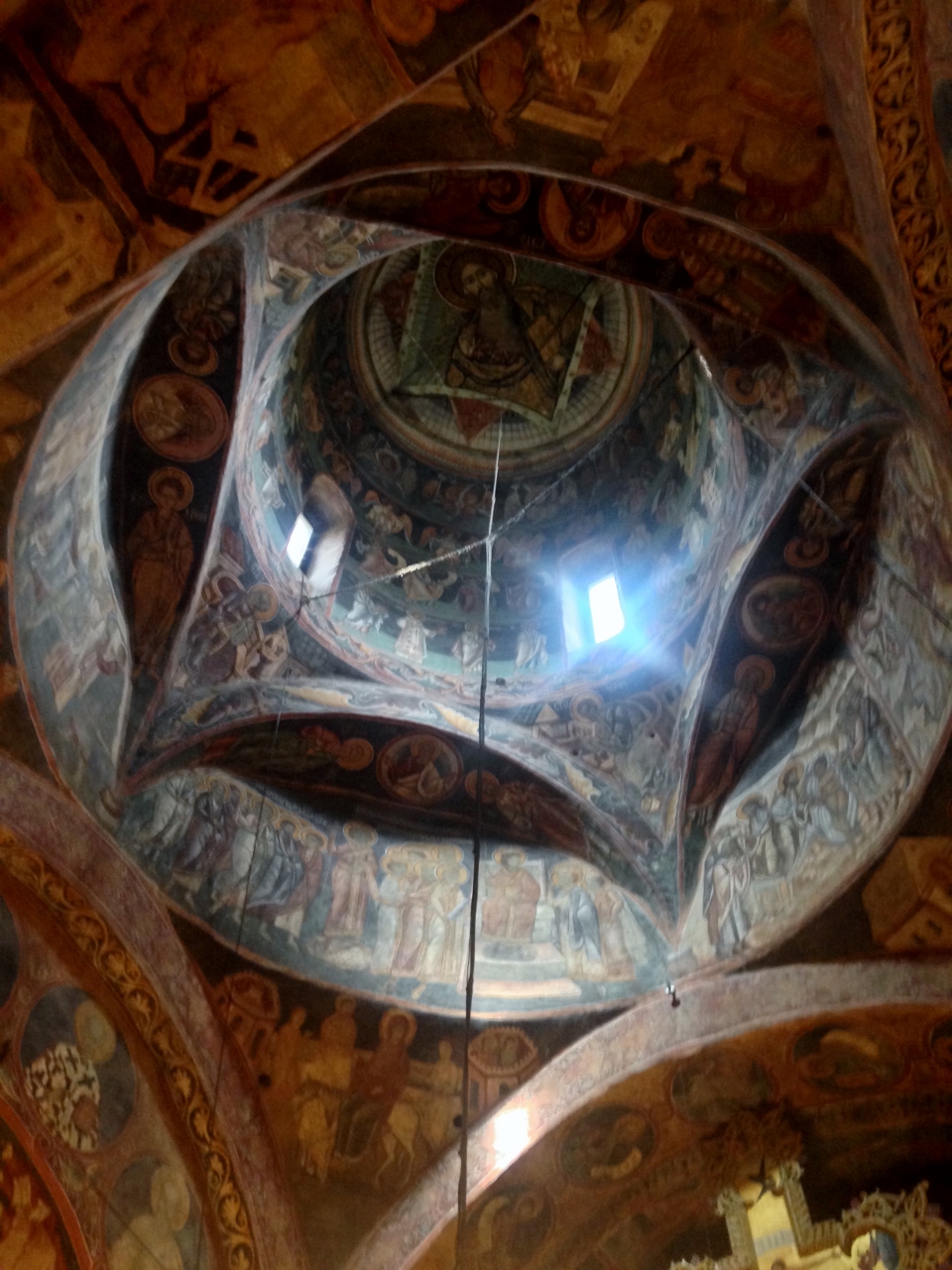
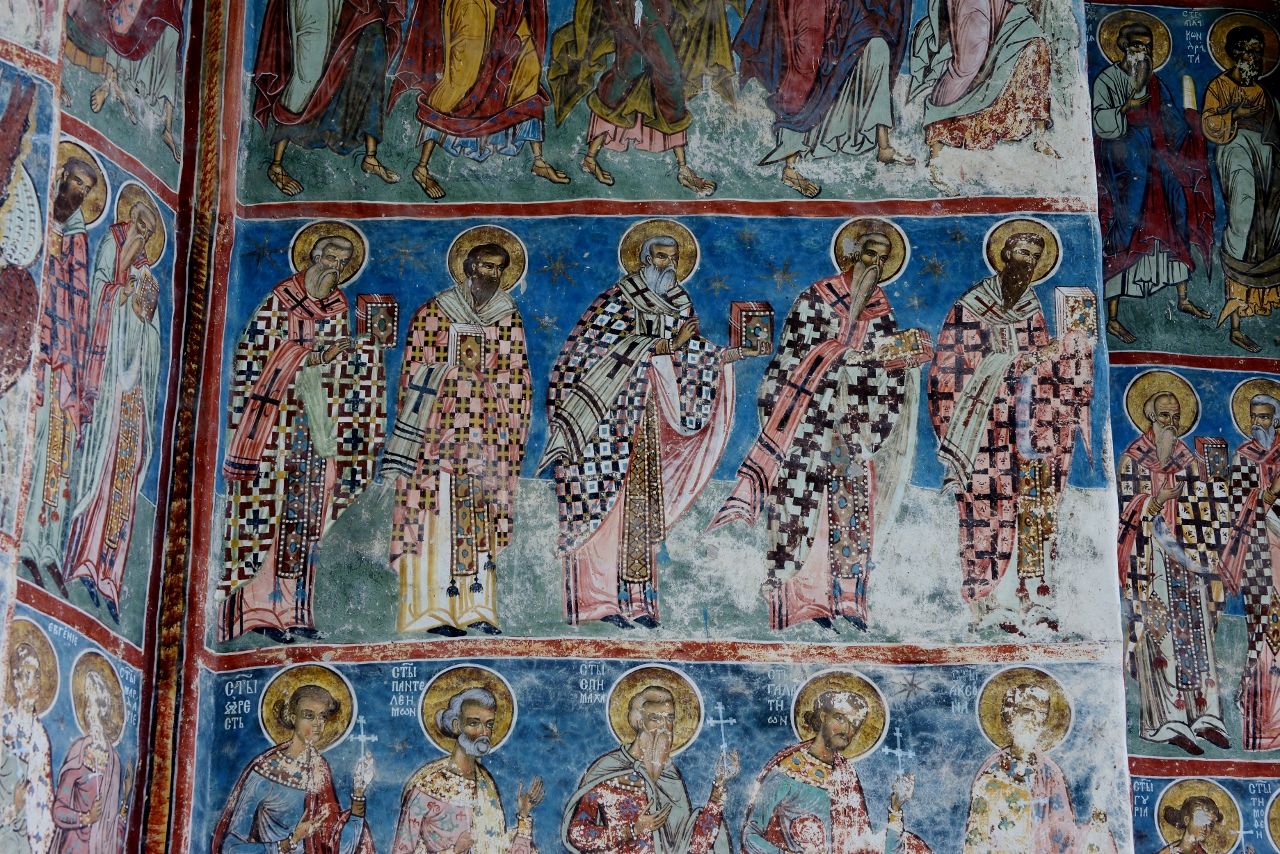
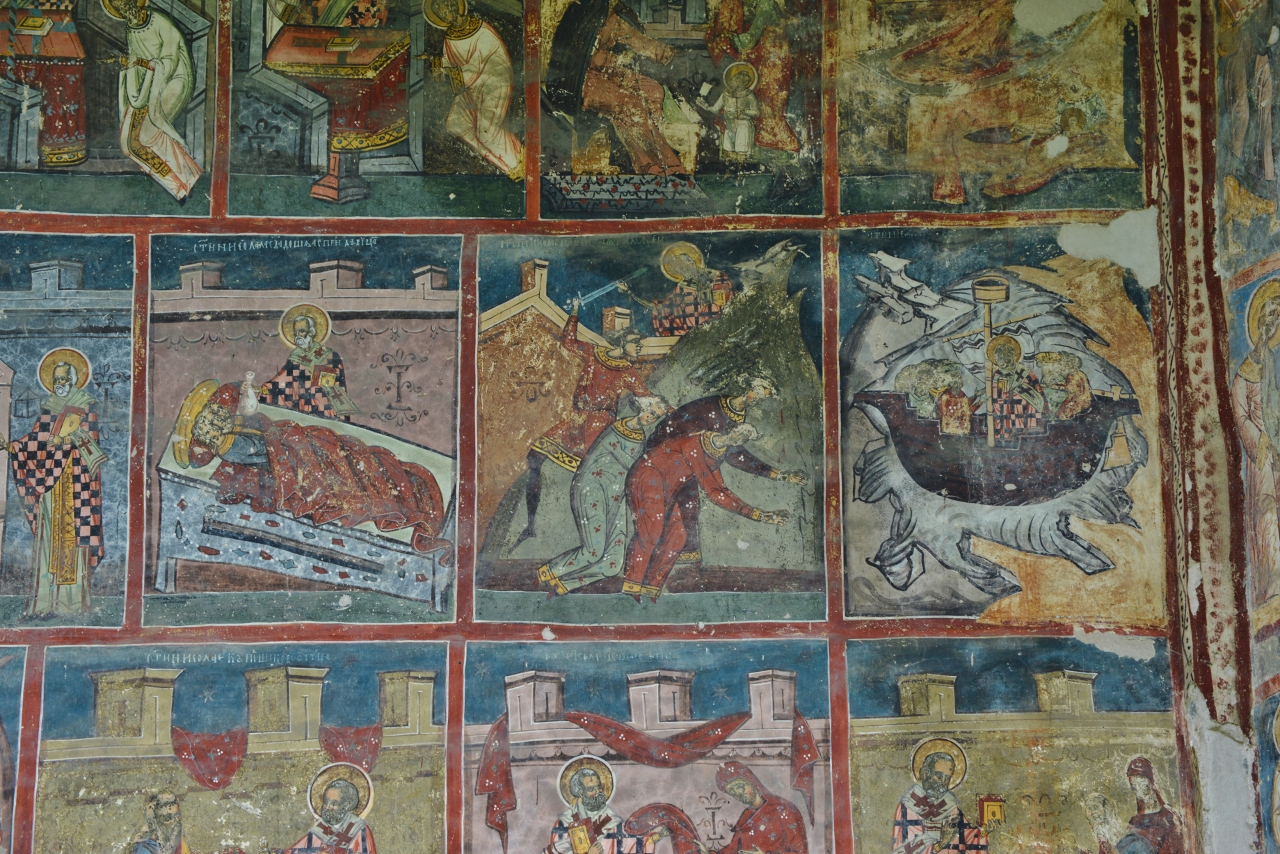
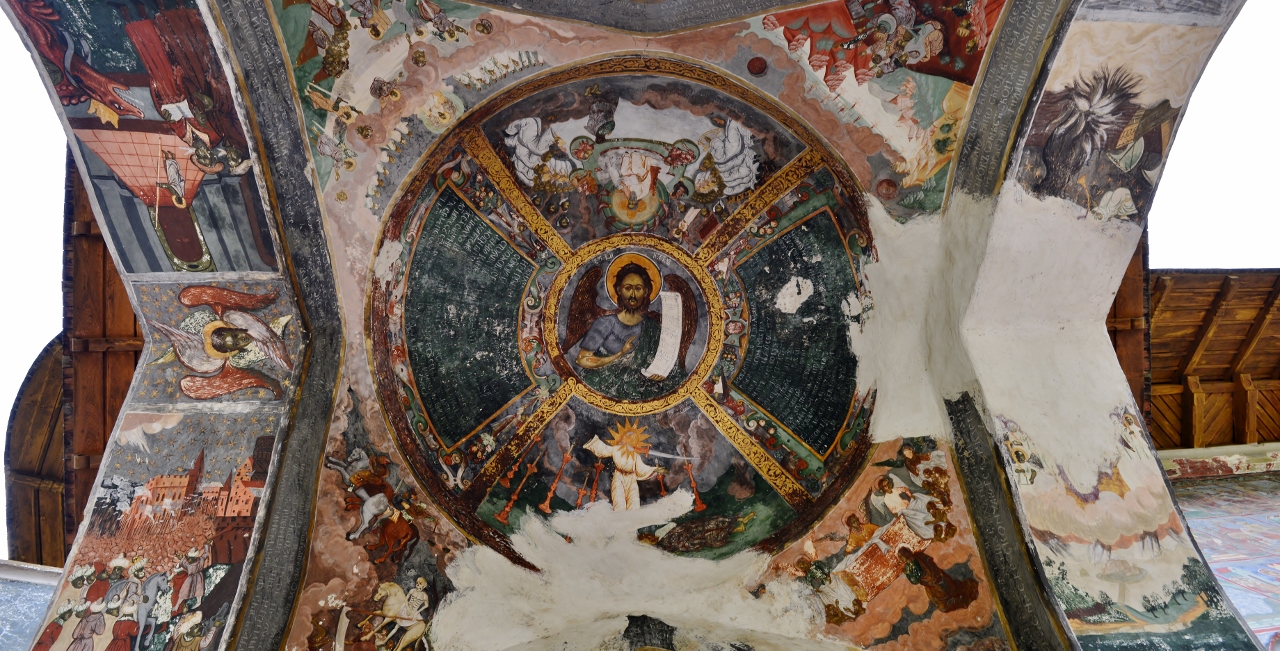
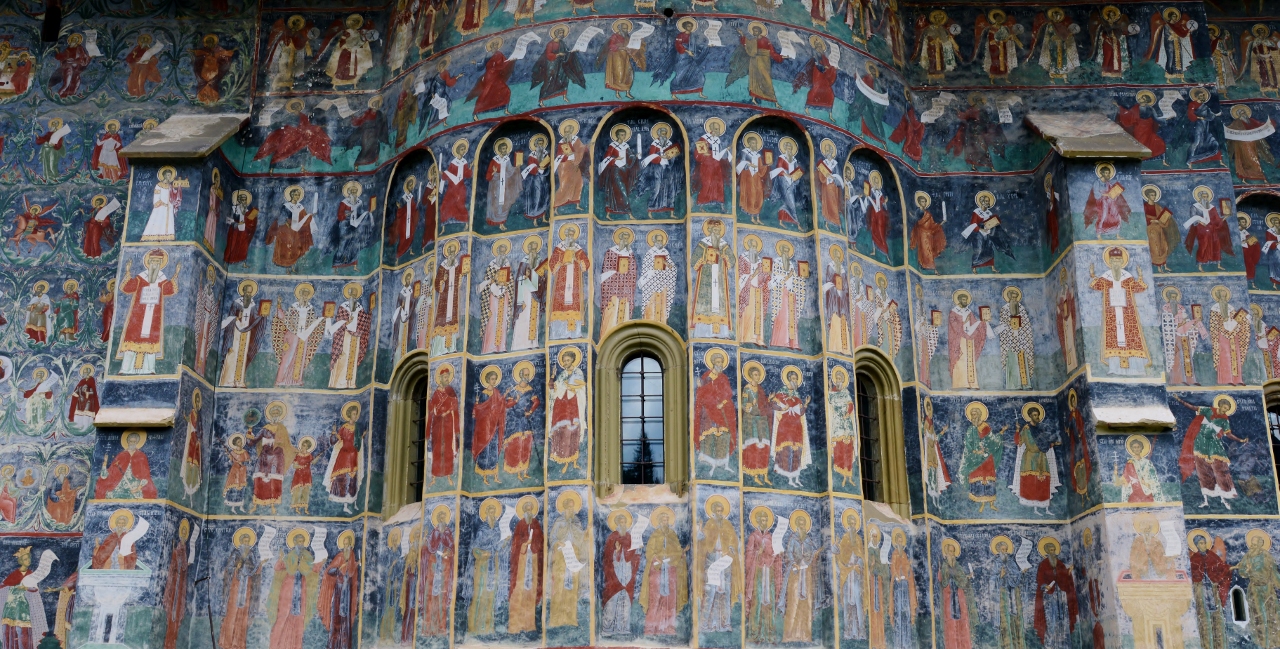
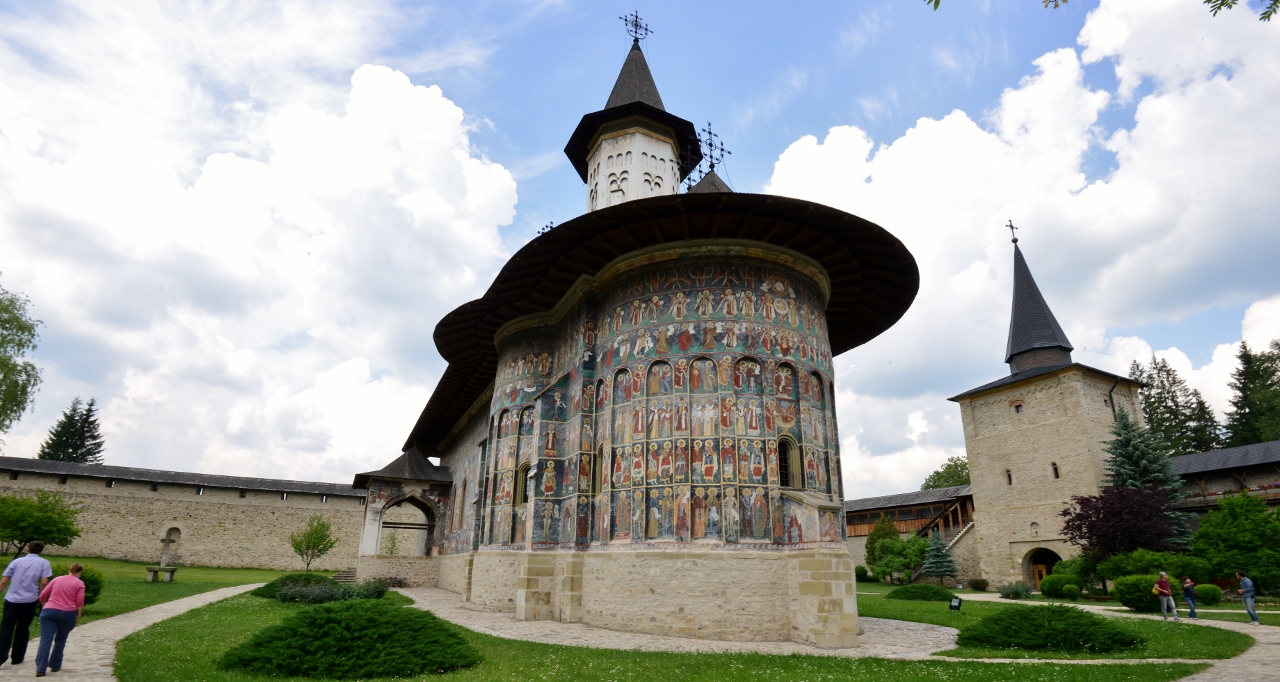
I had mentioned researching things to do in Romania was a bit difficult; there wasn’t a whole lot of information. Jacquelyn found a place in NE Romania near Ukraine with a bunch of painted monasteries. The pictures online were OK and the area was REALLY far away from everything in Romania so I felt we were taking a bit of a leap to visit. I am very, very, very, happy we decided to go. Just like everything else in Romania, it turned out to be absolutely amazing and all the information online did the area no justice. We’ve never seen anything quite like the 500 year old painted monasteries. The monastery paintings are stories from the bible and the important people in the church so the average folks, who were illiterate, could understand all the important things of their religion. Interior murals are quite different than the exterior murals; they are gruesome depicting people being burned, boiled, stabbed, ripped apart by animals and so on. I asked our guide why so many paintings where of people being killed and dying horrible deaths and he told us that they are the important saints and the paintings are of how the saints died. That was pretty cool considering I remember we learned a lot about the saints in church school but I don’t really remember learning a lot about how they died

We spent nearly nine hours touring around to the different monasteries and it seems like we could have spent a couple more days staring at the walls. The It was amazing to see how well the murals held up after 500yrs of exposure to sun, snow, rain, heat and cold. Each monastery was a little bit different and had its own character. Much like everywhere else in Romania, there were only a handful of other tourists and we were really able to enjoy the monasteries free from interruption.

Our time in Bucharest was pretty good. We aren’t really city people so we don’t really know what to do with ourselves in a big city. Probably the most odd thing we saw was the Parliamentary Palace which is the second largest administration building in the world after the Pentagon. The construction started towards the end of the communist period and the architecture of the building really shows it. The building really is huge, just massively huge. I uploaded a photo and it doesn’t do it justice. If possible, try to zoom in to see the window air conditioners – they are normal size but look super tiny. Otherwise, the city is a lot like other European capitols with similar architecture, city squares, pedestrian areas, and plenty of restaurants and bars.

Romania is quite the place. Some of the locals said we were “brave” and other travelers mentioned we were “daring” for traveling to Romania. We have no idea why as traveling around was super easy and everything went nearly perfect. Many countries we’ve visited have great features but few countries have amazing attractions, great people, beautiful scenery, great food, great values, and, most importantly, relatively easy access to the things we want to visit. Of everywhere we’ve visited, I can only think of three other countries with similar characteristics. The experiences and photos I shared barely scratch the surface of our awesome experience in Romania, they were just the highlights. Our day to day travels had many other great experiences. We were sad to go and we miss Romania a lot.

Enjoy the photos!

Chris W.

PS – for those who want to see high def documentaries about the mountains and wilderness of Romania just go on to youtube and look for “Wild Carpathia”. It’s an excellent series.

Transylvania Part One 2015

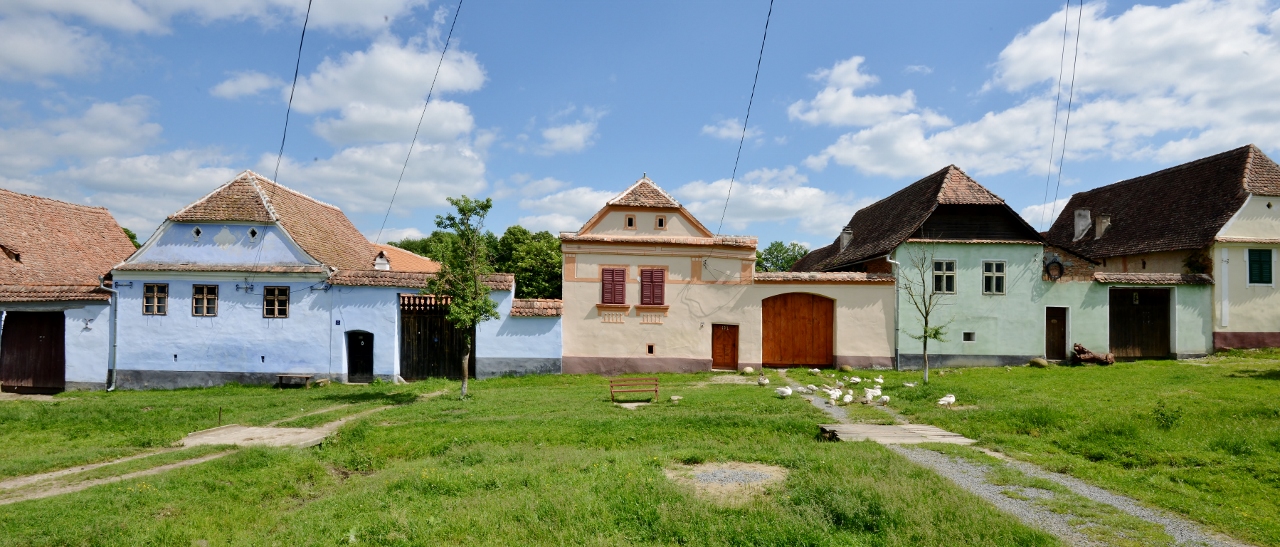
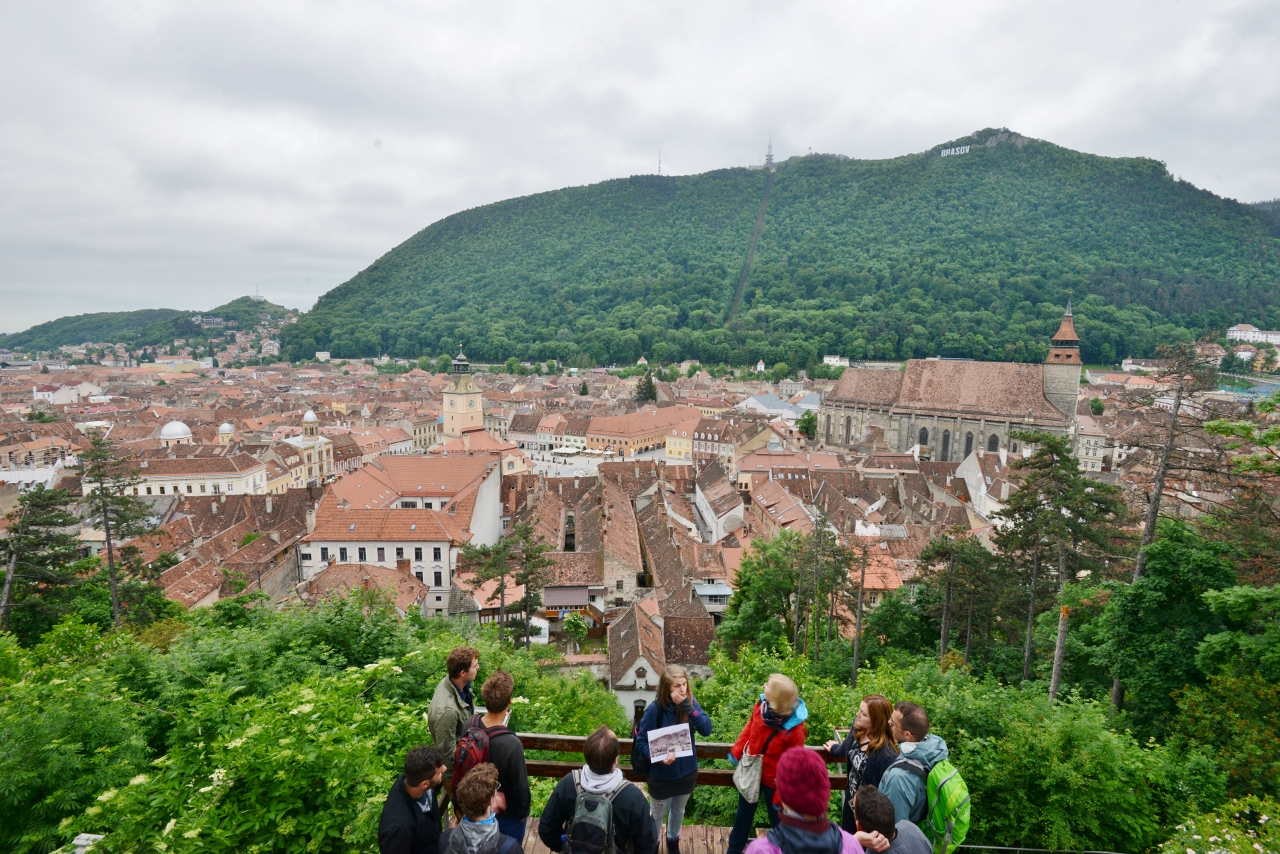
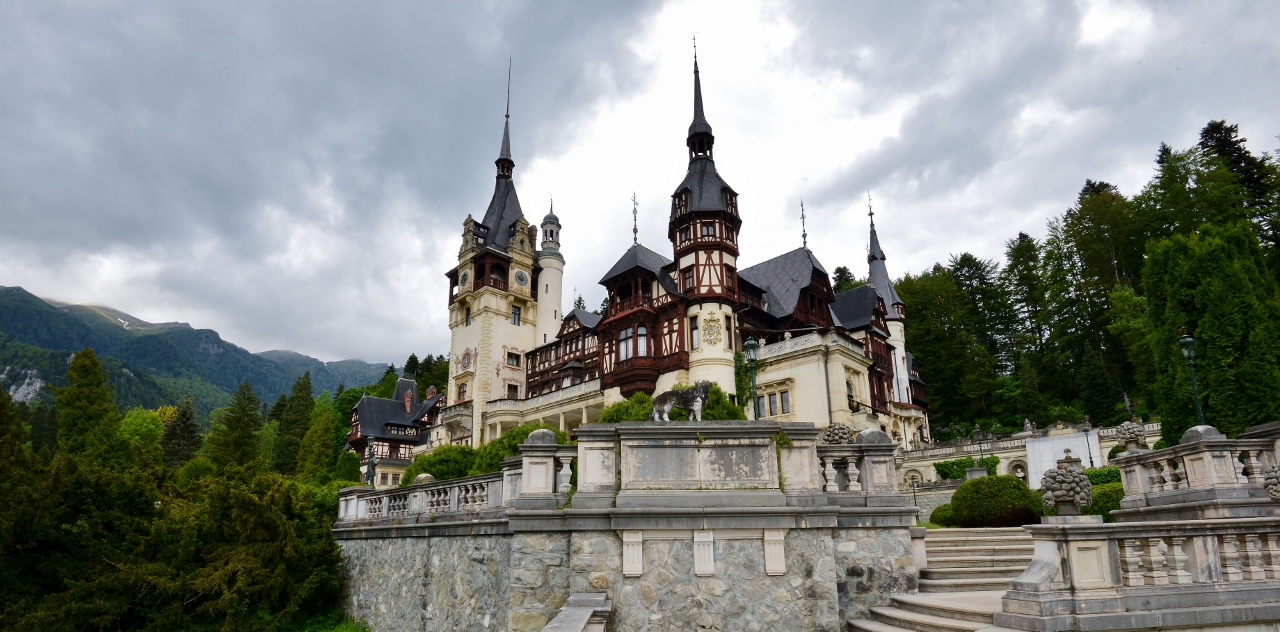
Our time in Transylvania has been amazing. Even though we’ve been here for two weeks it seems like we just scratched the surface. This area has made a very lasting impression on us and the combination of what we found in Transylvania doesn’t really exist anywhere else in the world. The beautiful scenery, outdoor activities, awesome people, good food, chill demeanor, historical sights, ease of access to the things we want to do, and great values make Transylvania the most under-rated place we’ve ever visited. There is a lot I want to share so I’m going to break this up into two posts. #1 The easy stuff: scenery, tourism industry, and driving in Transylvania. #2 The amazing experiences we’ve had with the people of Transylvania and the delicious food they make. I’m still working on #2 so that’ll come sometime later.

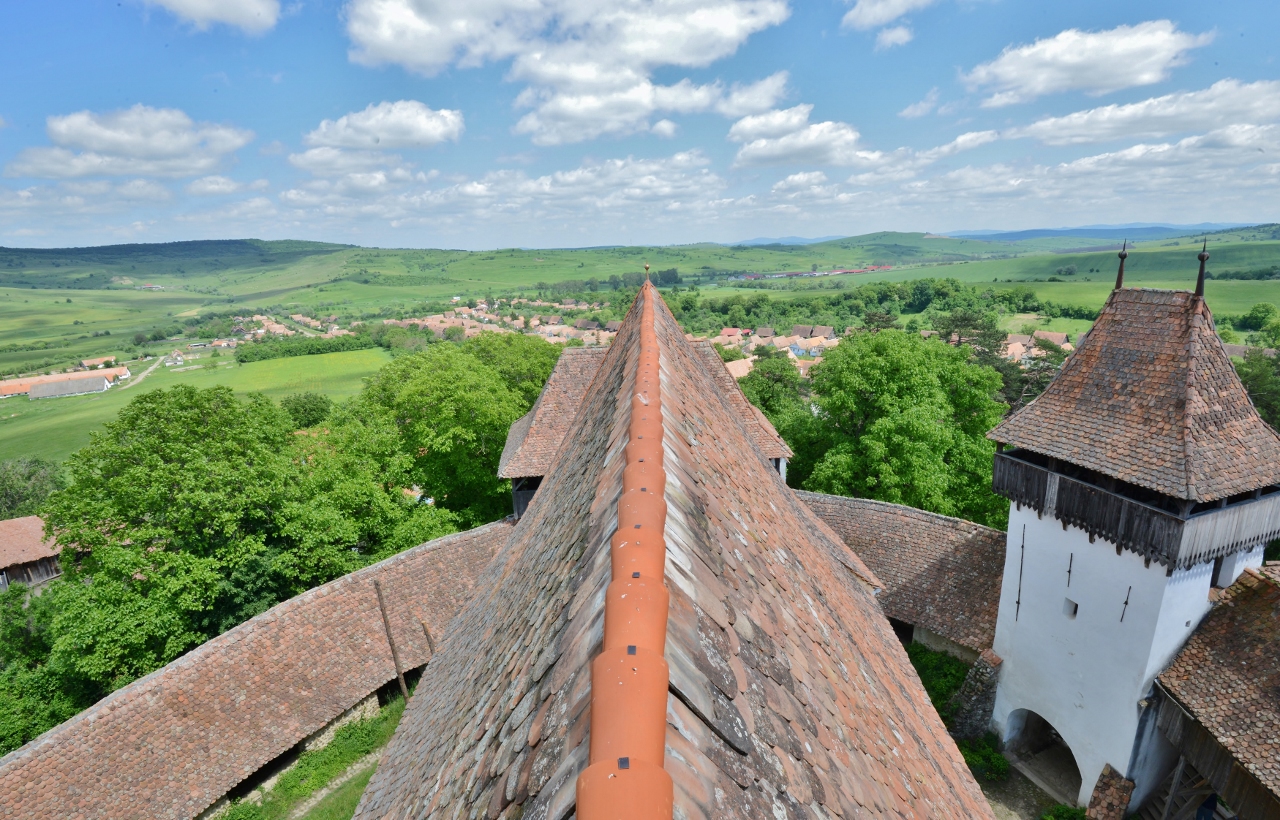
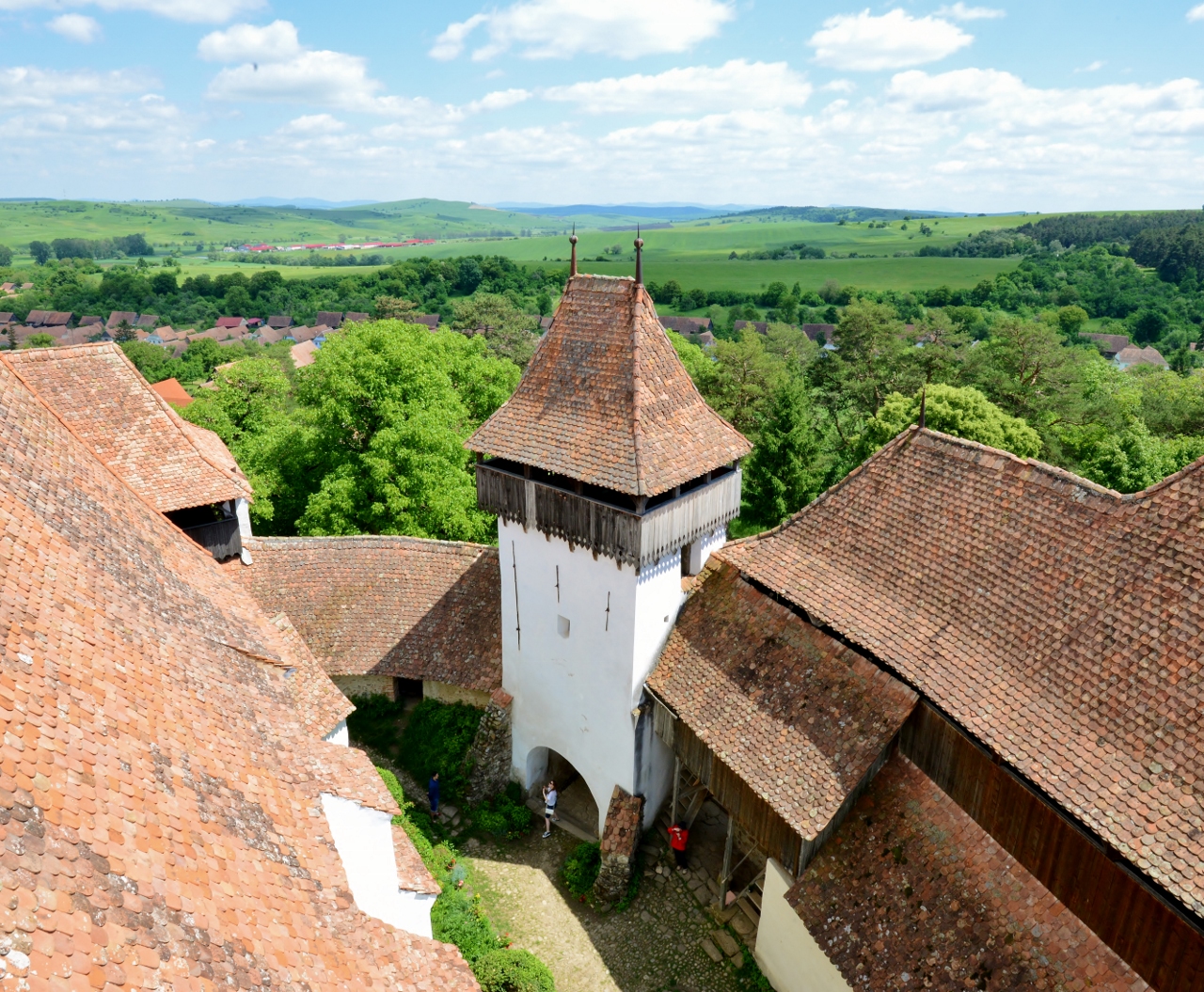
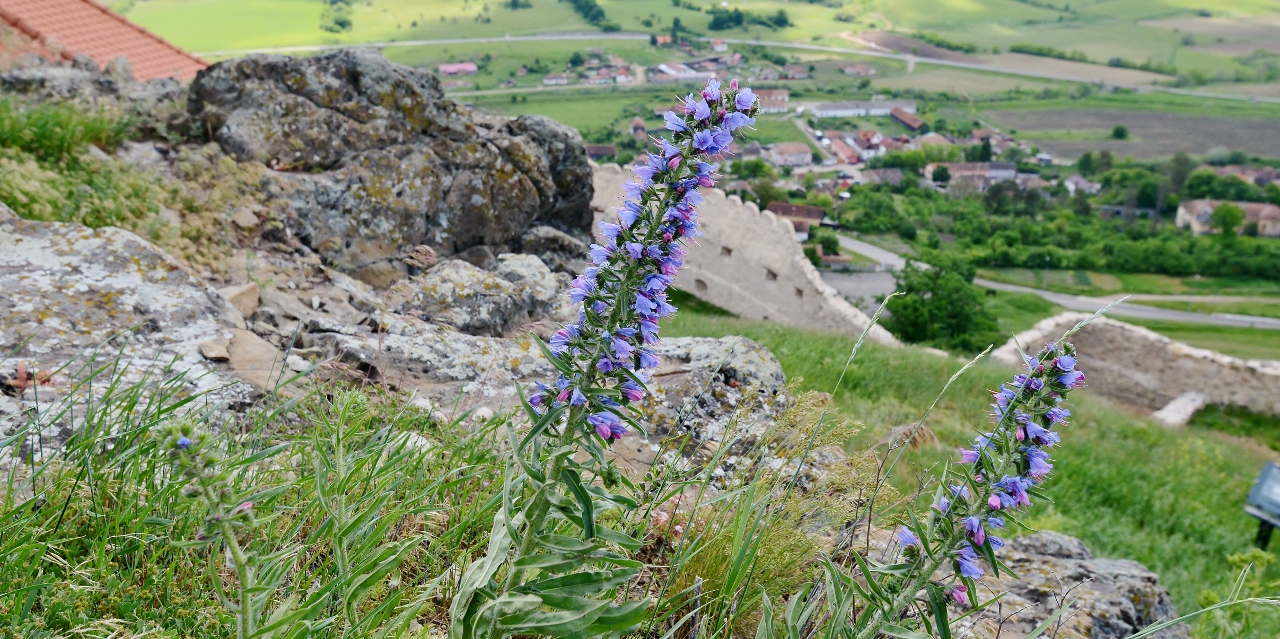
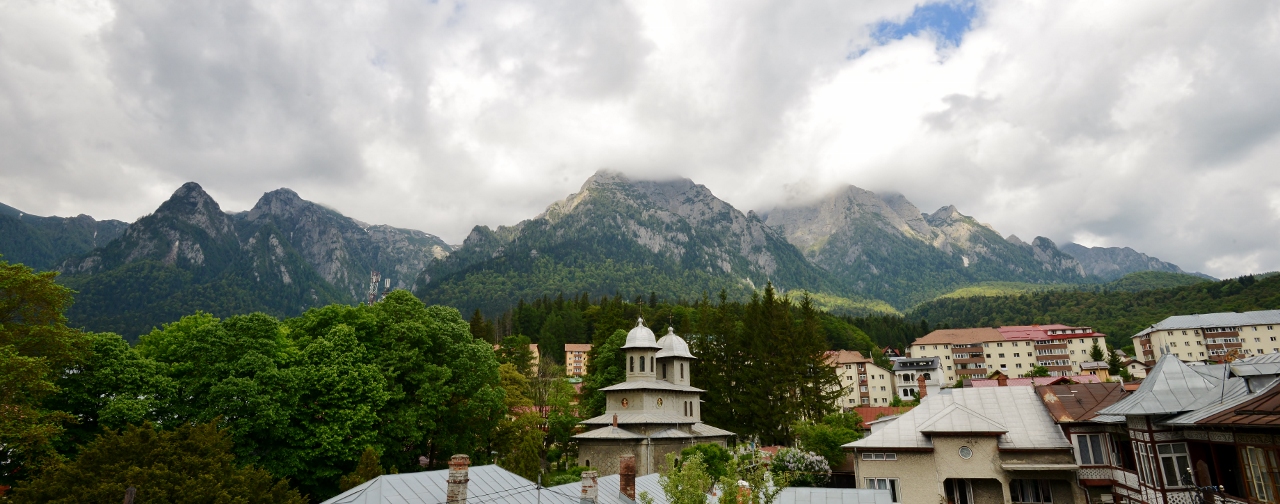
First things first: it wasn’t easy figuring out what to see in Transylvania. Normally, if someone wants to tour a European country the first thing they should do is find Rick Steve’s materials on the country. We were surprised to find Rick Steve’s doesn’t have a guide for Romania and even recommended people skip Romania. The next thing we turned to was TripAdvisor only to find there wasn’t a lot listed. The places that were listed didn’t have a whole lot of reviews and the descriptions of the places were pretty poor. Sites like the Lonely Planet and Wikitravel didn’t help much either. We’ve never encountered a dearth of information like this so we made our own itinerary and figured we’d see at least one cool thing during our two week drive through Transylvania. We ended up being completely surprised by how many things there were to do, how much fun the sites were and, best of all, we pretty much had the tourist places to ourselves because there isn’t a huge tourism scene. We knew Romania had mountains but we had no idea it had so many mountains and with the largest continuous forest in Central Europe. Transylvania has some very stunning scenery. It was really easy to find outdoor activities to do and it didn’t take a whole lot of work to see jaw-dropping beauty. I put some photos up and they really speak for themselves – Romania is very beautiful.

Romania has a rich history of being conquered, subjugated, and passed around by outside forces going back thousands of years. Romania, as we know it today, didn’t exist until after World War One. Because of this, there are a lot of fortifications all over the place dating back to Roman times and even some villages have churches with very large fortifications. A lot of the sites we visited were at some stage of refurbishment, it seemed like everything was under construction. We learned that a lot of EU money and tourist money is being used to make the tourist sites better, which is good, because a lot of historical sites are pretty dumpy and only some are in great condition. There was a huge positive benefit of the dumpiness: we could pretty much wander around anywhere, open doors, peek in everything, and thoroughly explore everywhere, and there were very few “fun police” running around ruining our time. This is pretty different than most tourist sites we’ve visited around the world. We also spent a lot of time trespassing because sites would be closed when they were supposed to be open or we were just interested in visiting. Unlike other places in the world, no one ran us off and no one seemed to get mad! People were generally happy to see us when we were trespassing. After setting off an alarm in one building, we were welcomed with open arms and later given dinner – but that’s a story for part two .

Since we didn’t find a lot of information about what to visit, we’d always ask people for recommendations on what to see during our visit. Almost always people would bring up a salt mine near Turda. We had read about it and planned on visiting it, but it was surprising so many people thought a salt mine was cool. It had its own aura with the locals, the salt mine would come up in conversation and people would pause and say something like, “Oh yes, it’s a very good place. You must go.” So the day arrives and we visit; I never thought a salt mine would be cool but it was awesome! The salt mine had been turned into a mini amusement park complete with a Ferris wheel, mini-golf, pool tables, bowling, row boats, and tons of areas to sit around and chill. Salt crystals were growing everywhere on everything, even the air was salty. Every so often I’d lick my lips and taste salt! It was a really cool visit!

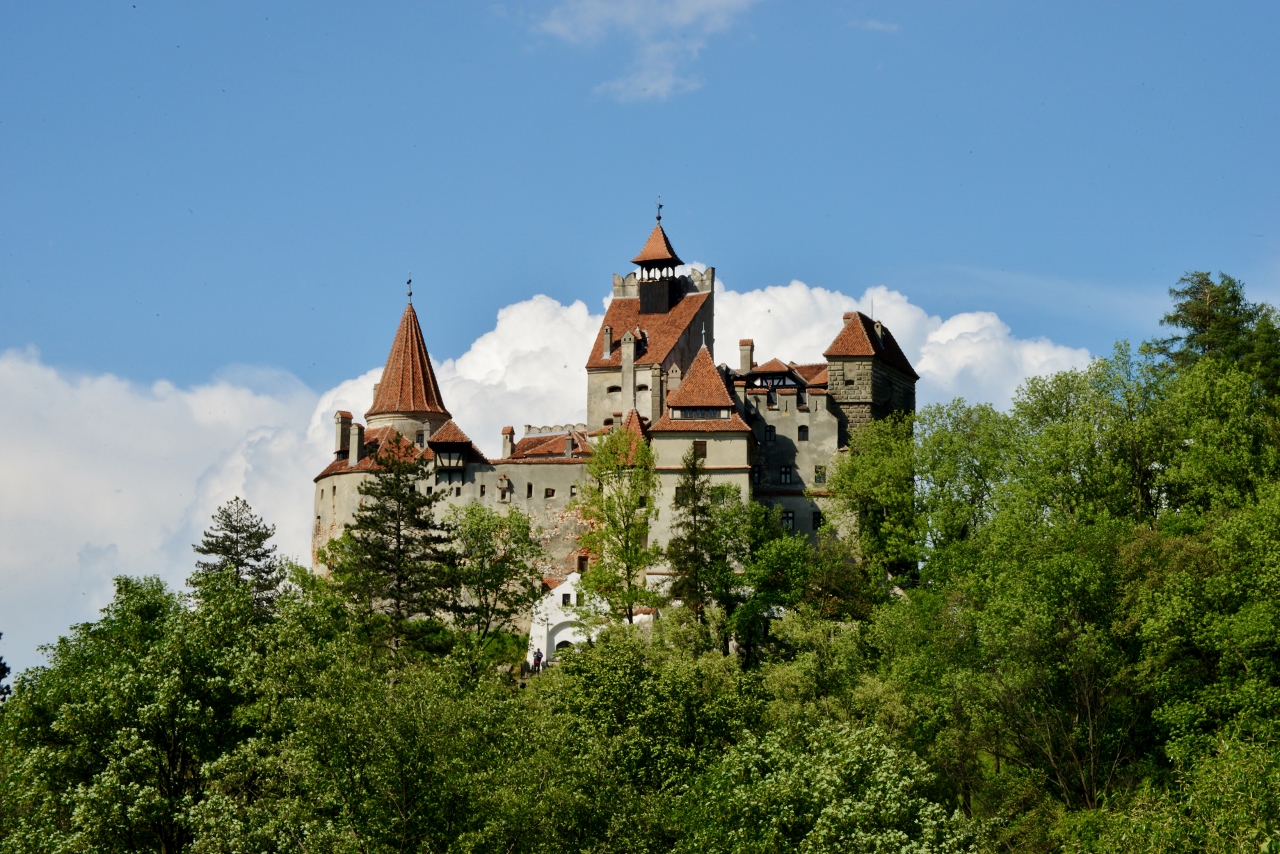
The cost is right for tourism. Most tourist attractions were generally$2-$3 per person to visit, some were free, and the very few ‘expensive’ places, like Bran Castle, were only $7-$10. It was amazing we could go to so many places and see such cool stuff for so little money. In more expensive countries we generally have to choose what we want to do and make some type of judgement call on what we want to see. Not in Romania, we could visit everything! Food, lodging, rental cars, etc., were all pretty reasonable too. We could go out and have a very good three course meal with drinks and desert for $15-$20. That’s a very good deal!

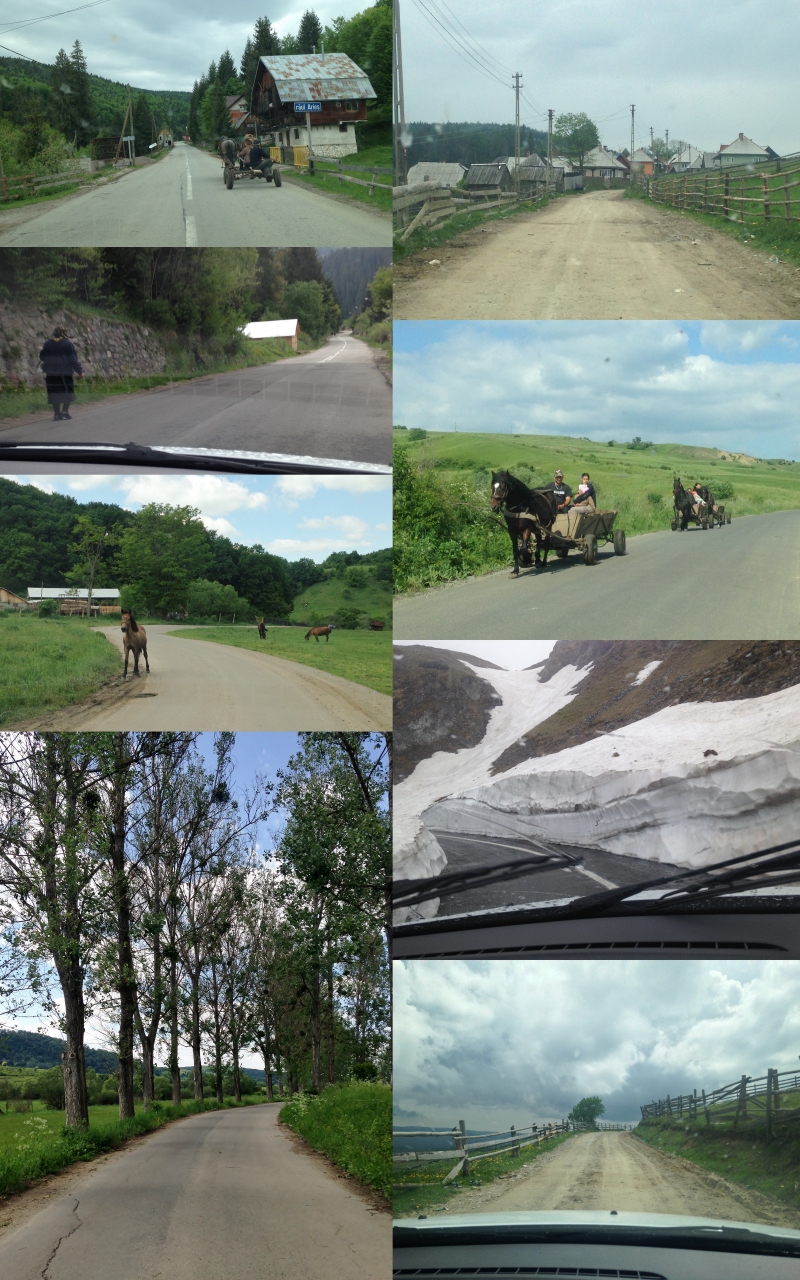
The biggest downside for a tourist had to be getting around. Driving in Romania is insane. The bigger cities are filled with seemingly suicidal drivers and the countryside is filled with dirt roads in bad condition. In the first five minutes with our rental car, I discovered our horn was disconnected. After the first day of driving I told Jacquelyn that we should be prepared to pay for damages for our rental car because there’s no way the car was coming back unscathed. The crap mountain roads, extremely narrow streets, and everyone trying to drive over us was terrifying! That said, I’m thankful for two things which came in very helpful in Transylvania: 1) spending endless hours driving on the gravel back roads of the Black Hills during high school really taught me how to make decent time on crap roads, 2) driving in Albany, NY and Chicago for a year taught me how to deal with super bad and super crazy drivers. We ended up being completely fine and even returned the rental car in one rather muddy piece. These two experiences helped make sure we stayed on the road, didn’t hit anything, and nothing hit us!

So the scenery, the tourist sites, and the trip through Romania was awesome. Even if we hadn’t spoken to a single person in the country, Romania would still be near the top of our list of favorite countries we’ve visited. The unique and extremely awesome part of our trip occurred from all the interactions we’ve had with others and I’ll write about that later!

Enjoy the photos!

Chris W.

Bosnia and Herzegovina 2015

I’ve had a hard time writing about Bosnia and Herzegovina. It is a place unlike anywhere we’ve visited and it is a place nearly impossible to describe, much like Japan, but for very different reasons. So what I wrote is really long because I couldn’t figure out how to make it shorter; our time in Bosnia left quite the impression on us. If you don’t want to read everything here are the cliff notes: it was fun, we would go back, and Bosnia is a uniquely weird place.

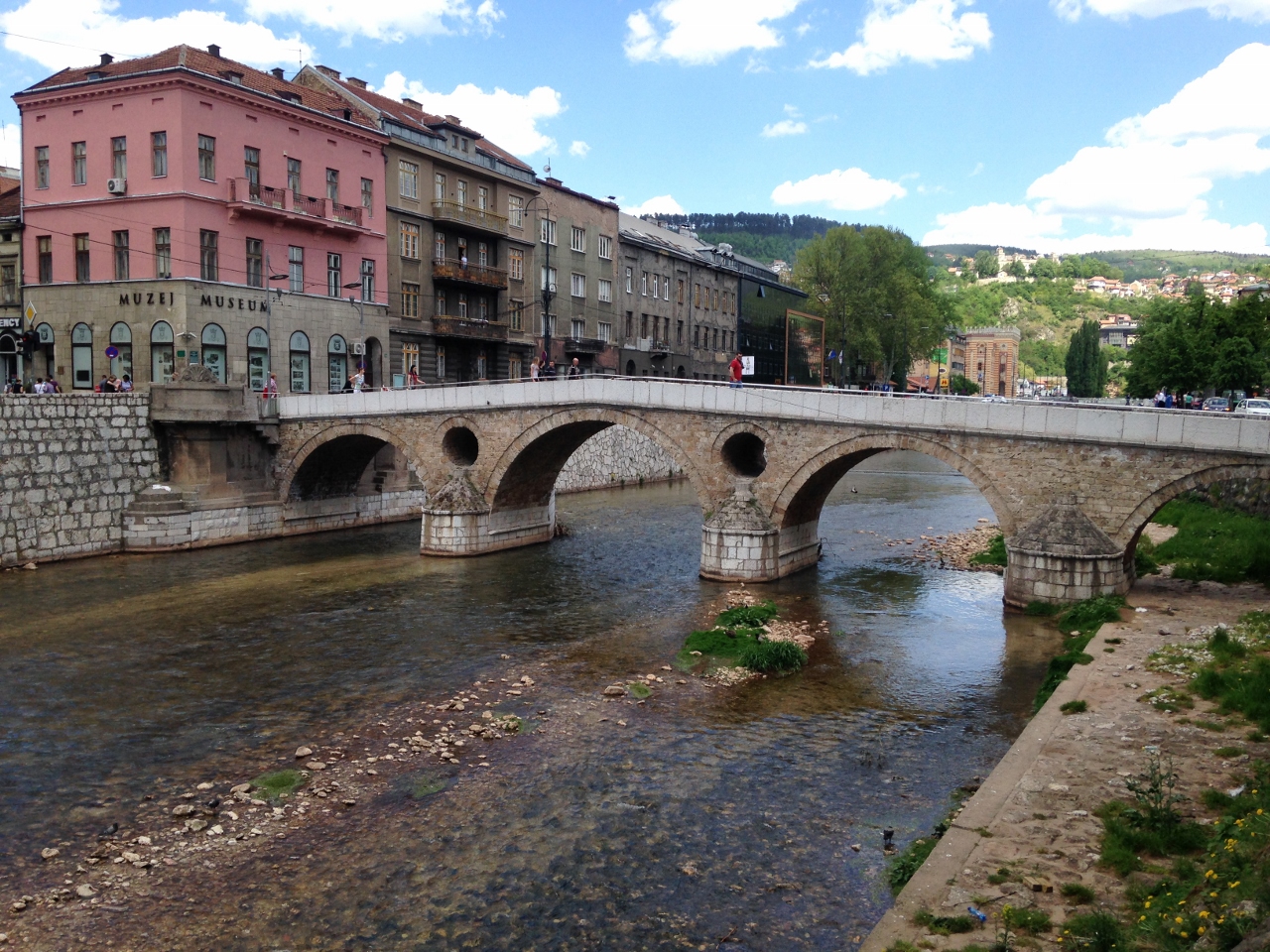
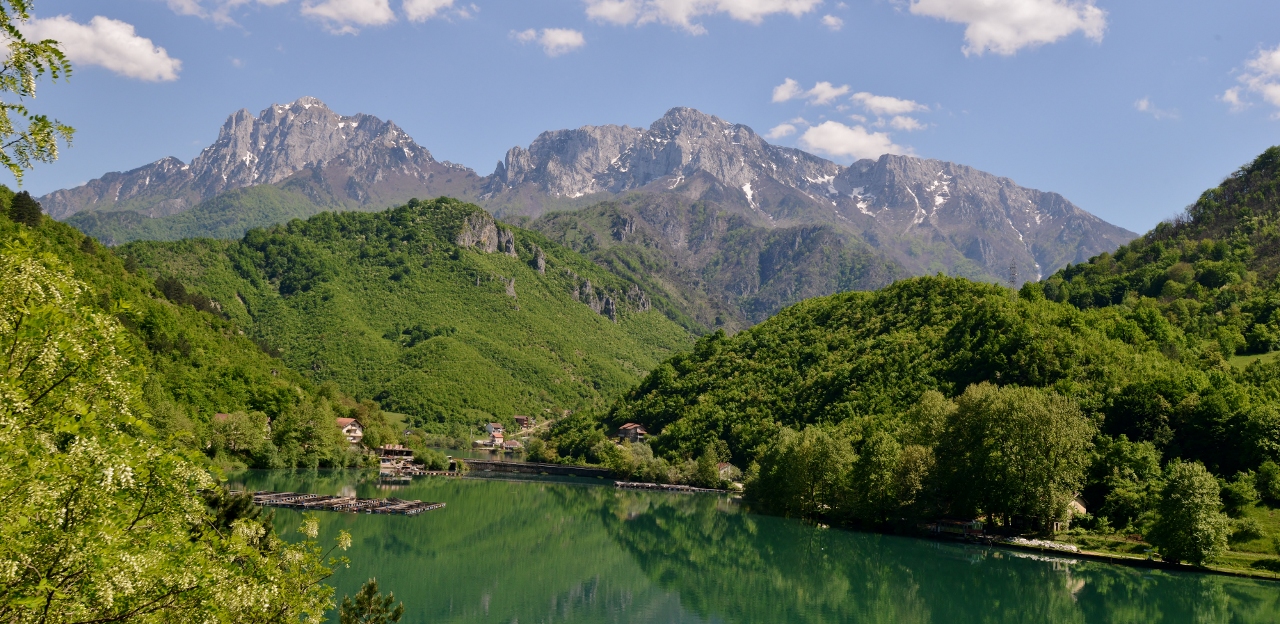
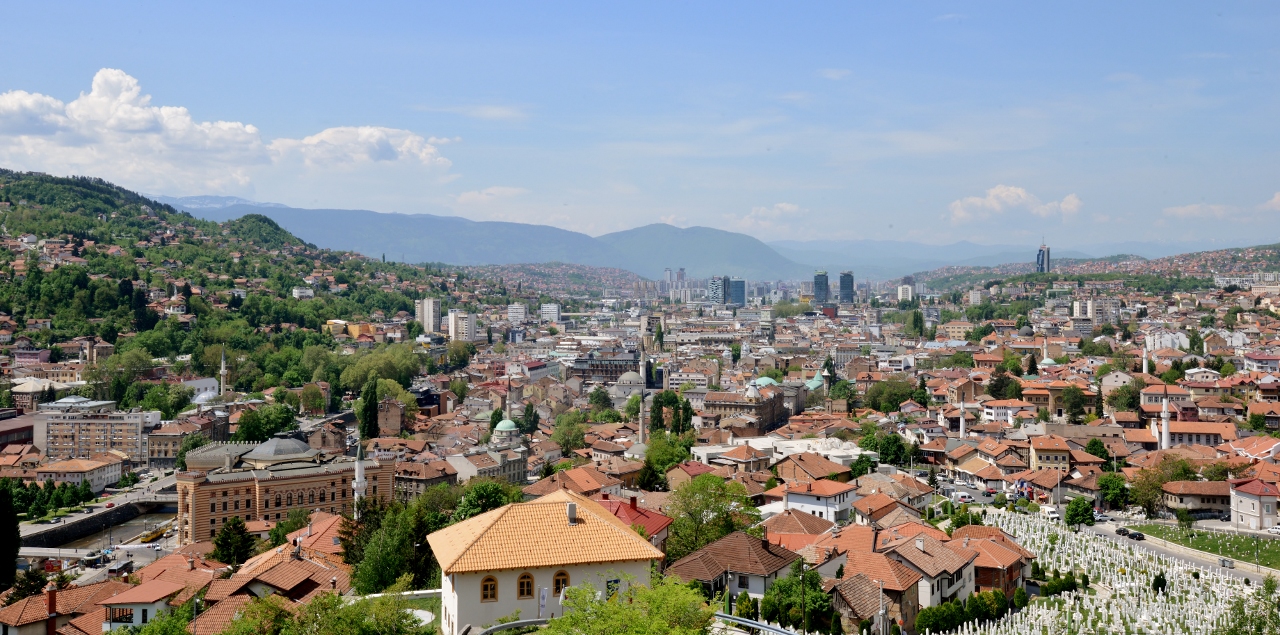
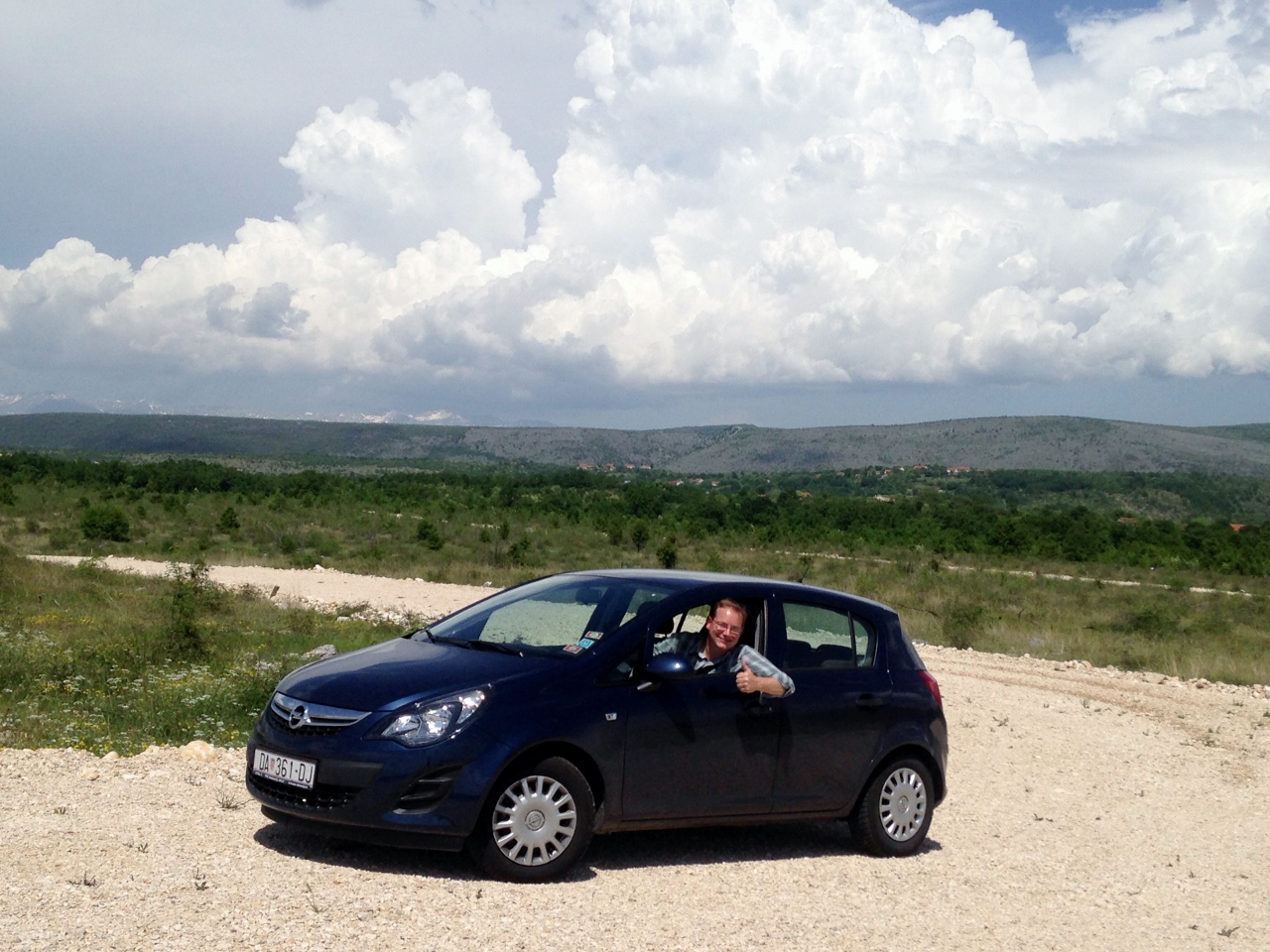
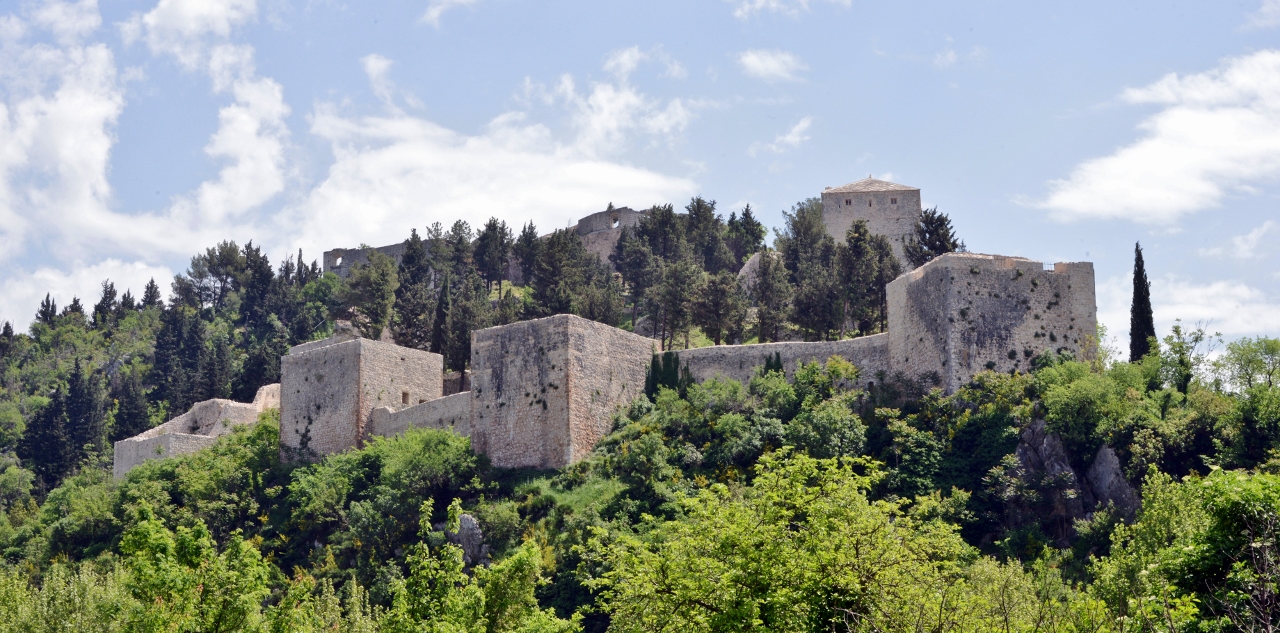
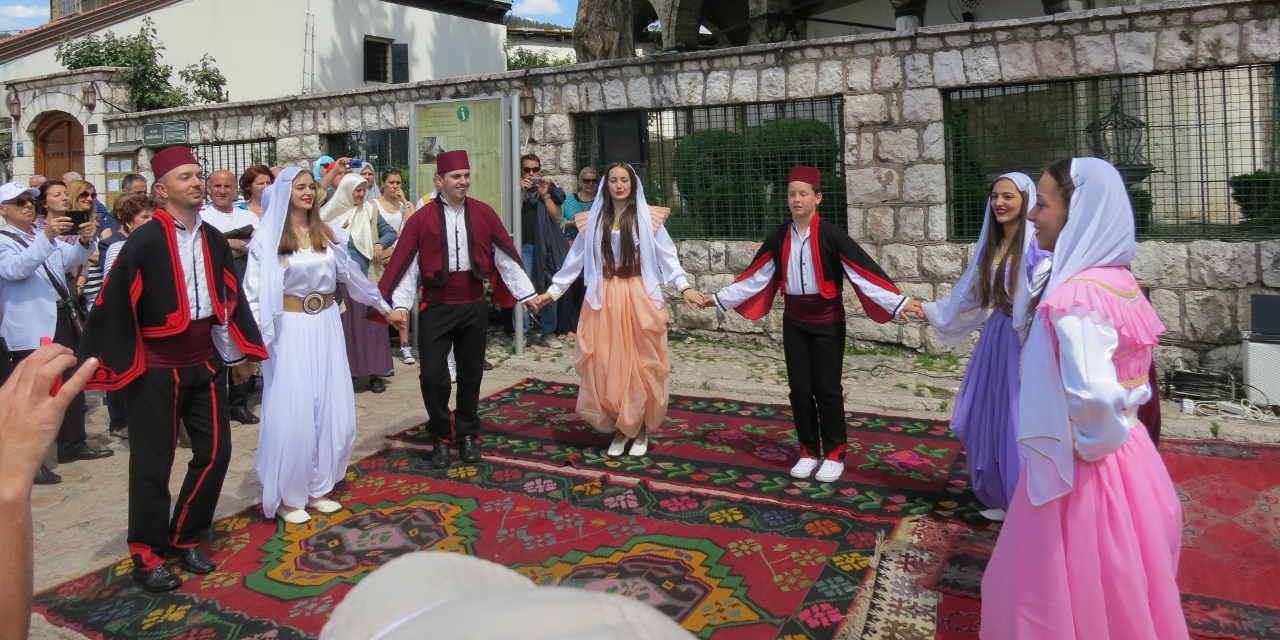
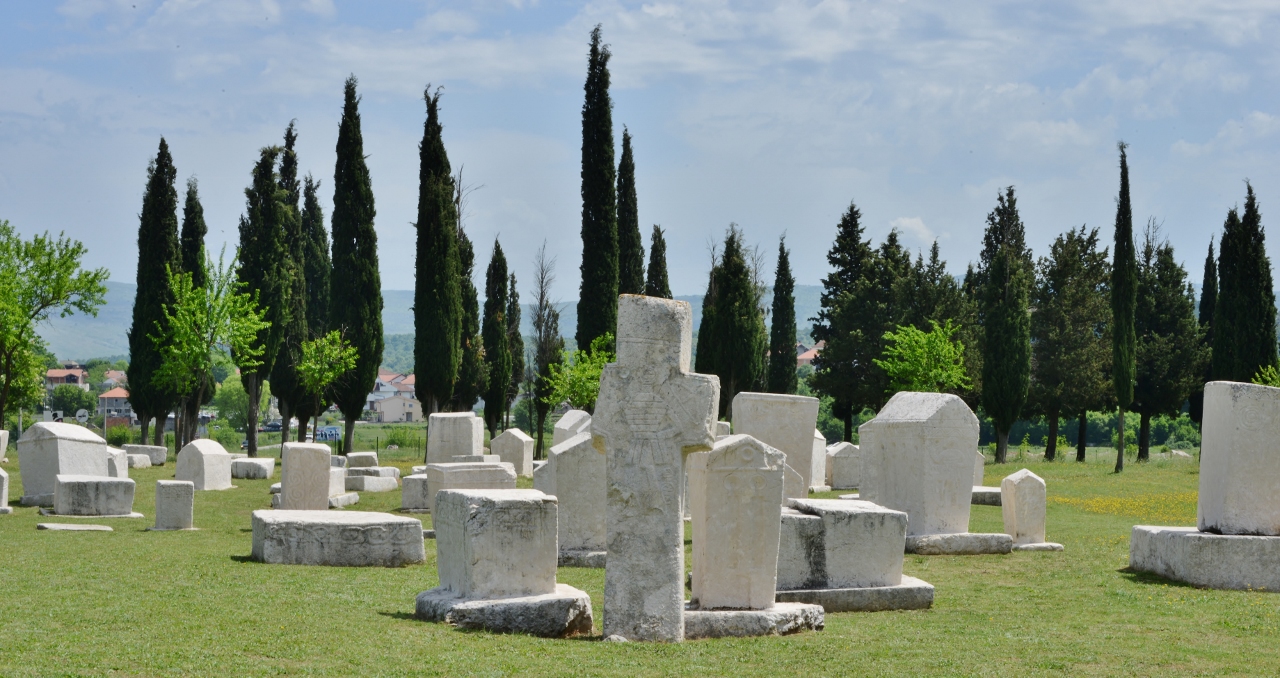
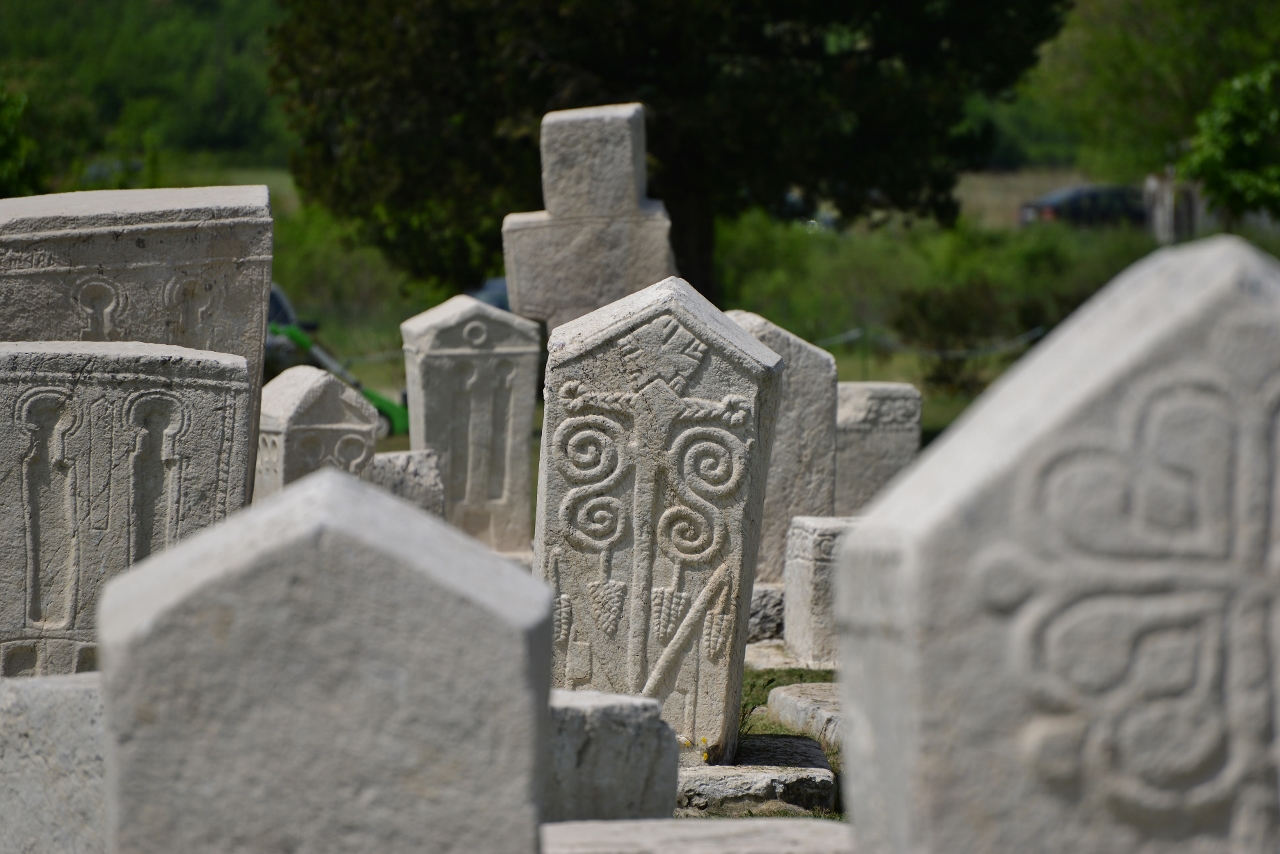
So I’ll start with the easiest part: We really didn’t know Bosnia had that much cool stuff to see. We were originally planning our trip through Croatia and we needed a way to get back to Zagreb, Croatia, to return our rental car so we thought we’d drive through Bosnia. As we were researching we kept finding more and more stuff to do. During our drive we were floored: Bosnia is beautiful, like gorgeous. We had no idea it was so mountainous and green. From what I’ve gathered, there really isn’t trekking or hiking culture / tourism in Bosnia which is really too bad because there were so many gorgeous places we visited where one could purposely get lost for weeks on end out in nature. It would be really neat to come back some day and spend time in the mountains disconnected from humanity. There is an Islamic influence throughout a large part of the country so Sarajevo feels like a mini-Istanbul (let me emphasize mini!) where there was the call to prayer and we were able to get the foods that we really enjoyed in Istanbul and other Muslim-majority countries we visited. There are really neat castles, settlements, and other important structures like the Mostar Bridge, littered throughout the country so even driving from one major city to another was broken up by short stopovers at cool sights. So much of the country was beautiful and fun to visit.

The price is right for tourism. Food, lodging, and other tourist activities are cheap in Bosnia, almost similar to what we paid in Cambodia, Thailand, and Vietnam but Bosnia is far easier to reach than South East Asia. The yearly wage for the average Bosnian is less than half of the US minimum wage and there is over 40% unemployment. The low wages make tourist money go really far. A very filling meal for two could be bought for $8-$10, drinks included, and admission to tourist places is generally a buck or two. While there is a tourism industry in Bosnia it’s pretty well relegated to the major cities. It was a bit harder to get along in the countryside as we met fewer people who spoke English and quick serve restaurants were far and few inbetween.

We used Airbnb exclusively and we found amazing hosts on accident. This was the next-level type hosting we found in Japan. Our hosts were genuinely concerned for our wellbeing and wanted us to be happy in every way possible. In particular, two hosts stood out – they were around our age and they spent a non-trivial amount of time with us showing their city and sharing their stories of growing up, what the current life is like, and what they think the future holds for the country. These were amazing experiences we were not expecting; this type of experience has happened so infrequently during our travel that it will forever stand out. Our hosts were even concerned for our belongings. In Sarajevo, our host told us “I’m not saying your car stereo is going to get stolen but it might” so we paid for secure parking smile emoticon.

The next easiest thing would be the history. Bosnia has been an area conquered and reconquered since antiquity. Fast forward to the Middle Ages and later where the area was predominantly Christian (Catholic and Orthodox) until the Ottomans rolled through and brought a lot of Muslims making Muslims the largest minority group with no majority group. Skip ahead through the two world wars and now Bosnia is part of Yugoslavia under Tito. The big cultural differences and any tensions are suppressed by the state so people live in peace because, well, they have to.

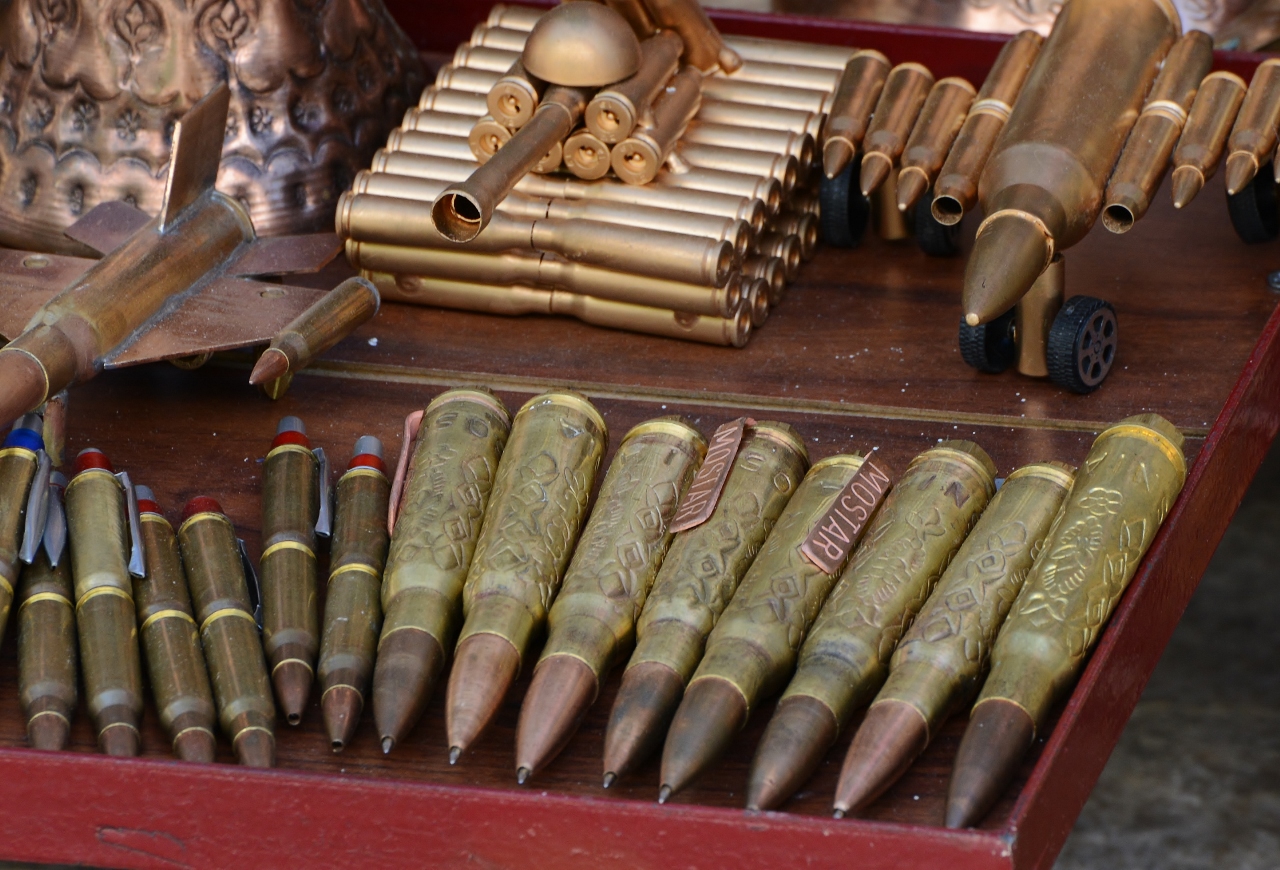
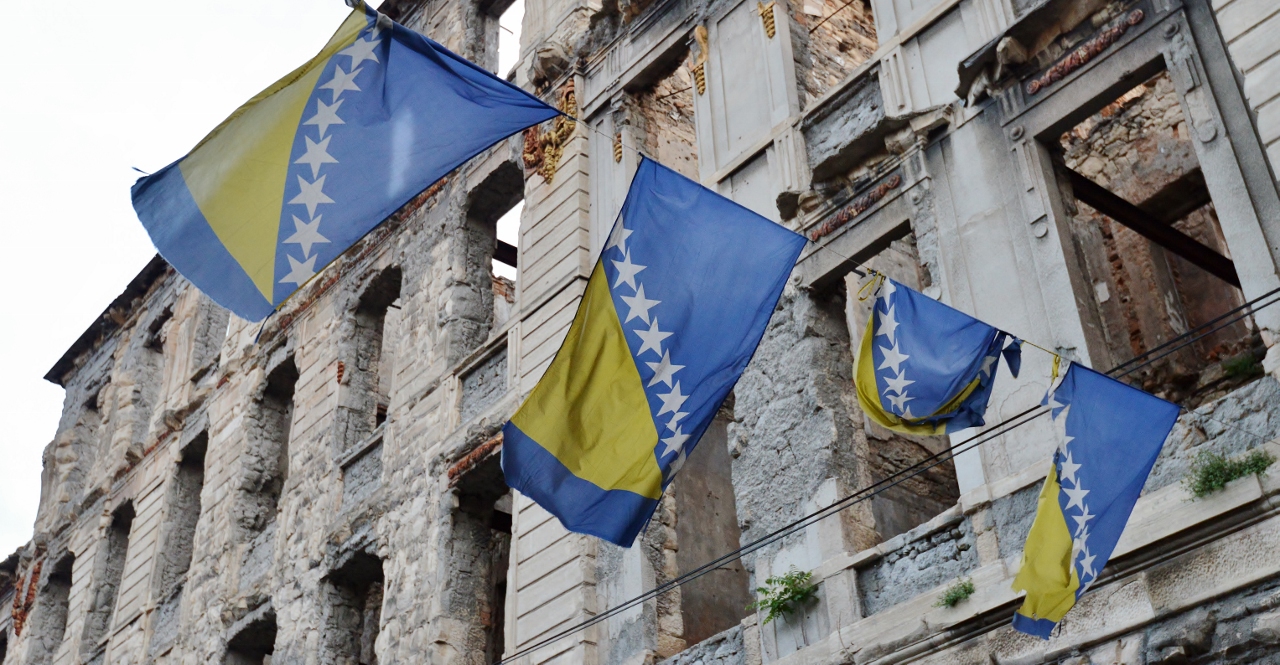
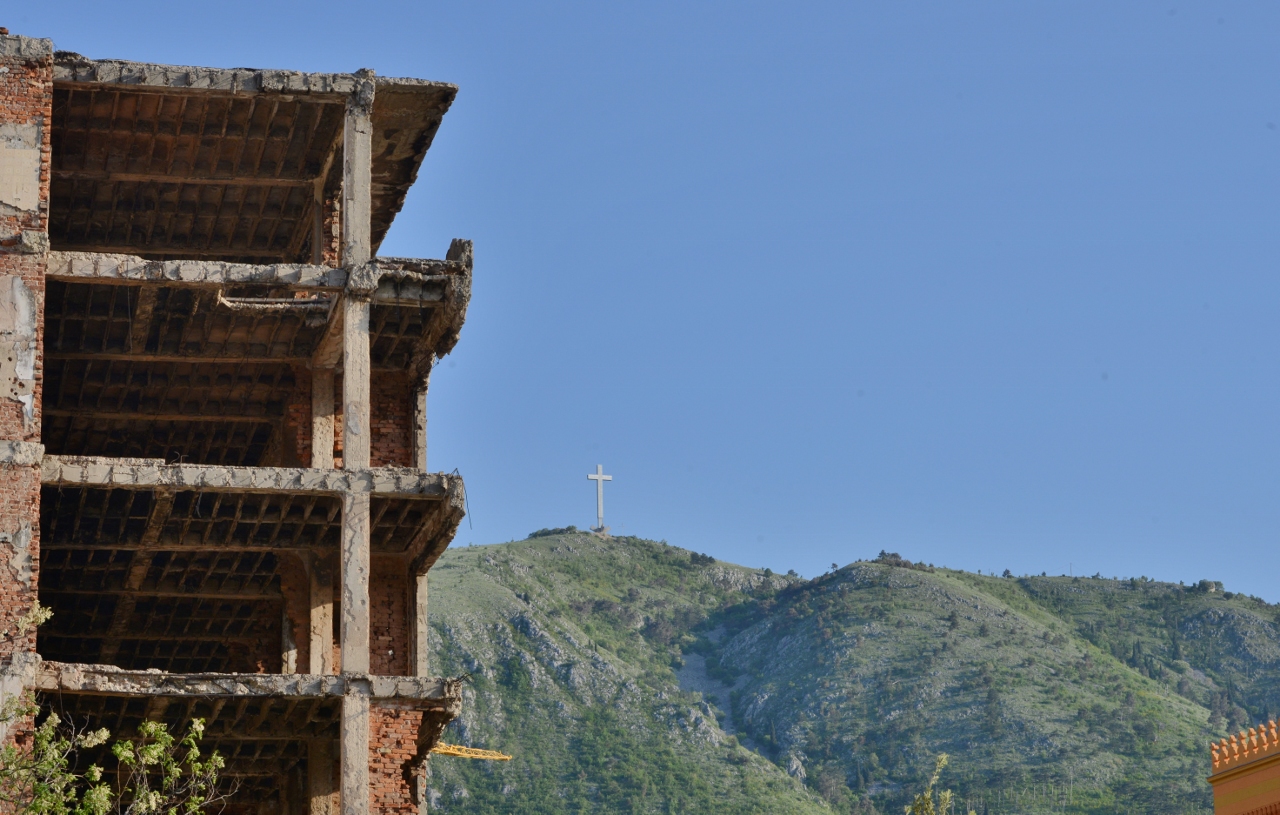
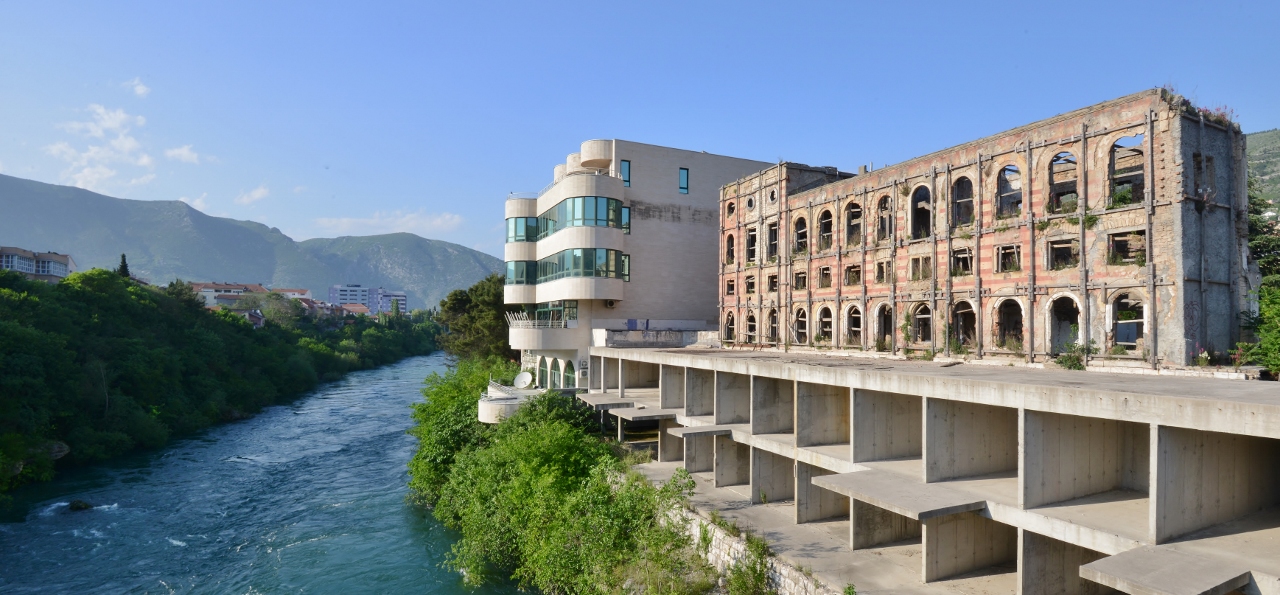
Now comes the harder parts to explain. After the fall of Yugoslavia in the early 90s there was a multiyear war and a lot of people died. The war was fought largely on religious and ethnic lines between the three major groups (Croat [Catholic], Bosniak [Muslim], Serb [Orthodox]) so multicultural cities, like Sarajevo and Mostar, were absolutely ravaged by the war. Neighbor turned against neighbor just because they prayed to a different god and/or had different lineage. The war seemed to make everyone go insane; on one extreme is the ethnic cleansing which occurred all over the country and another extreme is how one of the leading literary minds in the country before the war ordered the razing of the Sarajevo library destroying many very old and irreplaceable works of art. These were people living in peace under Tito and they all went insane, murderous, rampages once the oppressive and controlling government was gone. While the war is over, the scars of war are everywhere. From bombed out buildings all over Mostar to Sarajevo roses, the marks of war are impossible to miss. We thought we saw a lot of destruction and dilapidation when we were in Vietnam but we were unprepared for how much damage remains in Bosnia after nearly 20 years.

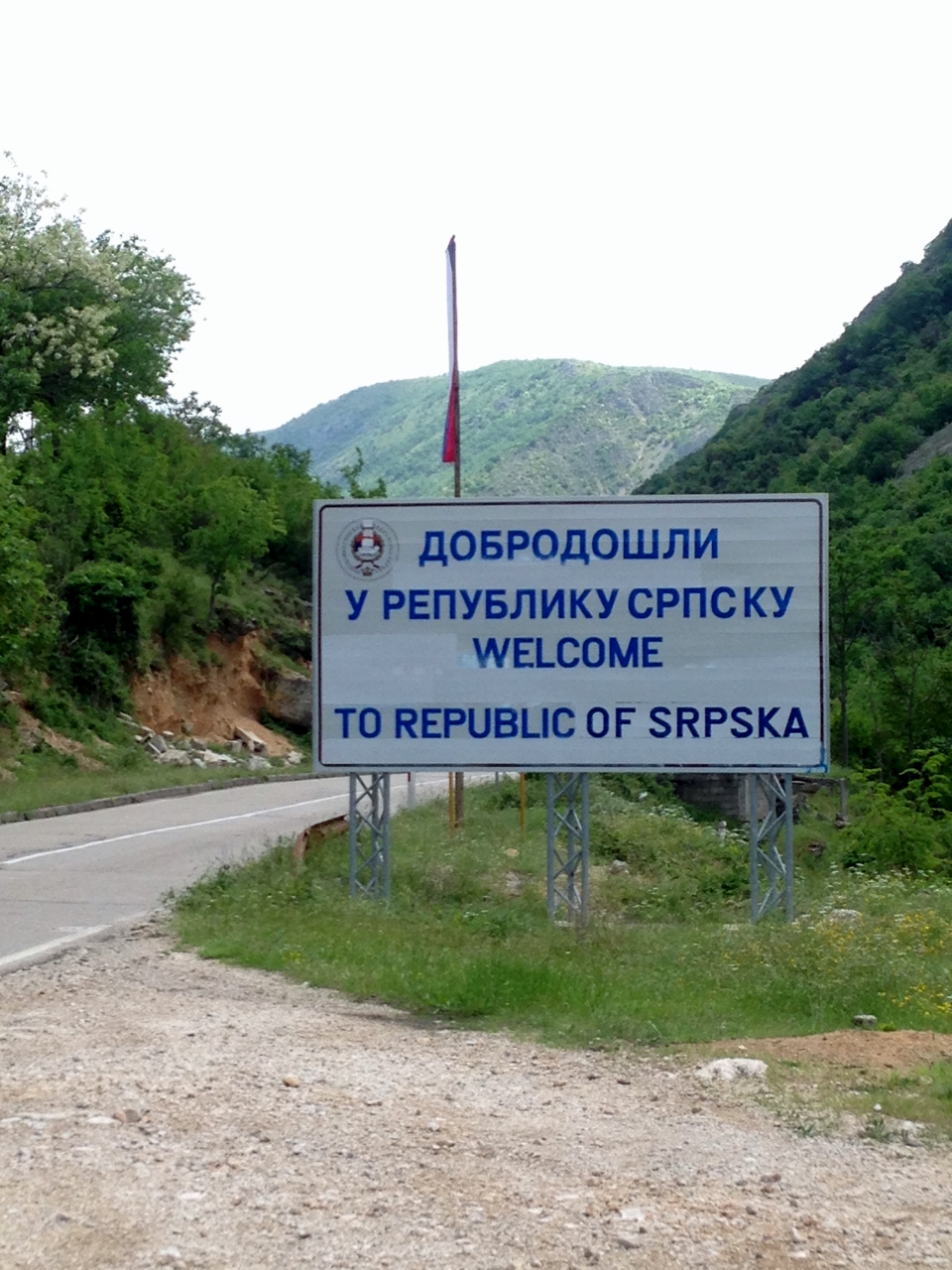
The outcome of the war brought a very weird government setup to appease the three different groups. Bosnia has: three prime ministers, three parliaments, three fairly autonomous regions, and separations like this all the way down to telecom providers and utilities. The US helped broker the peace and the creation of the unique government so the people living in Bosnia can give partial thanks to the US for their Frankenstein of a government. I asked a question to multiple people, “how do separate governments based on ethnic/religions lines promote unity between the three groups?” and no one really seemed to know but everyone was happy there wasn’t war. When discussing the government people would generally say things like, “it’s complicated”, “there is a lot of government”, and “it is not easy to get things done”, simply because they have different governments for different groups living in the same region.

The hardest thing to explain, which leaves it’s imprint everywhere in the country, is just how different the groups are and how that makes Bosnia uniquely different than anywhere else we’ve visited. We have been to many countries with different ethnic groups and the US is very diverse. Bosnia is different. Very different. Yes, technically, it’s one country but it’s still very separate in a lot of ways. The example that maybe easily describes the WTFness of Bosnia is how the country goes about supporting their country’s soccer team. There is a Bosnian soccer team and much like anywhere else a lot of the citizens cheer for their national team, and, much like anywhere else, soccer riots can happen due to the zealousness of the supporters. What’s really unique about Bosnia is how a soccer riot can start during a Brazilian / Croatian soccer match in the little city of Mostar. What do the Brazilians have to do with the soccer riots? Not much, to my knowledge there are few to no Brazilians in Mostar, the game wasn’t held in Mostar so Brazilians weren’t the ones starting the riots. The riot happened between two of three major ethnic/religious groups where one group was cheering zealously for the Brazilians to beat the Croation team and the other group was supporting zealously supporting their ancestral home team so naturally (I guess?) a soccer riot breaks out.

American culture like music, movies, brands and such are pervasive all over the world and Bosnia is no different. It’s always been neat to drive around in another country and hear a similar top 10 to the United States. We can be far away and still have a flavor of home. The odd exception to this is when we were driving around Bosnia, in the midst of war ruins, listening to the Beach Boys sing about good times and Kokomo. It was hard to wrap my head around it and it was a big WTF moment for me.

We drove through two of the three semi-autonomous regions of the country and it was super easy to discern the differences. Remember: I grew up in South Dakota. We thought Minnesotans, North Dakotans, Wyomingians, and Nebraskans were all very different. If the differences I felt in South Dakota were on a color spectrum it’d be comparing light blue to slightly lighter blue and trying to exaggerate the differences. The differences we felt in Bosnia between the regions were like comparing blue to red, very different, no exaggeration needed. It was like we went to different countries far apart but really we drove a half hour. It was pretty cool experience and something we haven’t really experienced anywhere else.

So that’s Bosnia based on our experiences. It was a truly remarkable place. We had such a good time, we’d love to go back and explore more of the country.

Enjoy the photos!

Chris W.

Montenegro 2015

Montenegro was spectacular! We only had a few days in the country so we didn’t see much. The parts we did see were amazing! The scenery is unlike anything we’ve seen before and we thoroughly enjoyed our time.
Montenegro is a new-ish nation after gaining full independence in 2006 from Serbia. Prior to about a month ago, if someone asked me to locate Montenegro on the map I’m pretty sure I would have looked very hard at Africa. While we were planning our trip through the Balkans I happened to see a recommendation for a day trip into Montenegro from Croatia because “it is close and worth it”. After reading this advice and learning where Montenegro was located, we decided to stop for a few days in Kotor, Montenegro.

Once we left Croatia it was clear we were in an area where road rules were more suggestions than anything else. We saw stoplights but we didn’t see any in use so crossing someone’s right of way in an intersection was sometimes a rather hairy experience. Besides driving, the feel is very similar to everything else we had experienced on the Dalmatian Coast and the food was similar too. The city was built in Roman times and then it was a very important Venetian city for trade. The Venetian Republic’s emblem, the lion with wings, can be found in multiple places around the city and in the city walls. The old town itself is tiny and pretty much has no straight streets. The old town had a super-chill feeling to it and there weren’t mobs of tourists like what we saw in Dubrovnik. On our last day, four cruise ships showed up and the town still didn’t feel like it was too crowded.

There are some large walls protecting the city and they go up the mountainside behind the city. I hiked up to the top and enjoyed a great view. In Kotor, the city walls are not refurbished so there’s quite a few areas with loose rocks, big steps, or steep drop-offs. There are multiple paths to the top and there’s really only one good path with the rest being labeled “high risk” in the pamphlet they give all tourists. It doesn’t matter though, tourists can go anywhere they choose and make any adventure they deem appropriate, high risk or low risk. This is pretty common in a lot of places we’ve visited and is pretty different than the US where many things are closed off due to safety concerns. I imagine if tourists die they simply think “no matter, there will be more”.

While hiking the walls in Kotor, I managed to meet a fellow American around my age and quickly learned he had lived in South Dakota and Albert Lea. Being in Montenegro and being someone who has lived in Minnesota and South Dakota, I’m pretty this made us family.

Our time in Kotor was too short! It was a stunningly beautiful place and a place we really enjoyed. Our time there was nearly perfect and I’m not sure how it could have been any better!

Enjoy the photos!

Chris W.