Category Archives: Picture Post

Cape Town 2015

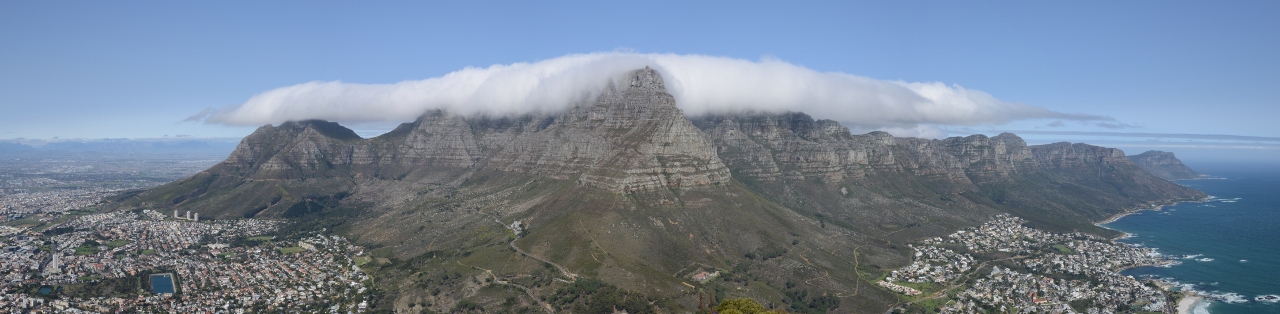
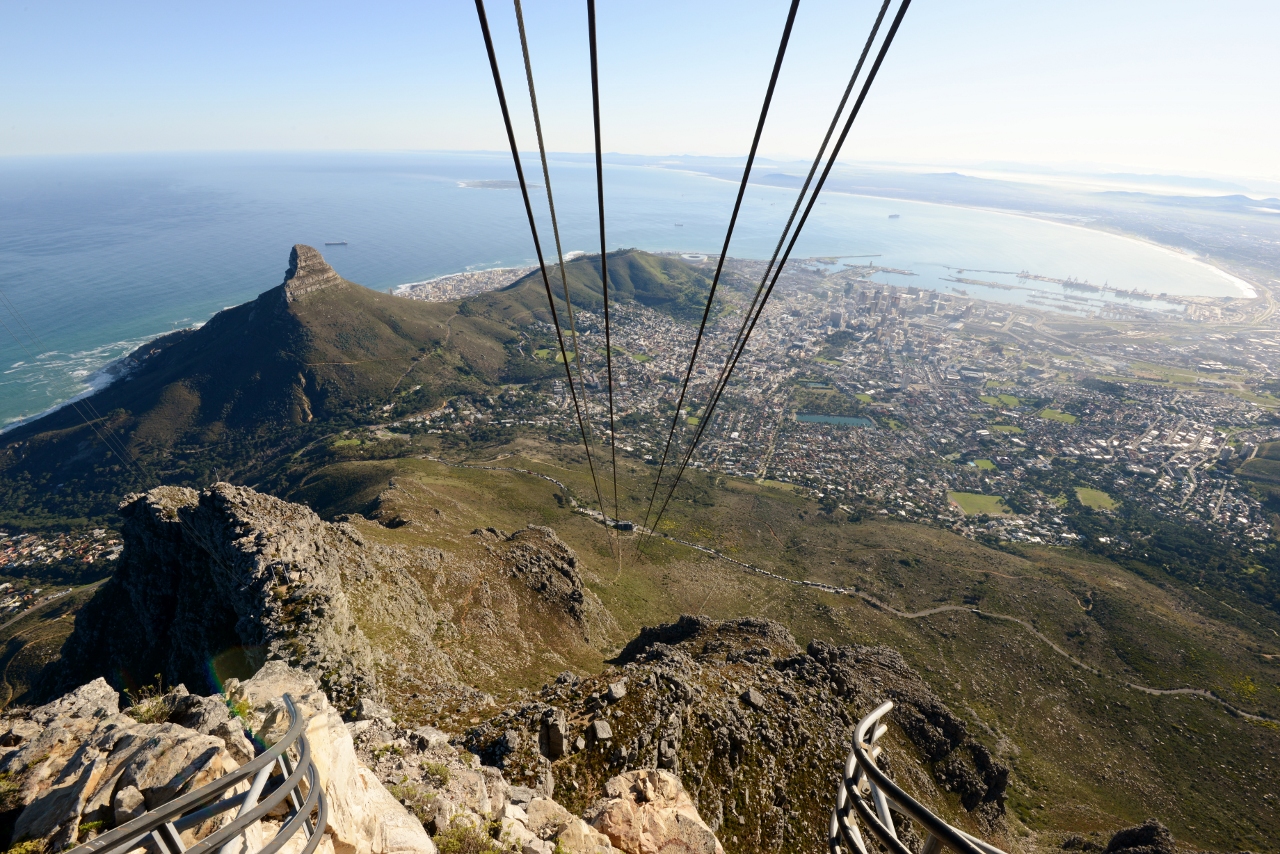
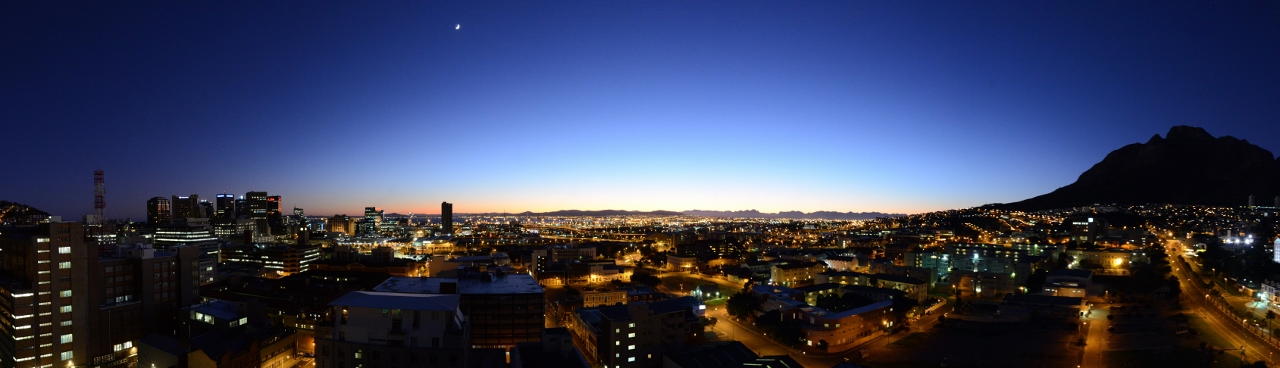
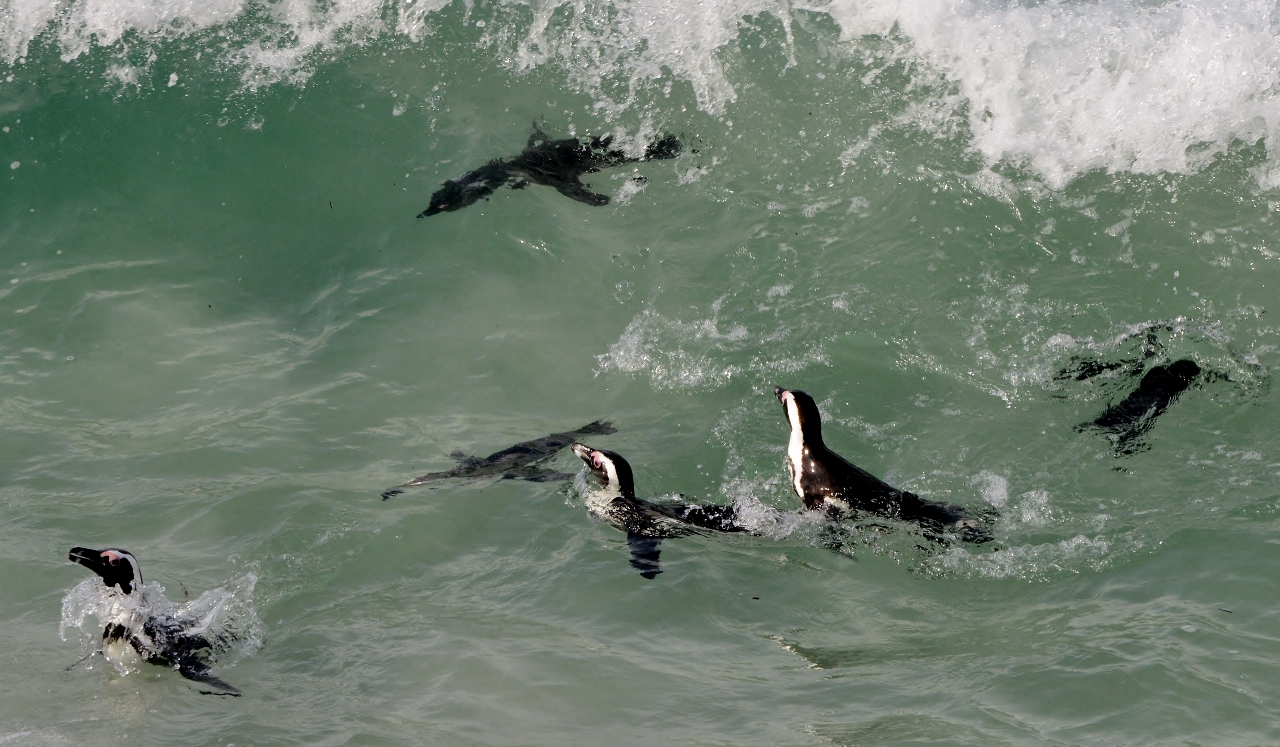
Sadly, we had to leave Cape Town. We spent a little under two weeks exploring Cape Town and the Western Cape and were floored with our experiences. We were surprised to find Cape Town is the number one visited place in Africa, not the pyramids in Egypt. Since it is currently winter in South Africa, we didn’t have too many crowds to deal with and found everything relaxed and laid back. Not many Americans make it to South Africa which is really too bad. The country has a fully developed infrastructure, some great national parks, delicious food, friendly people, very interesting history, and very good values.

We love visiting national parks in the US but we have found most countries’ national parks are nothing like the US’s – they would be very commercialized, no rangers, no real management, lots of people would live in the park, and so on. South Africa is definitely the exception, their national parks are very similar to the US’s. The parks are well structured, well signed, easy to visit, and very good values. There are parks all over the country and we visited three just in the Cape Town area alone. They are truly gems and they alone make South Africa worth visiting for nature lovers.

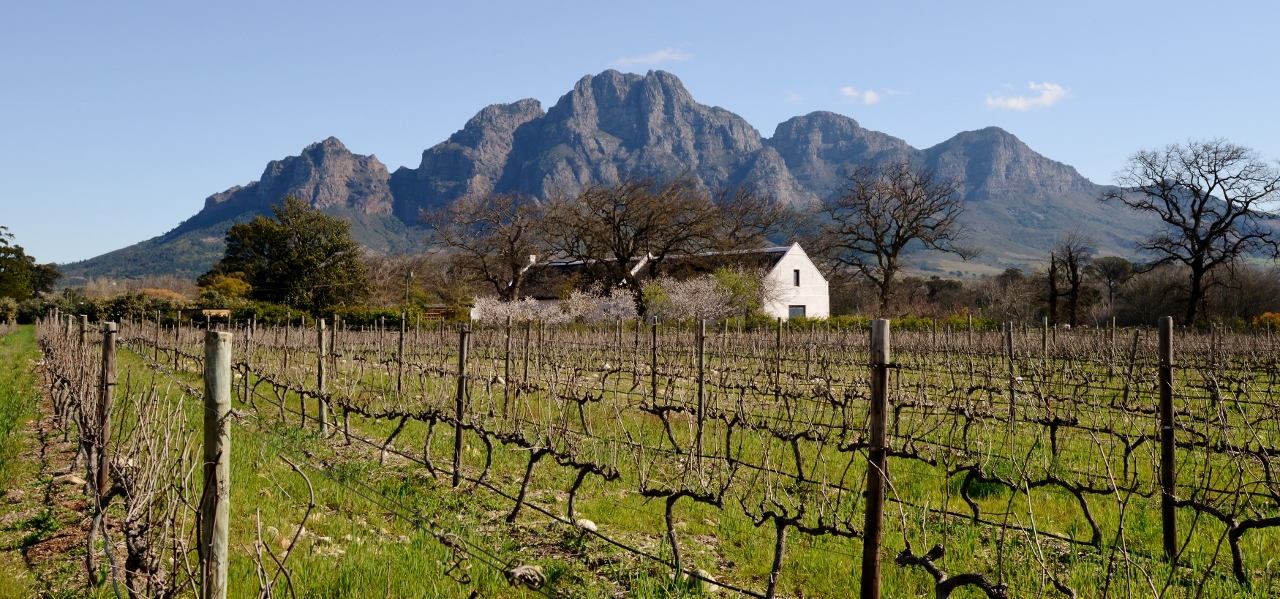
Jacquelyn and I are not wine drinkers and really do not know much about wine other than we like the white colored kind and the red colored kind is a bit more abrasive and unenjoyable. Since the Cape Town area is a famous wine region we decided to tour around a bit and check out the different manors and try some wine; it was fantastically delicious! There’s a really neat feature with some of the wineries: they offer picnics! All a person has to do is make a reservation the day before, show up at the appointed time, and enjoy picnic food and good wine around some very beautiful scenery. We had a lot of fun so I can only imagine how awesome it would be for wine aficionados. Unsurprisingly, there are many wine choices in the super market and most are pretty inexpensive, like $1.5-$3, so it was fun to handful of different kinds.

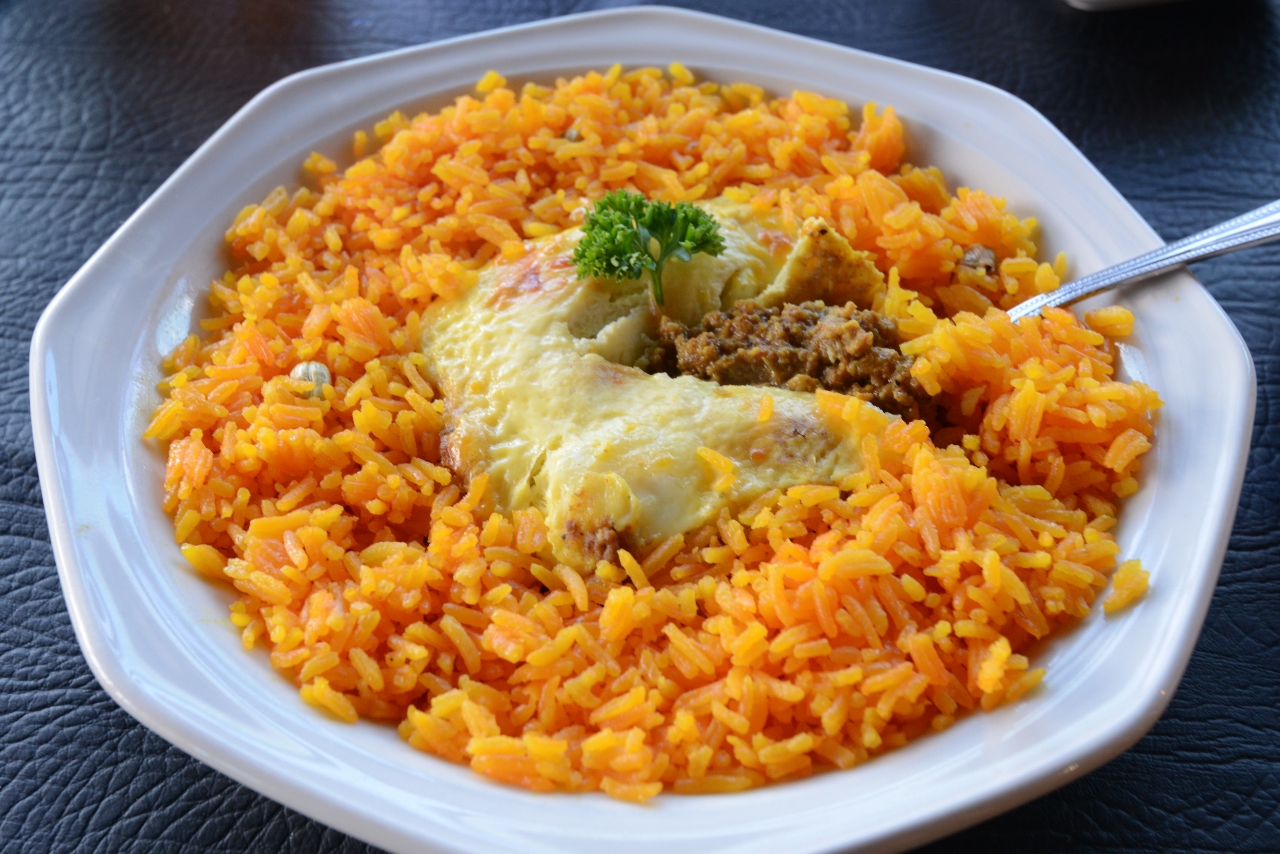
The food was very good. The Dutch and British ruled Cape Town and brought different groups, like Malaysians and Indians, to South Africa for labor which resulted in the melding of food to create some very distinct flavors we’ve never had before! The Malay food style is called Cape Malay; it takes the Malaysian cooking style and blends in Indian spices for European style dishes. There’s a dish called bobotie which can only be described as a meatloaf like dish with very mild curry flavors served with rice. It’s amazing.

Apartheid ended about 25 years ago yet it’s clear Apartheid made a lasting mark on South Africa. We had a handful of conversations with white and black people who lived through Apartheid and I still can’t think of a good way to summarize what we learned as it’s a blend of happy, sad, tragic, heroic, and villainous stories. Things have improved for a lot of people since the end of apartheid but there are still many problems. For people who like history and learning about different cultures, South Africa and Cape Town is a great place to visit to learn about an awful period of time from the very people who lived it.

There weren’t really any downsides visiting South Africa. Infrastructure was great, things were really easy/straightforward to do, and we didn’t encounter many surprises. The only slight inconveniences were the precautions we took for our safety. We received a lot of tips on how to keep ourselves and our personal belongings safe. In general, it seemed like everyone had different strategies for coping with the crime like hiding money in multiple pockets or carrying a large rock in case muggers come out on a hiking trail. Fortunately, we didn’t encounter any muggers and we were never in a situation where we were concerned for our safety. We found Cape Town and the surround area to be very safe. Even with the security / safety situation, I would still recommend anyone visit as common sense goes a long way.

Overall, we thoroughly enjoyed our time in South Africa and Cape Town. It was very memorable stay and we can’t wait to return!

Enjoy the photos!

Chris W.

Transylvania Part Two 2015

The people of Romania and their food are awesome. The tourist places and the scenery are beautiful enough but the combination of the food and the insanely friendly people helped make Romania one of, if not the best, places we’ve traveled. It’s like Romania is one of the best kept secrets for travelers. The combination of what exists in Romania, the people, the food, the scenery, the chill attitude, the ease of access, the tourist places, and the great value, doesn’t really exist anywhere else in the world!

In our travels we are commonly greeted with indifference as we are just another tourist. Very rarely are people genuinely interested in us, what we are doing, where we are going in their country, or spend the time to tell us about themselves and their country. We don’t really mind, people have their lives and they are busy, no big deal. Sometimes, like in Australia and Japan, we find a ton of awesome people willing to talk to us and share their lives and culture with us. This makes a destination go from good to amazing and makes our time in the country unforgettable. We’ve had a lot of great experiences with a lot of people but there’s a few that stand out for different reasons.

I had mentioned we spent a lot of time trespassing because tourist places would be closed when they were supposed to be open or we simply found a place where we wanted to visit and couldn’t find anyone to let us in. If we were caught no one would care and sometimes we’d just get asked to leave. If we found out there was an admission fee we’d offer to pay. We’re not total criminals after all :). In one instance we set off a burglar alarm. In the US that’s sign to make a quick getaway but people are so chill in Romania we figured we’d wait to find out who would show up to turn off the alarm and see what happens. After about five minutes of the alarm ringing a five foot flat, 80 year old, woman, who walked with a limp responded to the alarm. We quickly figured out she didn’t speak English so I used the translate app to tell her we were sorry for setting off the alarm and we are tourists from America. She then grabbed our arms and brought us to her home next door, picked up the phone, and called someone. After handing the phone to Jacquelyn, we figured out she had called her granddaughter who spoke impeccable English. The granddaughter said her grandmother asked her to take us on a tour and that she’d be there in a few minutes. The granddaughter spent about two hours with us touring around and then brought us  back to her grandmother who had cooked us supper during the tour! When everything was said and done we had taken around four hours of these people’s lives and we offered to give them money for the food and the tour. In typical Romanian fashion, it was a simple “no” with the explanation that they love their home area and they were so happy we were able to tour and share in their culture. I’ve trespassed a lot of places and I’ve been banned from a lot of places for trespassing, like my hometown mall, this is the best outcome I’ve ever had while trespassing!

Romanian people love to talk. People off the street would ask us how we like Romania, where we are from, how things are going, whether or not we like Romania and so on. There was never a shortage of people who wanted to talk to us. We had a very long train ride across Romania and we ended up in a cabin with six other people. The people were curious who we were but no one spoke English. They all looked at us and said, “Duetsch?”, “English?”, and saidsome other countries. I replied, “USA, America”. They all went, “ohhhh!!!”. Not many Americans make it to Romania for tourism, only around 200k/yr, and the part of Romania we were going to had very few tourist in general so an American going to that area was pretty uncommon. The train ride was really hot so I went out of our cabin and stood next to an open window in the hallway for the last five hours of the ride. The different folks in the cabin would come up to me and just stand with me, say a few words of Romanian here and there, offer me drinks and snacks, and then go back to the cabin. We were going through the Carpathian mountains so it was insanely beautiful – it seemed they all knew the word ‘beautiful’ so I probably said that word no less than 100 times to the different people who kept me company. One person tried to organize a taxi to our hotel for us, one person offered me whiskey shots, one person helped us carry all of our baggage off the train at our destination, and another person walked us down the street until we saw our hotel just to make sure we ended up safely to our destination. It was such an unexpected and awesome experience!

There are some problems in Romania: Romania has some tough demographic trends. To start, Romania’s average income is in the $500-$600/mo range in the bigger cities and in the villages/rural areas it’s much lower. This means a lot of people live well below the US minimum wage; a lot of people are very poor. Many people leave Romania for greener pastures, one person told us Romania’s greatest export is their youth which made sense why there were not a lot of youth around. When driving through rural towns we’d see people in their 50s+ and school age children but nothing in between. Once we’d go to bigger cities with universities we’d find more people around our age. Romania’s population is shrinking: they lost 12% of their population through emigration in the last 10 years, of the 19million people left only five million work so a rather small minority of people are supporting the retirees, the individuals unable to work, and themselves. Almost all the people we met around our age wanted to leave Romania and since Romania is part of the EU they can easily move to a more prosperous place.

On top of the unfavorable demographic trends, everyone we met seemed to despise their government. One particular Airbnb host stands out: she was in her 50s and lived through communism. After communism she became a successful entrepreneur employing multiple people and winning business awards. Her house was very big and she alluded to having many vehicles in the past and doing very well financially with her business. Through a series of events that I do not entirely understand due the language barrier, the government ended up shutting down her business and confiscated her assets like her cars. She was also accused of bribery/kickbacks and was investigated but was cleared of any wrongdoing. This happened over three years ago and when she told the story tears still came to her eyes. She said, “I lived eight years as a worker in communism and 25 years in capitalism. We are going the wrong direction.” She’s actively looking to leave Romania for good. Her story was crazy to hear and something unimaginable for us.

We met quite a few people starting their new careers in tourism. We heard time and time again how people have a hard time getting paid from their work or it takes forever to get paid so people are turning to tourism, like owning and running a hotel or becoming tour guides, because tourists pay when they arrive or when they leave – no lag. We met an engineer who became a tourist guide in Alba Iulia for the huge citadel in the city. In any Western European country Alba Iulia Citadel would be listed as a “must do” destination and be a jewel of tourism but in Romania it’s kind of sort of visited by some people because a lot of people, like us, have a hard time finding places to visit. We didn’t know about Alba Iulia prior to a few days before our visit but once we did learn about it we wanted to visit and we wanted to hire a guide for a more enriching experience. There weren’t many guide options and the only one listed on TripAdvisor never responded to phone calls or emails. We still decided to visit, pulled up to the citadel and saw a sign for guide service. We called the number, stated we wanted a tour starting immediately and he said he was available. It’s not like he ran a company with many guides, he was the company! We ended up having a great tour and learned a lot about Romania, it was awesome! The lack of tourism has really benefited us in lots of way in Romania, places aren’t busy, guides are available, and things aren’t that expensive yet. That said, hopefully many more people come to Romania for tourism and hopefully people’s lives will improve as tourists spend money.

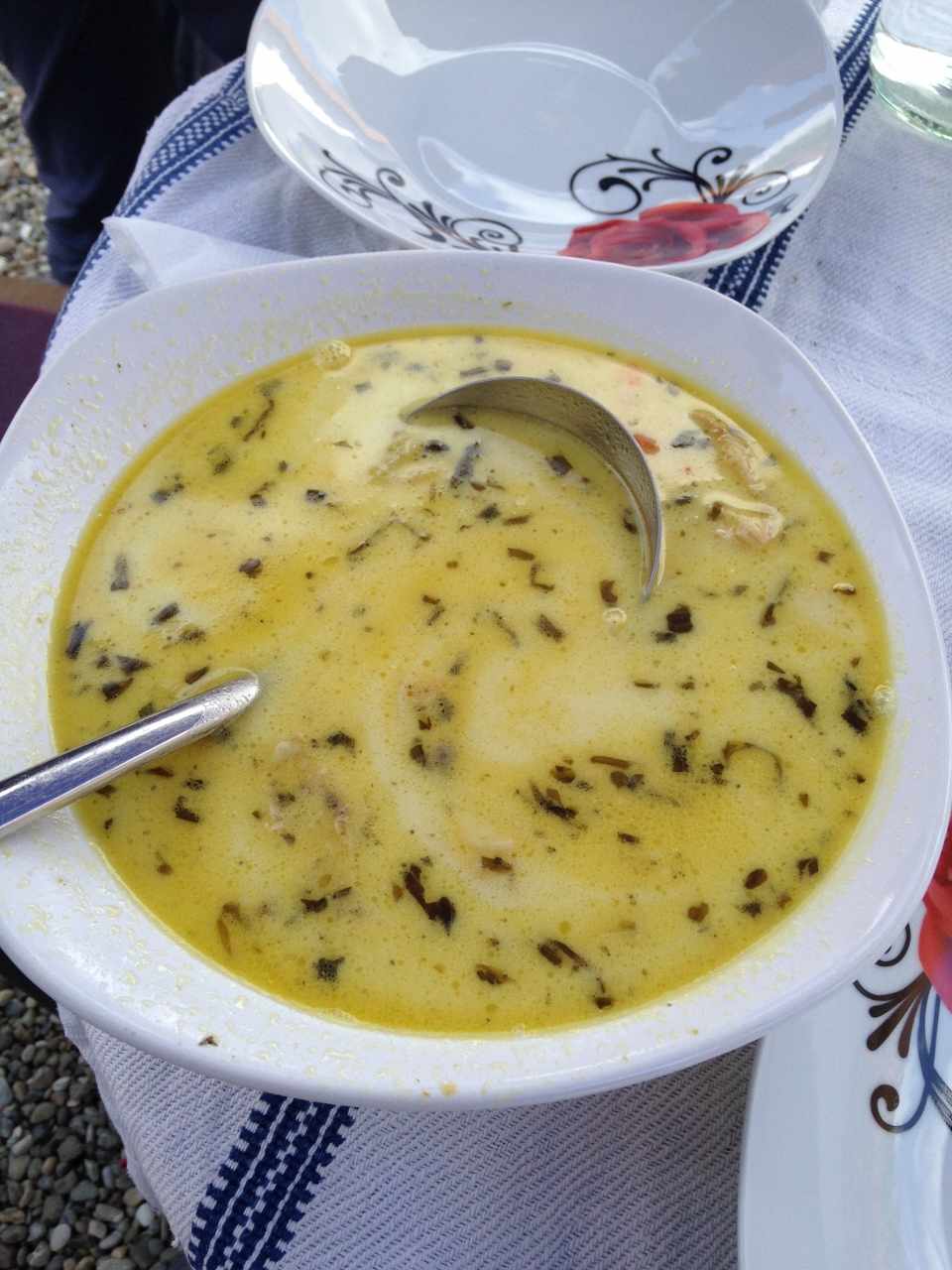
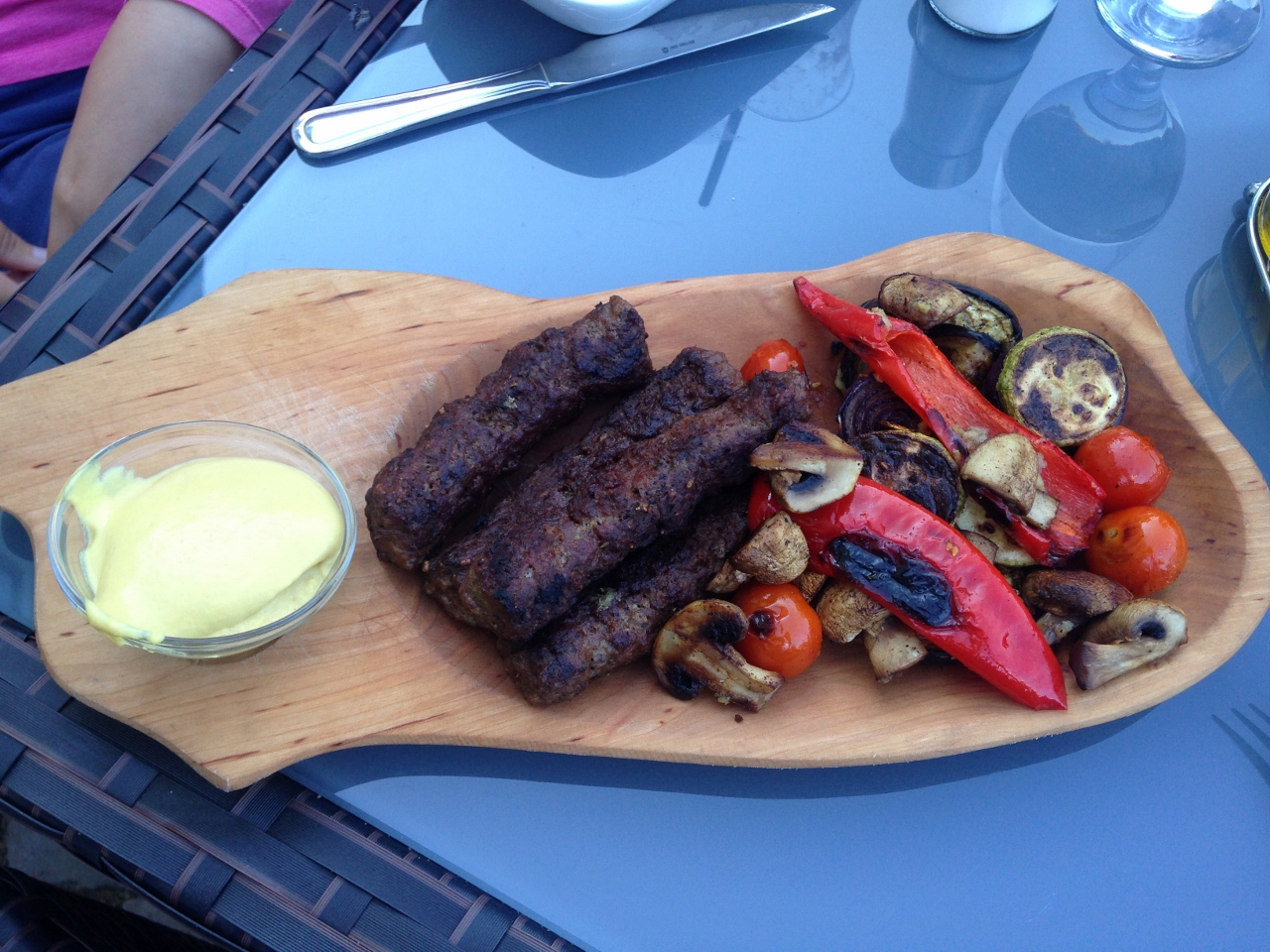
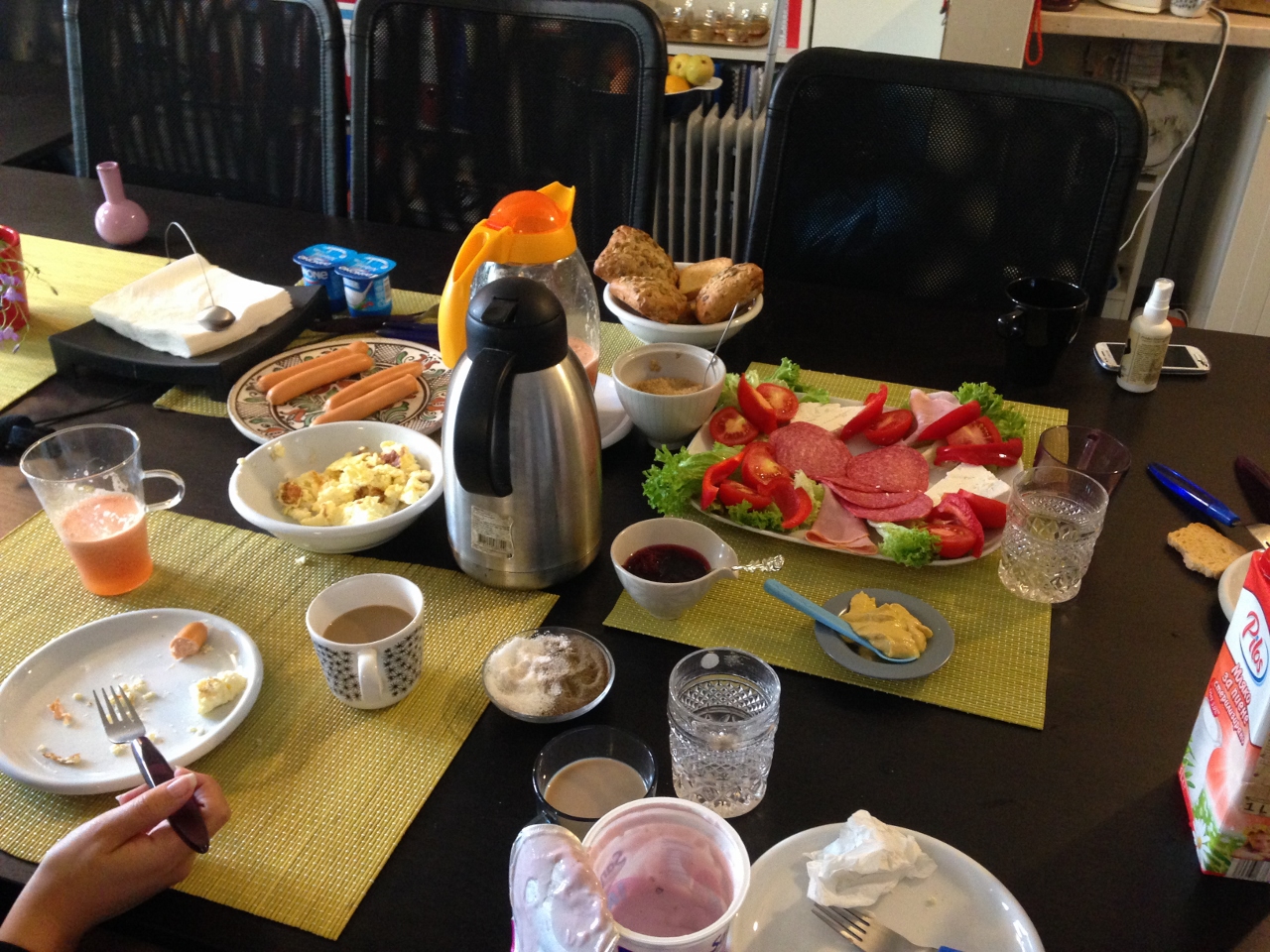
The food in Romania is delicious. Pretty much everyone has a vegetable garden and makes their own alcohols and sweets. The food is a lot like what had back in the US: lots of meat, soups, breads, and spices we are familiar with. But the combination of fresh ingredients, cooking from scratch, subtle yet dynamic flavors, and great care help make Romanian food stand out. Romanians are really good at making sweets like pies and cakes.  There is one dessert, called papanasi, that really stands out. It’s a super soft cheese baked into a donut looking thing served with a sweet cream and berries. Everyone has their own version of the recipe but in all cases it is absolutely delicious!

We stayed at a very small hotel in the middle of nowhere for a couple of days where the hosts lived in the same building. In the morning our host asked us what we wanted for dinner. I had no idea so I just stared at him. After an awkward pause and my blank expression, he asked if we wanted a traditional Romanian dinner and grew a huge smile after I said “sure”.  His wife was the cook and the food turned out absolutely delicious! It was here we learned the typical Romanian meal is a soup, bread, a main dish, and a dessert. People make food and drinks from all sorts of things growing off the land. When we stayed in the mountains we had a host who made jams and alcohols from the mountain berries he picked every year. We also found people who would pick elderflowers growing in the mountains and make a slightly fermented drink like  7Up but way better. It seems as though people could take almost anything and make great food!

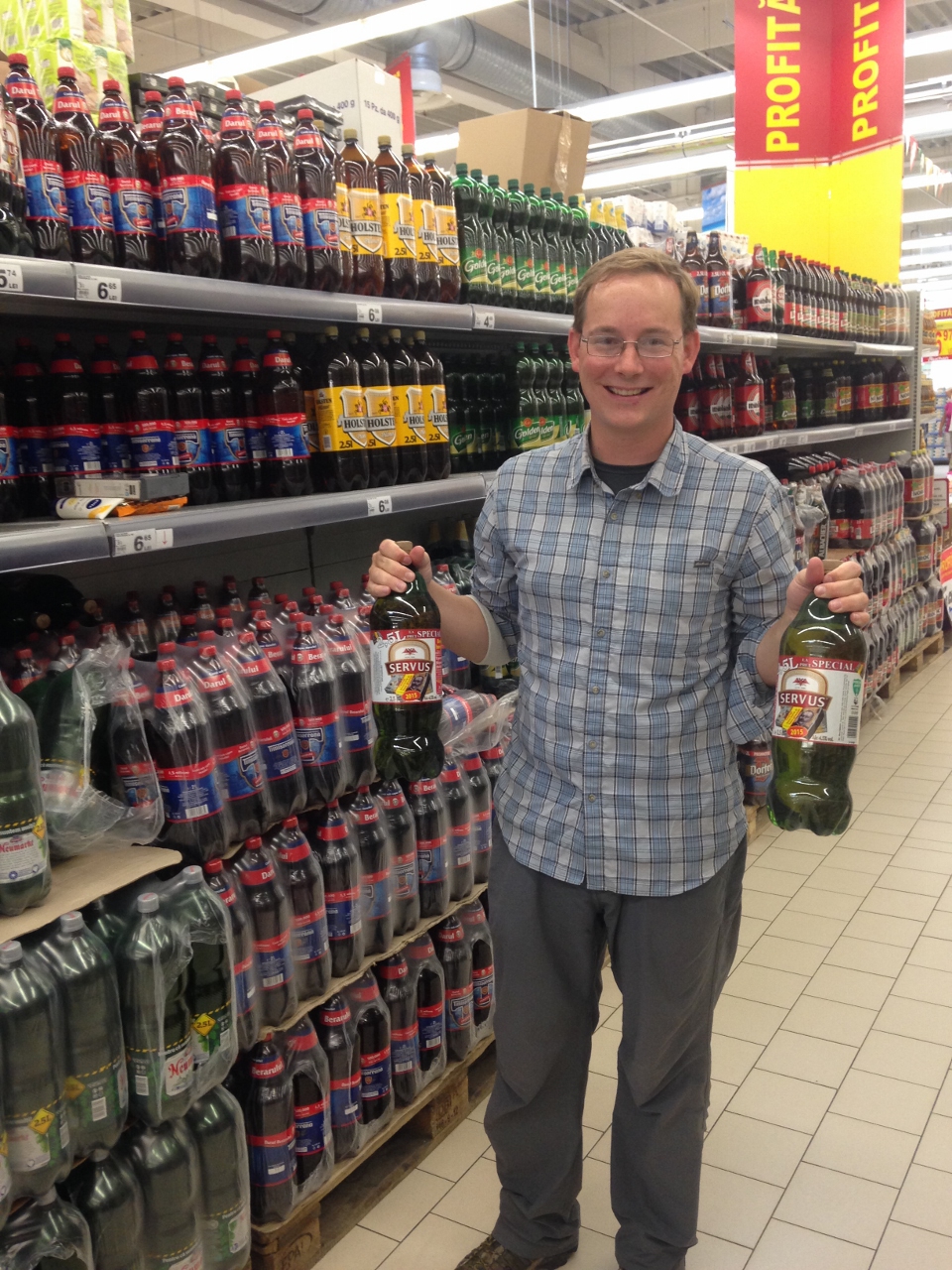
Alcohol is a very good value in Romania. Romania makes some amazing wine and pretty good beer. We saw lots of fruit trees and vineyards while driving around but the most surprising thing we saw were HUGE hops farms in the countryside. I think that is what helps keep prices low for alcohol. We don’t drink a lot of wine so we don’t really know good wine but the good news was wine was cheap enough to buy a handful of different types, try them, and then dump them out if we didn’t like the wine. I’m really not sure how anyone makes money on a $2 bottle of wine but that’s not my problem to solve :). Beer was equally cheap. We could buy 2/3rds gallon bottles of beer for about a buck fifty. That’s Franzia cheap

I can’t really think of any bad experiences we’ve had in Romania. I think the worst thing that happened was the occasional rain but that’s not Romania’s fault. We really forward to the day we get to come back. We’re not done yet, we still have a couple more stops in the country and we’re not excited to leave. Romania is too awesome :).

Enjoy the photos!

Chris W.

Bosnia and Herzegovina 2015

I’ve had a hard time writing about Bosnia and Herzegovina. It is a place unlike anywhere we’ve visited and it is a place nearly impossible to describe, much like Japan, but for very different reasons. So what I wrote is really long because I couldn’t figure out how to make it shorter; our time in Bosnia left quite the impression on us. If you don’t want to read everything here are the cliff notes: it was fun, we would go back, and Bosnia is a uniquely weird place.

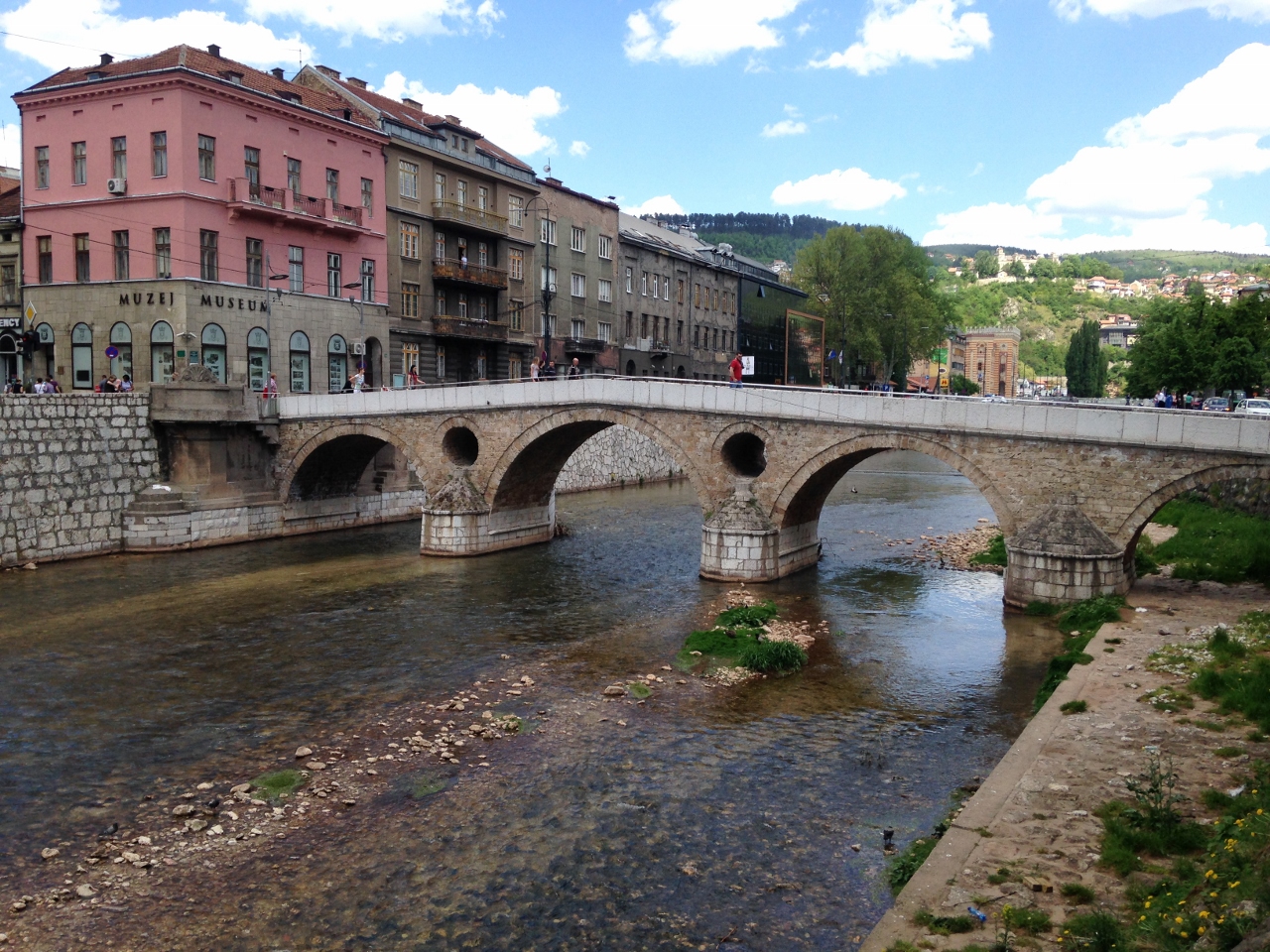
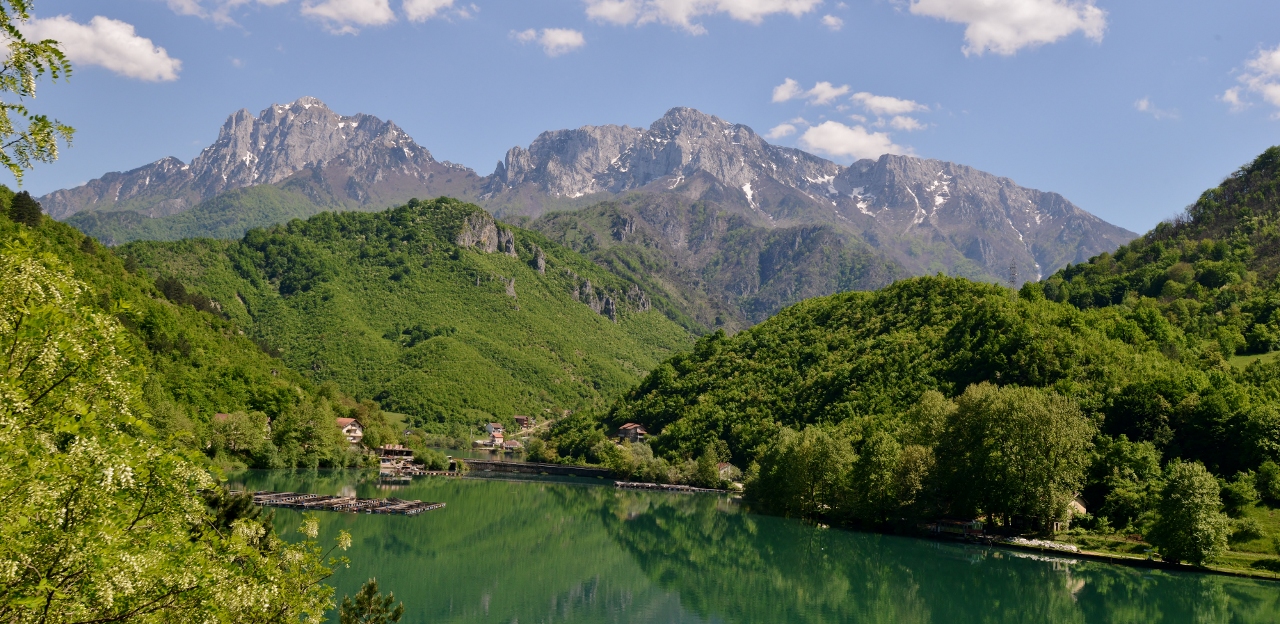
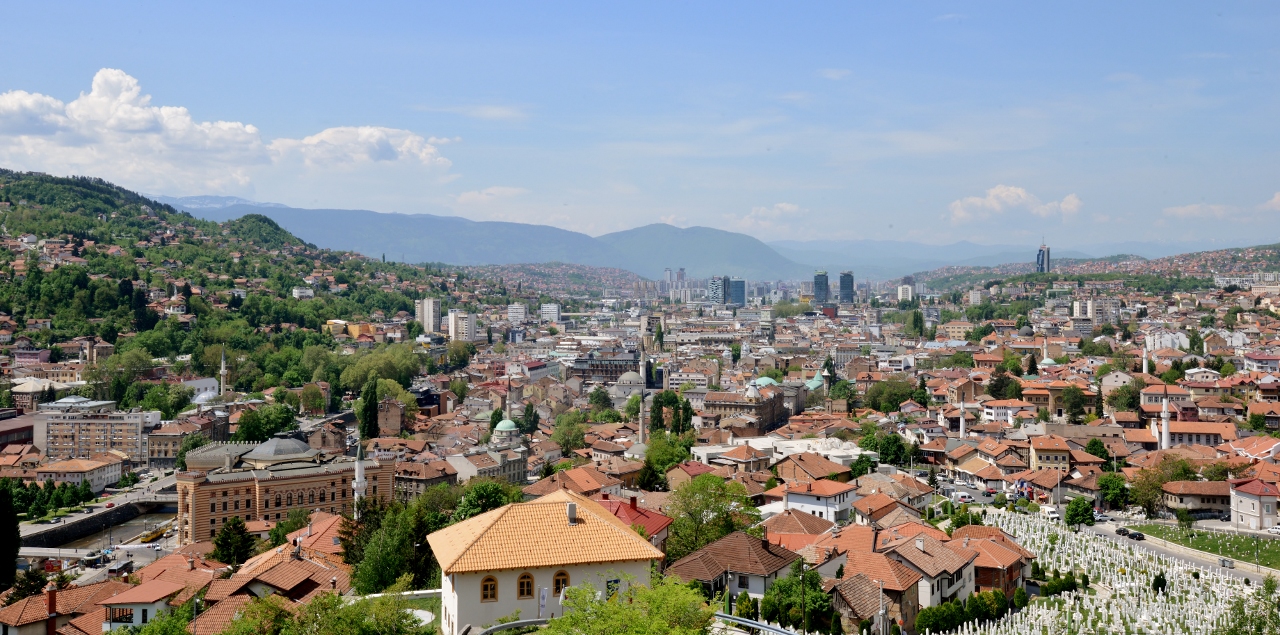
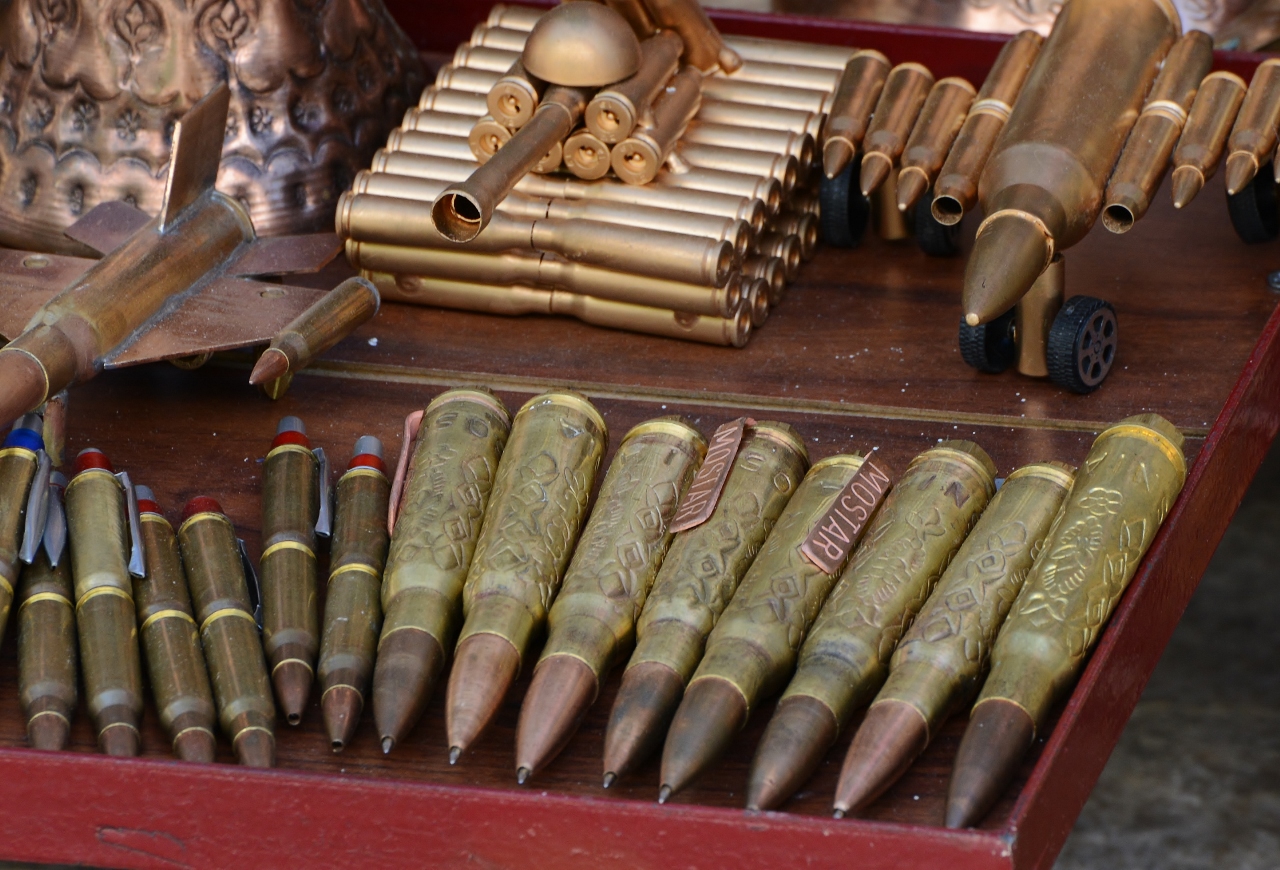
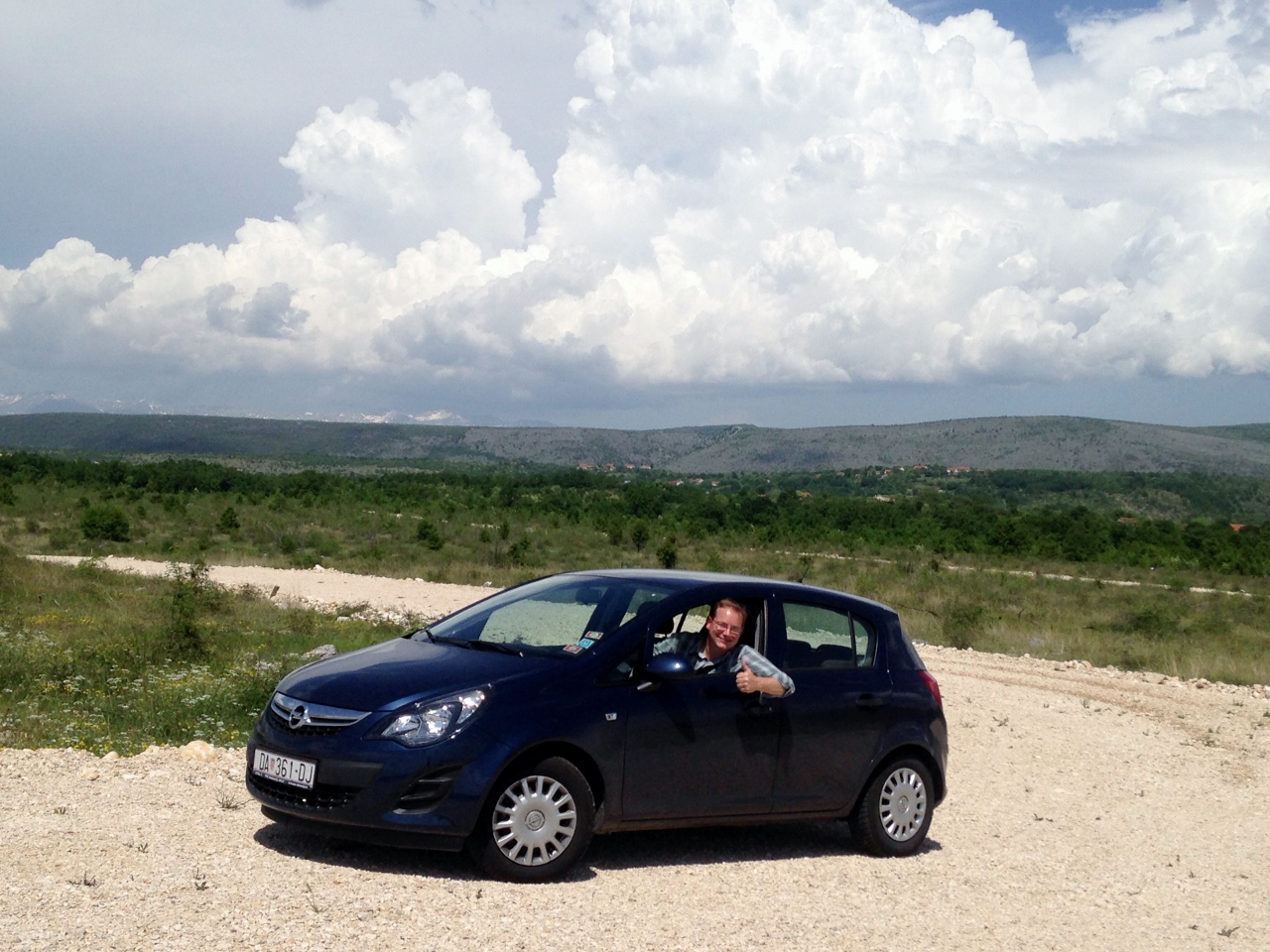
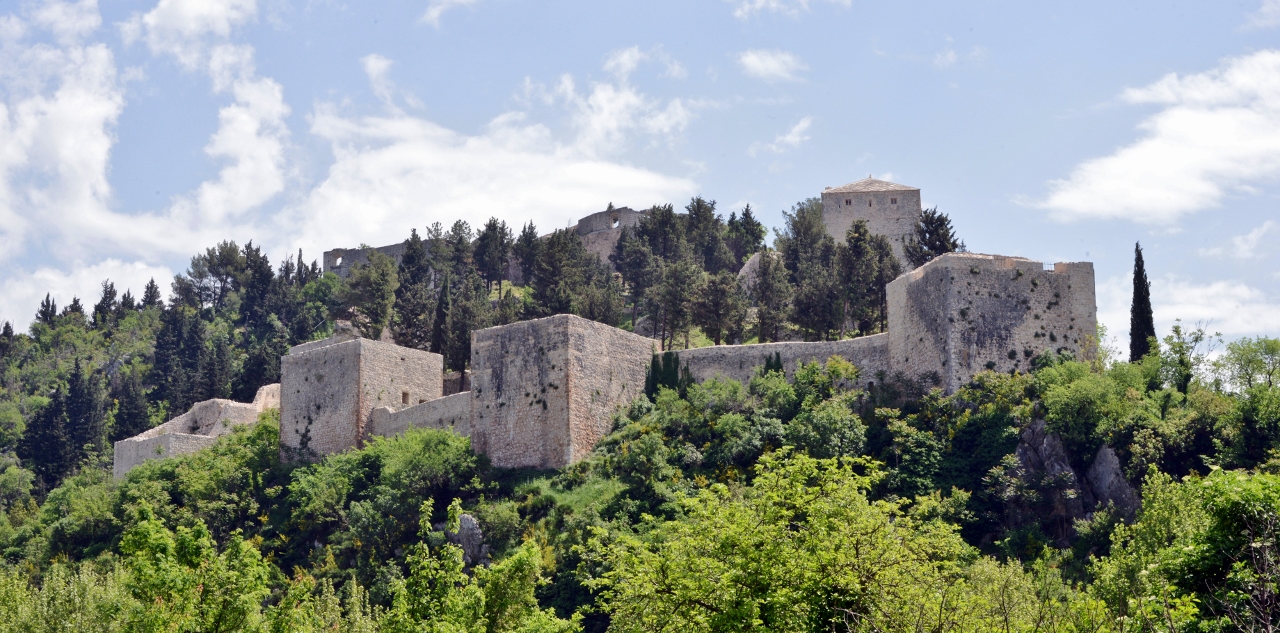
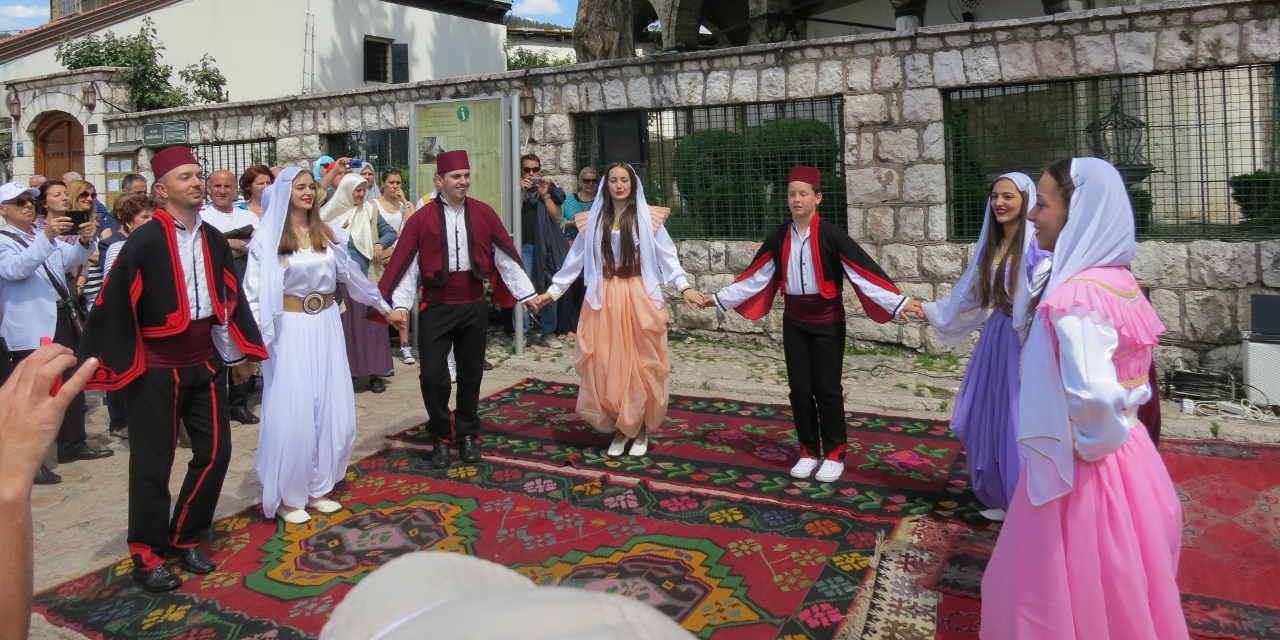
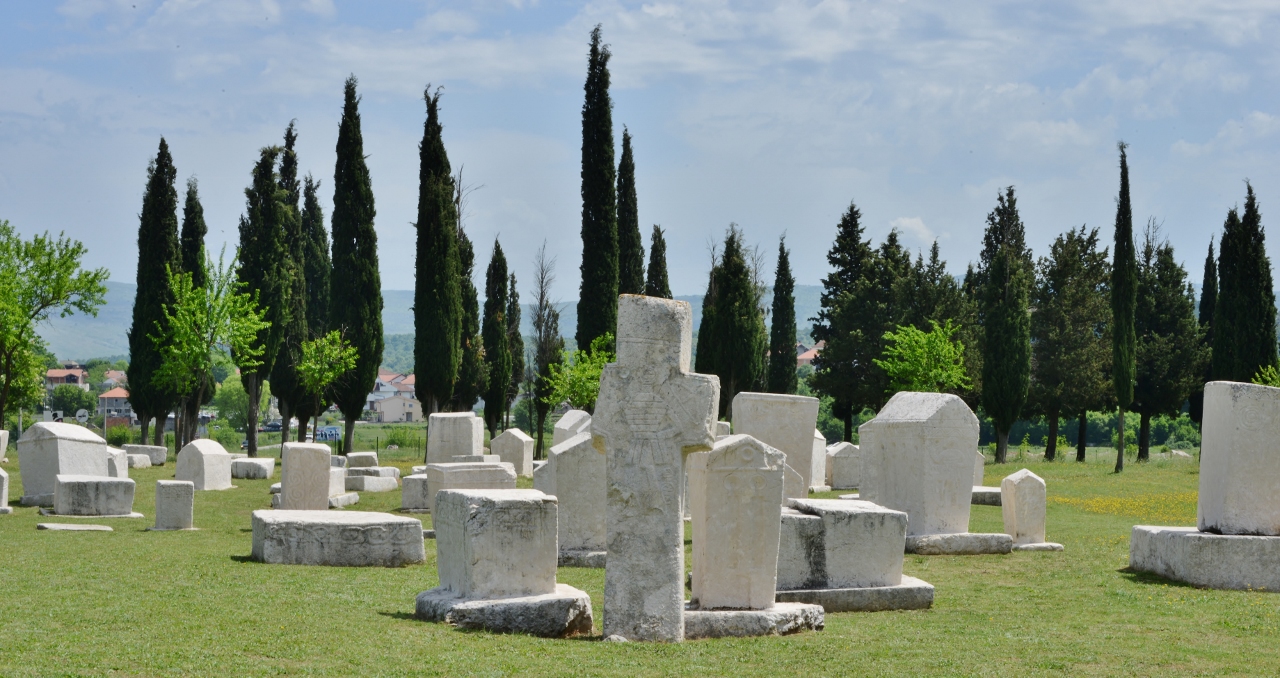
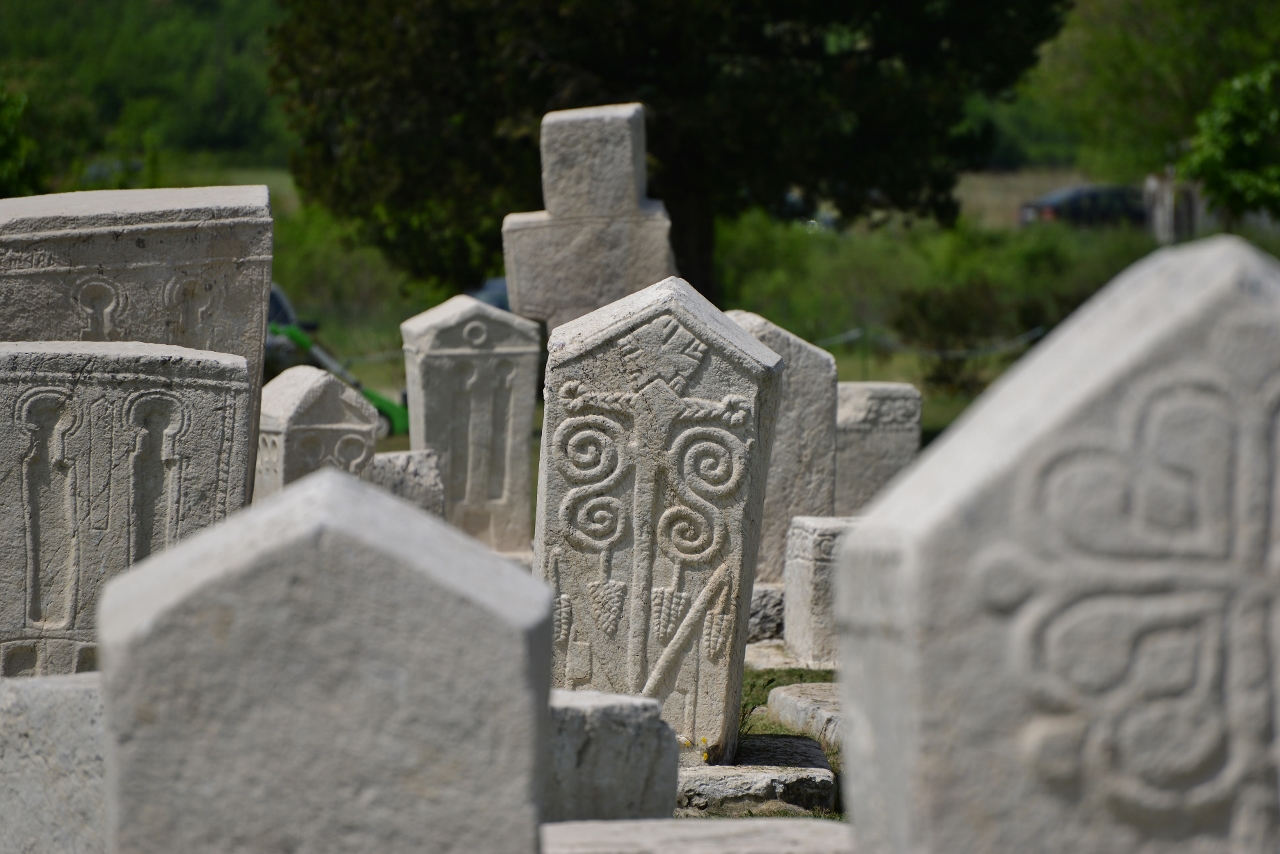
So I’ll start with the easiest part: We really didn’t know Bosnia had that much cool stuff to see. We were originally planning our trip through Croatia and we needed a way to get back to Zagreb, Croatia, to return our rental car so we thought we’d drive through Bosnia. As we were researching we kept finding more and more stuff to do. During our drive we were floored: Bosnia is beautiful, like gorgeous. We had no idea it was so mountainous and green. From what I’ve gathered, there really isn’t trekking or hiking culture / tourism in Bosnia which is really too bad because there were so many gorgeous places we visited where one could purposely get lost for weeks on end out in nature. It would be really neat to come back some day and spend time in the mountains disconnected from humanity. There is an Islamic influence throughout a large part of the country so Sarajevo feels like a mini-Istanbul (let me emphasize mini!) where there was the call to prayer and we were able to get the foods that we really enjoyed in Istanbul and other Muslim-majority countries we visited. There are really neat castles, settlements, and other important structures like the Mostar Bridge, littered throughout the country so even driving from one major city to another was broken up by short stopovers at cool sights. So much of the country was beautiful and fun to visit.

The price is right for tourism. Food, lodging, and other tourist activities are cheap in Bosnia, almost similar to what we paid in Cambodia, Thailand, and Vietnam but Bosnia is far easier to reach than South East Asia. The yearly wage for the average Bosnian is less than half of the US minimum wage and there is over 40% unemployment. The low wages make tourist money go really far. A very filling meal for two could be bought for $8-$10, drinks included, and admission to tourist places is generally a buck or two. While there is a tourism industry in Bosnia it’s pretty well relegated to the major cities. It was a bit harder to get along in the countryside as we met fewer people who spoke English and quick serve restaurants were far and few inbetween.

We used Airbnb exclusively and we found amazing hosts on accident. This was the next-level type hosting we found in Japan. Our hosts were genuinely concerned for our wellbeing and wanted us to be happy in every way possible. In particular, two hosts stood out – they were around our age and they spent a non-trivial amount of time with us showing their city and sharing their stories of growing up, what the current life is like, and what they think the future holds for the country. These were amazing experiences we were not expecting; this type of experience has happened so infrequently during our travel that it will forever stand out. Our hosts were even concerned for our belongings. In Sarajevo, our host told us “I’m not saying your car stereo is going to get stolen but it might” so we paid for secure parking smile emoticon.

The next easiest thing would be the history. Bosnia has been an area conquered and reconquered since antiquity. Fast forward to the Middle Ages and later where the area was predominantly Christian (Catholic and Orthodox) until the Ottomans rolled through and brought a lot of Muslims making Muslims the largest minority group with no majority group. Skip ahead through the two world wars and now Bosnia is part of Yugoslavia under Tito. The big cultural differences and any tensions are suppressed by the state so people live in peace because, well, they have to.

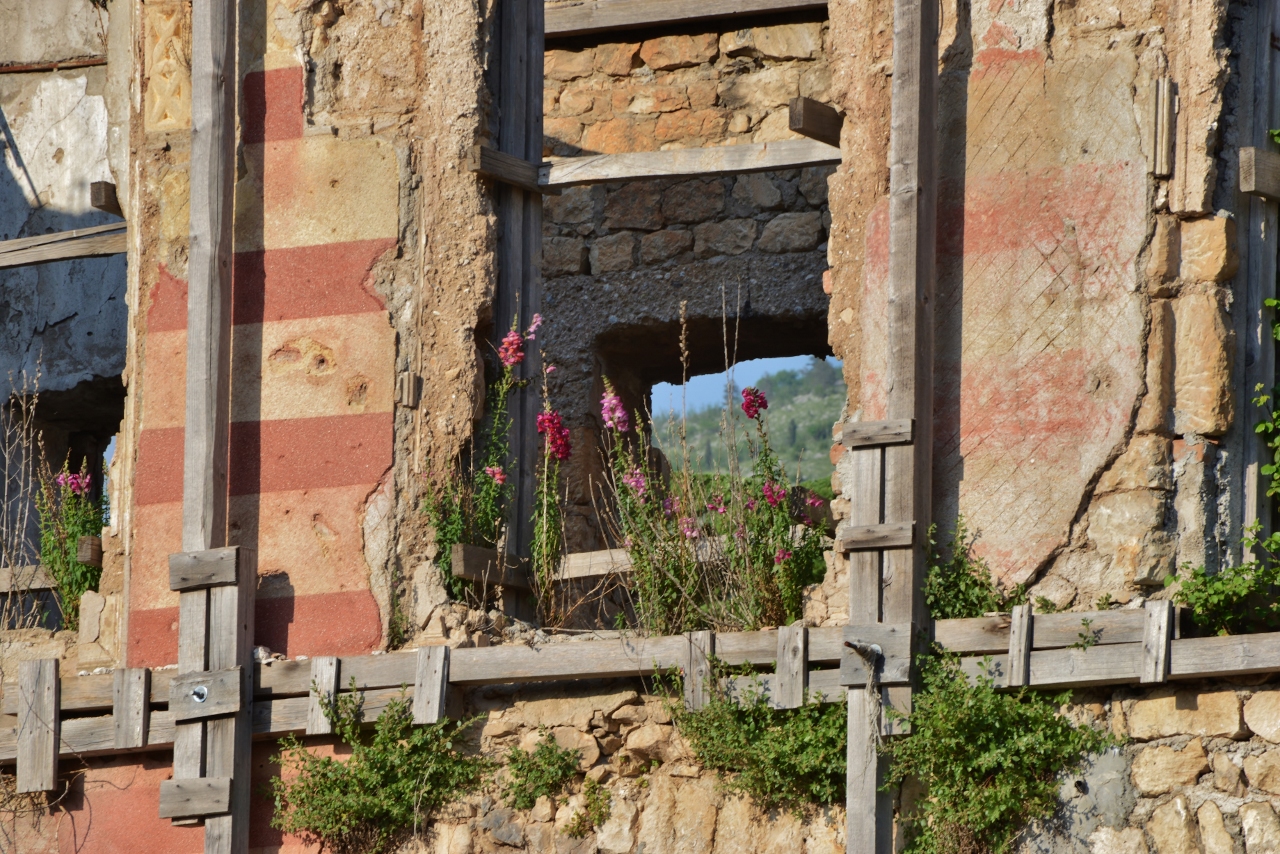
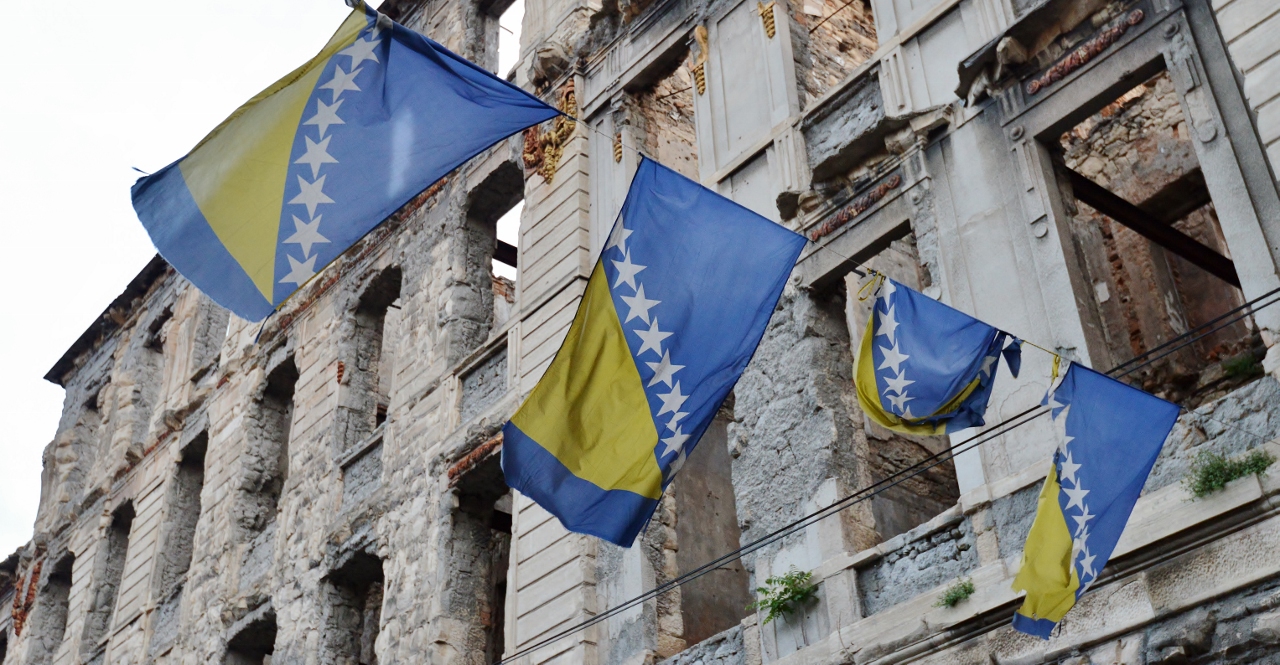
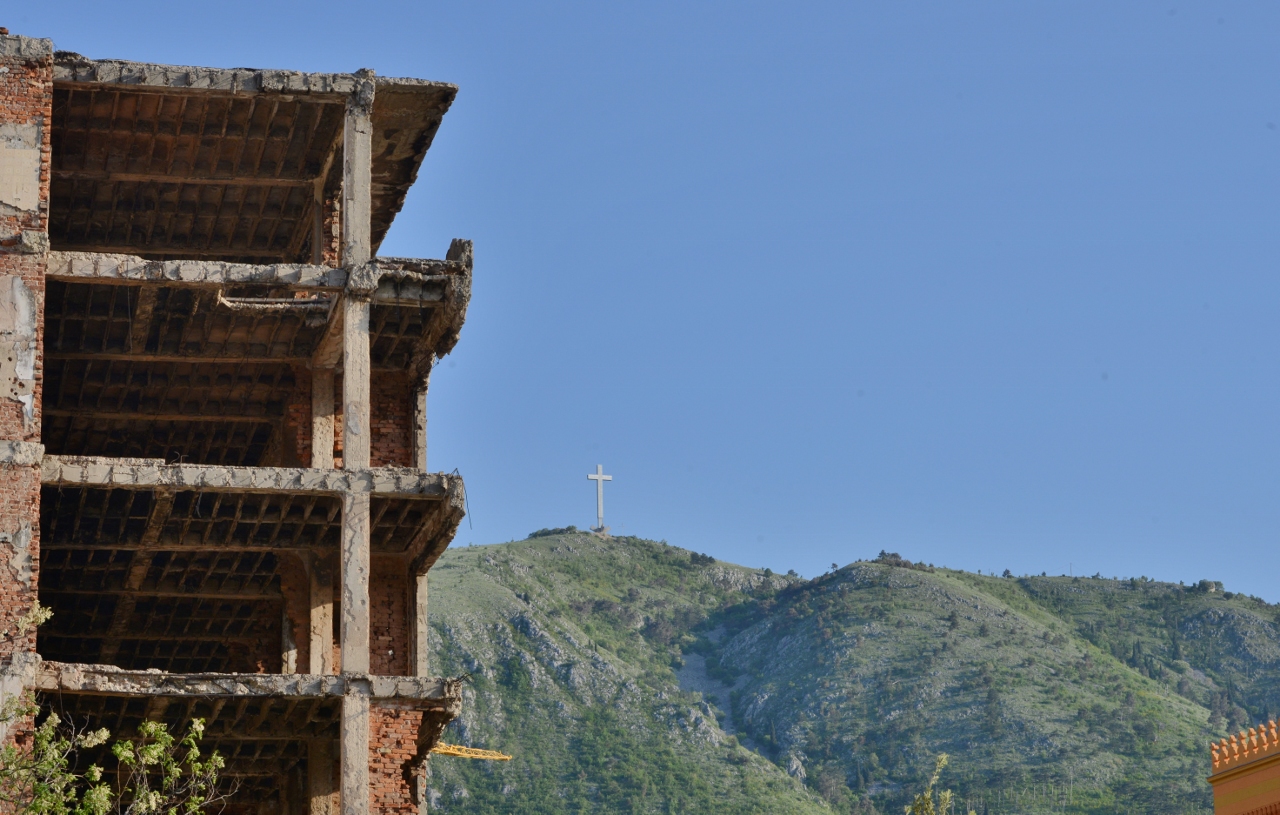
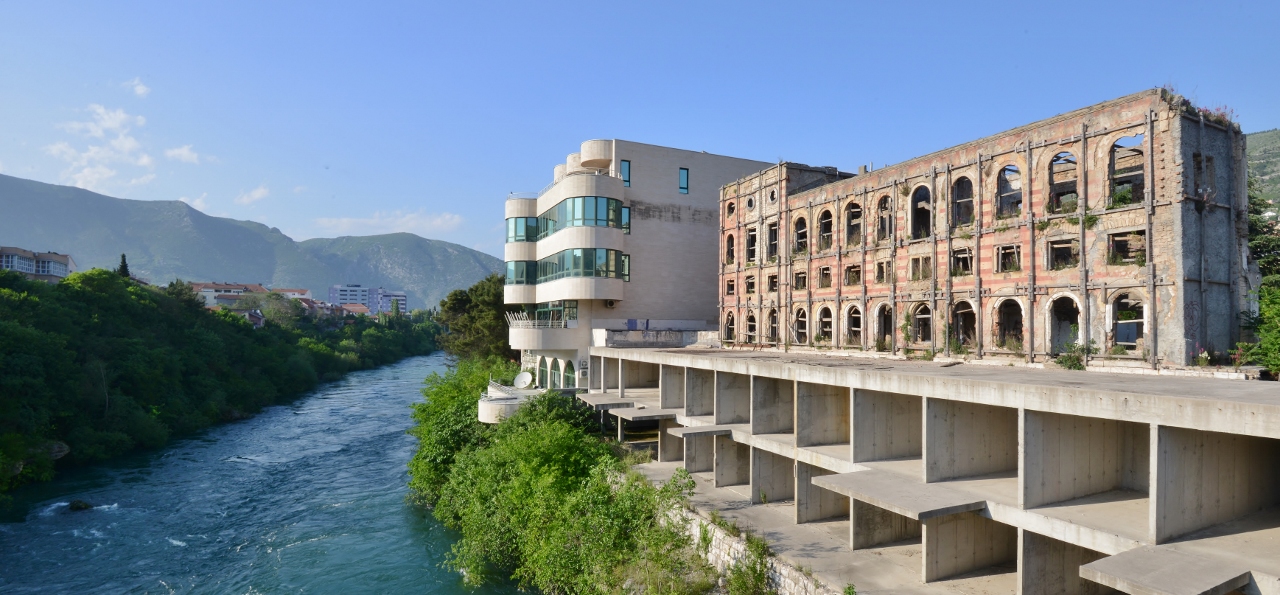
Now comes the harder parts to explain. After the fall of Yugoslavia in the early 90s there was a multiyear war and a lot of people died. The war was fought largely on religious and ethnic lines between the three major groups (Croat [Catholic], Bosniak [Muslim], Serb [Orthodox]) so multicultural cities, like Sarajevo and Mostar, were absolutely ravaged by the war. Neighbor turned against neighbor just because they prayed to a different god and/or had different lineage. The war seemed to make everyone go insane; on one extreme is the ethnic cleansing which occurred all over the country and another extreme is how one of the leading literary minds in the country before the war ordered the razing of the Sarajevo library destroying many very old and irreplaceable works of art. These were people living in peace under Tito and they all went insane, murderous, rampages once the oppressive and controlling government was gone. While the war is over, the scars of war are everywhere. From bombed out buildings all over Mostar to Sarajevo roses, the marks of war are impossible to miss. We thought we saw a lot of destruction and dilapidation when we were in Vietnam but we were unprepared for how much damage remains in Bosnia after nearly 20 years.

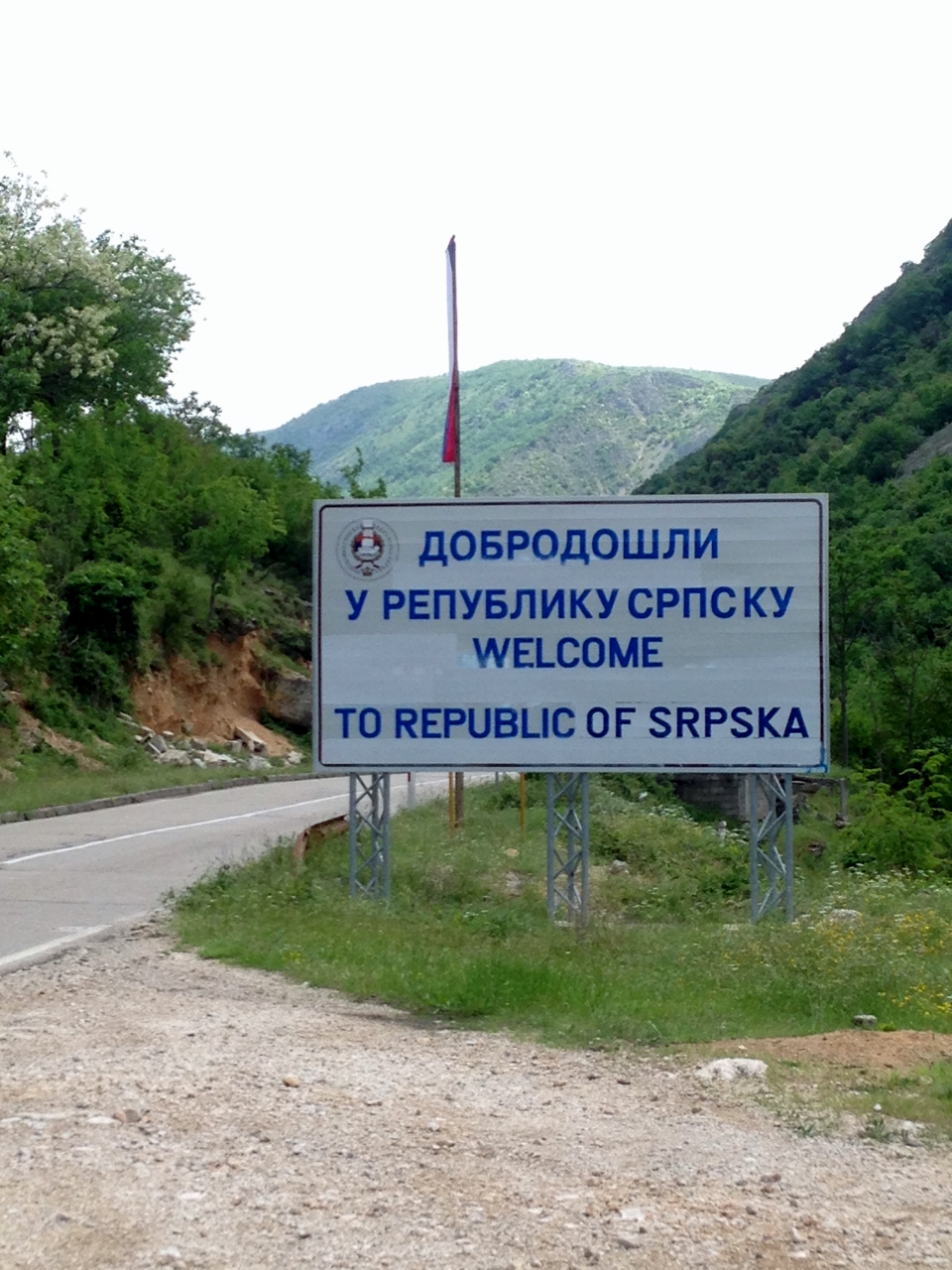
The outcome of the war brought a very weird government setup to appease the three different groups. Bosnia has: three prime ministers, three parliaments, three fairly autonomous regions, and separations like this all the way down to telecom providers and utilities. The US helped broker the peace and the creation of the unique government so the people living in Bosnia can give partial thanks to the US for their Frankenstein of a government. I asked a question to multiple people, “how do separate governments based on ethnic/religions lines promote unity between the three groups?” and no one really seemed to know but everyone was happy there wasn’t war. When discussing the government people would generally say things like, “it’s complicated”, “there is a lot of government”, and “it is not easy to get things done”, simply because they have different governments for different groups living in the same region.

The hardest thing to explain, which leaves it’s imprint everywhere in the country, is just how different the groups are and how that makes Bosnia uniquely different than anywhere else we’ve visited. We have been to many countries with different ethnic groups and the US is very diverse. Bosnia is different. Very different. Yes, technically, it’s one country but it’s still very separate in a lot of ways. The example that maybe easily describes the WTFness of Bosnia is how the country goes about supporting their country’s soccer team. There is a Bosnian soccer team and much like anywhere else a lot of the citizens cheer for their national team, and, much like anywhere else, soccer riots can happen due to the zealousness of the supporters. What’s really unique about Bosnia is how a soccer riot can start during a Brazilian / Croatian soccer match in the little city of Mostar. What do the Brazilians have to do with the soccer riots? Not much, to my knowledge there are few to no Brazilians in Mostar, the game wasn’t held in Mostar so Brazilians weren’t the ones starting the riots. The riot happened between two of three major ethnic/religious groups where one group was cheering zealously for the Brazilians to beat the Croation team and the other group was supporting zealously supporting their ancestral home team so naturally (I guess?) a soccer riot breaks out.

American culture like music, movies, brands and such are pervasive all over the world and Bosnia is no different. It’s always been neat to drive around in another country and hear a similar top 10 to the United States. We can be far away and still have a flavor of home. The odd exception to this is when we were driving around Bosnia, in the midst of war ruins, listening to the Beach Boys sing about good times and Kokomo. It was hard to wrap my head around it and it was a big WTF moment for me.

We drove through two of the three semi-autonomous regions of the country and it was super easy to discern the differences. Remember: I grew up in South Dakota. We thought Minnesotans, North Dakotans, Wyomingians, and Nebraskans were all very different. If the differences I felt in South Dakota were on a color spectrum it’d be comparing light blue to slightly lighter blue and trying to exaggerate the differences. The differences we felt in Bosnia between the regions were like comparing blue to red, very different, no exaggeration needed. It was like we went to different countries far apart but really we drove a half hour. It was pretty cool experience and something we haven’t really experienced anywhere else.

So that’s Bosnia based on our experiences. It was a truly remarkable place. We had such a good time, we’d love to go back and explore more of the country.

Enjoy the photos!

Chris W.

Montenegro 2015

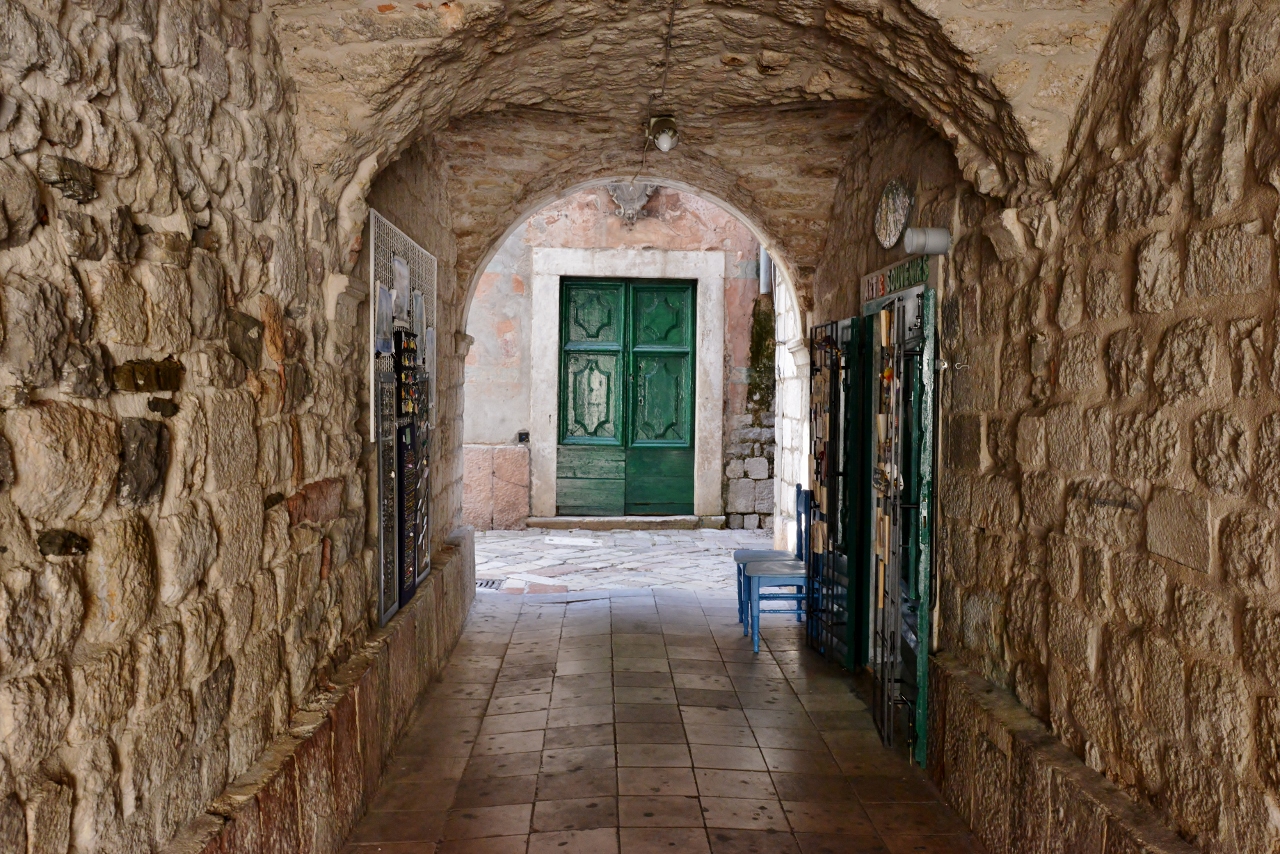
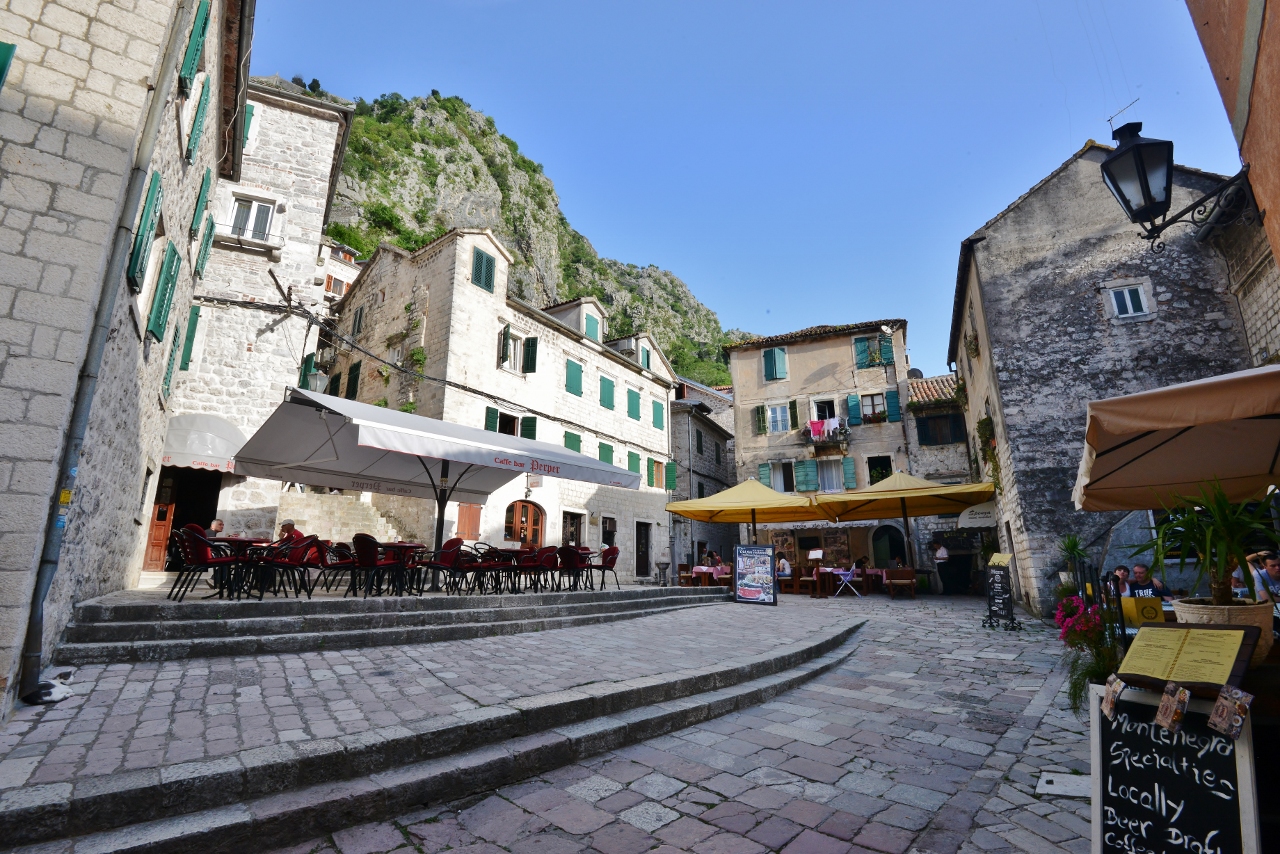
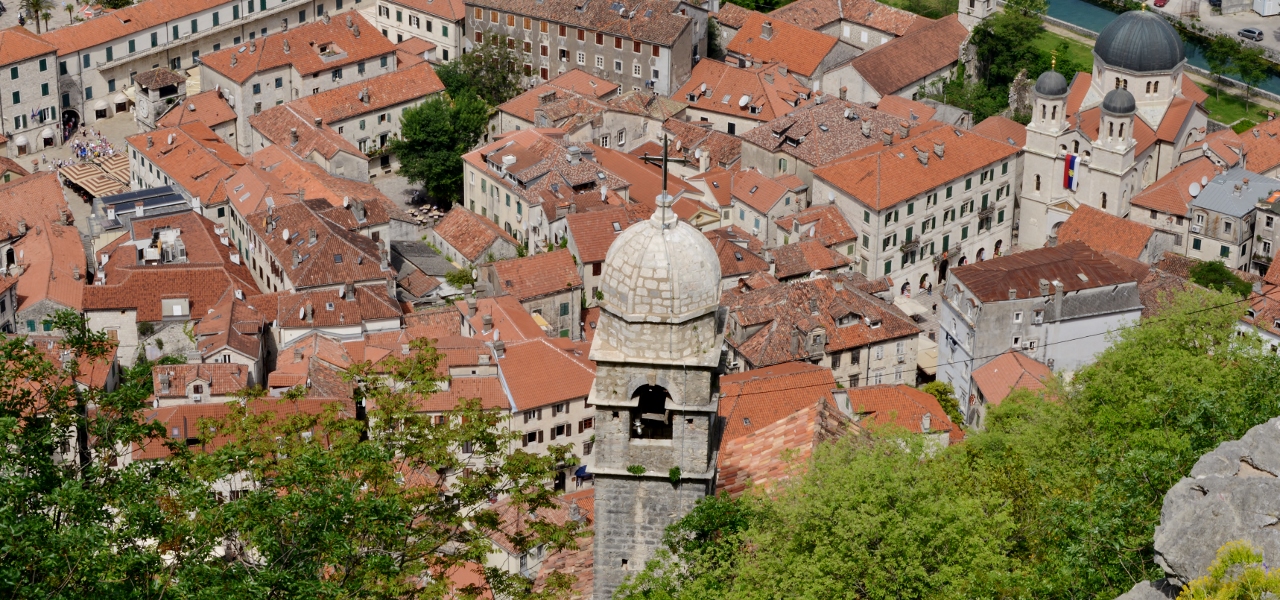
Montenegro was spectacular! We only had a few days in the country so we didn’t see much. The parts we did see were amazing! The scenery is unlike anything we’ve seen before and we thoroughly enjoyed our time.

Montenegro is a new-ish nation after gaining full independence in 2006 from Serbia. Prior to about a month ago, if someone asked me to locate Montenegro on the map I’m pretty sure I would have looked very hard at Africa. While we were planning our trip through the Balkans I happened to see a recommendation for a day trip into Montenegro from Croatia because “it is close and worth it”. After reading this advice and learning where Montenegro was located, we decided to stop for a few days in Kotor, Montenegro.

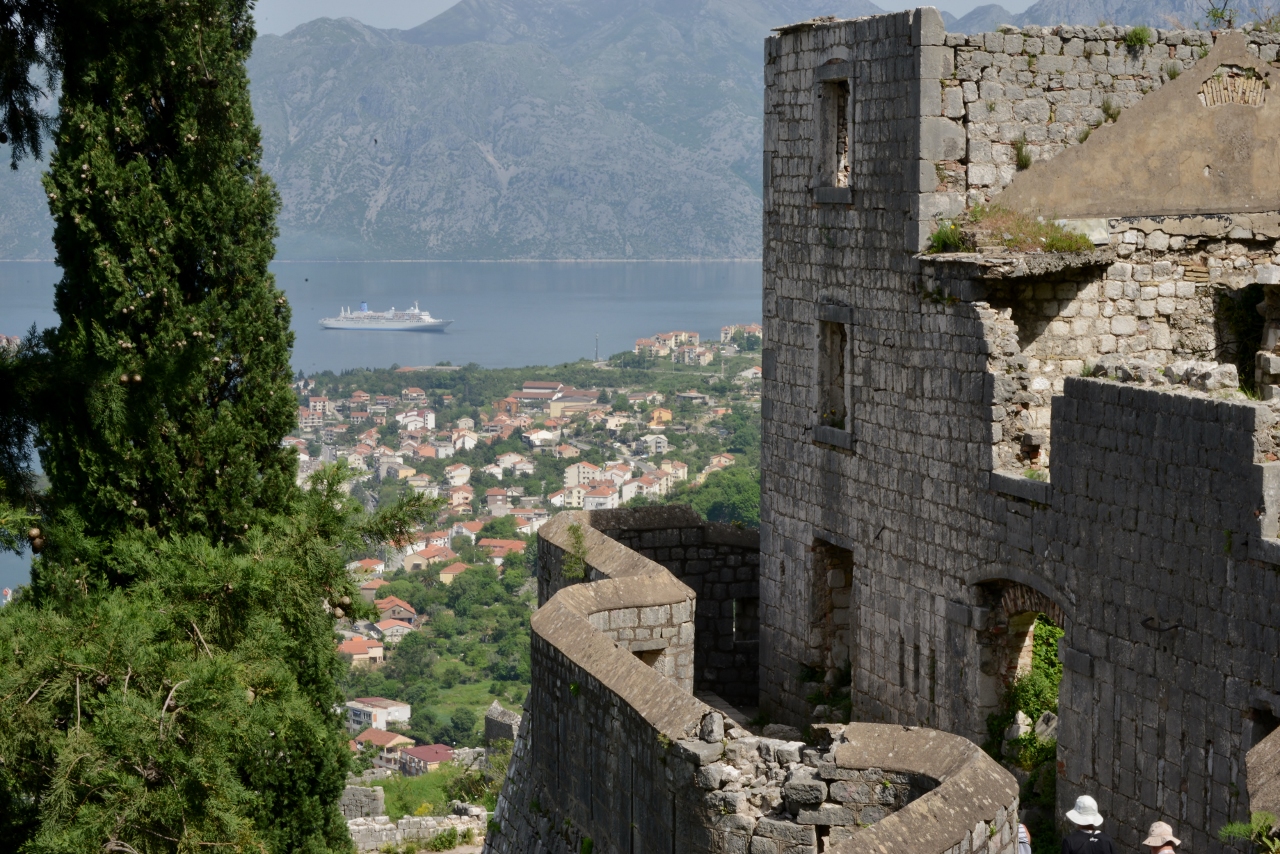
Once we left Croatia it was clear we were in an area where road rules were more suggestions than anything else. We saw stoplights but we didn’t see any in use so crossing someone’s right of way in an intersection was sometimes a rather hairy experience. Besides driving, the feel is very similar to everything else we had experienced on the Dalmatian Coast and the food was similar too. The city was built in Roman times and then it was a very important Venetian city for trade. The Venetian Republic’s emblem, the lion with wings, can be found in multiple places around the city and in the city walls. The old town itself is tiny and pretty much has no straight streets. The old town had a super-chill feeling to it and there weren’t mobs of tourists like what we saw in Dubrovnik. On our last day, four cruise ships showed up and the town still didn’t feel like it was too crowded.

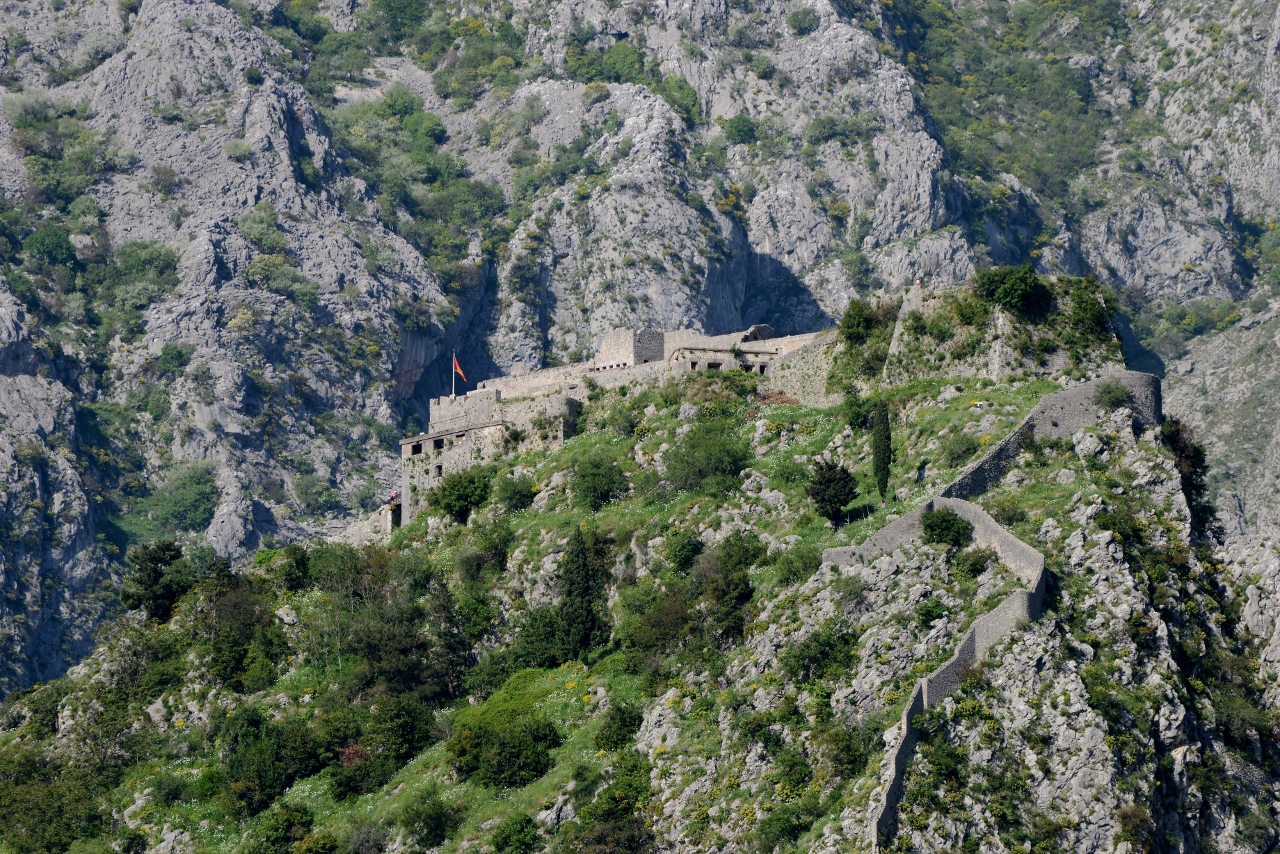
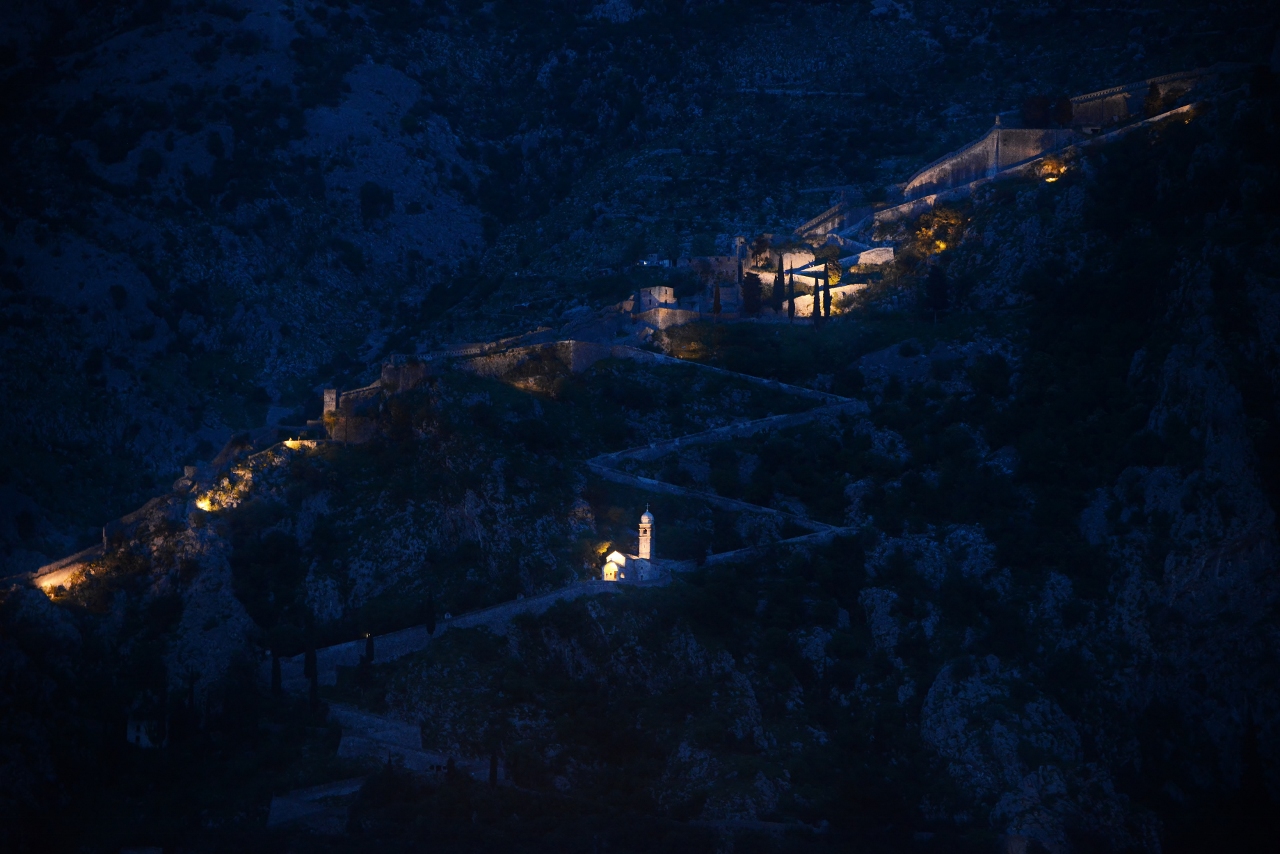
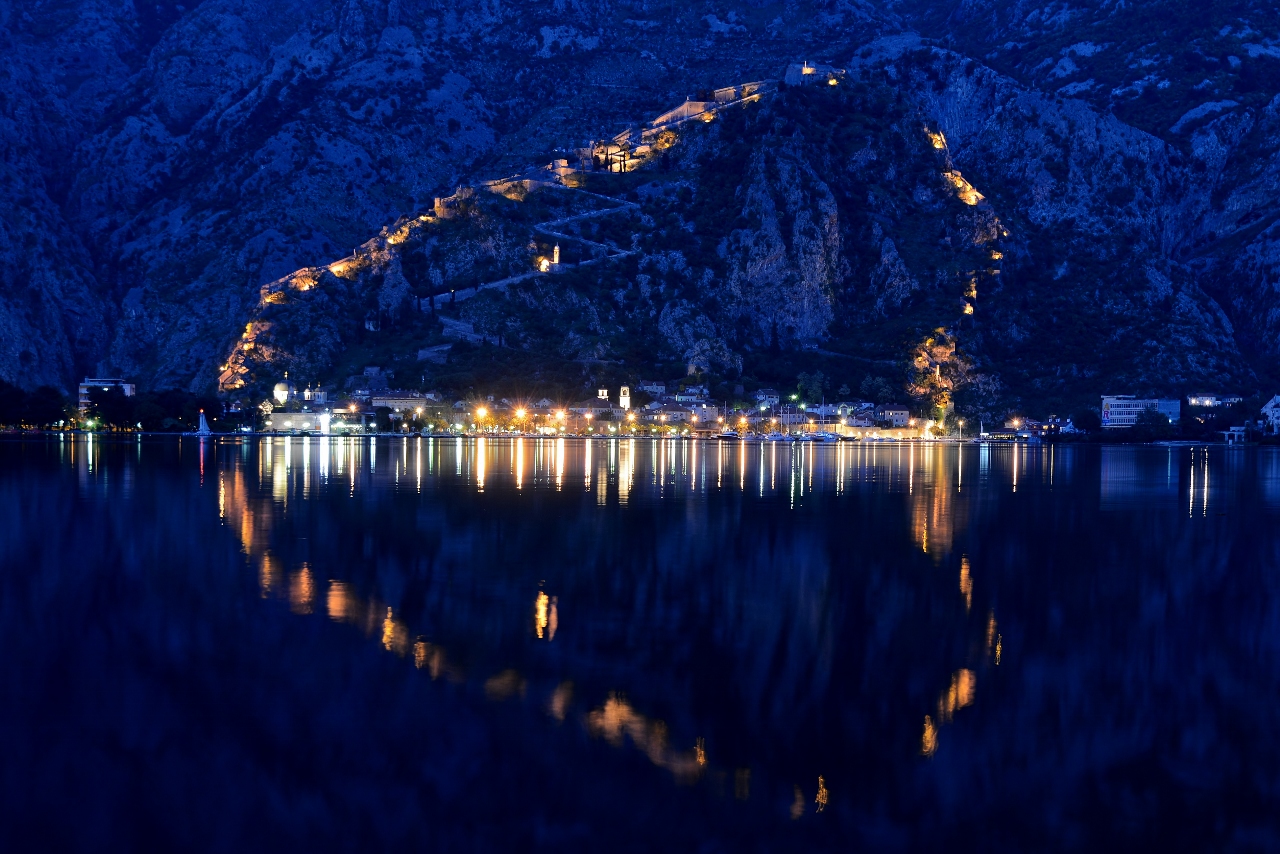
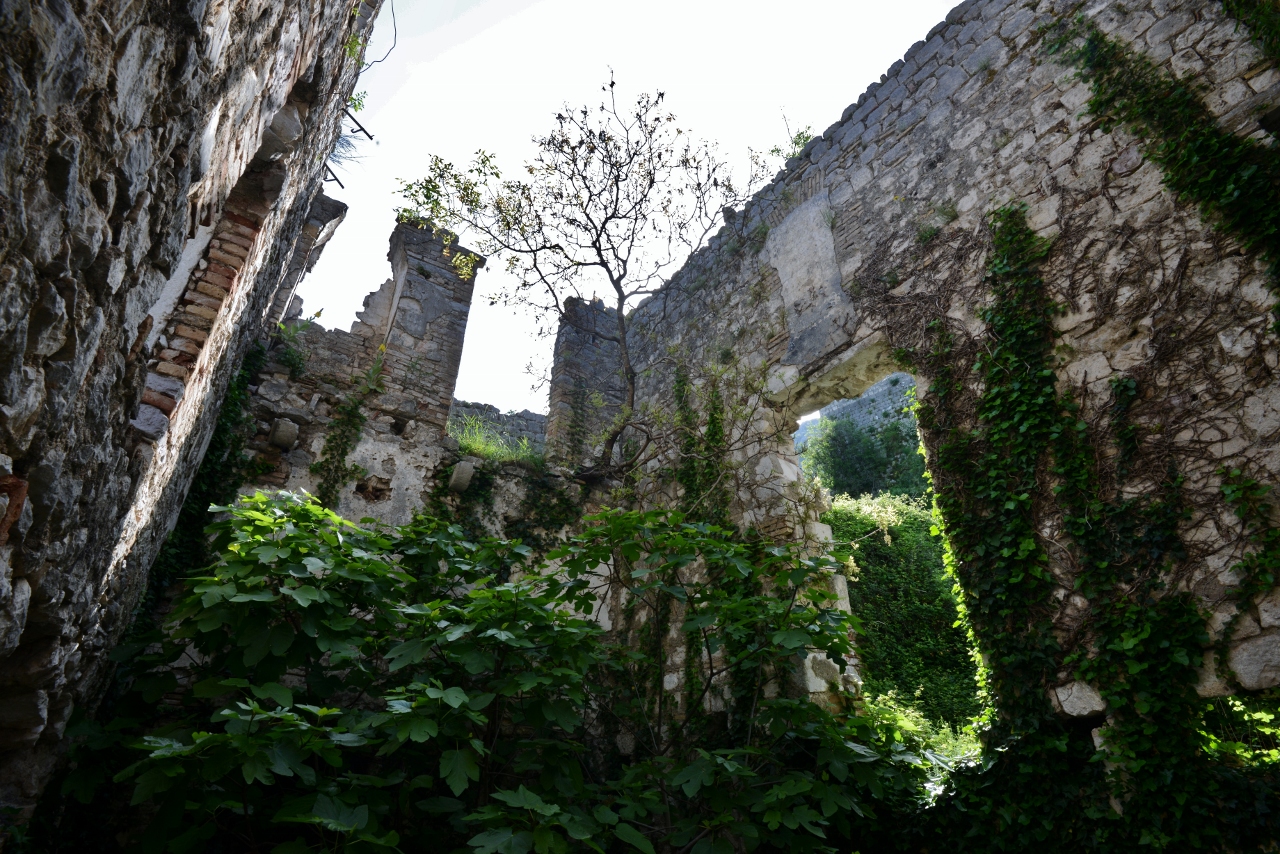
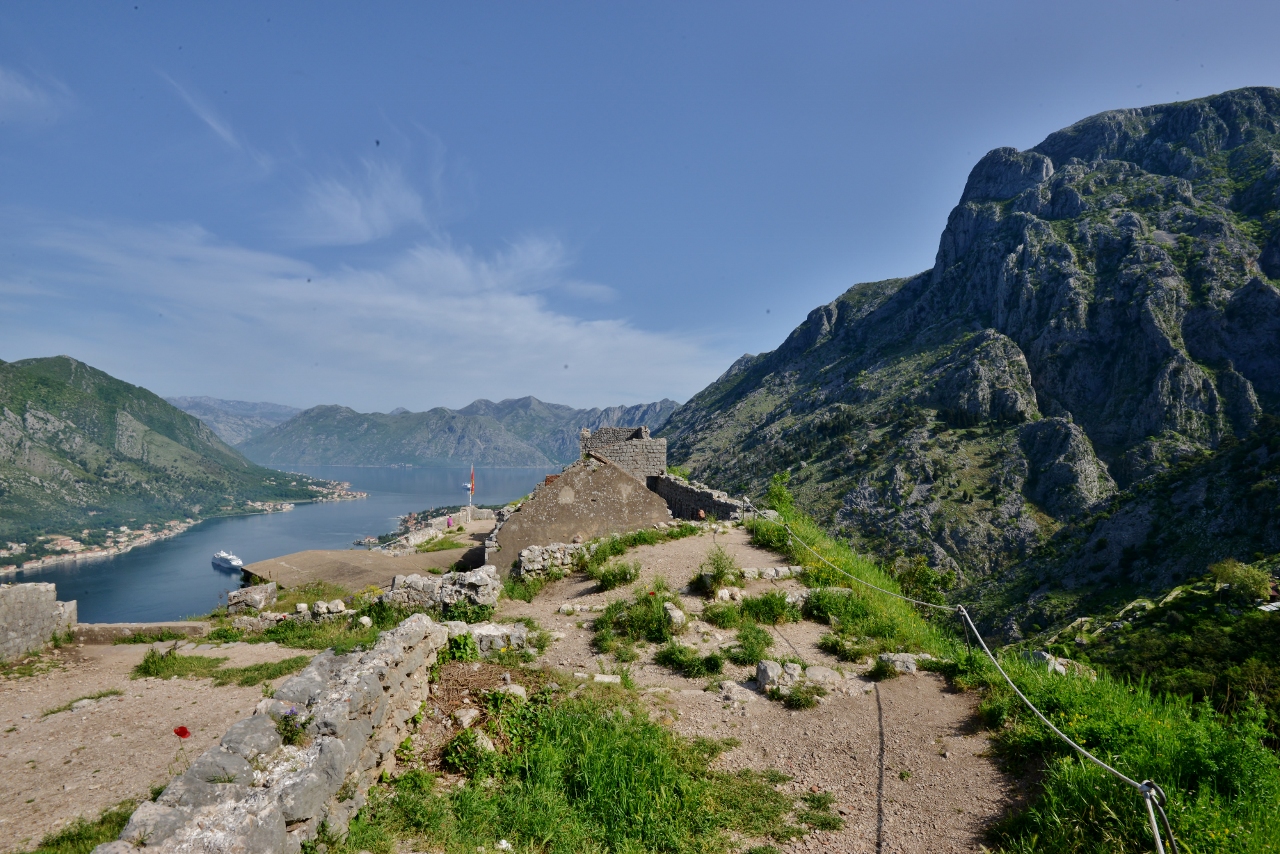
There are some large walls protecting the city and they go up the mountainside behind the city. I hiked up to the top and enjoyed a great view. In Kotor, the city walls are not refurbished so there’s quite a few areas with loose rocks, big steps, or steep drop-offs. There are multiple paths to the top and there’s really only one good path with the rest being labeled “high risk” in the pamphlet they give all tourists. It doesn’t matter though, tourists can go anywhere they choose and make any adventure they deem appropriate, high risk or low risk. This is pretty common in a lot of places we’ve visited and is pretty different than the US where many things are closed off due to safety concerns. I imagine if tourists die they simply think “no matter, there will be more”.

While hiking the walls in Kotor, I managed to meet a fellow American around my age and quickly learned he had lived in South Dakota and Albert Lea. Being in Montenegro and being someone who has lived in Minnesota and South Dakota, I’m pretty this made us family.

Our time in Kotor was too short! It was a stunningly beautiful place and a place we really enjoyed. Our time there was nearly perfect and I’m not sure how it could have been any better!

Enjoy the photos!

Chris W.

Dalmatian Coast 2015

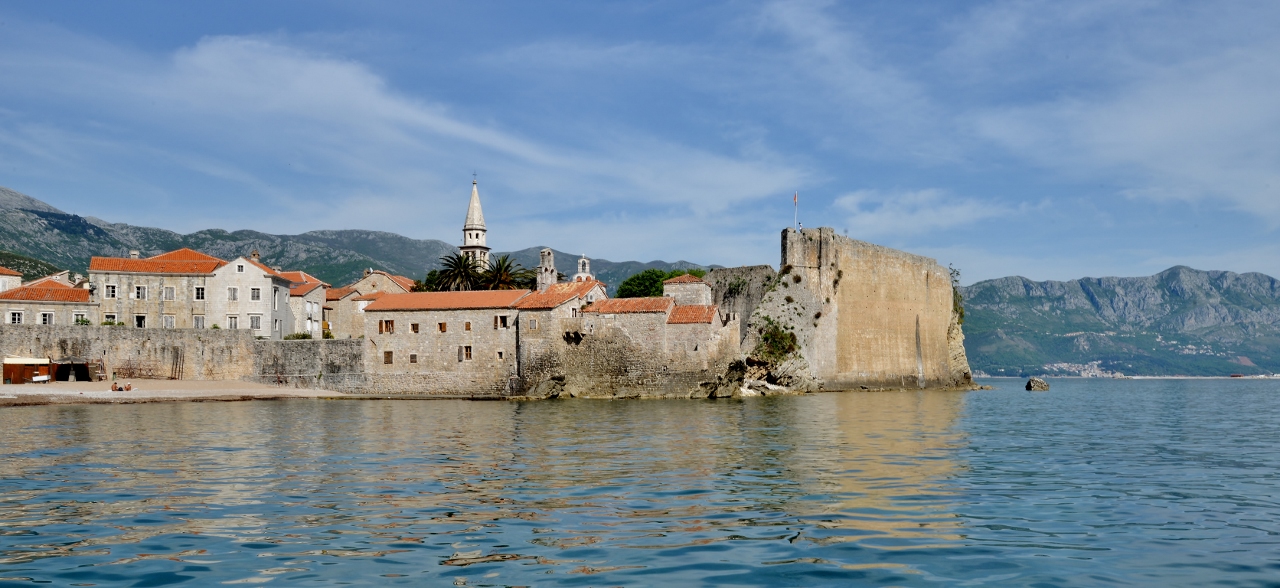
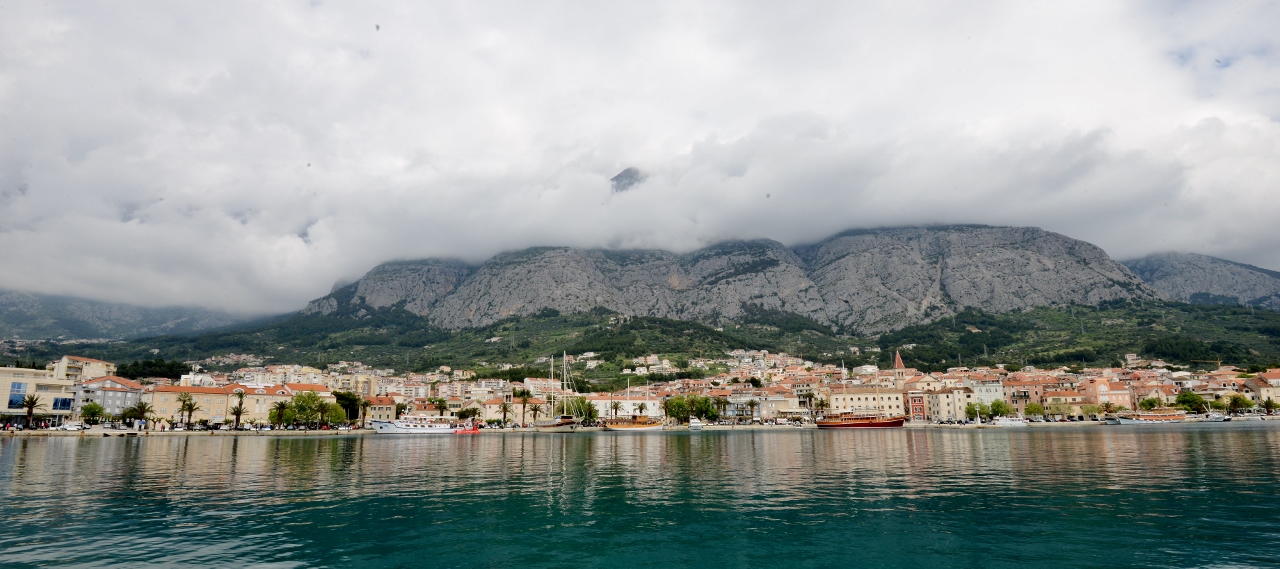
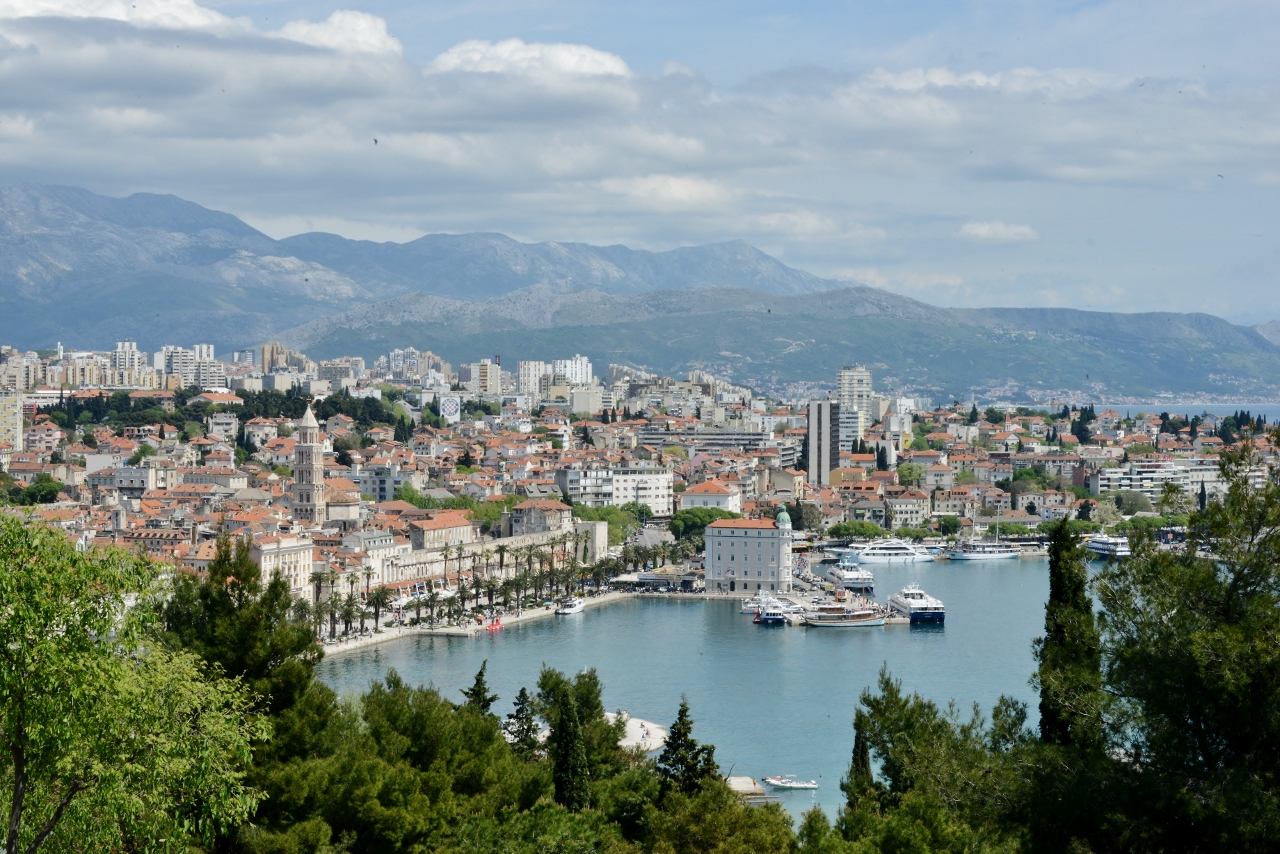
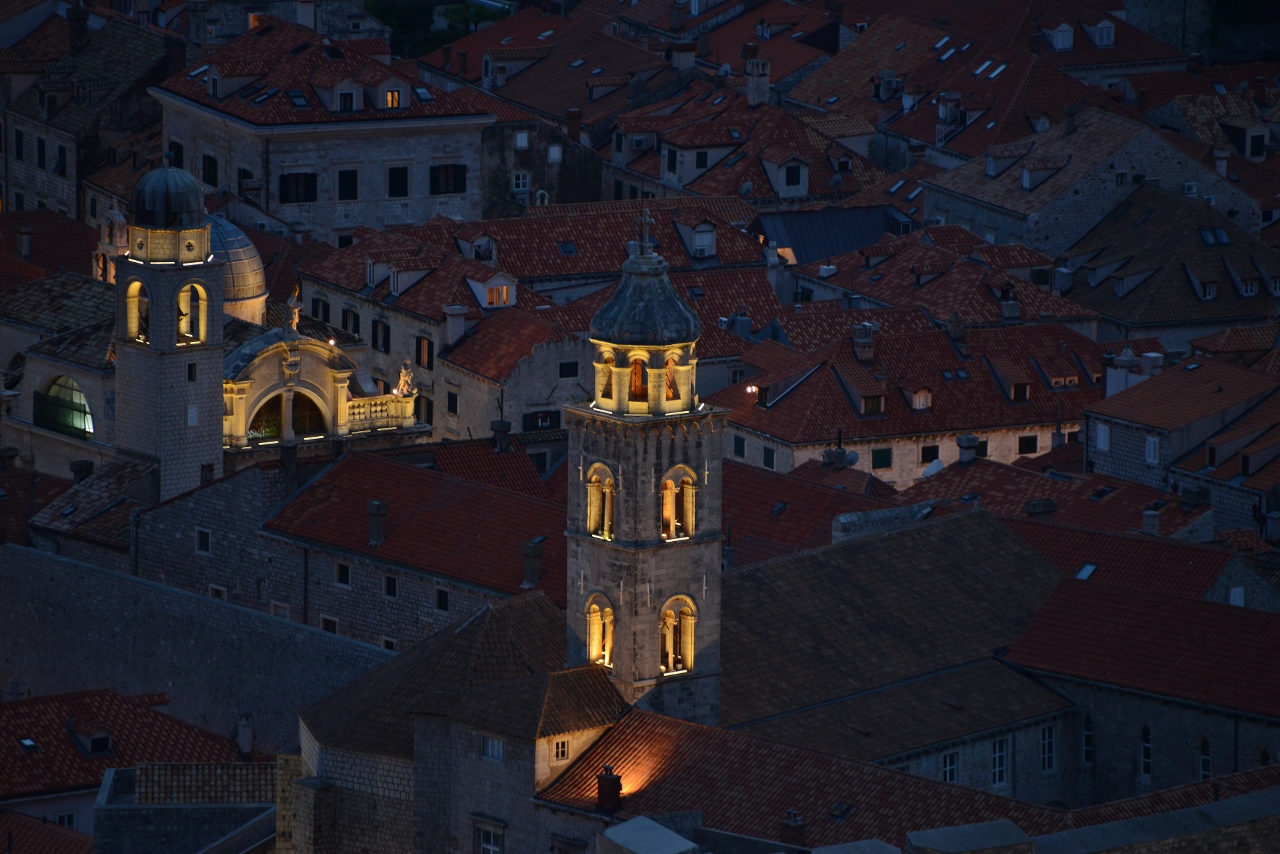
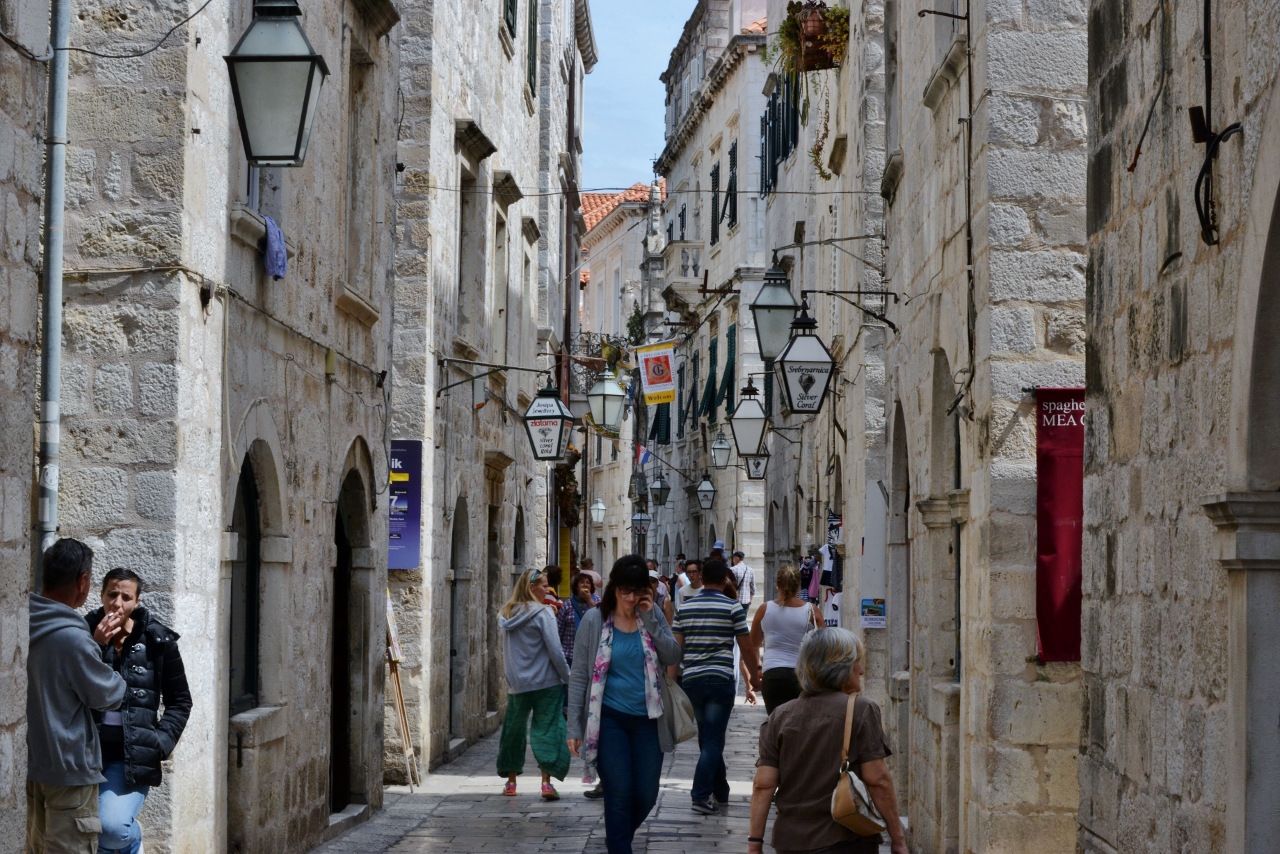
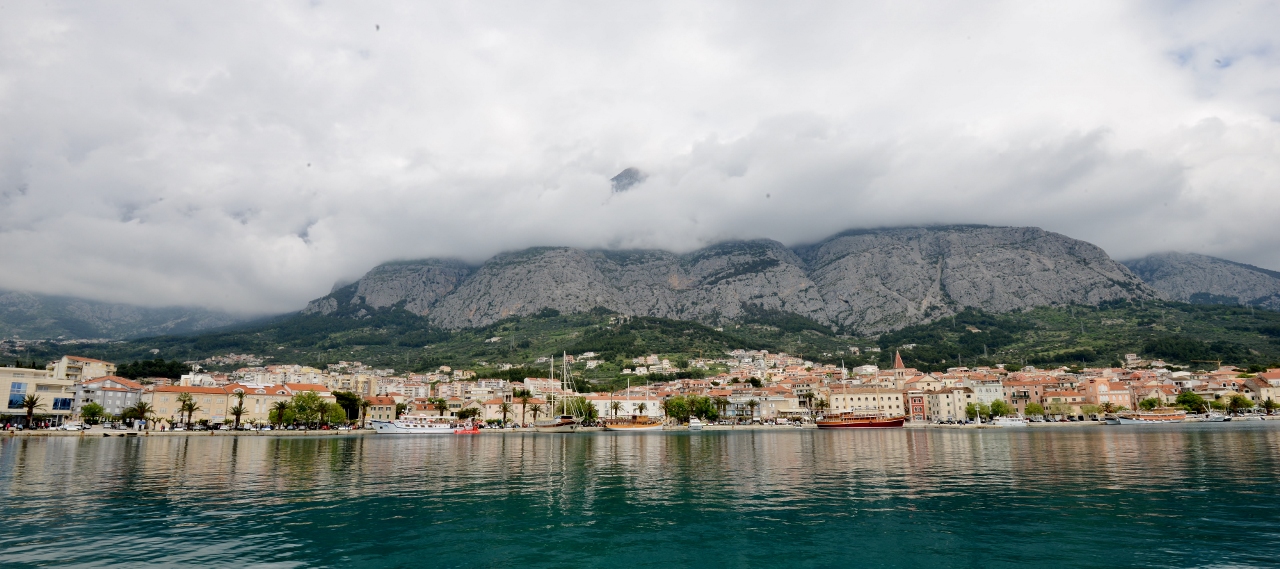
We have left Croatia after spending a handful of days driving down the Dalmatian Coast. Pretty much all the cities we visited (Zadar, Split, Dubrovnik) had influences from Roman times, the Venetian Republic, or both. It was really cool to walk around the old towns in the tiny little passage ways filled with shops, buskers, and good smells. If I had to pick a comparison, I’d say that it was a lot like our time in Venice except these cities are: smaller, way better, and way more chill. The towns we visited were very touristy and were frequented by cruise ships. However, it wasn’t peak tourism season yet so there still weren’t a lot of people so we could easily find quite places to enjoy the views and the sights. I can only imagine what the places are like during peak tourism season, I could see it going from very awesome to very unenjoyable very quickly.

There is a lot to love about Croatia: Croatia in spring smells amazing; there’s a lot of different flowers blooming and flowering trees. The people are generally kind, polite, and helpful. The roads were great; it was super easy to get around in our rental car and the Croatian drivers were politely aggressive. Croatia is not a big country so all roads lead to somewhere awesome be it Roman ruins, waterfalls, mountains, beaches, or sea views. We used Airbnb exclusively for lodging in Croatia. The coolest part of the Airbnb experience was that every single host had some sort of homemade alcohol, baked food, or both, for us to try when we arrived. It was a neat experience and something we haven’t had anywhere else in the world.

We learned a lot about the Bosnian War during our travels. Both Jacquelyn and I were alive for the war but we didn’t really learn much. Prior to college I’m pretty sure I could not have picked Croatia off the map. It was really interesting to learn how the city of Dubrovnik sustained seven month long siege in the 90s and the very old walls built between 12th-17th centuries helped keep the local people safe. Around the country, there are still many signs of war littered about, from bunkers to derelict buildings.

We still had a lot of pizza and it was delicious. We also branched out and tried local Croatian food and were pleasantly surprised by the tastiness! That said, we probably had pizza for 80% of our meals just because it was so good. We haven’t had this good of pizza since we lived in New York so we tried to eat pizza whenever possible.

The only downside was that our time on the Dalmatian Coast was too short. Next time we’ll make sure to stay longer :).

Enjoy the photos!

Chris W.
Kyoto / Osaka / Yoshino Japan 2015

Our time in the Osaka / Kyoto / Yoshino area was quite rainy and cold but we’ve continued to have great experiences!

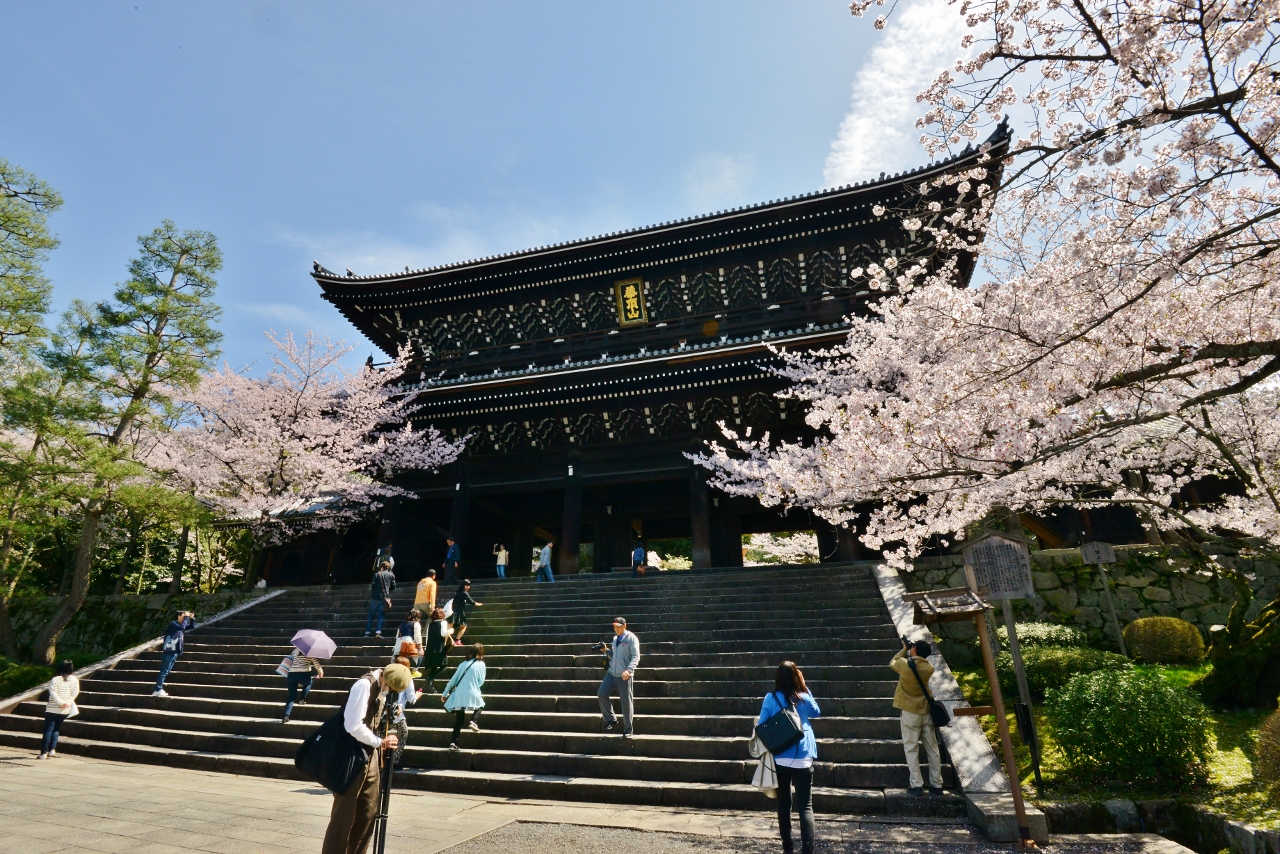
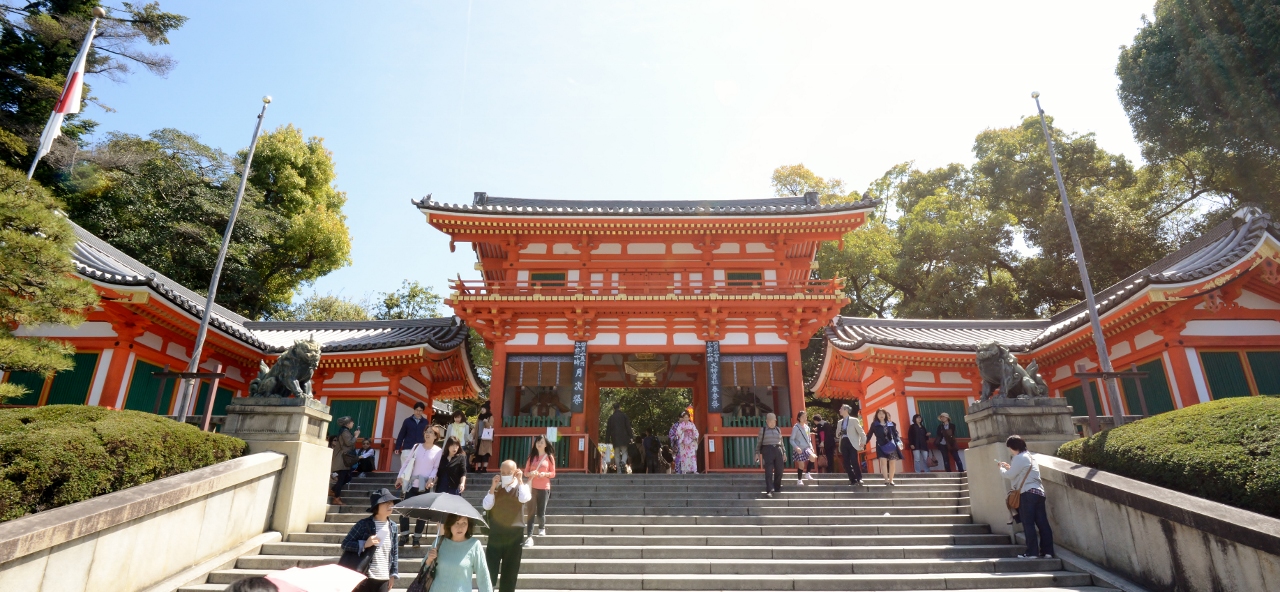
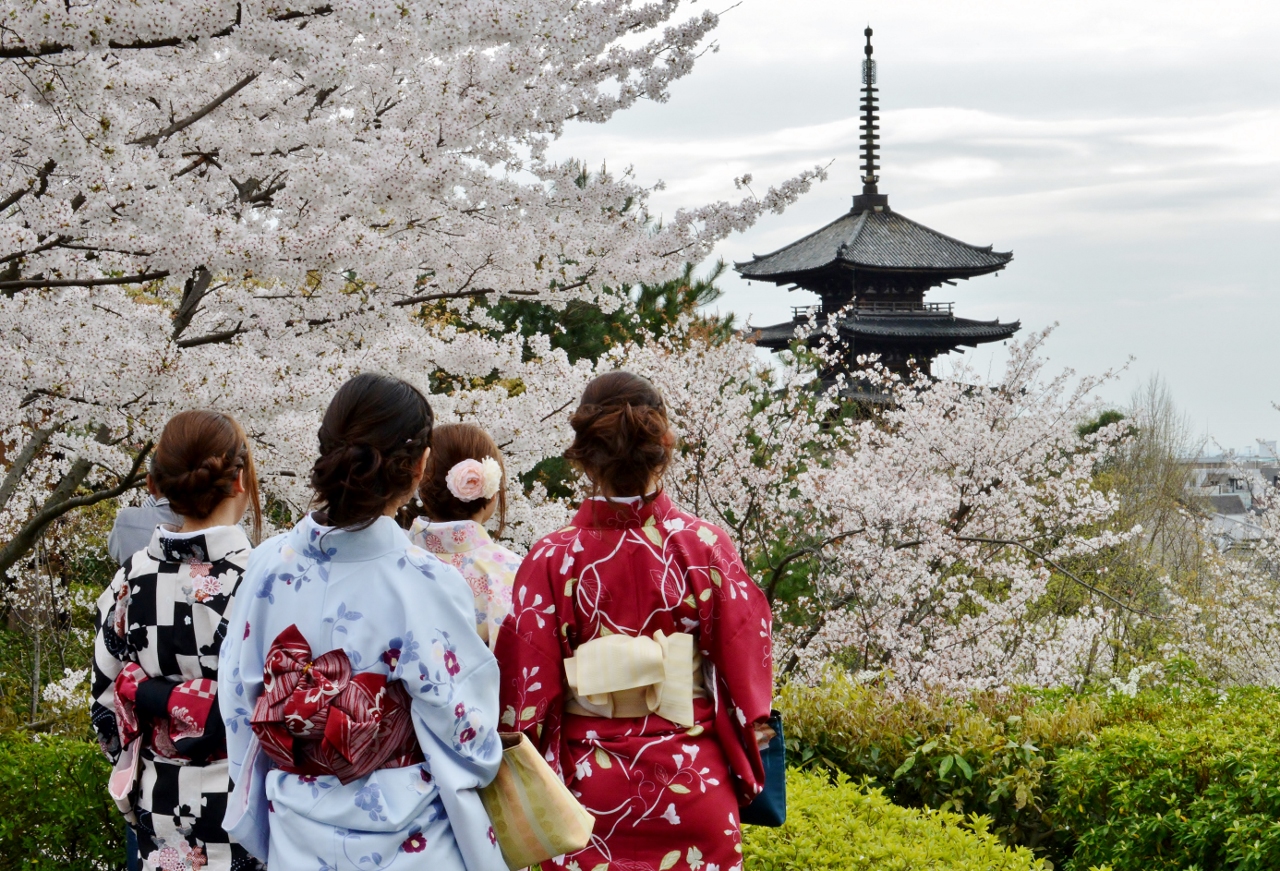
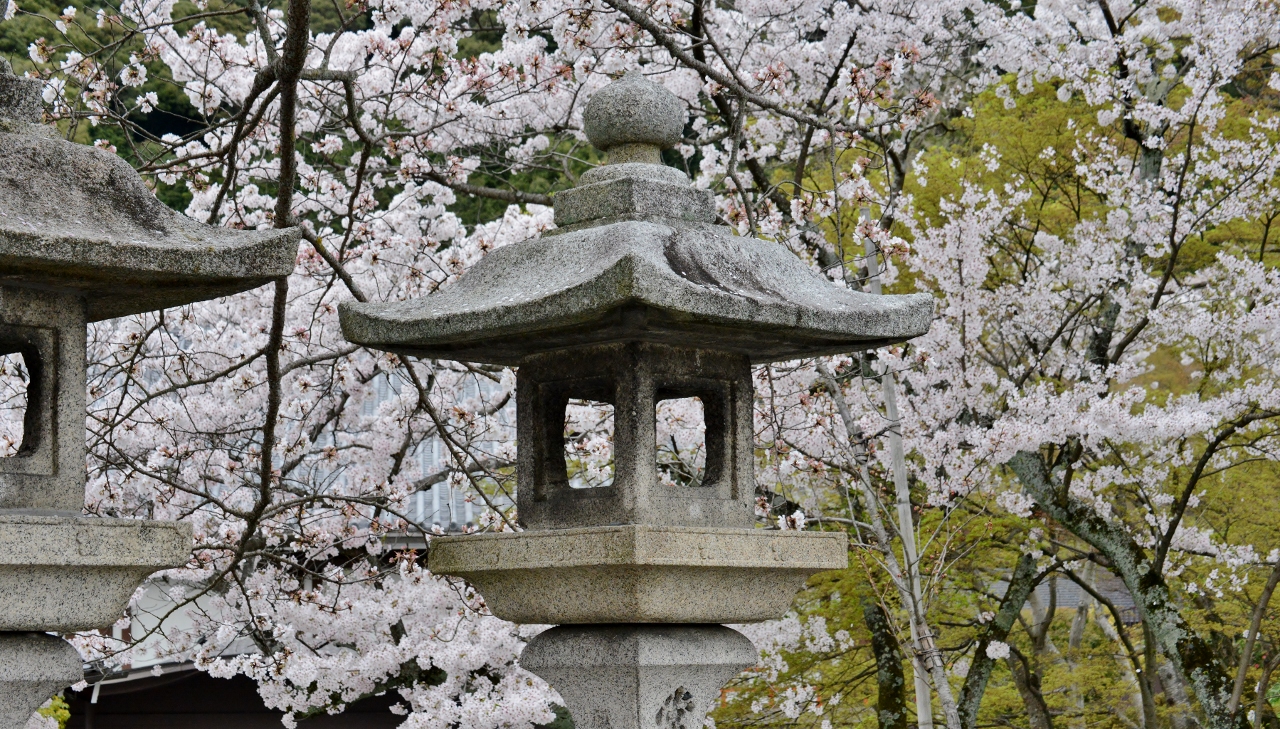
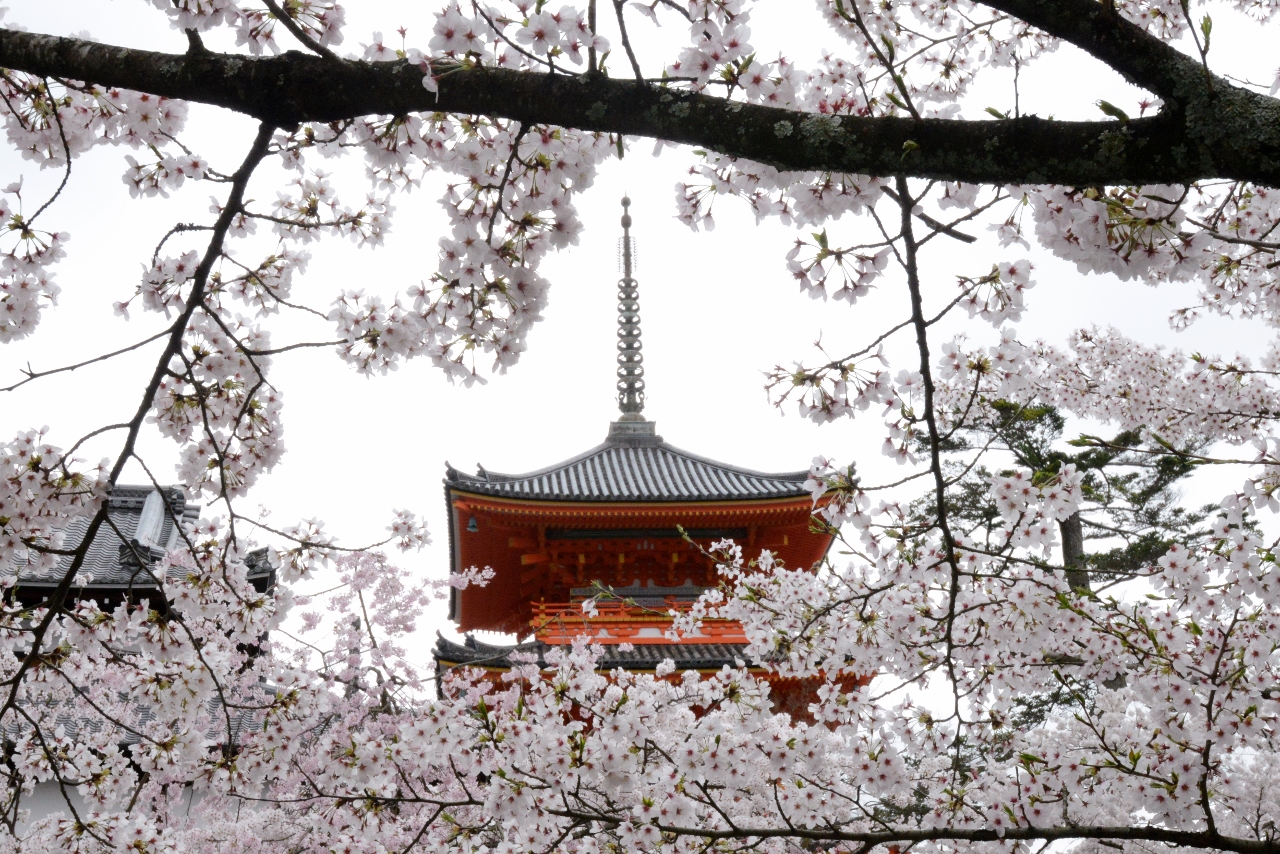
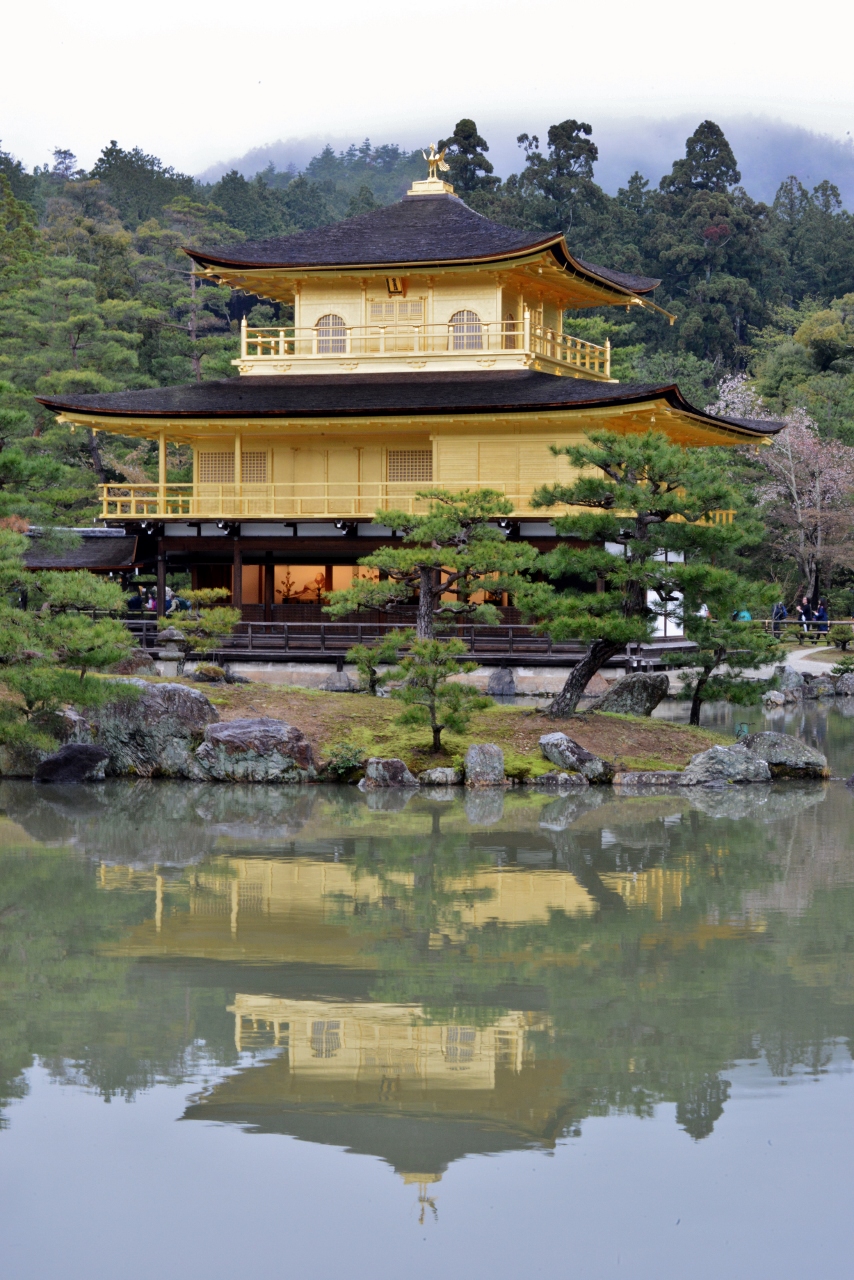
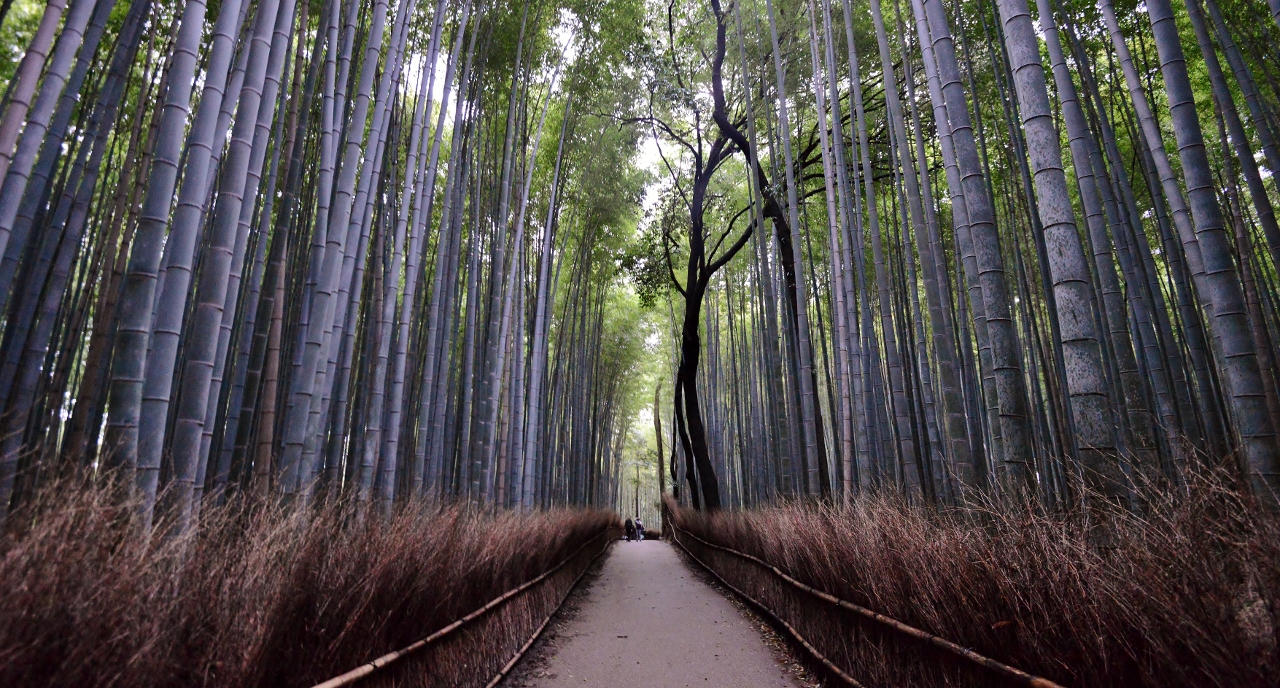
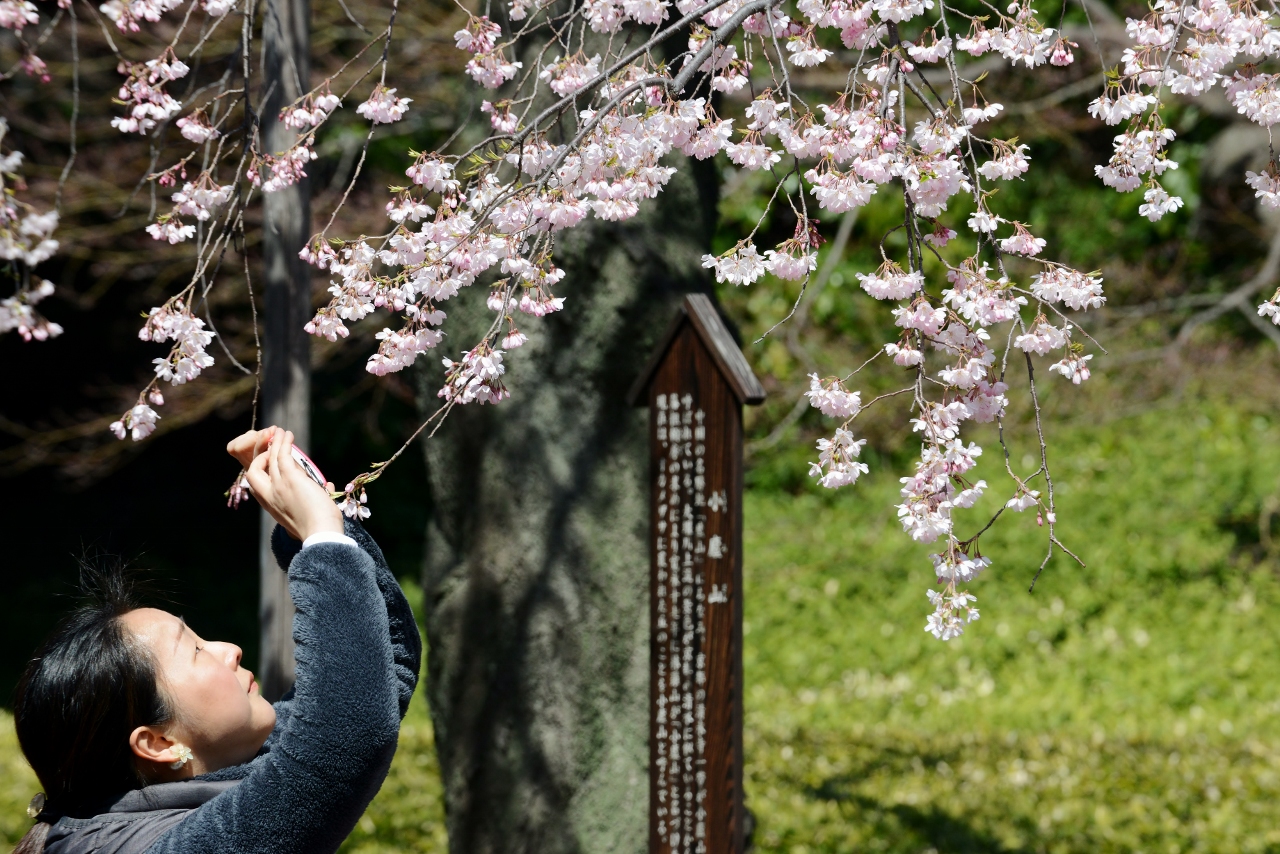
Kyoto is the religious / cultural center of Japan. There are many temples and shrines all over the city. We spent two days in Kyoto and saw just a handful, I think it’d take months to visit all. We visited on the weekend so the place was wall to wall tourists. Even though it was busy it was still very fun to see everyone enjoying the temples, the blossoms, and see all the people walking around in their traditional Japanese clothes.

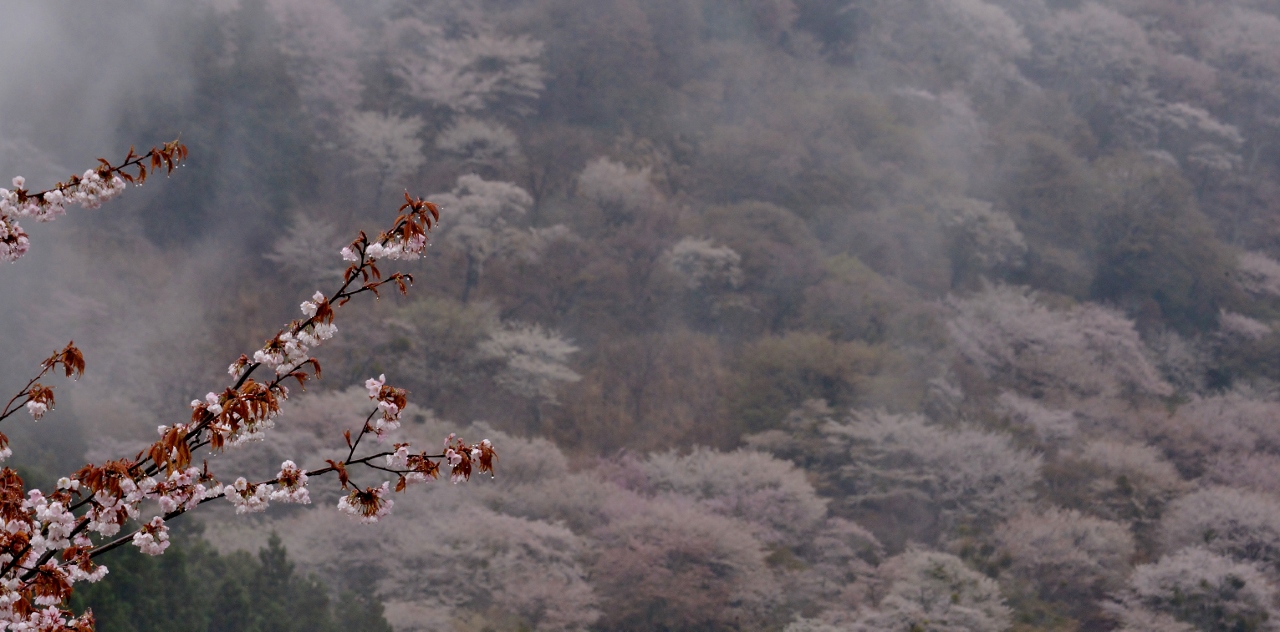
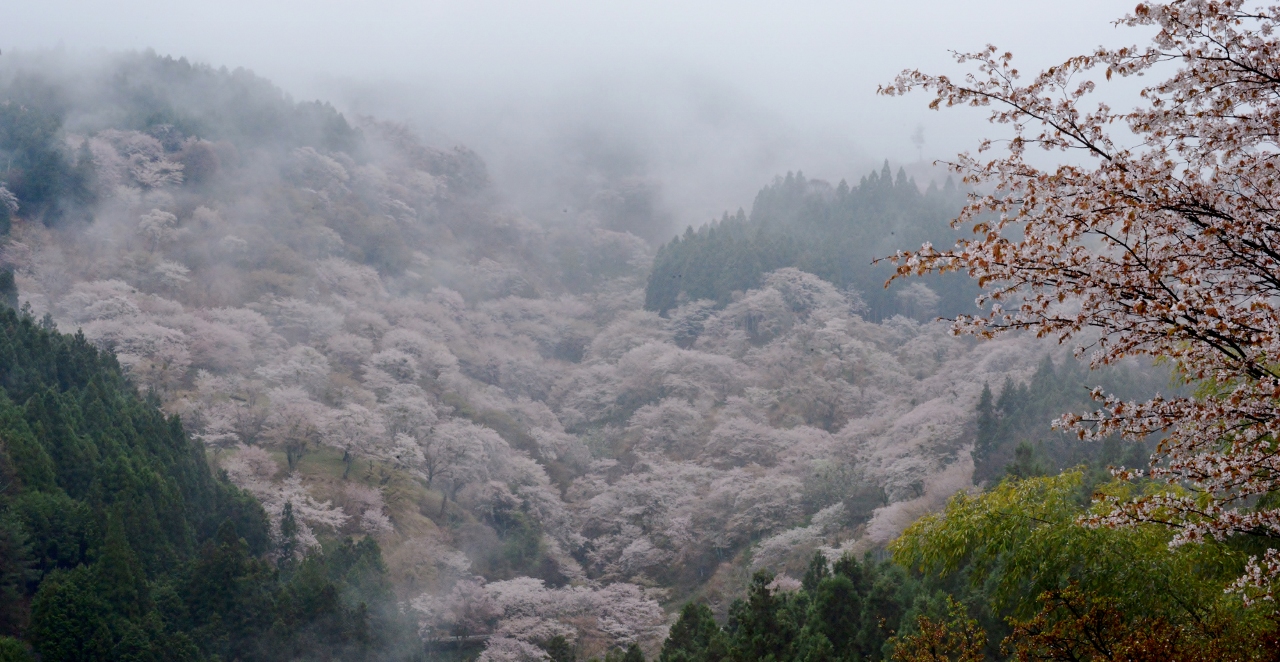
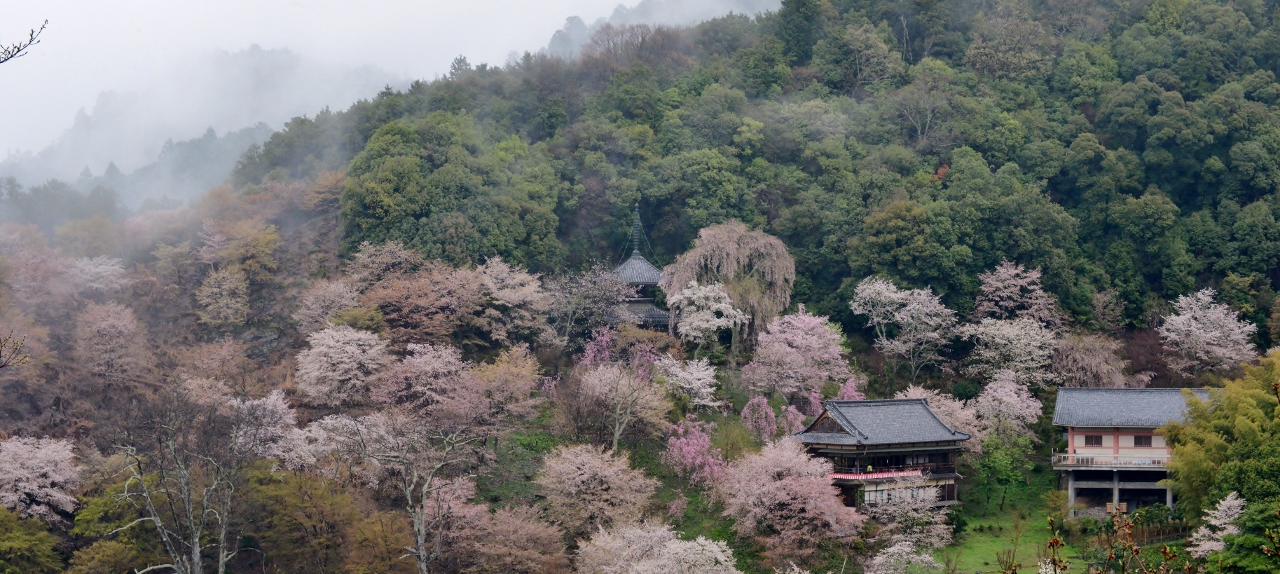
We took a day trip out of Osaka to Yoshino to visit a forest of cherry trees. There’s something like 2,000 cherry trees in the small valley area. We were fortunate enough to have the weather break-up enough to see the valley lined with cherry trees in bloom. Even though it was cold and rainy it was amazing! Well worth the three hour train ride each way.

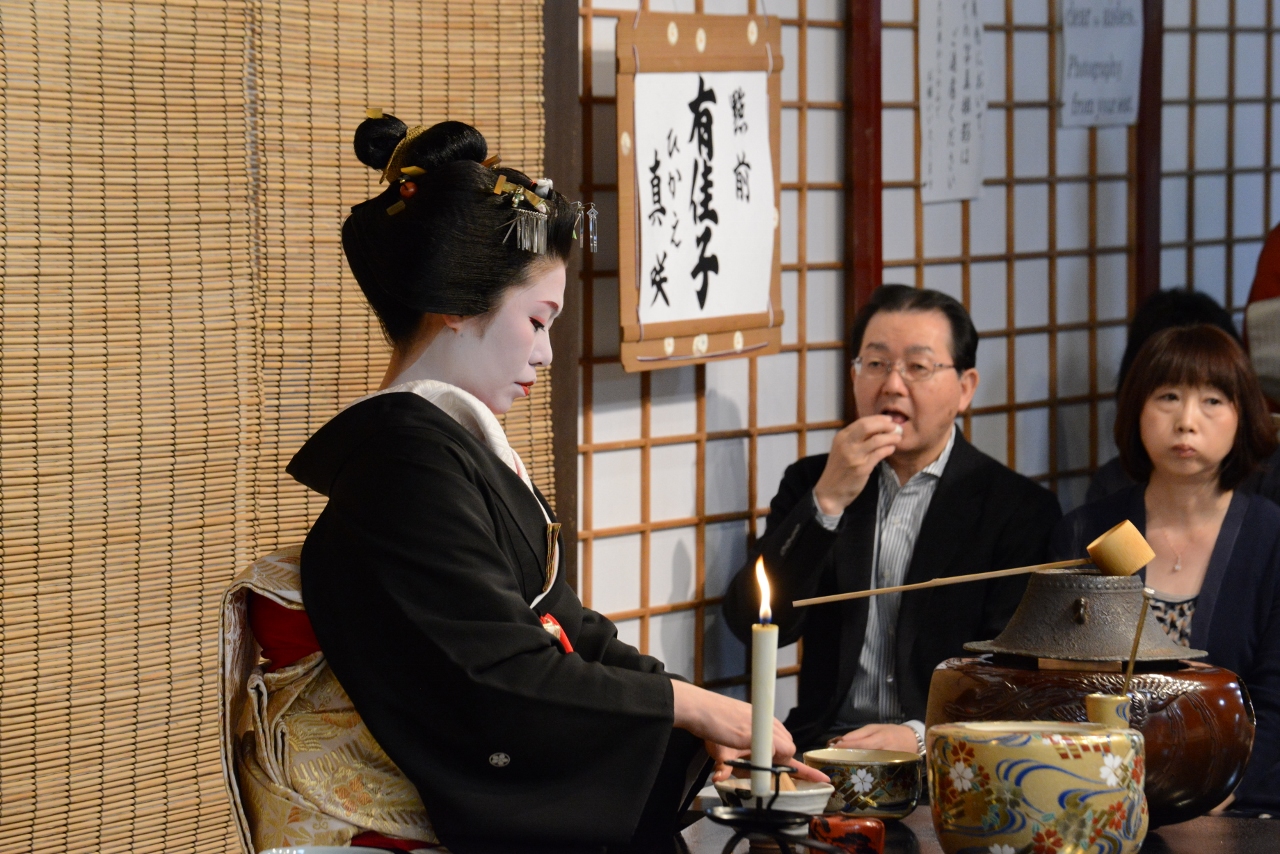
We went to a Geisha show / musical that was a rather interesting cultural experience. I didn’t really know what to expect and I left a bit flummoxed. The costumes were very pretty but we had no idea what was going on during the show since it was in Japanese. It was a lot like Chinese opera but it neither sucked nor did it hurt my ears. Overall, it was a pretty neat experience and I think I’d go again but I’m not sure.

We’ve found more helpful and kind people along the way. I have two great examples: first, as I mentioned, the weather hasn’t been great, so our host ended up getting us a gift of fancy jello (not kidding) as a condolence. I didn’t realize it until that moment but surprise jello is always great and welcomed! Second, it’s hard for us to find places in Japan because street names and addresses usually aren’t posted and a lot of the time Google Maps will have businesses in the wrong location so it’s the worst of both worlds. We depend a lot more our hosts to help us find addresses and routing. One of our camera lenses gave it up to the gods so I started looking online for a store we could visit near us but quickly gave up. I emailed our host and told her that we were looking for a specific lens and about how much it should cost. In very short order she found a store in her little city, she sent a message with the location resolvable in Google Maps, she had called the store and verified they had the lens in inventory, she shared the price and wanted to know if she should call them back to hold the lens for us. Talk about service!

Traveling around Japan and being a tourist in Japan is probably the greatest thing ever. It’s quiet everywhere so we can sightsee in peace even when there are large crowds, people are incredibly courteous so people aren’t cutting in line or barging around the place, everything is on time, there are no scammers, prices are exactly as advertised with no bait&switch, things are very good values, locals are incredibly tolerant of tourist doing stupid things (as we know from the stupid things we’ve done), and when we need help there’s always plenty of people to help us. It is spectacular. We love it. We are sad we are leaving in about three days

Enjoy the photos!

Chris W.


Tokyo 2015

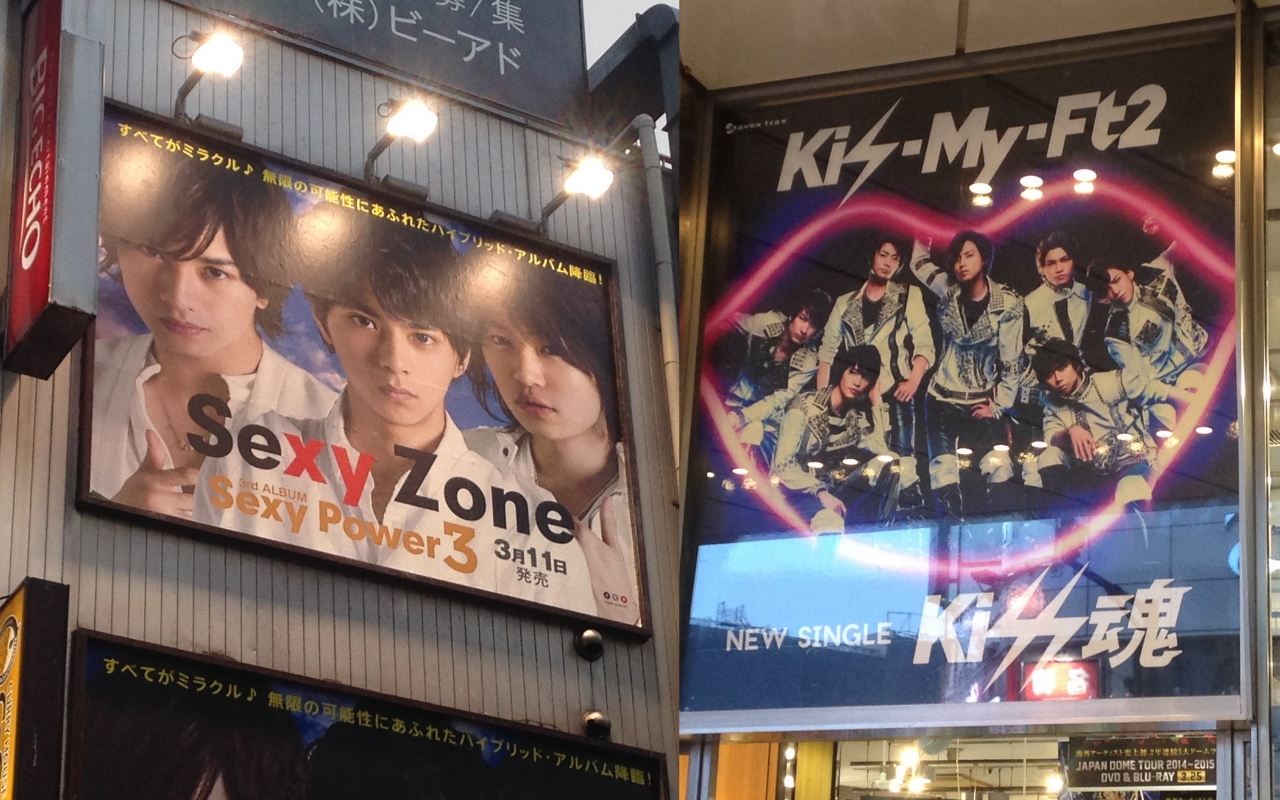
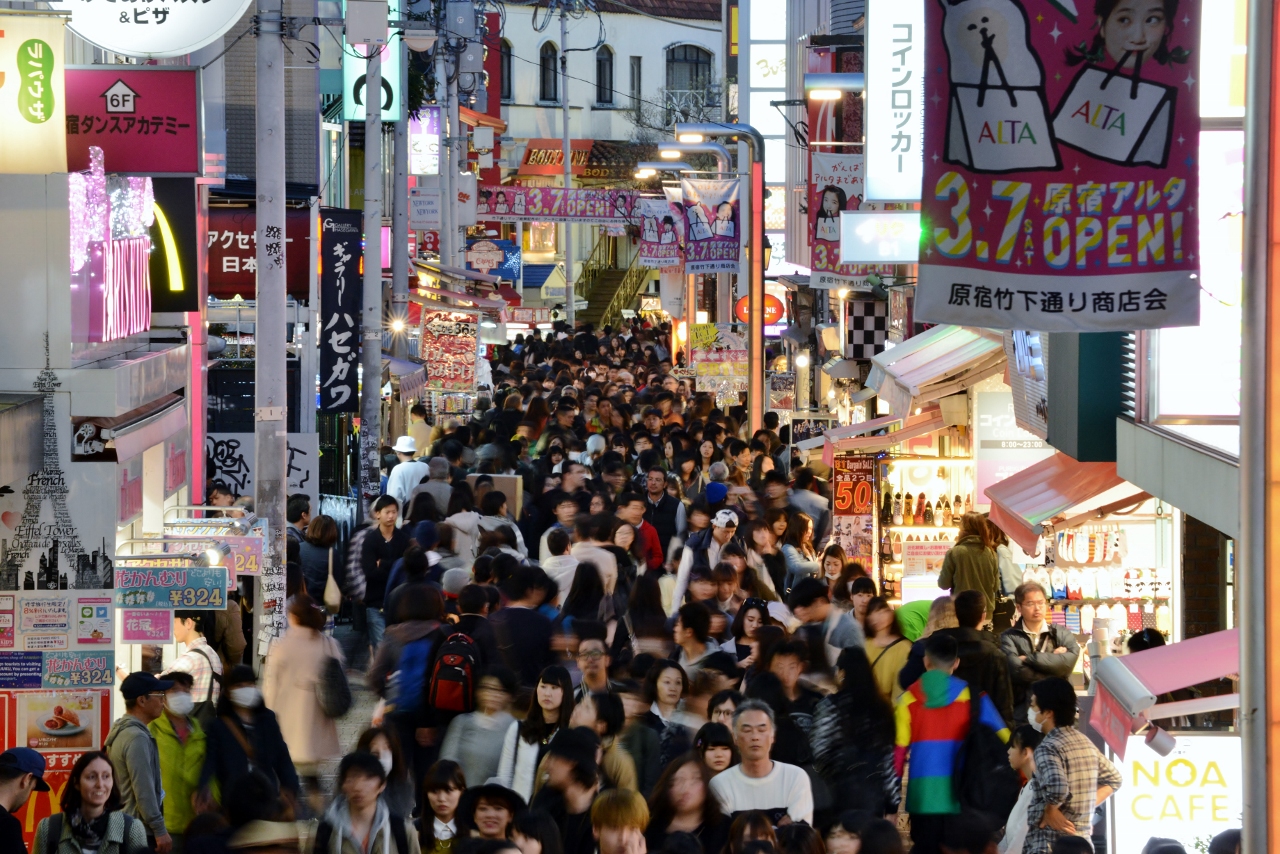
Tokyo, holy crap, Tokyo. Whatever expectations we had of Tokyo and Japan before we arrive were completely shattered. No guide had prepared us for our experiences so far, let alone the first half hour in the country. We’ve been in Tokyo for about five days and will be traveling around the country for the next 15 to see the cherry blossoms bloom. Yes, we did travel a quarter of the way around the world to see cherry blossoms. Last year, we were lucky enough to see the cherry blossoms in Washington DC and we wanted to see the grandest cherry blossom bloom in the world ever since.

We noticed immediately that Japan is completely different than anything we’ve experienced before. It started with the eerie quiet soon after we left the airplane. Japan is an incredibly quiet place; Jacquelyn and I find ourselves whispering most of the time simply because it is so quiet everywhere – subways, streets, stores, our apartment, everywhere. The places that are normally loud elsewhere in the world are stunningly quiet. The place we are renting has neighbors surrounding us on all sides but one yet I haven’t heard a peep. It’s so quiet I’m not sure anyone lives next to our apartment.

The next thing we noticed was that Japanese people are incredible helpful in a surprisingly assertive way. About 30seconds after looking at a subway map a woman assertively asked us where we were going. Luckily, we were going the same way so she helped us along. Then, shortly after getting off the subway we realized we were lost so we took out the map and looked around. Another 30seconds later a random person assertively asked us where we were going and if she could help. It was shocking, it was super helpful, and it was awesome. We’ve never had this type of experience anywhere in the world.

The next thing we noticed is the Japanese people are incredibly considerate and kind. I actually pay attention to where I walk because people will stop to let me pass even if I am the one crossing their path and disrupting their walk. This is very different than pretty much everywhere in Asia where I used my size to plow through crowds of people because no one gets out of the way. Japan is very photography friendly – put a camera up and people will find a way to walk behind the camera, duck, or just wait. It’s crazy.

There’s formalities for everything. For example, money isn’t handed to a cashier but the customer puts the money on a tray for the cashier to pick up. There’s also a process for saying thanks, bowing, accepting thanks, and I have no clue how it works. We were walking around a park and I saw an elderly man fall (his shoe broke and he took a tumble) so I spent some time helping him up and getting him back to his handlers so he could be wheeled out of the park. Later, his wife found me and said a whole lot of Japanese to me ending in “arigato”, which is thanks, and bowed. Not knowing what to do, I said “arigato” and bowed back. She then repeated what she said and bowed again. Once again, not knowing what to do, I said “arigato” and bowed. This repeated FIVE TIMES before I figured out that this poor lady was trapped so long as I kept saying arigato and bowing back. I’m not a fast learner.

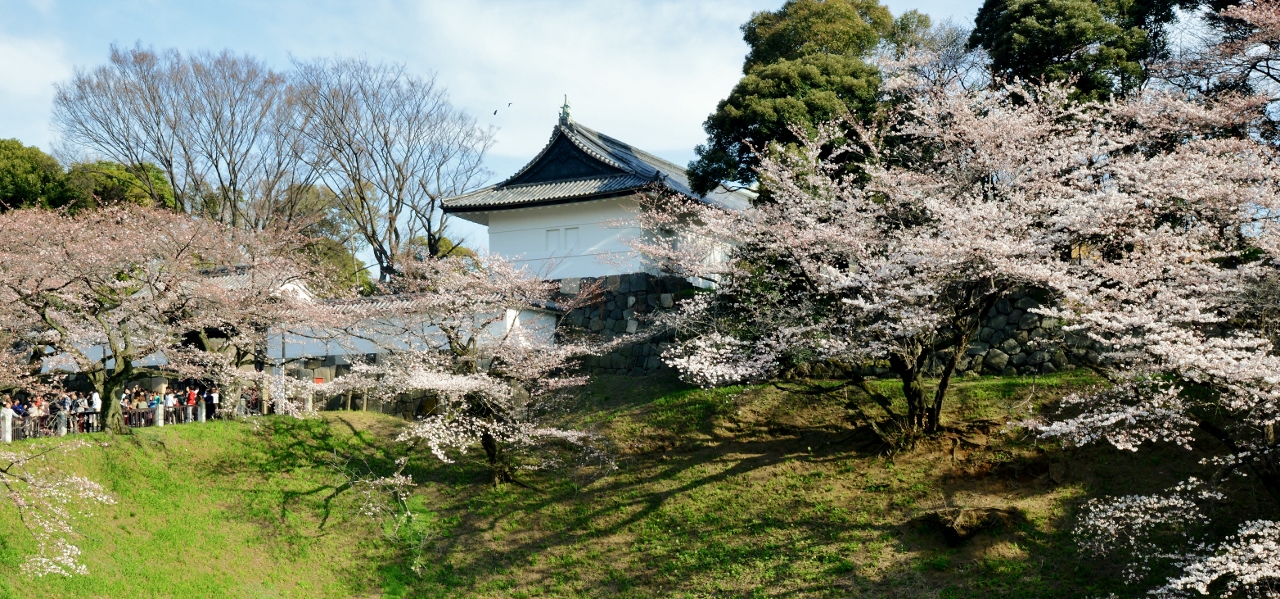
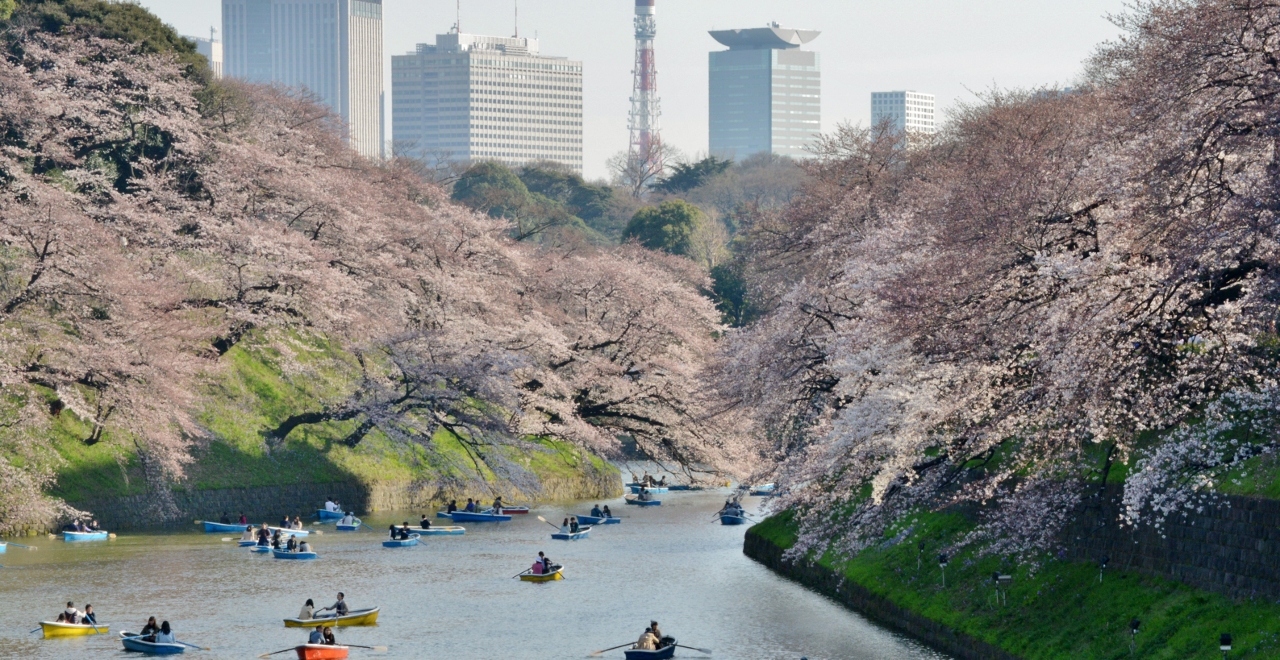
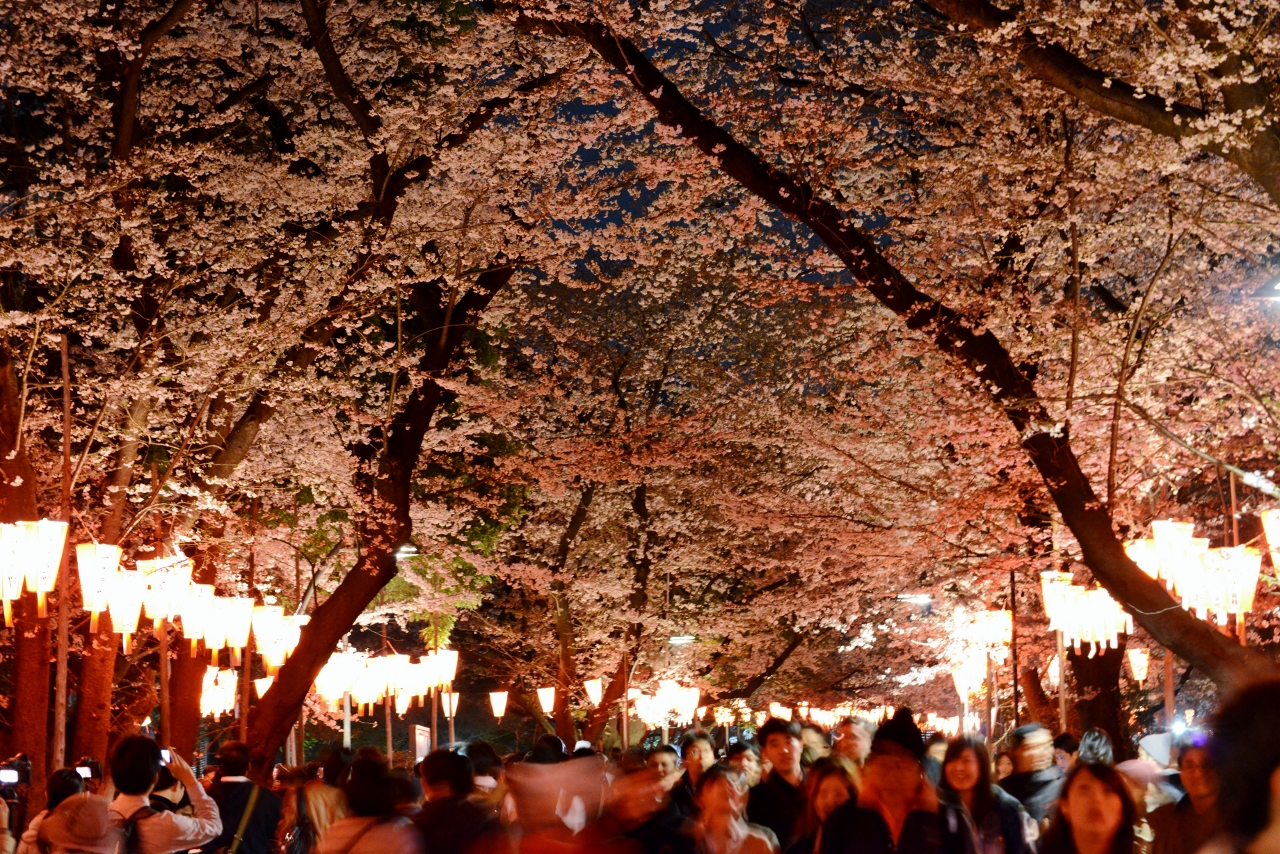
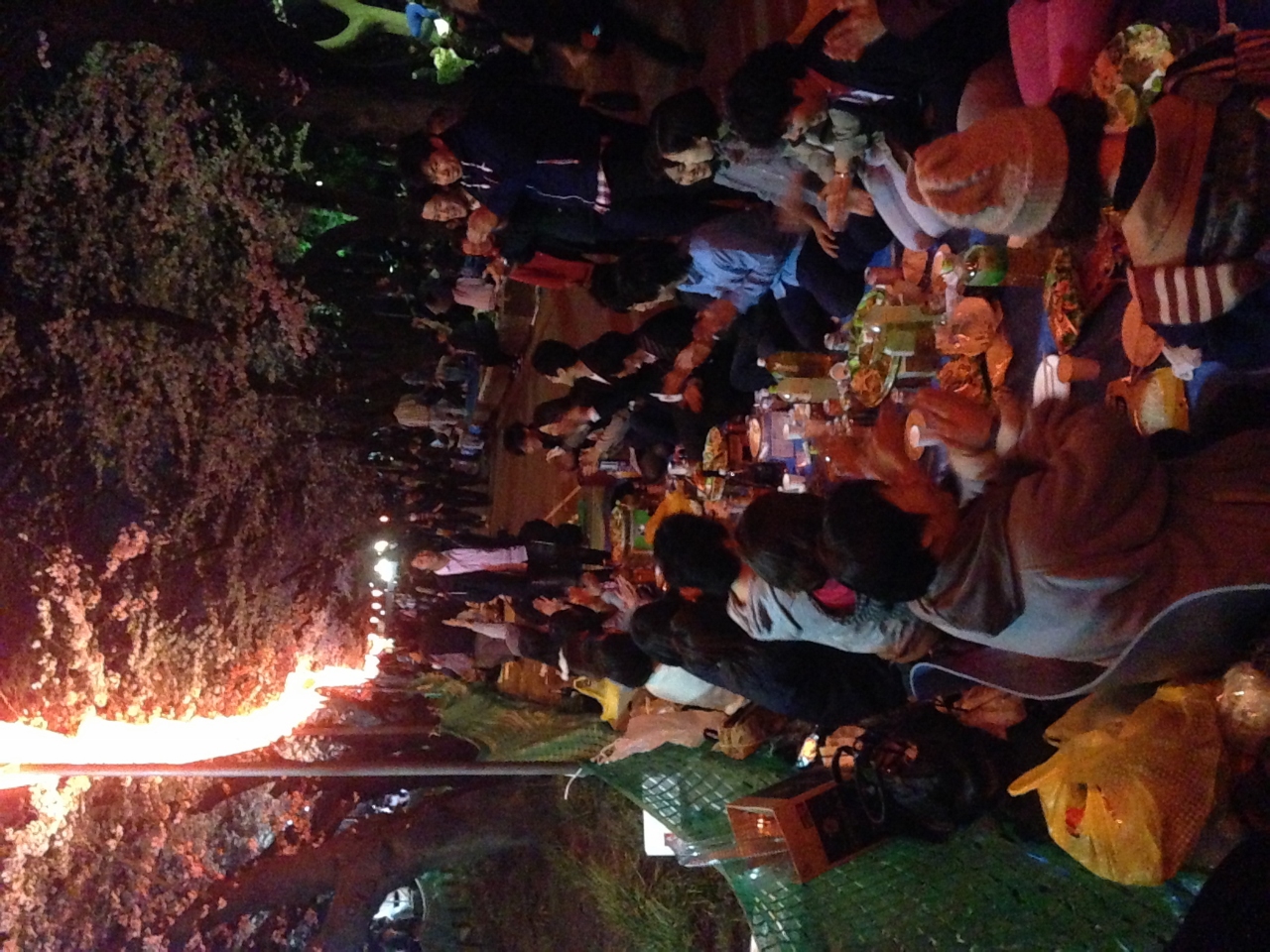
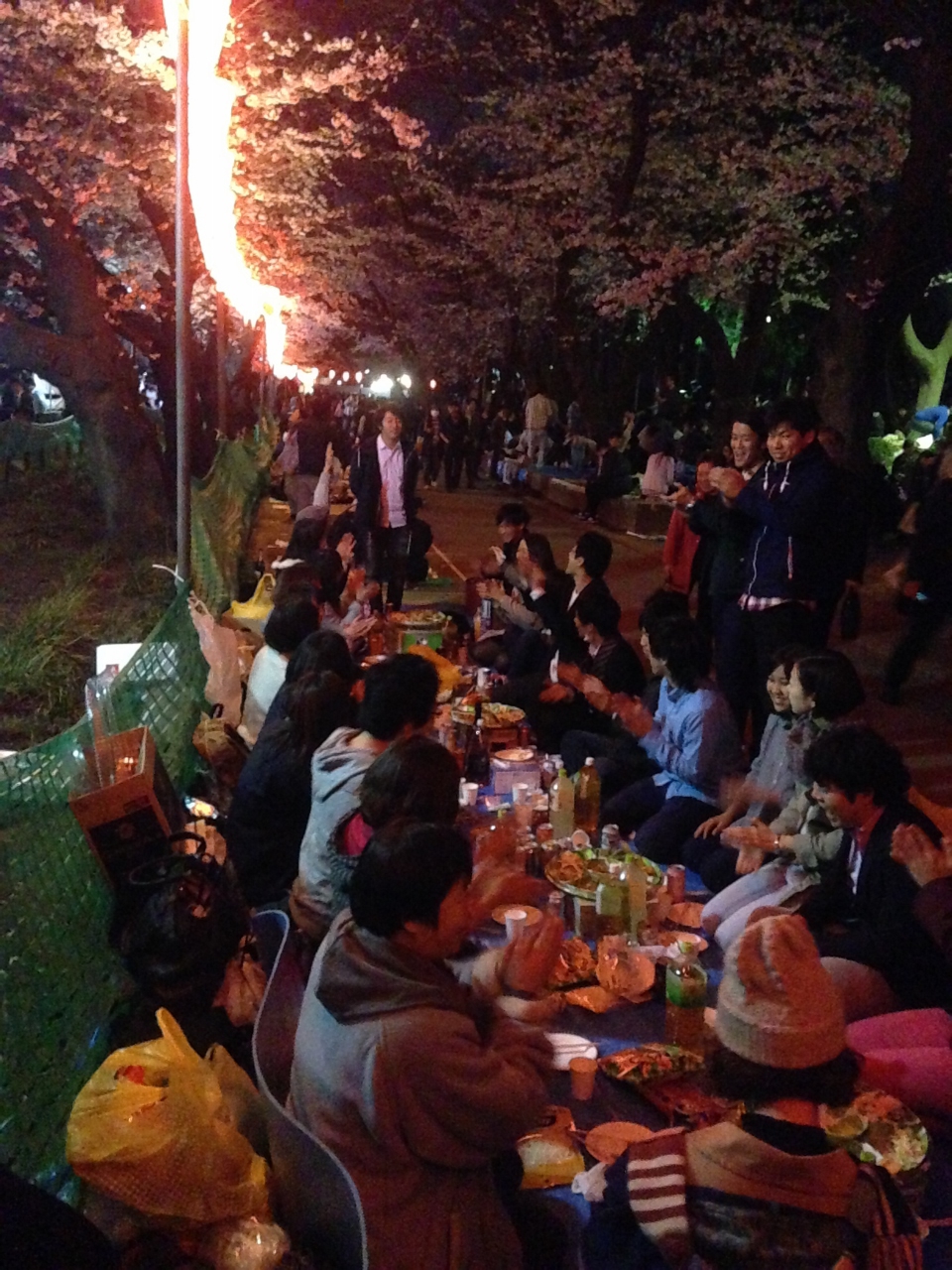
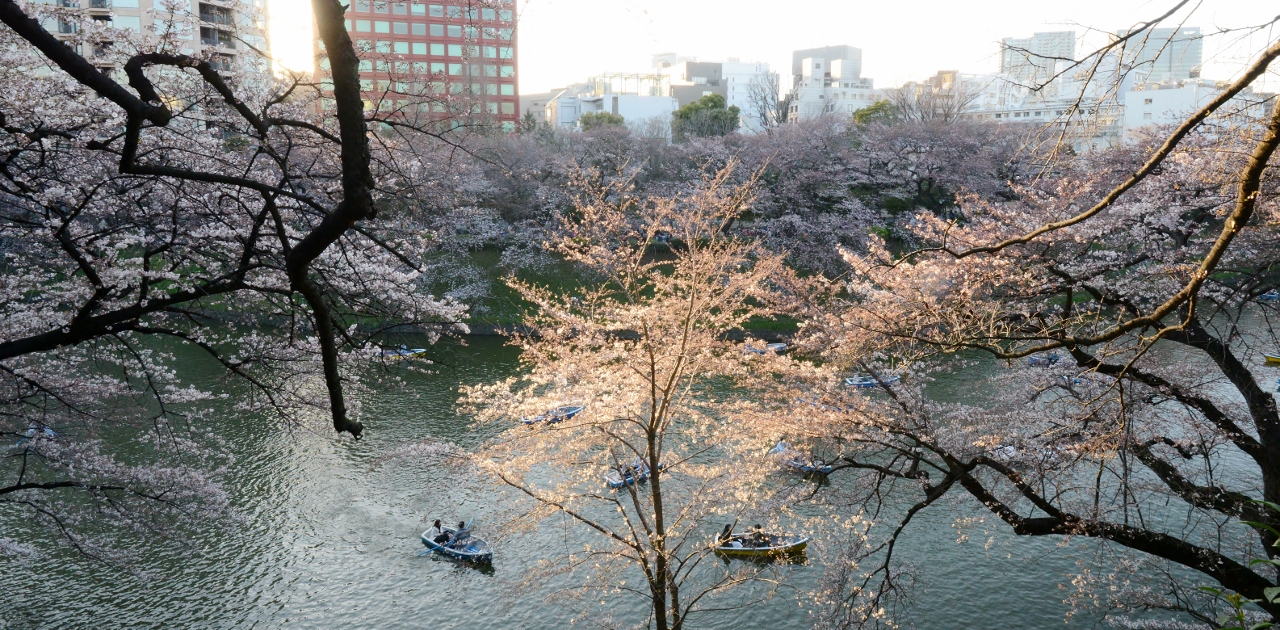
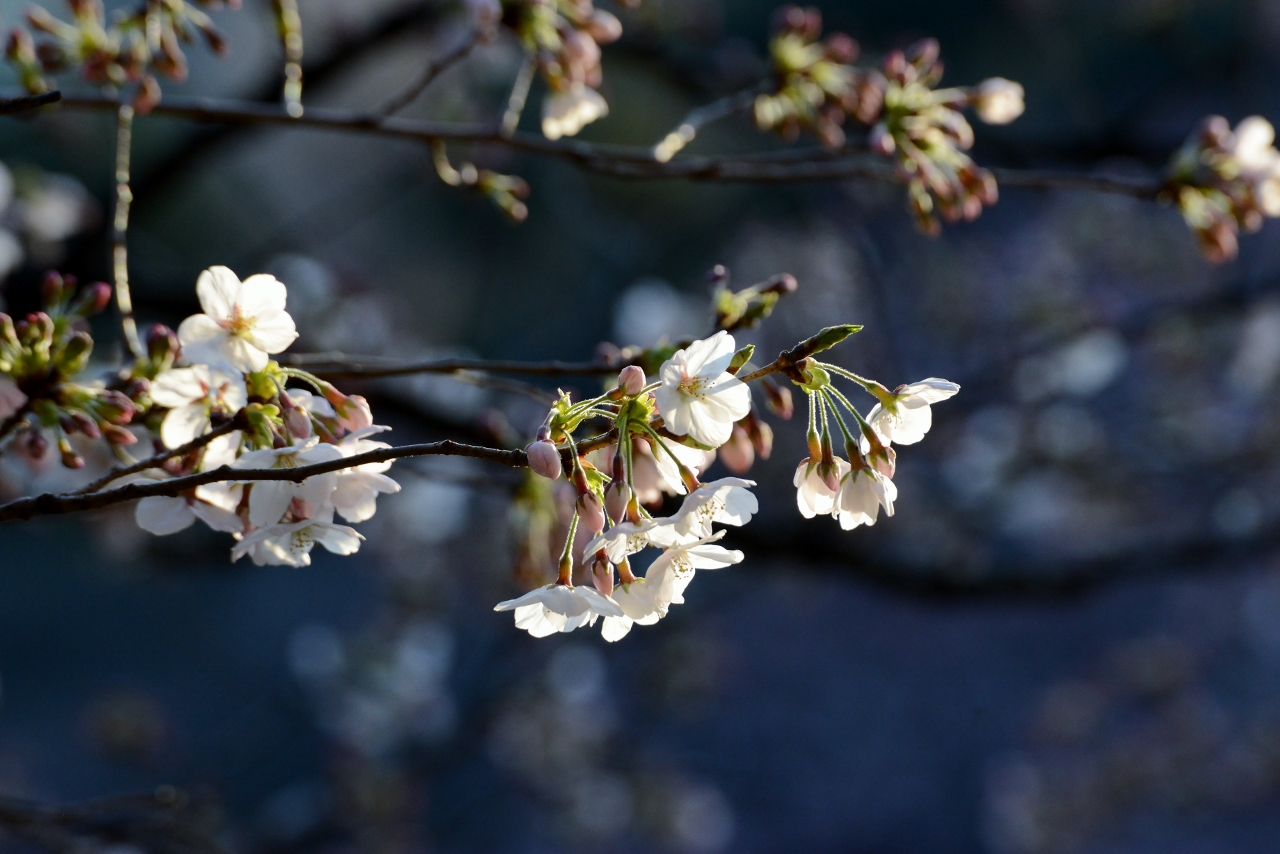
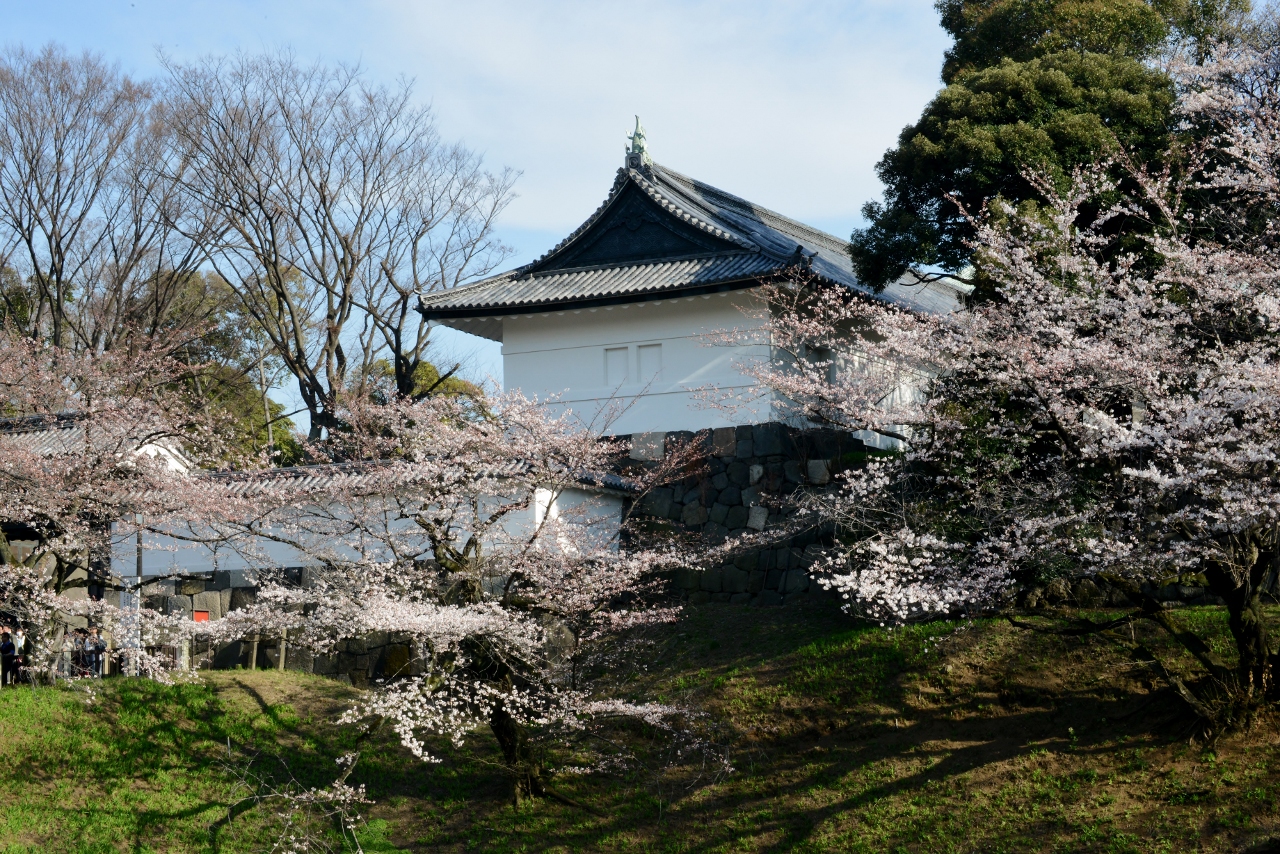
The cherry blossoms are stellar. They are all over the city and we’ve been to quite a few parks and even visited a park which lights them up at night. It’s beautiful. We’re very fortunate we arrived in time to see the cherry blossoms. We are really looking forward to seeing the cherry blossoms bloom as we travel across the country!

We are about 1/3rd of the way through our visit in Japan. We’re hoping the rest of the trip is going to be just as amazing as the first part.

I put photos into two albums: one that’s a short 12 photo summary of Tokyo. The other is all the photos from Tokyo which includes a TON of cherry blossom photos. Unless you really like cherry blossom photos, I’d skip it.

Enjoy the photos!

Chris W.
Small album below:

Large album below:


New Zealand 2015

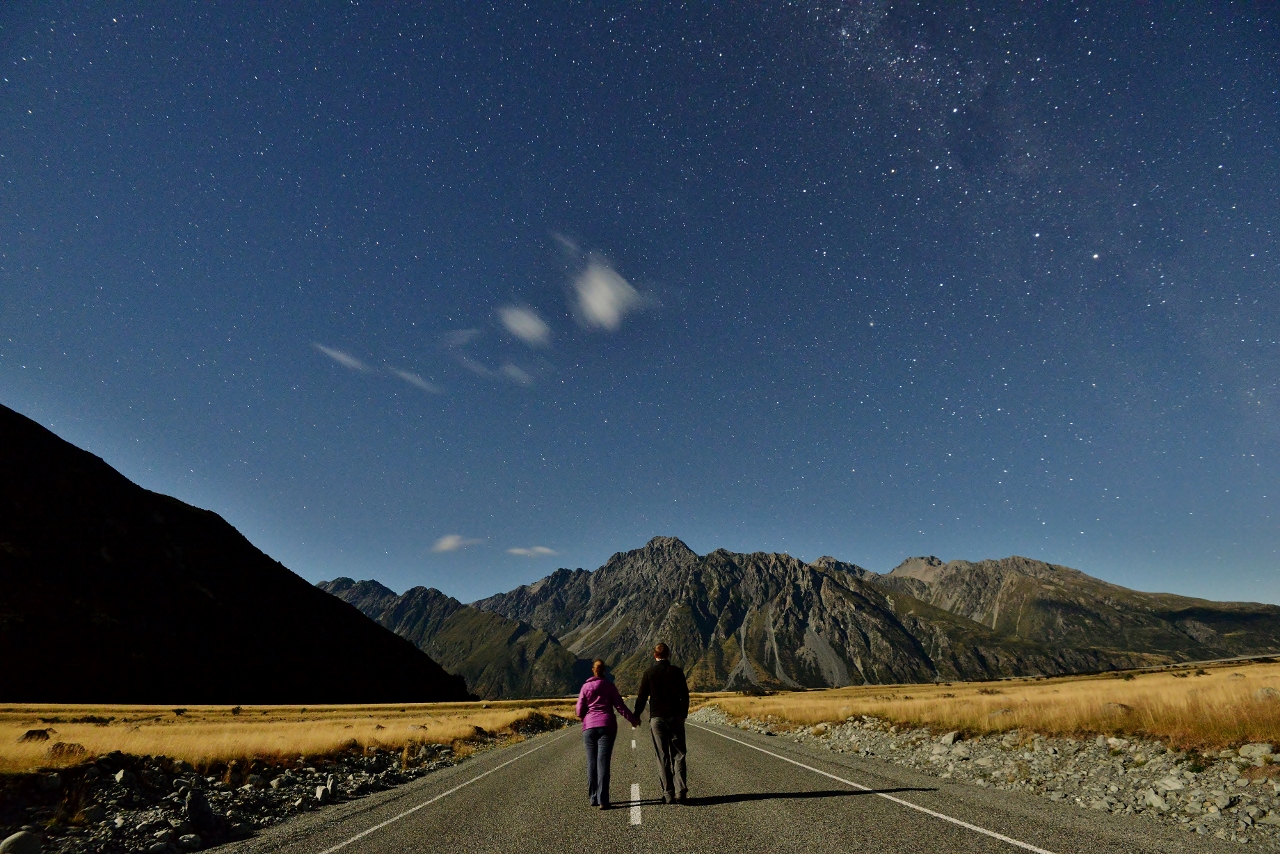
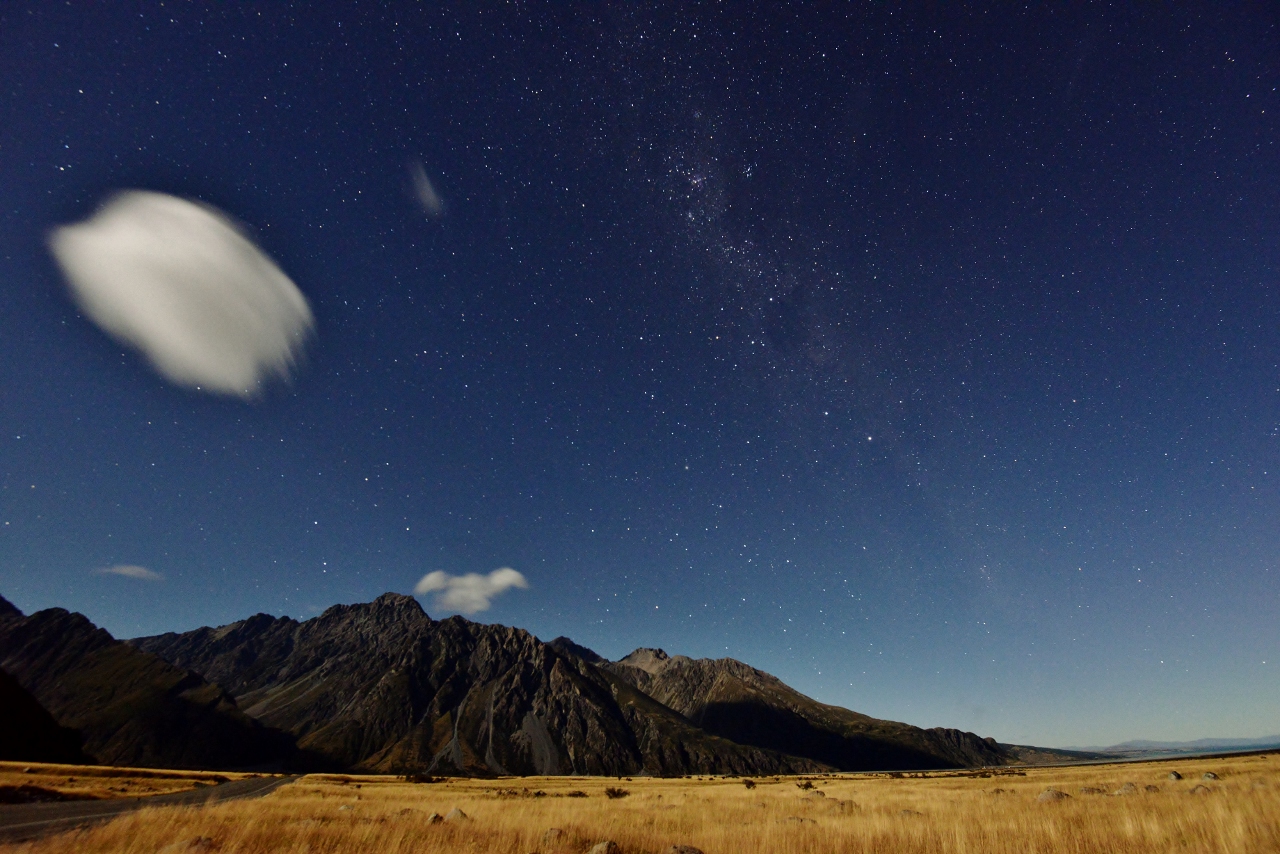
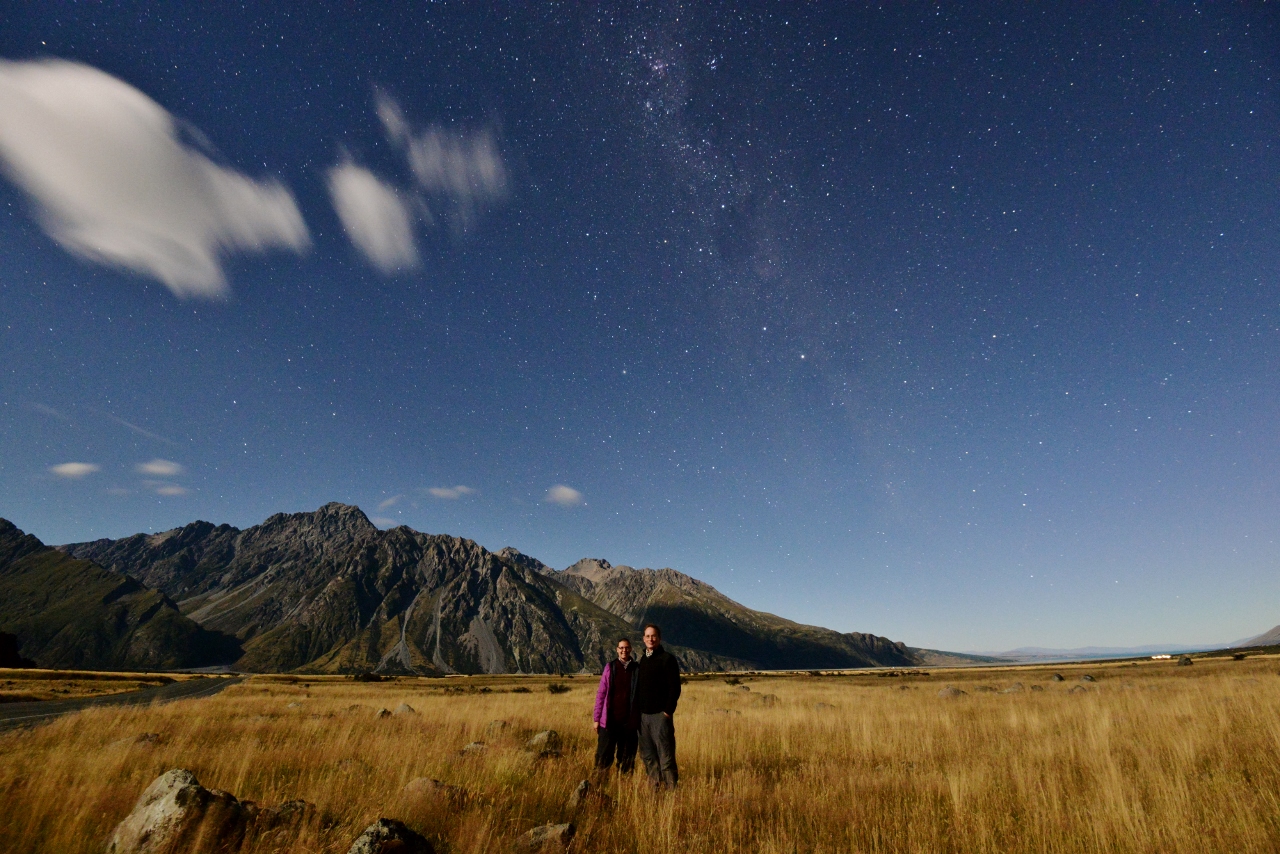
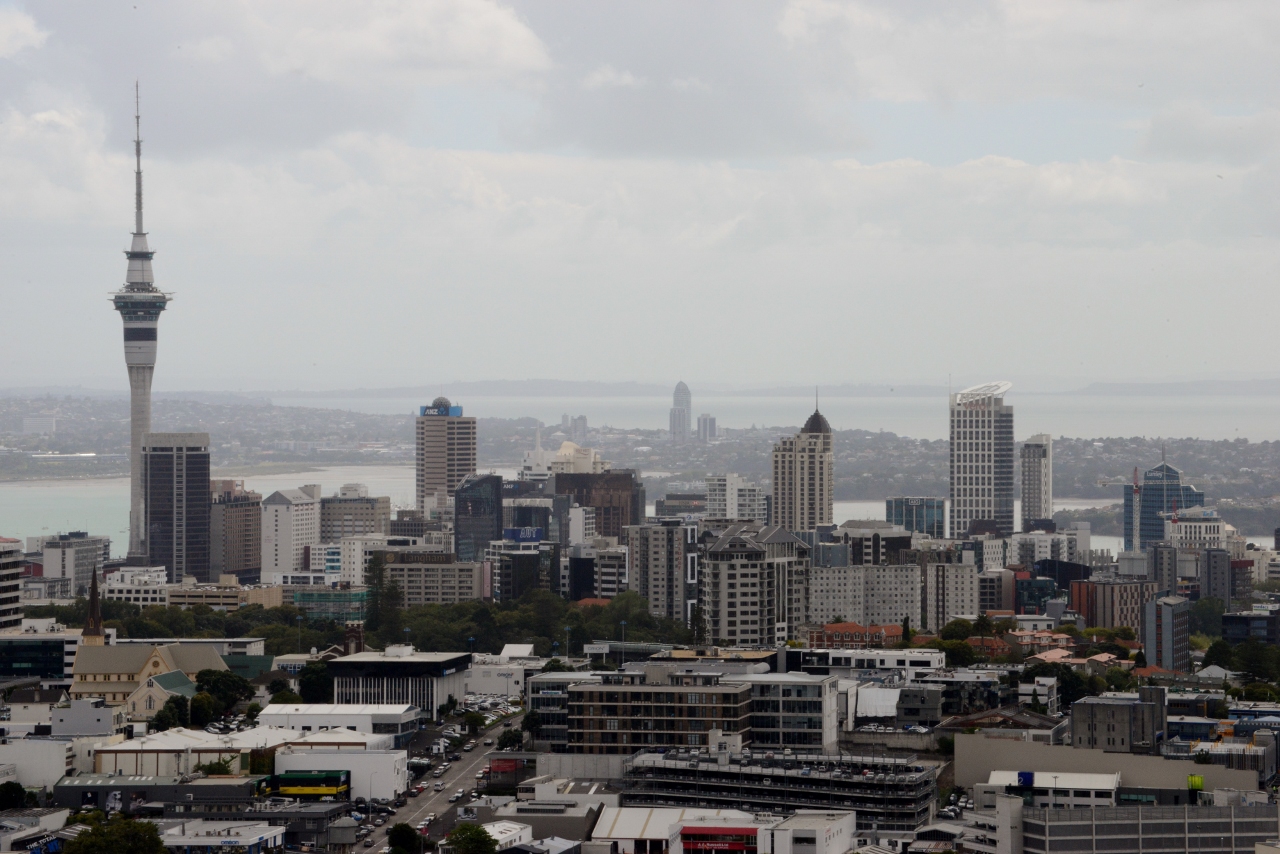
New Zealand was OK. We ended up spending two weeks on the rainy southern island and a week on the north island where were introduced to Cyclone Pam. I guess what I’m trying to say is that the weather wasn’t great during the three weeks we were there and the good luck we’ve had with weather for the last six months ran out. We had planned on spending a great deal of time outdoors and hiking but were typically relegated to the indoors due to crap weather. The parts of New Zealand we did see were fairly pretty and we did manage to find some neat things to do.

New Zealand is an odd place: incomes aren’t all that high yet things are extremely expensive or exceptionally poor values, nothing is really that close together (we put 2,000mi on our rental) yet driving is pretty much the best way to get around, kiwi’s speak English yet they have really funny accents, everyone we met is OK with living in a very geologically active country where they could easily be wiped off the face of the earth, and there are tourists everywhere – about 3million people visit New Zealand, a country with a population of 4.4million. Tourist fatigue was very pervasive.

I think the word indifferent best describes our interactions with most New Zealanders. We haven’t run into this too often on our travels but it was surprising. If I were to guess it’s simply because of the sheer number of tourists that inundate their little islands – tourists are everywhere at all times. We had a pretty hilarious interaction with a New Zealand couple we met through Airbnb: they stated that they “really liked America and Americans” and when I asked why I found out it’s because “Americans are stuffy and so full of themselves”. I wasn’t sure how to take that.

Things, in general, were a pretty poor value. We can handle expensive, that’s not a problem. Poor value is different. Fuel was about $6/gal, food was insanely expensive and lodging, in most places, was the most we’ve ever paid. It was mind blowing to me that we stayed in a place that was $135/night and they didn’t provide WiFi or even change our sheets! We had arranged other tours and activities, like flightseeing, but ended up cancelling them because we were so underwhelmed with what we saw and experienced in New Zealand; we were done giving the country money.

There were three great experiences that really stood out. First was when we were in a lake and the bottom of the lake was heated by the thermal activity in the area. We sunk our feet into the sand and had a free spa day. I felt fabulous. Second was when we met an super cool family through Airbnb. They happily showed us around, brought us to their favorite fish and chips place and gave us some great advice on where to visit. The last awesome experience occurred on our last night in New Zealand when we met Jacquelyn’s relatives who moved to New Zealand from the US back in the early 80s; we had an awesome chat and learned about their unique perspective of New Zealand. It was great to end our time in New Zealand on a high note.

So, overall, I don’t think we’d rush back to New Zealand. We didn’t find any reason to travel half way around the world to see New Zealand; we’ve been other places that have similar landscapes that have better weather and better value for the money.

Enjoy the photos!

Chris W.
Australia 2015

Our expectations of Australia were blown out of the water, it was awesome. We didn’t see much, just visited between Brisbane and Sydney which is a similar distance as Boston and Washington DC. Australia is the first developed country we have visited in about three months and, unlike last time, it wasn’t quite as large of a shock for us visiting a developed nation. We had some amazing hosts, met some incredible people, did/ate/drank quintessential Australian things, and had some great walks in rainforests. There were only two downsides: all the poisonous / venomous plants and animals, and the absolutely craptacular internet and cell reception throughout the small part of country we visited.

We didn’t do a great deal of research on Australia before we showed up. Since the place was settled by convicts we thought, naturally, that it wouldn’t be that great. We thought it was filled with poisonous and deadly animals / plants, lots of dirt, dry, with tumbleweeds rolling around and an opera house near some water somewhere. Except for the deadly plants and animals, we were wrong. It was wonderful to get out into the country and have some peace and quiet far from other people after being in Asia / Indian subcontient for so long. We had forgotten what clean forests, clean air and quiet were. The national parks provided great walks and stunning views.

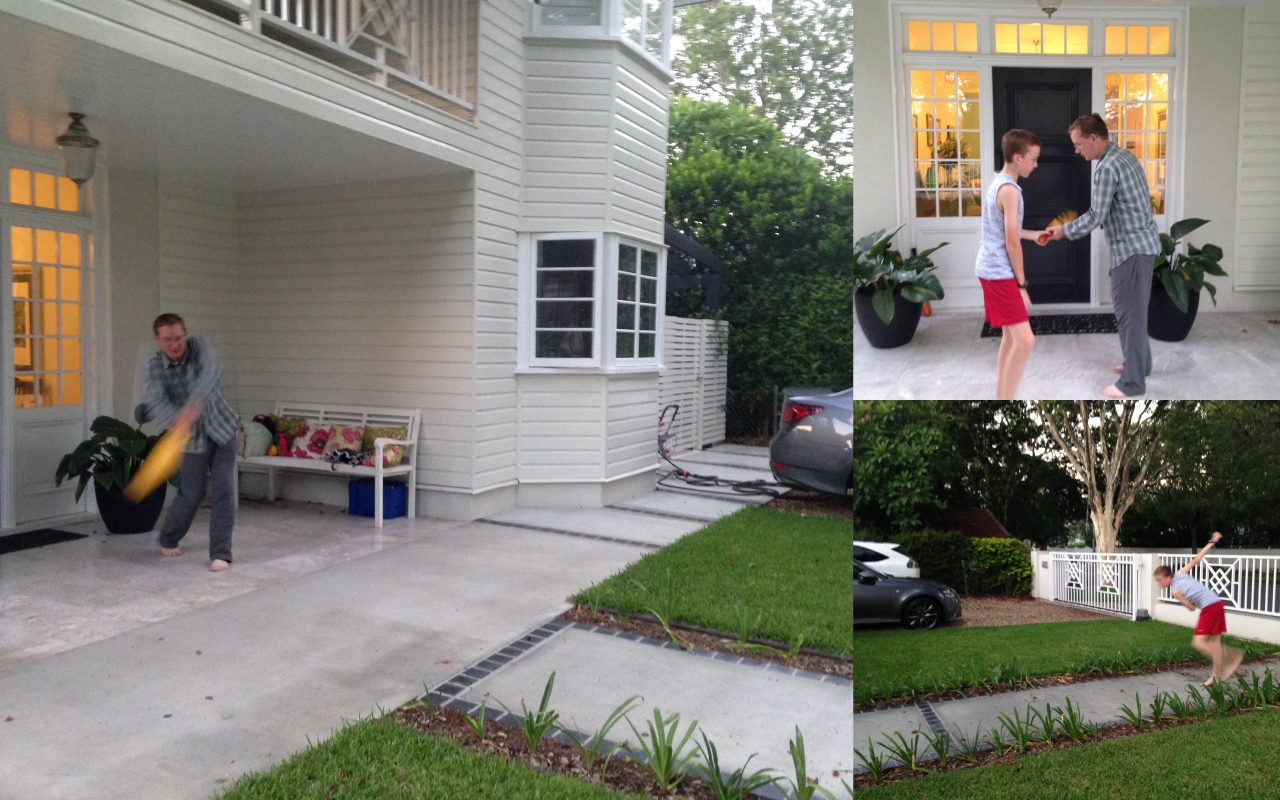
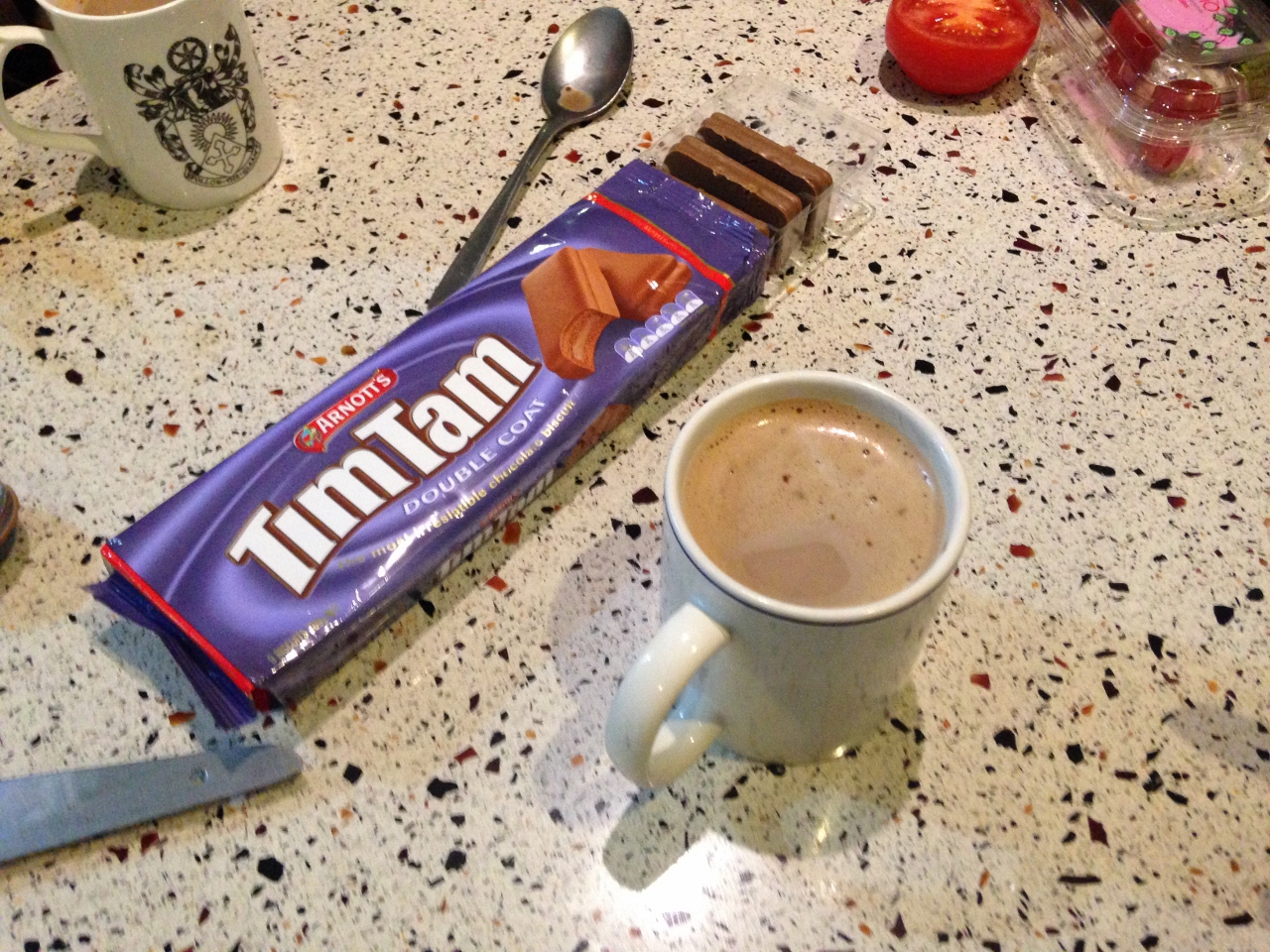
We were introduced to the amazing hospitality and generosity of Australians, it was next-level hospitality that I didn’t realize could exist. It’s like “Minnesota nice” except Australians are actually nice, mean what they say, and happily invited Jacquelyn and I into their lives! We were able to catch up with two families we met while traveling in Turkey and Vietnam and even stayed three days with one family; none of them batted an eye at meeting or hosting us. It was a deeply enriching experience for us because we were able to learn a lot about Australia and Australian culture. We learned a lot of “Australian”, definitely not English, but “Australian”, from the families. We were able to eat and do all sorts of Australian things: eat kangaroo, do the Tim Tam Slam, ate pavlova, learned how to play cricket from a very good teacher, watched a ruby game and learned how it was played, hiked in at least two different types of rainforest, drank all sorts of Australian beers and wines, called someone “mate” and learn some derogatory Australian phrases. It was great!

We had a few comical things happen to us pretty quickly in Australia: 1) We came across a venomous snake 15minutes into our very first hike. Jacquelyn hates snakes. That was the first of about eight hikes we had planned. We were off to a bad start. 2) the first meal we ordered were french fries and an apple crumble – so healthy! It’s easy to get fries and pastries in lesser developed countries but they are generally crap. It was nice to have good junk food! 3) We were missing Vietnamese food and found a Vietnamese restaurant that was recommended to us by some locals. Soon after we ate we both came down with the runs!

We had a rental car and it was the first time I drove in the last five months. I’m getting used to driving on the wrong side of the road since every vehicle I’ve driven, outside our first week of travel, has been on the wrong side of the road. Kangaroos ended up being quite the road hazard out in the bush so we took it slow. Thankfully, the Australians were some of the most polite drivers we’ve been around.

There is a lot to like about Australia but mostly we were shocked by how awesome the people where. It was no big deal for Australians to take a significant amount of time and money to teach us about their country and shows us the things they love. Truly a remarkable thing. With the awesome people and great scenery, I can understand why so many people want to move to Australia!

Enjoy the photos!

Chris W.
Vietnam 2015

Vietnam, just amazing.
Vietnam wasn’t even a consideration when we set out on our trip, it was a country we didn’t particularly care to visit because it was small and we didn’t think there was much to see. We really didn’t have high expectations for our visit and would have never guessed we would spend 22 days in the country. We flew in to Ho Chi Minh City (Saigon) and worked our way north to Hanoi stopping about ½ way up near the old DMZ in the Vietnam War. Throughout the entire journey we found amazing people, incredible food, wonderful activities, and learned a lot about the war.

Backing up a little bit it’s important to point out how the Vietnamese culture developed because it’s a hodgepodge and phenomenally interesting. The Chinese had ruled the Vietnam area for quite a number of centuries so the cultural was similar to China. During this time lots of trade occurred and outsiders, like the Japanese, settled in the trading areas. After the Chinese there was a period of self rule until the French showed up in the late 1800s and Vietnam became part of French Indochina including Laos, Cambodia and Vietnam. The Japanese rolled in during WWII and didn’t leave until 1945. The French restored their colony after WWII and didn’t leave until suffering a humiliating military defeat at Dien Bien Phu at the hands of the Vietnamese Communists. Shortly after the French left the Americans showed up until the powers-that-be decided to strategically advance out of Vietnam in 1973. In 1975, after a very long time being ruled by other groups, the North Vietnamese overthrew the South Vietnamese government and reunified the country. After reunification the country was pretty well closed to outsiders until the mid 1990s so the ‘Vietnamese way of life and traditions’ still exists in a lot of places. Overwhelmingly, the people we met want a bigger, better, Vietnam and they want a representative government.

There is a reason why the history is important: the food is incredible. It’s like all the best things from the different groups thrown into one rather small country. Baguettes are the defacto bread in Vietnam and they know how to make amazing baguettes. The locals also picked up how to make some incredible cakes and other confectionaries from the French. Rolls, mildly spicy dishes, soup dishes, fresh noodles, all influenced from China and Japan are amazing. The area of Hue, in the middle of the country, is known for incredible food because it was the home of the royal family and people from all over Vietnam came to cook their special food for the king.  Since Vietnam didn’t really open up until the mid to late 90s and there’s very few foreign chains like Starbucks and McDonalds and there’s still a very strong tradition of making amazing food at rock bottom prices; it is hard to get a bad meal.

Looking around a crowd of people is super easy to pick out young and older folks based on height alone. During and slightly after the Vietnam War there wasn’t a whole lot for food so people didn’t get their essential vitamins and minerals to grow. In the Cu Chi Tunnel area near Ho Chi Minh City, a place bombed into a oblivion for decades straight, a lot of residents ate tapioca root because it grew fast and could be a filling meal. While visiting the tunnels, we tried tapioca root and it sucked. I can’t imagine living for years eating the stuff. Our guide told us the only time they’d get meat is when they’d capture an American war dog. One of our tour guides in the DMZ area was in his 60s, lived near the DMZ is whole life and spoke about what the war was like when he was younger. He was about four feet tall. Now, it’s common to see younger folks who are around my height. During our tour of the DMZ we had a driver who spoke decent English, grew up in South Vietnam and his family was in the service of the royal family until the royal family left. When our official tour guide wasn’t around the driver would say things like, “that’s not true”, “that never happened”, “the NVA blew that up, not the Americans”, and so on. It was hilarious!

There are signs of war all over the country still. From bomb craters to museums with old US war hardware, one doesn’t need to look far to see the remains of the war. We took a cooking class outside Ho Chi Minh City and our chef pointed out a B-52 bomb crater that wasn’t far from the farm house. He said that he was very happy the bomb crater was there because the monsoon brings floods and fills the fields and bomb crater and as the flood subsides, fish get trapped in the crater. They are happy to have an easy source of food J.

One thing that I found really neat was how pretty much every Vietnamese person would return a very sheepish smile and ‘thank you’ when we told them how much we liked and what we liked about Vietnam. A lot of younger Vietnamese would tell us things that they were unhappy with about Vietnam, namely the government, but they all seemed to be very proud of their countrymen and countryside. The locals are very industrious and have the entrepreneurial spirit. We spent three days on a boat and, sure enough, we’d have people rowing tiny boats up to our boat so they could sell us Snickers, vodka, chips and other western snacks. It was incredible! Believe it or not, the fastest internet we’ve consistently had on the trip has been in Vietnam. I usually do a speed test whenever we arrive somewhere and Vietnam consistently had 10/10 speeds. A lot of places we’ve visited have around 1/0.3 speeds so it was really nice to have fast internet!

A lot of stuff is done on the street and sidewalks in Vietnam. Cafés have tables on the sidewalk, scooters drive on the sidewalk, haircuts, shoe repair, scooter repair, shops and food stands are all over the streets and sidewalks. This pretty much means that there’s no good place to walk when going through a city. That’s part of the adventure, I suppose.

We’ve become very good at dealing with scammers and touts. A great example is when a street repair man agreed to repair my boots for about $1.50. This was a discounted price from what he wanted and while we watched him work from the comfort of a café I decided that we should give him the original price because he was spending a lot of time, like 45min, on the boots. Knowing that this is a great opportunity to get scammed, we did something that scammers commonly do to us – we divided our money and only put the money for shoes repair plus another $0.25 or so in a wad. When the shoe repair man came back and, sure enough, wanted $15. So we pulled out the wad of money, $3.25, and told him that’s all we have. After some yelling back and forth he accepted it the original price of $3 and I have repaired boots. He did a great job, well worth the $3.

We visited a lot of historical sites and also spent a little bit of time in nature. We really enjoyed the historical sites, found the places to be a bit less crowded than other countries we’ve visited and found our three day cruise around Ha Long Bay to be one of the most beautiful, most fun, things we’ve done on the entire trip. It was a fantastic visit to Vietnam. We are now in Australia and we already miss Vietnam. We would definitely like to go back.

I want to give a special shoutout to the US dollar. It’s been dominating other currencies and the developed nations we’ve been traveling too have currencies that are worth 11-17% less than when we started. Great time to be an American traveling J.

Enjoy the photos!

Chris W.